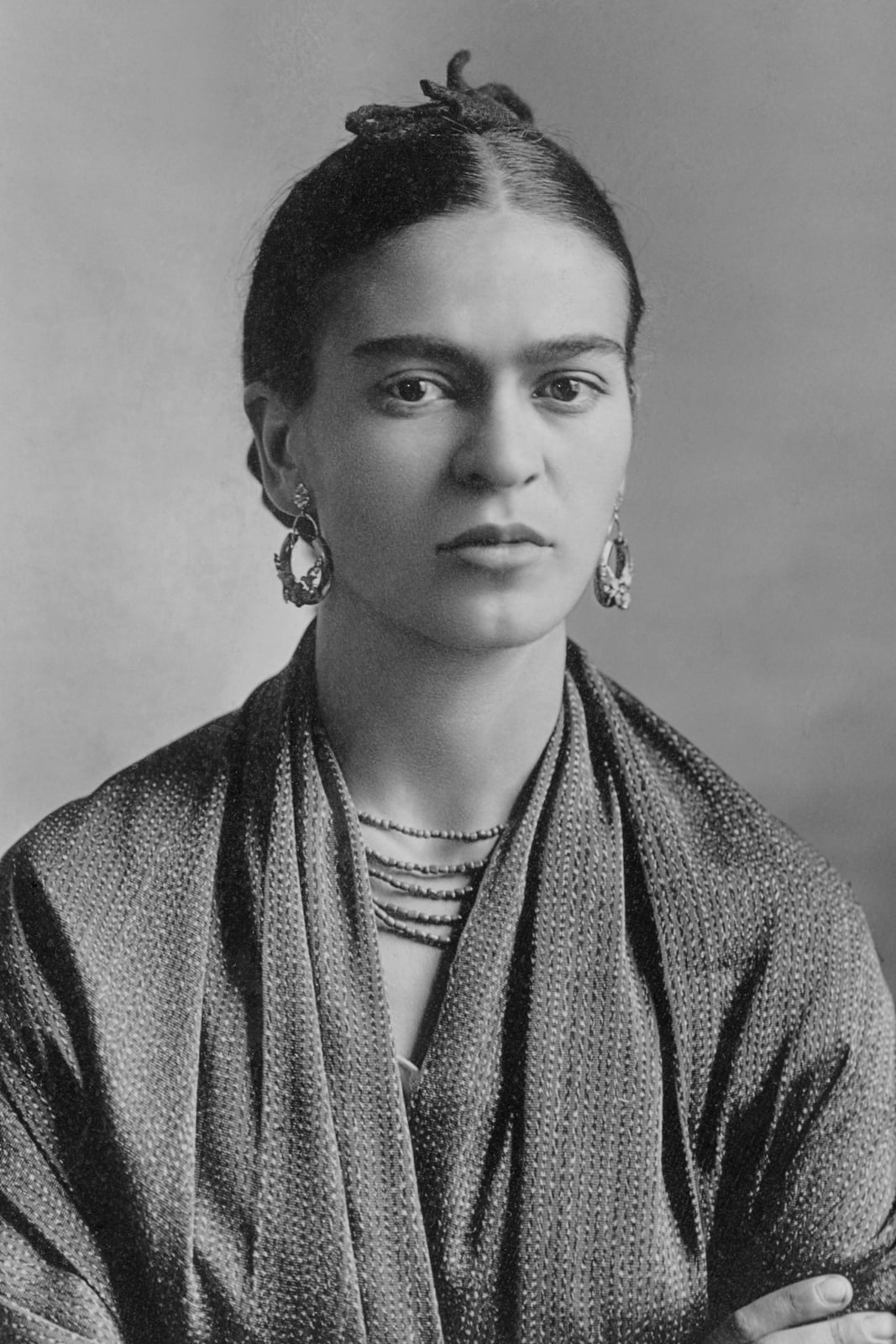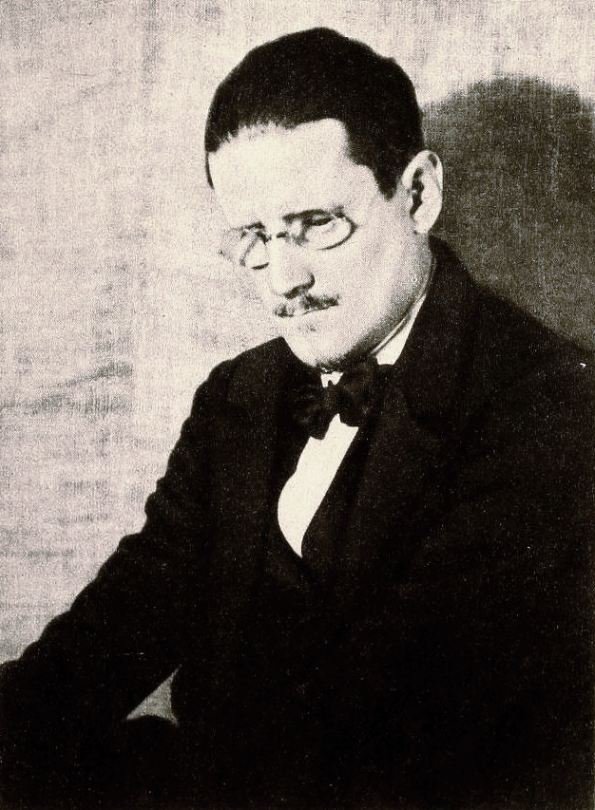
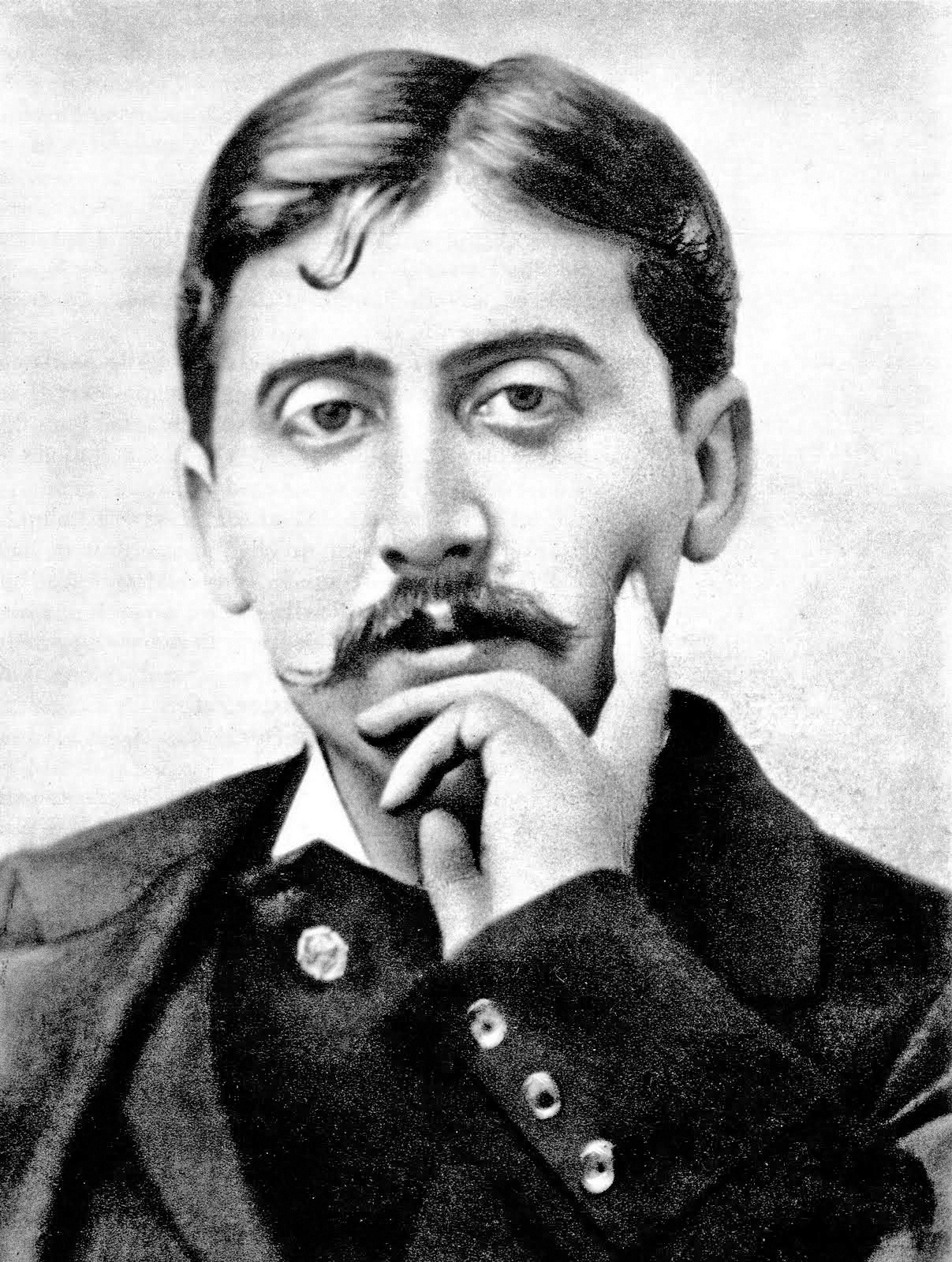

Otto Wegener, 1895; scan from a web copy of the photographer's cabinet card, uploaded to Wikimedia Commons by Yann Forget · Wikimedia Commons file 'Marcel Proust 1895.jpg', a contrast-enhanced scan of a studio portrait by Otto Wegener, Paris, 1895 · Public domain (photographer Otto Wegener died in 1924, so protection in France and the United States has long expired)
작가 · 19세기
마르셀 프루스트
1871–1922
주요 업적 분야
아직 성격 매칭에 포함되지 않았습니다 — 기록된 근거가 성격 모델 전체를 다루기에는 충분하지 않습니다. 이 페이지의 다른 모든 내용은 자유롭게 확인하실 수 있습니다.
핵심 특성
주요 업적
프루스트는 『잃어버린 시간을 찾아서』(A la recherche du temps perdu)를 썼다. 첫 권인 『스완네 집 쪽으로』는 1913년 11월 14일 베르나르 그라세(Bernard Grasset)에서 저자 비용으로 출간되었고, 제1차 세계대전 뒤에는 NRF(신프랑스 평론) 출판사가 이어받았으며, 둘째 권 『꽃피는 처녀들의 그늘에서』는 1919년 공쿠르상을 받았다. 『소돔과 고모라 II』는 1922년에 나왔고, 『갇힌 여인』(1923), 『사라진 알베르틴』(1925), 『되찾은 시간』(1927)은 그의 사후에 출간되었다.
프루스트는 존 러스킨의 『아미앵의 성서』(메르퀴르 드 프랑스, 1904)와 『참깨와 백합』(1906)을 번역했고, 두 책 모두 직접 쓴 서문과 주석을 붙였다. 두 번째 책의 서문은 독서를 다룬 글로, 처음에는 잡지 에세이로 발표되었다. 피에르캥(Pierre-Quint)에 따르면 그의 영어 실력은 약했고 사전에 의존해 작업했으며, 러스킨 작업은 약 6년 동안 그를 사로잡았다.
프루스트의 첫 책 『쾌락과 나날』(Les Plaisirs et les jours)은 1896년 칼만레비(Calmann-Levy)에서 마들렌 르메르(Madeleine Lemaire)의 삽화와 아나톨 프랑스의 서문을 달고 출간되었다. 이 책은 그가 『르 방케』와 『라 르뷔 블랑슈』에 기고한 초상, 연구, 이야기와 미발표 글 일부를 모은 것이다.
삶의 장면들
1914년 1월 앙드레 지드는 프루스트에게 『스완네 집 쪽으로』를 거절한 일이 NRF의 가장 큰 잘못으로 남을 것이며 자기 생애에서 가장 쓰라린 후회 가운데 하나라고 편지에 썼다. 프루스트는 며칠 안에 답장을 보내, 거듭된 거절이 없었다면 지드의 편지도 받지 못했을 것이고 그 편지의 기쁨은 NRF에서 책을 내는 것보다 크다고 했으며, 거절당했을 때 무관심한 척한 적은 없다고 덧붙였다.
1913년 봄 프루스트는 그라세에게 교정쇄를 너무 많이 고쳐서 추가 조판 비용을 내지 않으면 정직하지 못한 것이라고 편지를 쓰고 추가금을 내겠다고 했으며, 몇 주 뒤에는 돌려보내는 교정지의 '끔찍한 난장판'에 대해 사과했다. 1914년 6월 그라세 사 직원들은 인쇄소에 저자가 '교정쇄를 훨씬 더 많이 원한다'고 알렸다.
계약 범위를 훨씬 넘어 교정쇄를 고치고 그 비용을 내겠다고 한 것은 완벽주의와 부합한다. 다만 출판사 직원들과 비평가가 남은 오류를 지적한 것을 보면 결과가 깨끗한 원고는 아니었다. 완벽주의
전환점
『스완네 집 쪽으로』가 NRF, 메르퀴르 드 프랑스, 파스켈, 올랑도르프에서 잇따라 거절당하자, 프루스트는 1913년 친구 르네 블룸에게 베르나르 그라세에게 원고를 전해 달라고 부탁하며 출판 비용과 홍보비를 직접 내고 판매액의 일정 비율을 출판사에 주겠다고 제안했다. 그라세가 받아들여 책은 1913년 11월에 나왔고, 프루스트는 둘째 권 작업을 이어 갔다.
네 차례 거절을 당한 뒤에도 다섯 번째 출간 경로를 택해 계속한 것은 끈기와 부합한다. 거절 경위는 그를 존경한 비평가의 서술이며, NRF의 거절은 1914년 지드의 편지가 독립적으로 확인해 준다. 끈기
비슷한 인물
전체적인 프로필이 이 사람과 닮은 사람들이에요.
출처
- Marcel Proust (Q7199) -- verified live via wbgetentities (2026-10-10): en label 'Marcel Proust', description 'French novelist, critic and essayist (1871-1922)', born 10 Jul 1871, died 18 Nov 1922, citizenship France, ko label '마르셀 프루스트'. Orientation only; not used as support for any row.
- Leon Pierre-Quint, 'Marcel Proust: His Life and Work' (translated by Hamish Miles, Alfred A. Knopf, New York, 1927; French original 1925), Internet Archive full text -- ADMIRING early critic-biographer (a contemporary reader and advocate who knew Proust's circle), writing within five years of his death from correspondence and acquaintances. Read: the chapters on the Ruskin years, the cork-lined room, the publisher refusals of 1912-1913 and Swann at Grasset, the reception of 1913, the NRF reconciliation, the war years and the last-years revision of proofs. Translation slips noted (it gives the Bible of Amiens as 1914; Pierre-Quint's own bibliography and Kolb's volume give 1904). The sections of literary analysis were skimmed.
- Leon Pierre-Quint, 'Comment travaillait Proust' (Editions des Cahiers libres, Paris, 1928), Internet Archive full text -- ADMIRING critic's study of Proust's working methods. Read: the bibliography listing Proust's books and their editions (Du cote de chez Swann at Grasset 1913 then NRF; the volumes to Le Temps retrouve 1927; the Ruskin translations of 1904 and 1906), the introduction, and the closing section that reprints Proust's own 1913 letter to the writer Rene Blum asking him to approach the publisher Bernard Grasset (self source, quoted by an admirer). The long section comparing magazine and book variants of one extract was skimmed, not checked line by line.
- Paul Souday (critic of the daily Le Temps), 'Marcel Proust' (Simon Kra, Paris, 1927, eighth edition), Internet Archive full text -- CONTEMPORARY CRITICAL REVIEWS reprinted in the book: his feuilleton on Du cote de chez Swann of 10 December 1913 (praise for talent and imagination, but 'not composed', 'chaotic', with grammatical slips he asks why Proust does not correct on proof) and his piece on the 1919 Prix Goncourt for A l'ombre des jeunes filles en fleurs (the decision was 'not generally well received'; he notes Proust still lets slips pass in his proofs). Read both chapters in full; the later chapters on the novel as a whole were not read.
- Robert Dreyfus (school friend of Proust from the 1880s), 'Souvenirs sur Marcel Proust, accompagnes de lettres inedites' (Bernard Grasset, Paris, 1926), Internet Archive full text -- FRIEND's memoir with published letters of 1888-1908. Read: the passages on Proust's schooldays, the letters of 1905-1908 mentioning his Ruskin translation work and his tastes in painting, and the closing chapters. Warm, anecdotal; not used for any claim about health or family.
- Philip Kolb (ed.), 'Correspondance de Marcel Proust', tome XIII: 1914 (Plon, Paris, 1985), Internet Archive full text -- scholarly critical edition of Proust's letters, with the editor's notes quoting the Grasset publishing house's own letter-books. Read: Andre Gide's letter of 10-11 January 1914 apologising for the NRF's refusal of Swann and Proust's reply, Proust's letters of April-May 1913 to Bernard Grasset about the extent of his proof corrections, Grasset's replies, the Grasset staff's June 1914 notes on Proust's demand for more proofs, and the Proust-Riviere letters on the NRF extract. Letters are SELF sources, but Gide's letter and the Grasset publisher-side notes are independent of Proust. Letters about health, family and private relationships were not used.