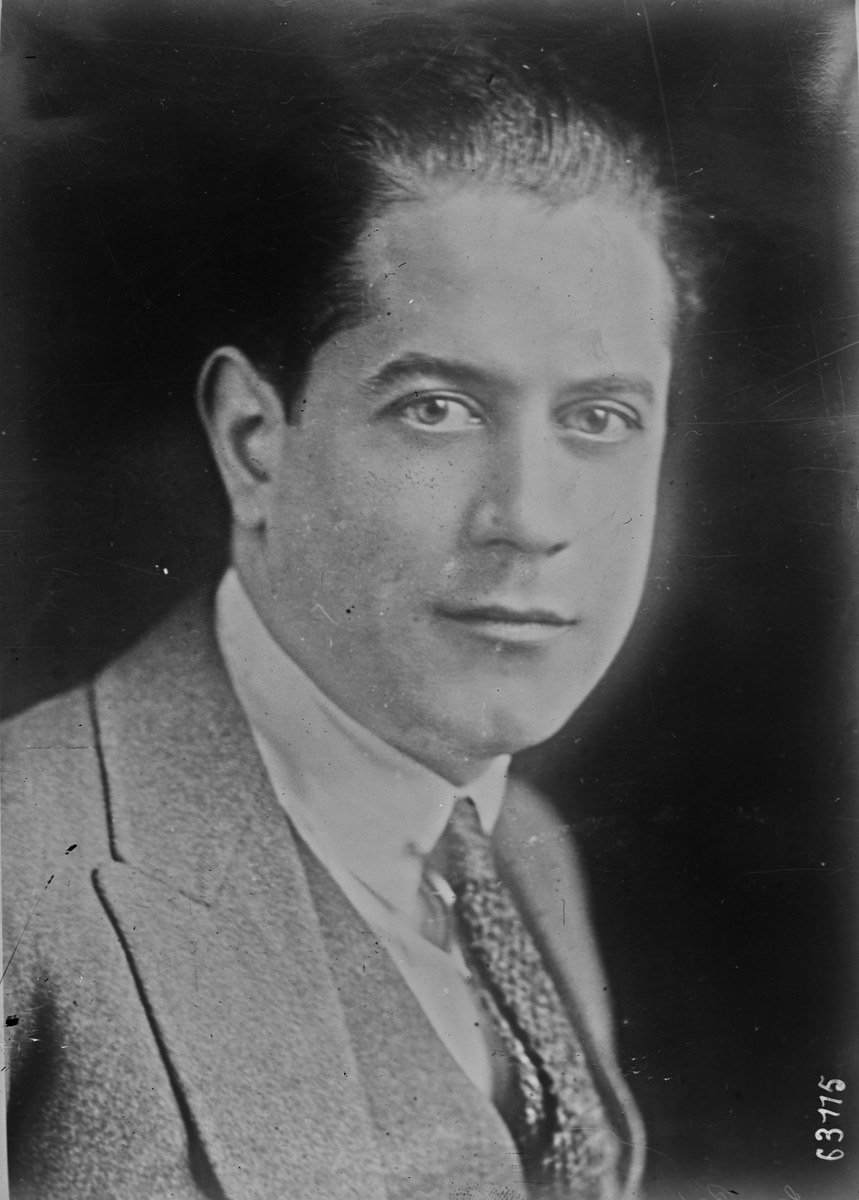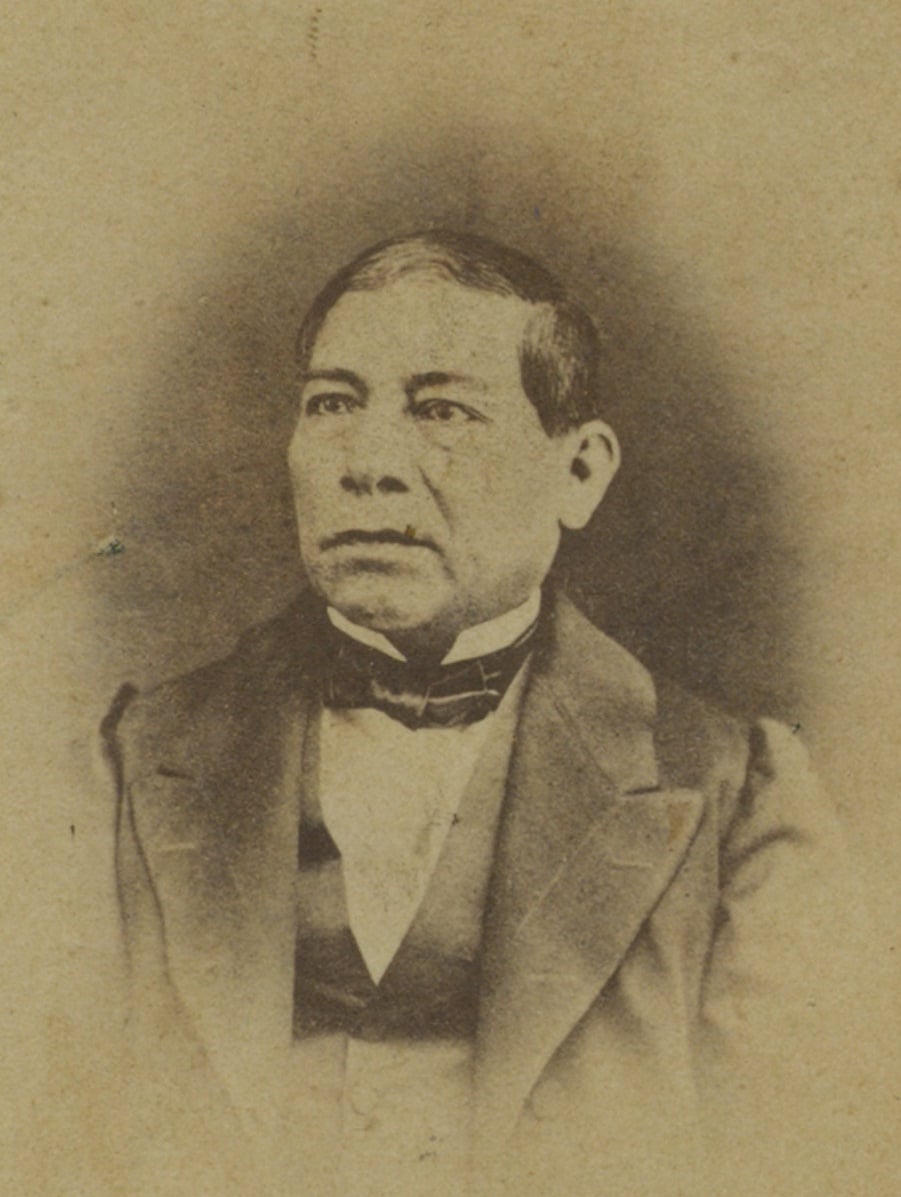

Agence Rol, M. Capablanca, champion d'échecs, January 1921, Bibliothèque nationale de France (Gallica), public domain · Press photograph 'M. [José Raúl] Capablanca, champion d'échecs' by the Paris press-photo agency Agence Rol (the individual photographer is not named), January 1921, reference Rol 63115, glass negative 18 x 13 cm, Bibliothèque nationale de France (Estampes et photographie, EI-13 (755)), digitised on Gallica. The BnF's own catalogue record for this item (read through its OAI service) gives the date as January 1921, identifies the subject as Capablanca and states the rights as 'domaine public' / 'public domain'; the image was taken in 1921, well over 95 years ago. The file is the Gallica scan as mirrored on Wikimedia Commons (6105 x 8511 pixels), cropped to remove the negative's frame and edge labels and reduced (downscaled only, never enlarged) to 859 x 1200 pixels. · Public domain (item-level statement by the Bibliothèque nationale de France; 1921 press photograph by Agence Rol)
운동선수 · 20세기
호세 라울 카파블랑카
1888–1942
주요 업적 분야
아직 성격 매칭에 포함되지 않았습니다 — 기록된 근거가 성격 모델 전체를 다루기에는 충분하지 않습니다. 이 페이지의 다른 모든 내용은 자유롭게 확인하실 수 있습니다.
핵심 특성
주요 업적
쿠바의 체스 마스터로, 1921년 아바나에서 에마누엘 라스커를 상대로 4승 10무 무패로 세계 챔피언이 되었고, 1927년 부에노스아이레스에서 알렉산드르 알레힌에게 패할 때까지 타이틀을 지켰다.
명료하고 실수 없는 포지션 운영과 엔드게임 솜씨로 알려졌다. 1916년부터 1924년까지 63경기 무패를 기록해 '체스 기계'라는 별명을 얻었고, 『나의 체스 경력』(1920)을 썼다.
1922년 런던 대회에서 다른 주요 마스터들이 받아들인 21개 조항의 세계 선수권 대국 규칙(런던 규칙)을 작성했고, 스페인어 체스 잡지와 아바나·부에노스아이레스 대회를 통해 라틴아메리카에 체스를 알리는 데 기여했다.
삶의 장면들
1910년 협상에서 라스커가 제안한 30경기 제한에 반대했고, 1911년에는 자격을 얻은 타이틀전을 조건이 마음에 들지 않아 치르지 않았다. 라스커와의 대국은 1921년 아바나에서 마침내 열렸다.
이는 타이틀전이 수년간 미뤄지더라도 대국 조건에서 물러서지 않으려 한 모습과 일치한다. 갈등 감내
1927년 패배 뒤 설욕전을 추진해 1929년, 1930년, 1931년, 1938년에 거듭 알레힌에게 도전했으나 어느 대국도 성사되지 않았다.
이는 거듭된 좌절에도 타이틀을 오랫동안 되찾으려 한 모습과 일치한다. 끈기
전환점
1920년 6월 라스커가 타이틀을 그에게 넘기겠다고 밝혔지만, 카파블랑카는 헤이그로 가서 협상한 끝에 1921년 봄 아바나 대국을 치러 이겼고, 타이틀을 그냥 받지 않았다.
이는 챔피언 자리를 대국으로 직접 얻으려 한 모습과 일치한다. 성취 욕구
비슷한 인물
전체적인 프로필이 이 사람과 닮은 사람들이에요.


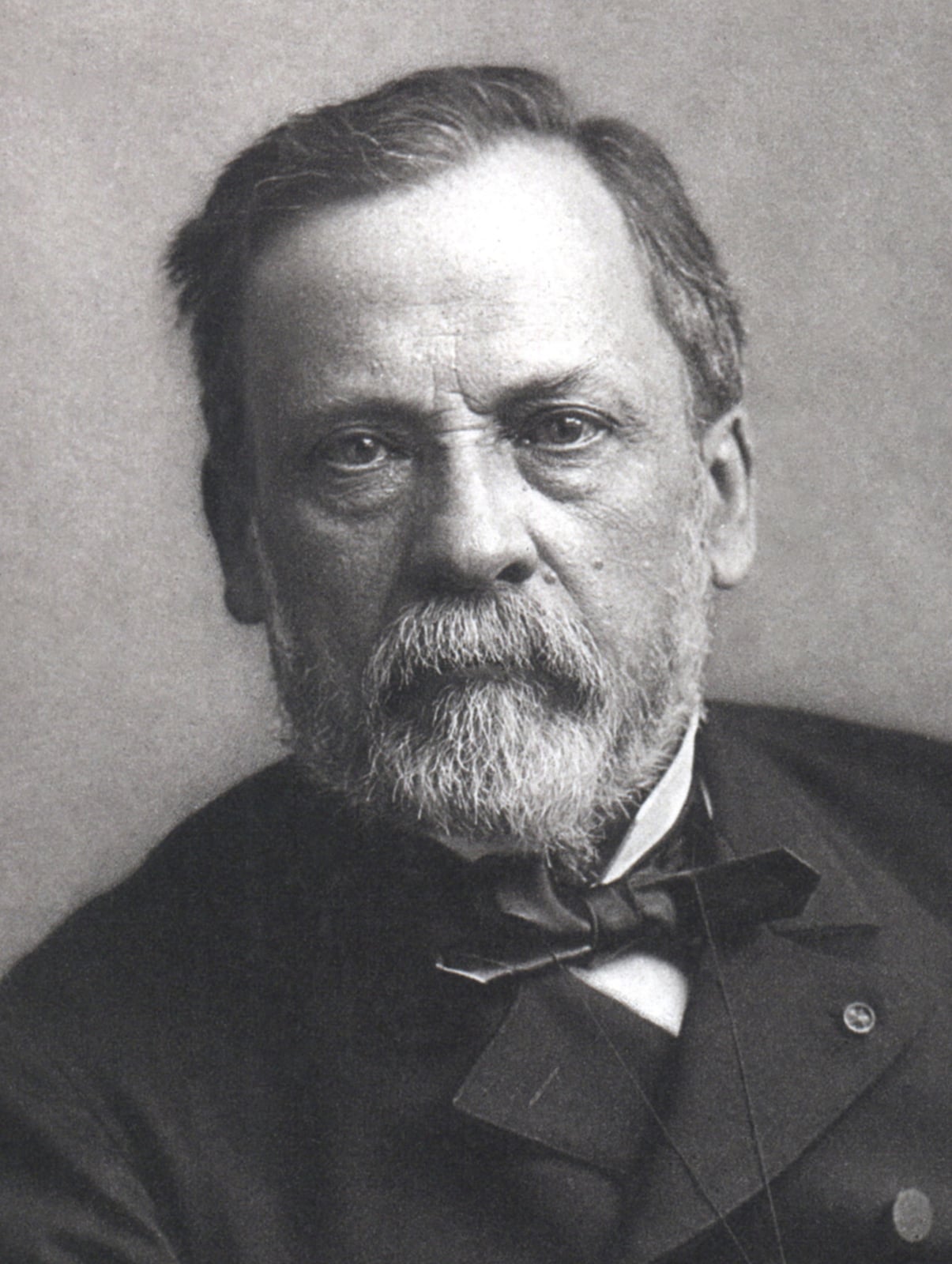
루이 파스퇴르

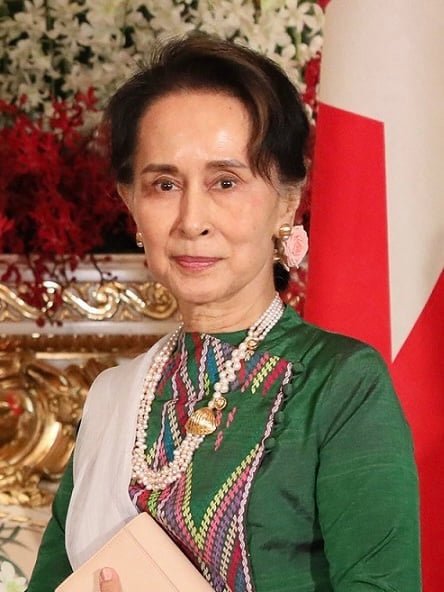
아웅산 수치

B. R. 암베드카르

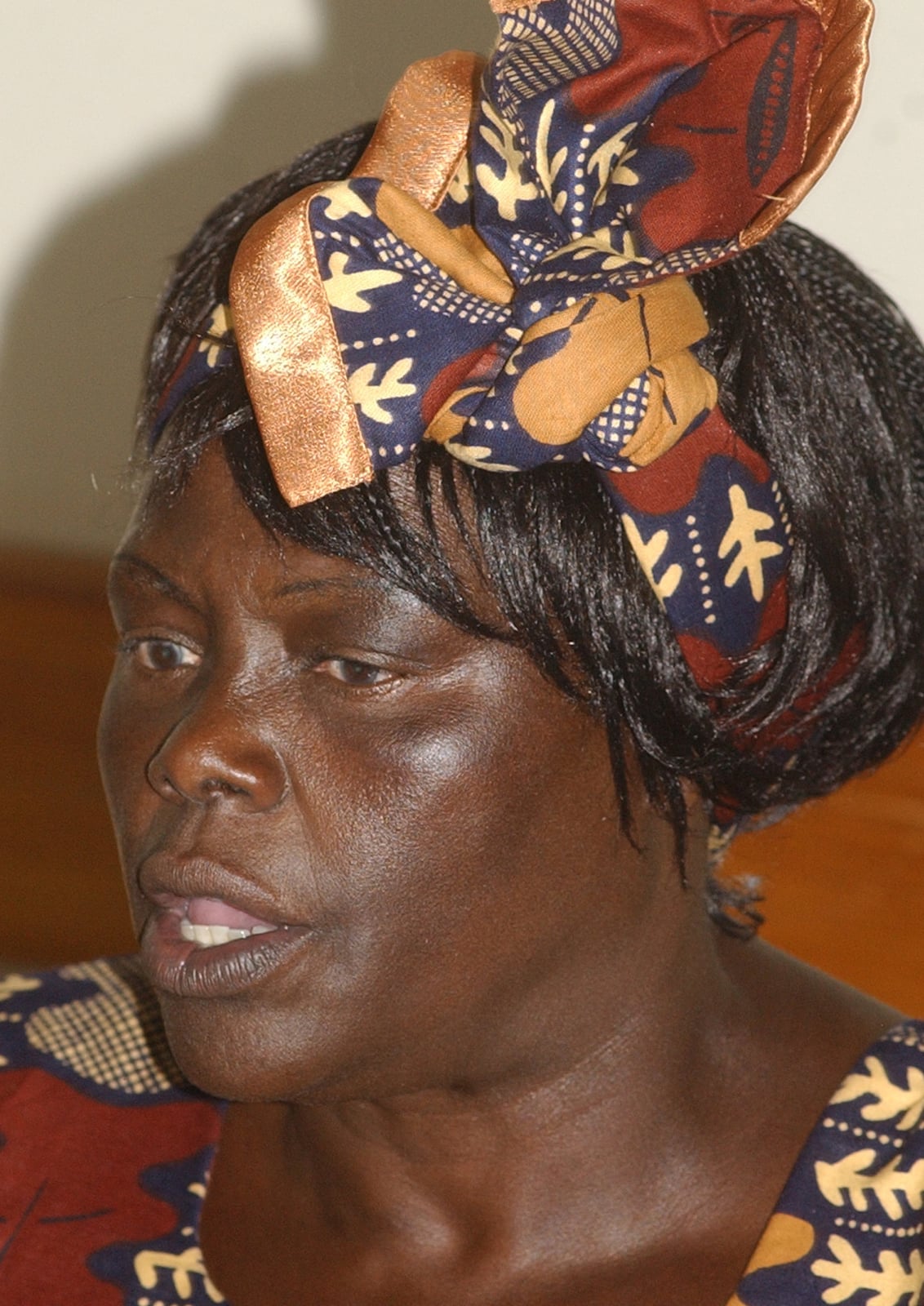
왕가리 마타이

넬슨 만델라
출처
- José Raúl Capablanca (Q160702), verified live via the Wikidata API (2026-11-01): label 'José Raúl Capablanca', description 'Cuban chess player (1888-1942)', born 1888 (6 or 19 November in the item's two values), died 8 March 1942, citizenship Cuba, Korean label present. Orientation only; not used as support for any row.
- 'Jose Raul Capablanca', FIDE (World Chess Federation) museum champions page, read in full. CANONICAL SIGNIFICANCE SOURCE: Cuban chess prodigy who beat Frank Marshall at 21, challenged Emanuel Lasker from 1911, won the 1921 Havana match against Lasker (+4 -0 =10), did not lose a serious game from 1916 to 1924, lost only 34 games in his adult career and was called a 'chess machine', lost the title to Alexander Alekhine in 1927 with no rematch, won Moscow 1936 and had the best first-board result at the 1939 Olympiad; quotations of admiration from Botvinnik, Tal, Karpov and Fischer; books My Chess Career (1920) and Last Lectures (1966). A federation museum page: promotional, mostly testimony from other masters, with almost nothing on conduct.
- 'Jose Raul Capablanca', World Chess Hall of Fame (inducted 2001), read in full: learned chess at four, beat the Cuban champion at 13, studied at Columbia University but left to concentrate on chess, a 1909 exhibition tour of 27 cities scoring 96.9 per cent over 607 games, qualified for a 1911 title match with Lasker but did not play because he was dissatisfied with the terms, played in St Petersburg in 1914 (second to Lasker), lost only one game between 1914 and 1924, beat Lasker in Havana in 1921, held the title until Alekhine won in 1927, tried to regain it, retired briefly in 1931 and returned in the 1930s, died in 1942. Also the 'Human Chess Machine' and 'Capa' nicknames and an unofficial diplomatic role for the Cuban foreign office (not used). Hall-of-fame page: admiring and brief.
- 'José Raúl Capablanca', EBSCO Research Starters (history), read in full: early life in Cuba, sponsored move to the United States and Columbia University that he did not finish, the 1909 exhibition tour and the 8-1 (14 draws) win over Marshall, San Sebastian 1911, St Petersburg 1914, Hastings 1919, Lasker's resignation of the title in 1920 and the 1921 match, the 1927 loss to Alekhine (6-3 with 25 draws) and the missing rematch because of Alekhine's purse demands, his retreat from top events after 1931, a 1938 stroke-affected result and best first-board prize in 1939, death in 1942; credits him with a quick, intuitive grasp of positions, with helping reform championship rules and organisation, breaking European dominance of the title and promoting chess in Latin America through a Spanish-language magazine and Havana and Buenos Aires tournaments; notes that Lasker's demands over purses and conditions stalled a title match for years. Encyclopedic summary by a reference publisher; few direct quotations.
- 'Capablanca's 130th anniversary' (a biographical article, 2018), ChessBase, read in full: the Columbia grant withdrawn after a semester because he 'studied chess much more ardently than chemistry or sports', the 1906 rapid win over Lasker, the 1909 match against Marshall, San Sebastian 1911, the 1914 blitz match in Berlin, the 1921 title, the 1927 loss to Alekhine (3-6 with 25 draws), 63 games without a loss from 1916 to 1924, 578 official tournament games with only 36 lost, his description as 'uncompromising' in financial negotiations and his demand for at least 10,000 dollars for a title match which angered Alekhine, enmity with Alekhine afterwards, a minor stroke at AVRO 1938, death in 1942. Specialist press written for chess readers; a publisher's promotional blurb on the page was not used.
- billwall, 'Capablanca', Chess.com, read in full: a chess-historian's overview of his life: the 1909 Marshall match and simultaneous exhibitions, San Sebastian 1911, his objection to a 30-game limit in the 1910 Lasker talks, 1914 St Petersburg and the Russian tsar's 'Grandmaster' title, the 1921 match, the 1927 loss, the 1931 win against Euwe and his repeated lack of a rematch, later tournament wins (Budapest 1928, Barcelona 1929, Moscow 1936), a stroke at AVRO 1938, the 1939 Olympiad board prize, a chess-variant proposal, and death in 1942. Contains unsourced claims and typographical errors; used only for facts that other sources repeat, and its personal-life passages were not used.
- Edward Winter, 'The London Rules', Chess Notes (chess historian's feature article with contemporary newspaper citations), read in full: the 21-clause rules for world championship matches that Capablanca drew up and that Alekhine, Bogoljubow, Maroczy, Reti, Rubinstein, Tartakower and Vidmar accepted at the 1922 London congress; clause eight ('the champion will not be compelled to defend his title for a purse below ten thousand dollars'); Winter's argument that the rules were an agreement among the masters rather than something Capablanca imposed; Capablanca's loose 1926 reading of the clause; Alekhine's statements on the terms in 1926, 1928 and 1980; the 1929-1931 challenges and talks that failed, the 1938 challenge that failed when Capablanca's Montevideo backers withdrew, and the verdict (quoting a letter-writer, with which Winter agrees) that Capablanca 'was not free of blame' for the absence of a rematch. An independent, source-based critical account.
- Edward Winter, 'How Capablanca Became World Champion', Chess Notes (chess historian's feature article with dated contemporary newspaper citations), read in full: the January 1920 agreement with Lasker in The Hague, Lasker's June 1920 abdication in Capablanca's favour and the contemporary press reaction (several British publications said the title could not simply be handed over), Capablanca's August 1920 journey to The Hague and the new agreement naming him champion, the November 1920 to April 1921 financial arrangements (a 20,000 dollar purse, Lasker 11,000 and Capablanca 9,000), the match in Havana from 15 March 1921 that ended on 27 April, and Capablanca's 1922 statement that he preferred to play rather than take the title without winning it over the board, which Winter notes misleadingly suggested Lasker had withdrawn his abdication. An independent, source-based account that is partly critical.
- Edward Winter, 'Capablanca v Alekhine, 1927', Chess Notes (chess historian's feature article), read in full: the 1927 Buenos Aires match played under the London Rules (six games up, draws not counting), the purse split, the claimed 5-5 drawn-match clause which Winter traces to later writers and finds unsupported by the Argentine press of the time, Capablanca's October 1927 letters suggesting the next match be limited to 20 games, Alekhine's September 1927 statement that he would accept a return match under the same conditions, Capablanca's wired and press statements about a return match, and the progress of the match to 6-3 for Alekhine. An independent, source-based account; it says little about Capablanca's preparation.
- Bibliothèque nationale de France, Gallica record 'M. [José Raúl] Capablanca, champion d'échecs : [photographie de presse] / [Agence Rol]', 1921, reference Rol 63115, glass negative 18 x 13 cm, Departement des Estampes et de la photographie: catalogue record read through the Gallica OAI service for the portrait review only. Not used for any row.