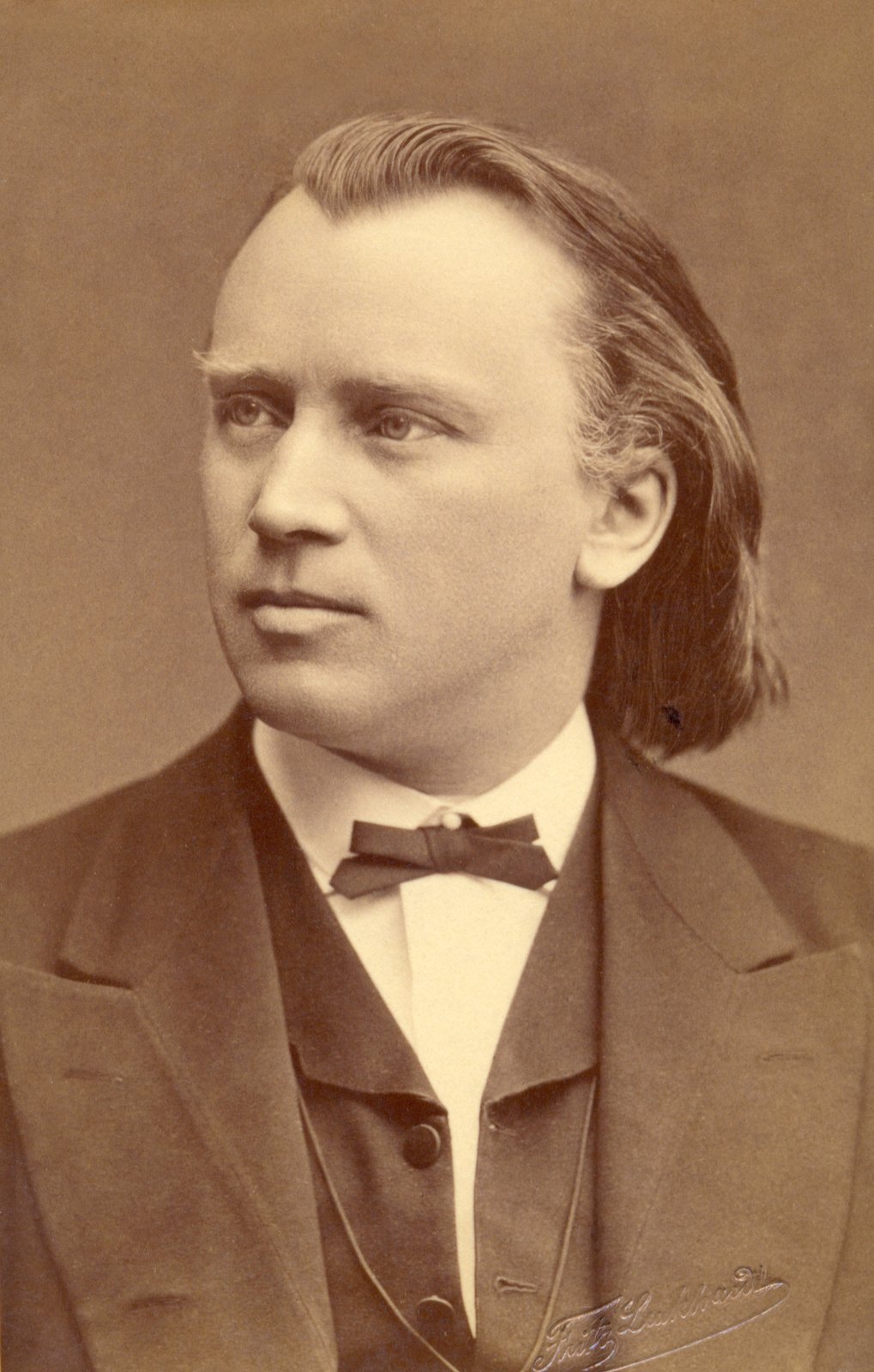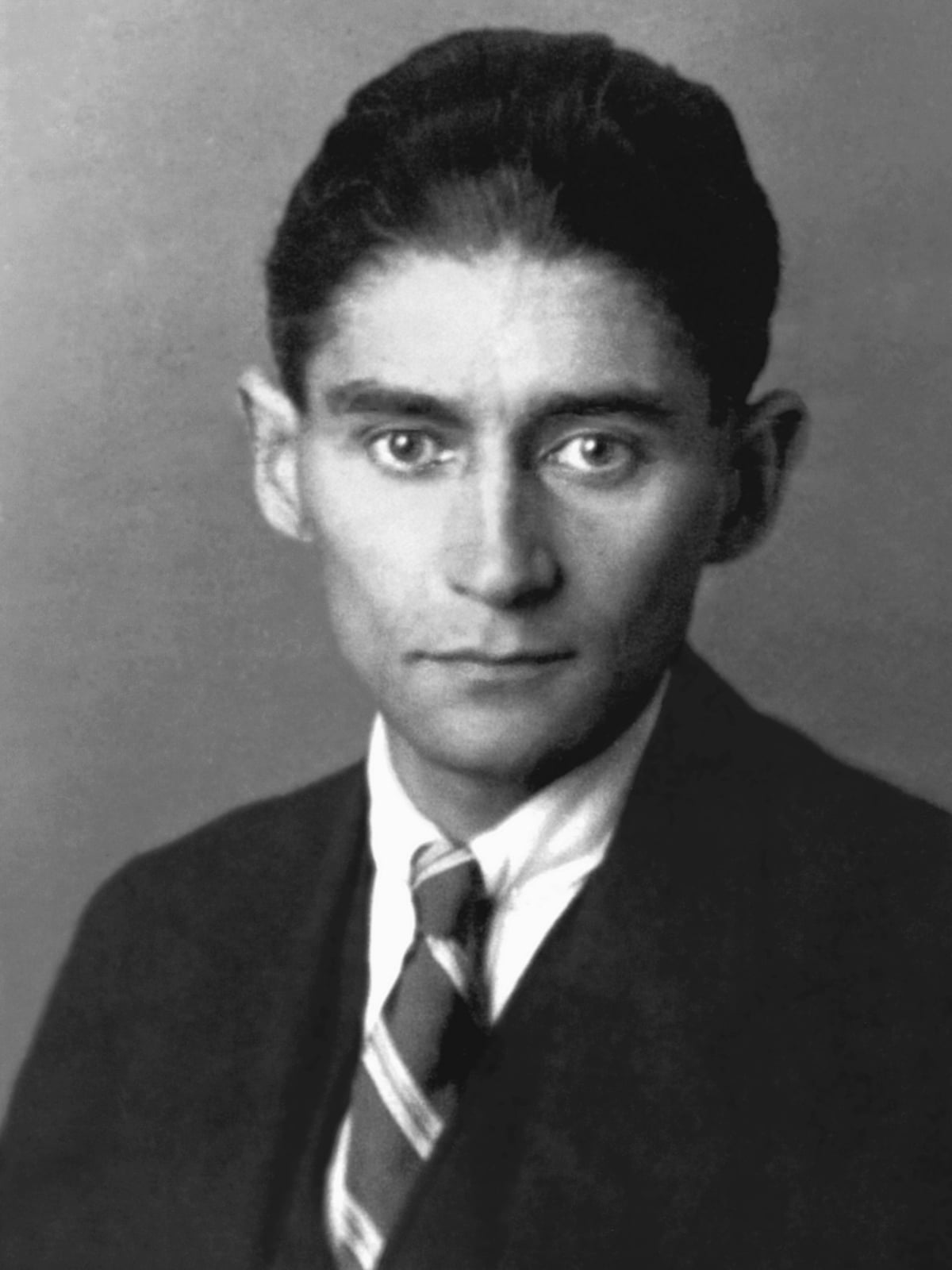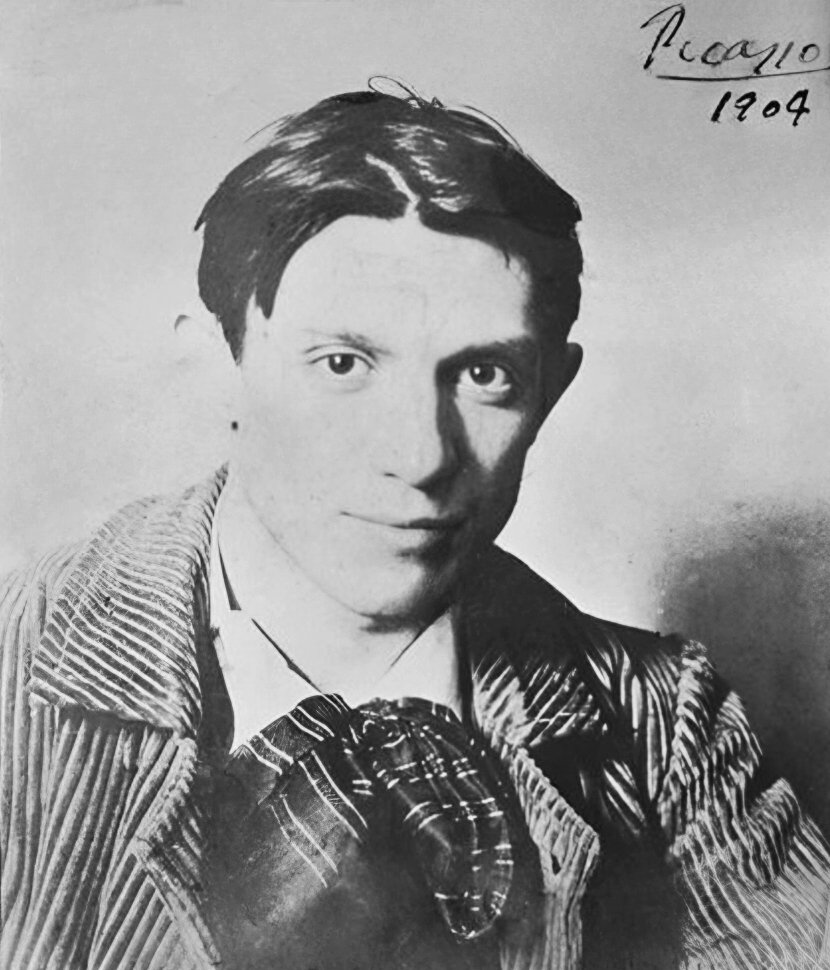

Fritz Luckhardt (1843-1894), Vienna, cabinet-card portrait of Johannes Brahms in younger years (undated; photographer active 1867-1894); Austrian National Library, Bildarchiv Austria, inventory Pf 394:B(4) (image ID 10362903) · Austrian National Library (Osterreichische Nationalbibliothek), Bildarchiv Austria, photograph 'Brahms, Johannes 1833-1897' by Fritz Luckhardt, inventory Pf 394:B(4), via Wikimedia Commons · Public domain
핵심 특성
주요 업적
브람스는 교향곡 네 곡을 완성했다. 1번은 1876년 11월 4일 카를스루에에서, 4번은 1885년 10월 25일 마이닝겐에서 초연되었다. 리스트와 바그너를 따르는 신독일악파가 교향시와 악극을 내세우던 시기에, 그는 하이든에서 베토벤으로 이어진 교향곡 전통을 이어 나갔다. 1번의 첫 악장은 1862년경에 쓴 것이며, 완성된 곡을 두고 독일 일부에서는 '베토벤의 열 번째 교향곡'이라 불렀다. 한스 폰 뷜로의 '바흐, 베토벤, 브람스'라는 표현은 그를 그 계보에 놓았다.
《독일 레퀴엠》은 독창자와 합창, 관현악을 위한 대규모 작품으로, 라틴어 미사문이 아니라 브람스가 직접 고른 성경 구절을 가사로 삼았다. 1868년 4월 10일 성금요일 브레멘 대성당에서 연주되어 그의 이름을 유럽 전역에 알렸다. 그보다 앞선 1867년 12월 빈에서는 이 곡의 세 악장을 들은 청중 일부가 야유를 보냈다.
교향곡 외에도 그는 피아노 협주곡 두 곡(1번은 1859년 1월에 처음 연주되었고, 2번은 1882년에 출판되었다)과 바이올린 협주곡을 썼다. 바이올린 협주곡은 1879년 1월 1일 라이프치히에서 요제프 요아힘의 독주, 브람스의 지휘로 초연되었다. 그의 작품에는 주요한 실내악, 독창을 위한 가곡 약 200곡, 피아노 연탄을 위한 《헝가리 무곡》도 포함되며, 《헝가리 무곡》의 첫 책들은 1869년에 출판되었다.
삶의 장면들
1859년 1월 27일 브람스는 라이프치히 게반트하우스에서 자신의 새 피아노 협주곡 d단조를 연주했다. 끝나자 드문드문 나온 박수는 분명하게 들리는 야유에 묻혔고, 비평가 베른스도르프는 이 곡이 '황량하고 메마른 삭막함'뿐이라고 썼다. 이튿날 브람스는 요아힘에게 '이번 실패는 나에게 아무 인상도 남기지 않았다'고, 그리고 '구성을 다듬고 나면 이 협주곡은 언젠가 사랑받을 것'이라고 써 보냈다.
공개적인 거부를 당한 뒤에도 같은 작품을 붙들고 간 이 태도는, 1867년 《독일 레퀴엠》 일부에 야유가 쏟아진 뒤에도 그랬듯이, 그의 프로필에 기록된 꾸준한 끈기와 일치한다. 끈기
1853년 브람스는 슈만이 출판사에 추천했던 현악 사중주를 거두어들였다. 플로렌스 메이에 따르면 그의 바이올린 소나타 가운데 두 번째와 세 번째는 완성된 뒤 스스로 퇴짜를 놓았고 원고도 직접 없애 버렸다. 《신독일 인명사전》은 그가 슈만에게 보여 주었던 작품 몇 곡을, 슈만의 뜻에 반하여 없앴다고 기록한다.
제자이자 전기 작가, 그리고 현대 학술 사전이 함께 기록한, 완성한 작품을 내놓지 않거나 없애 버린 행동은 그의 프로필에 나타난 자기 음악에 대한 엄격한 기준과 일치한다. 완벽주의
전환점
1863년 함부르크 필하모니 협회는 요아힘이 위원회에 그를 적극 추천했는데도 브람스 대신 율리우스 슈톡하우젠을 지휘자로 뽑았고, 1867년 그 자리가 다시 비었을 때에도 율리우스 폰 베르누트를 택하며 그를 두 번째로 제쳤다. 플로렌스 메이는 고향 도시에서 거듭 받은 이 푸대접이 그가 빈에 영구히 정착하기로 마음먹게 된 이유라고 판단했다. 그는 이미 1863~64년에 빈 징아카데미를 지휘했고, 1872년부터 1875년까지는 빈 음악애호가협회 연주회를 이끌었다.
여러 차례 지휘직을 맡았다가 내려놓으며 빈에서 자신의 활동 기반을 쌓은 것은, 그의 프로필에 기록된 자기 시간을 스스로 통제하려는 성향과 일치한다. 자율성 욕구
비슷한 인물
전체적인 프로필이 이 사람과 닮은 사람들이에요.
출처
- Johannes Brahms (Q7294) -- verified live via wbgetentities (2026-10-04): en label 'Johannes Brahms', description 'German composer (1833–1897)', P569 7 May 1833 (a second, conflicting 1834 value is also listed), P570 3 Apr 1897, instance of human, ko label '요하네스 브람스', kowiki sitelink present, P18 'JohannesBrahms.jpg'. Orientation only; not used as support for any row.
- Johannes Brahms (English Wikipedia) -- orientation only; not used as support for any scored row.
- Florence May, The Life of Johannes Brahms, vol. I (London: Edward Arnold, 1905), Project Gutenberg #40643 -- PUPIL-BIOGRAPHER perspective (non-self; May knew Brahms personally as a piano pupil; admiring and insider-leaning, but it prints his letters and the contemporary press including hostile reviews). Read locally: the withdrawal of the string quartet and the 1853-55 self-criticism, the 1855-59 years of study with the counterpoint exercises exchanged with Joachim and the list of early-music books he collected, the Leipzig concerto performance of 27 Jan 1859 with Brahms's letter to Joachim and Bernsdorf's review, the 1860 manifesto against the New German school (full text and the Leipzig parody), the Detmold years and his August 1860 refusal to return, and the account of Marxsen's letters.
- Florence May, The Life of Johannes Brahms, vol. II (London: Edward Arnold, 1905), Project Gutenberg #40644 -- PUPIL-BIOGRAPHER perspective (non-self, admiring, quoting letters and period critics Hirsch, Schelle, Billroth, Hanslick, Dorffel and Bernsdorf). Read locally: the 1862-63 Hamburg Philharmonic matter (Joachim's letter of 31 Jan 1863) and the 1867 second passing-over, the Vienna Singakademie post of 1863-64 and his resignation, the first Vienna performance of three movements of the German Requiem on 1 Dec 1867 with the hostile reviews and Billroth's letter, the Bremen Cathedral performance on 10 Apr 1868, the 1872-75 Gesellschaft concerts and his giving up the post, the first Symphony (Karlsruhe, 4 Nov 1876) and the later symphonies, the Violin Concerto of 1879, the destroyed violin sonatas, the state-stipend committee and his support of Dvorak and other young composers, and the 1892 refusal of festival performances for his birthday.
- George Henschel, Personal Recollections of Johannes Brahms: Some of His Letters to and Pages from a Journal Kept by George Henschel (Boston: Richard G. Badger, 1907), Internet Archive Google-scan OCR -- FRIEND/EYEWITNESS perspective (non-self, admiring; Henschel was a singer-conductor who toured with Brahms in 1875-76 and kept a pencil journal at the time). Read locally: the 1875 Vienna Gesellschaft farewell, the February 1876 Munster and Coblence concerts including Brahms practising alone before the concert, the train conversation about hard work and invention, the July 1876 Rugen journal, Kalbeck's note on Brahms and Wagner, and Henschel's closing character summary with Franz Wullner's tribute.
- Albert Dietrich and J. V. Widmann, Recollections of Johannes Brahms, trans. Dora E. Hecht (New York: Charles Scribner's Sons, 1899), Internet Archive OCR -- FRIEND/EYEWITNESS perspectives (non-self, admiring): Dietrich, a composer who knew Brahms from Dusseldorf in 1853, and Widmann, a Swiss writer who saw him in 1886-97. Read locally: Dietrich's chapters on Brahms and Schumann (the joint F-A-E sonata of November 1853, 1862 Oldenburg letters) and Widmann's chapters on the opera question and the Thun summers (Brahms's rough manner toward pretension, his kindness to children and servants).
- W. H. Hadow (Oxford), 'Johannes Brahms' in Studies in Modern Music, second series (London: Seeley and Co., 5th ed. 1904; essay first published in the Fortnightly Review), Project Gutenberg #39771 -- CRITIC-SCHOLAR perspective (non-self, a contemporary English musicologist, admiring but analytical). Read locally: section I 'Growth' on Brahms's training, the 1853 meeting with Joachim and Schumann, the years of private study 1855-58, and the 1859 Leipzig concerto and its reception.
- Walter Riezler, 'Brahms, Johannes', Neue Deutsche Biographie 2 (1955), online at Deutsche Biographie (Historische Kommission bei der Bayerischen Akademie der Wissenschaften), read in German -- MODERN SCHOLARLY perspective (non-self, independent of the personal memoirs). Read: the biographical section (career, Detmold, Hamburg and Vienna posts, the 1860 manifesto, character) and the survey of the works including the destroyed early works, the long gestation of the first symphony and the 1891 revision of the B major trio.
- Tchaikovsky Research, 'Johannes Brahms' (en.tchaikovsky-research.net), read in full -- ADVERSARIAL third-party perspective (non-self): documents Tchaikovsky's hostile 1872 review and 1886 diary entry about Brahms's music, Anna Brodsky's eyewitness account of the first meeting in Leipzig on 1 Jan 1888, Tchaikovsky's own report of Brahms's modesty, and Kashkin's memoir of the Hamburg lunch of 12 Mar 1889 where Brahms frankly said he did not like Tchaikovsky's Fifth Symphony. Used for behaviour only, never for judgments of the music.