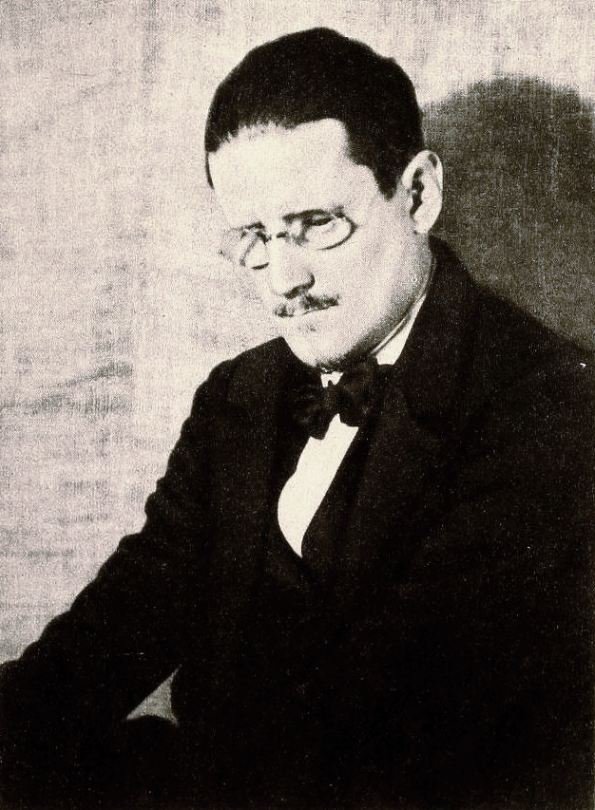
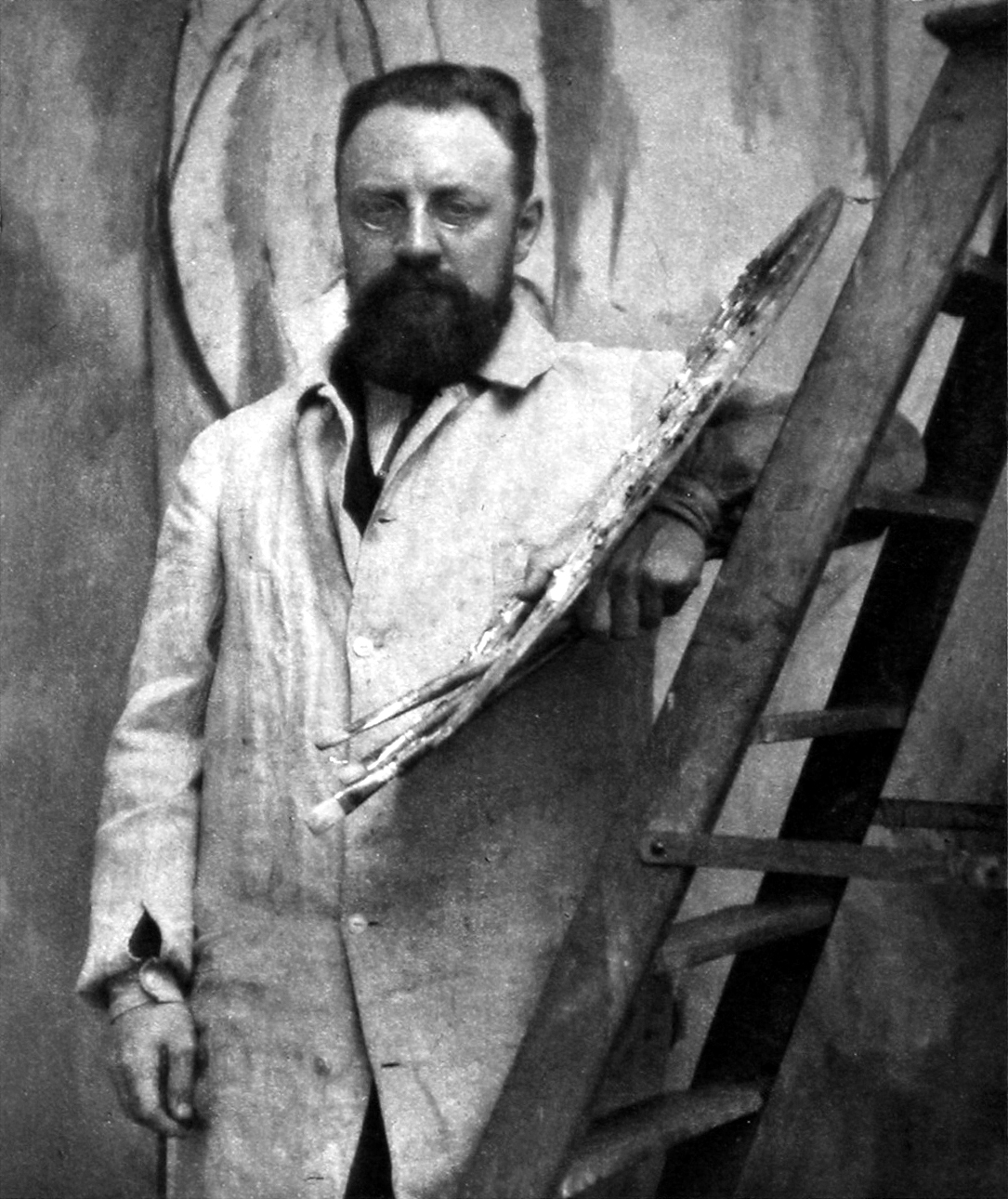

Alvin Langdon Coburn, 1913 (published in Men of Mark, 1913) · Alvin Langdon Coburn, 'Henri Matisse, Paris, May 13th, 1913', photogravure in Men of Mark (London and New York, 1913), via the New York Public Library Digital Gallery (image 301435 / id 483434) and Wikimedia Commons · Public domain (published in the United States in 1913; Coburn died 1966, so the US public-domain basis is publication before 1931)
화가 · 20세기
앙리 마티스
1869–1954
주요 업적 분야
아직 성격 매칭에 포함되지 않았습니다 — 기록된 근거가 성격 모델 전체를 다루기에는 충분하지 않습니다. 이 페이지의 다른 모든 내용은 자유롭게 확인하실 수 있습니다.
핵심 특성
주요 업적
1905년 파리 살롱 도톤(가을 살롱)에서 마티스는 앙드레 드랭과 함께 콜리우르에서 보낸 여름의 결과물을 선보였는데, 대담하고 비사실적인 색채로 그린 작품들이었다. 테이트는 비평가 루이 복셀이 이 전시를 보고 그들에게 '야수'를 뜻하는 '레 포브'라는 이름을 붙였다고 설명한다. 스타인의 회고록에 따르면 아내 아멜리를 그린 「모자를 쓴 여인」은 관람객의 조롱을 받았으나 레오와 거트루드 스타인 남매가 사들였다. 1906년에 마티스는 「삶의 기쁨(Le Bonheur de vivre)」을 완성했는데, 뉴욕현대미술관(MoMA) 도록은 이 작품을 1909~1910년에 무르익은 장식적 양식의 출발점으로 본다. 이 그림은 훗날 반스 재단이 스타인 가에서 사들였다.
1909년 봄 러시아의 수집가 세르게이 시추킨은 모스크바 저택의 계단실을 장식할 패널을 주문했고, 오간 서신 끝에 두 사람은 '춤'과 '음악'이라는 두 주제로 합의했다. 시카고미술관은 마티스가 이 주문으로 받은 대금으로 이시레물리노에 조립식 작업실을 구입했다고 전하며, 1910년으로 표기된 「음악」은 지금 에르미타주 미술관에 있다. 1930년에는 앨버트 반스가 반스 재단 중앙 전시실에 들어갈 마티스의 첫 본격적 벽화 「춤」을 주문했다. 비평가 제드 펄은 1년 넘게 작업한 뒤 공간 크기를 잘못 계산한 것이 드러나 마티스가 처음부터 다시 시작해야 했다고 전한다. 그래서 이 작품에는 두 가지 버전이 있으며, 그는 채색한 종이를 잘라 배치하는 방식으로 구도를 잡았다.
1947년 파리의 출판인 테리아드가 펴낸 『재즈』는 채색한 종이를 오려 붙여 만든 도판 스무 점으로 이루어져 있고, 각 도판 앞에는 마티스가 직접 손으로 쓴 글이 실려 있다. 뉴욕현대미술관(MoMA) 도록은 이 작업의 도안이 1943~1944년에 만들어졌다고 하며 그의 첫 본격적인 종이 오리기 프로젝트로 소개한다. 같은 도록에 따르면 1950년 마지막 조각, 1951년 마지막 회화를 만든 뒤 1950~1952년에는 종이 오리기가 큰 작업의 유일한 매체가 되었다. 테이트 모던이 2014년에 연 전시는 1936년부터 1954년 사이에 만든 작품 120점을 선보였고, 「달팽이」(1953)도 포함되었다.
마티스는 1948년부터 1951년까지 방스의 도미니크회 수녀들을 위해 로사리오 예배당을 설계했다. 건물 도면은 물론 노랑, 초록, 파랑의 스테인드글라스, 흰 도자 타일에 그린 대형 선화 세 점(성 도미니크, 성모자, 십자가의 길), 그리고 가구와 제구, 사제복까지 그의 손을 거쳤다. 방스시에 따르면 초석은 1949년 12월 11일에 놓였고 예배당은 1951년 6월 25일에 봉헌되었으며, 이 봉헌식에서는 결점이 있더라도 이 작품을 자신의 걸작으로 여긴다는 마티스의 글이 낭독되었다. 뉴욕현대미술관(MoMA) 도록은 그가 예배당의 마지막 작업으로 전례 색깔에 맞춘 사제복 여섯 벌을 디자인했다고 덧붙인다.
삶의 장면들
1947년 『재즈』가 출간되었을 때 마티스는 이 책을 '완전한 실패'라고 불렀다. 인쇄된 종이 오리기 구성이 완성된 원작이 아니라 조각 퍼즐처럼 보였기 때문이다. 두 달 뒤 그는 원작을 보지 못한 사람에게는 책 자체가 전하는 것이 중요하다고 쓰면서, 책이 화가들에게 끼친 영향에 대해 전해 들은 이야기를 근거로 들었다.
완성된 책을 실패라 평가했다가 화가들이 그것을 어떻게 받아들이는지 듣고 두 달 만에 다시 따져 본 일은 믿음 갱신과 부합한다. 이 서술은 뉴욕현대미술관(MoMA) 도록에 인용된 그 자신의 글에 바탕을 둔다. 입장 수정 성향
1916년 7월 마티스는 샤를 카무앵에게 '모로코 그림'(훗날 「모로코 사람들」)에 한 달을 매달렸더니 마음이 완전히 흔들렸다고 쓰면서 '나는 참호에 있지는 않지만, 내가 만든 최전선에 있다'고 적었다. 시카고미술관은 1916년에 그가 「등」, 「강가의 목욕하는 여인들」, 「자네트」 작업도 다시 잡아, 이전의 긁어내고 새기는 방식 위에 새 물감을 더해 나갔다고 전한다.
오래 끌어온 작품들로 되돌아가고, 힘겨운 싸움이라 묘사하면서도 까다로운 캔버스를 놓지 않은 모습은 끈기와 부합한다. 이 서술은 뉴욕현대미술관(MoMA)이 인용한 그의 편지와 시카고미술관의 큐레이터 설명에 의지한다. 끈기
전환점
1913년 두 번째 모로코 여행에서 돌아온 마티스는 갑자기 방향을 바꾸어, 이전 작업의 특징이던 색채보다 형태의 구조를 우선했다. 시카고미술관은 그해 5월부터 12월까지 완성한 회화가 세 점뿐이었고, 「강가의 목욕하는 여인들」과 「등」 같은 이전 작업을 계속 붙들었으며, 가을에 판화를 다시 시작했다고 전한다. 1917년부터는 이런 실험적 방식에서 벗어나기 시작했고, 그해 말 니스에 정착했다.
이름을 알린 방식을 접고 생산량을 줄여 가며 다른 방식을 시험한 일은 실험 정신과 부합한다. 이 서술은 그 자신의 편지를 인용한 시카고미술관 큐레이터 페이지에 바탕을 둔다. 실험 성향
비슷한 인물
전체적인 프로필이 이 사람과 닮은 사람들이에요.
출처
- Henri Matisse (Q5589) -- verified live via wbgetentities (2026-10-05): en label 'Henri Matisse', description 'French artist (1869-1954)', born 31 Dec 1869, died 3 Nov 1954, citizenship France, ko label '앙리 마티스'. Orientation only; not used as support for any row.
- Henri Matisse, 'Notes of a Painter' (La Grande Revue, 25 December 1908), English text as reproduced on the Obelisk art-history site -- SELF/PRIMARY statement of his aims and method (expression through the whole arrangement of the picture, 'my thought has evolved', redoing earlier works). Read in full; used only for his stated working position, never as the sole perspective on a row.
- Museum of Modern Art, New York, catalogue 'Matisse in the Collection of The Museum of Modern Art' (1978; exhibition 25 October 1978 - 30 January 1979), PDF from moma.org -- INSTITUTIONAL curatorial catalogue (entries signed by MoMA curators). Read the available text pages on the Moroccans and Cubism, the 1930 Pittsburgh/Barnes visit and the Dewey drawing, Jazz, the Vence chapel and chasubles, the late cut-outs and the Shchukin panels; the file as downloaded is partial (about pages 83-235 of the book were readable) so other sections were not read.
- Art Institute of Chicago, online exhibition 'Matisse: Radical Invention, 1913-1917' (2010; co-organised with the Museum of Modern Art; curators Stephanie D'Alessandro and John Elderfield), theme pages 'Opportunity and Invention 1909-1910', 'Restlessness and Exploration 1910-1913', 'Methods of Modern Construction 1913', 'New Ambitions 1914', 'Interruptions and Returns 1914-1915', 'The Challenge of Painting 1916', 'Changing Course 1916-17', 'Printmaking 1913-1917', 'The Experiment Remembered' and the overview -- INSTITUTIONAL curatorial text quoting Matisse's own letters (to Camoin, Biette, Rosenberg, Sembat) and interviews. Read in full (short pages).
- Gertrude Stein, 'The Autobiography of Alice B. Toklas' (1933), web edition from Toronto Metropolitan University Pressbooks -- CONTEMPORARY FRIEND/COLLECTOR memoir (written in Alice Toklas's voice) of the Stein circle's dealings with Matisse from 1905: the purchase of Woman with a Hat, the Matisses' account of the price and of the refused picture, his daily routine, Vollard's visit, Berlin success and the later estrangement. Anecdotal and retrospective (written about 28 years after the events), and repeats the household's own telling; used for dated, specific incidents only. Read the Matisse passages in full (roughly 12 passages across the book).
- Gelett Burgess, 'The Wild Men of Paris', Architectural Record (May 1910), republished on architecturalrecord.com -- CONTEMPORARY AMERICAN JOURNALIST, mocking and often hostile to the Fauves and Cubists, but recording a visit to Matisse and his stated ideas on simplicity and 'the absolute'; treated as an outsider and sceptical perspective, not as a reliable biography. Read pages 1-3 (all Matisse passages).
- Roger Fry (English painter and critic), 'Vision and Design' (1920), Project Gutenberg ebook 54154 -- CONTEMPORARY CRITIC, an early English champion of Matisse; the passages on Matisse (pp. 158, 167, 193 of the printed text: his rhythmic line, use of colour, draughtsmanship and the 1910 and 1912 Post-Impressionist exhibitions) were read; the rest of the book was skimmed or not read. Used for contemporary critical reception, not for any scored behaviour.
- Jed Perl, 'Which Matisse Do You Choose?', The New York Review of Books (12 May 2016), review of the three-volume Barnes Foundation catalogue 'Matisse in the Barnes Foundation' -- CRITICAL independent review (Perl disputes Yve-Alain Bois's neat division of Matisse into two) giving a summary of the Barnes commission of 1930 and the Dance mural, its two versions and use of cut paper. Read in full.
- Mairie de Vence (municipal page), 'The history of the Rosaire Chapel' -- LOCAL INSTITUTIONAL account of the Chapelle du Rosaire, 1947-1951 (Sister Jacques-Marie, Brother Rayssiguier, Father Couturier, architects Perret and Milon de Peillon, first stone 11 December 1949, consecration 25 June 1951) and the text Matisse had read at the consecration. Read in full.
- Tate, press release for the exhibition 'Matisse Picasso' (Tate Modern, 11 May - 18 August 2002; Tate with the Musee Picasso, the Pompidou Centre and MoMA), 29 October 2001 -- INSTITUTIONAL curatorial summary of the Matisse-Picasso relationship from 1906 (open rivalry to 1917, estrangement, later closeness). Read in full.
- Willard Huntington Wright (American critic), 'Modern Painting: Its Tendency and Meaning' (1915), chapter X 'Henri-Matisse', Project Gutenberg ebook 39886 -- CONTEMPORARY CRITIC, a partisan of the modern movement but critical of the Impressionists; the chapter's account of Matisse's training under Moreau, his copying in the Louvre, his rejection of fixed forms for the nude and his statement that he tried to look at the model as if he had never seen a picture was read in full (about 12 pages); the rest of the book was not read. Interpretive criticism rather than biography; used for contemporary critical reception and one reported statement of method.
- Tate, glossary entry 'Fauvism' (tate.org.uk art terms) -- INSTITUTIONAL definition: the name les fauves coined by the critic Louis Vauxcelles at the 1905 Salon d'Automne in Paris, the summer of 1905 at Collioure with Derain, and Matisse's continued use of bright colour and simple shapes after the group dispersed. Read in full.
- Tate Modern, exhibition page 'Henri Matisse: The Cut-Outs' (17 April - 7 September 2014; 120 works made between 1936 and 1954) -- INSTITUTIONAL exhibition summary of the cut-outs, including The Snail (1953) and Memory of Oceania; the page also carries critics' praise, which was not used. Read in full.