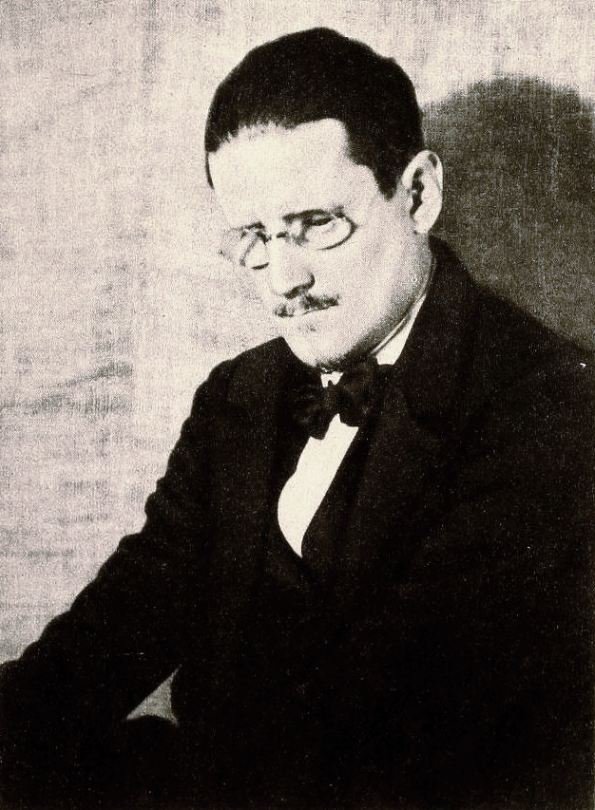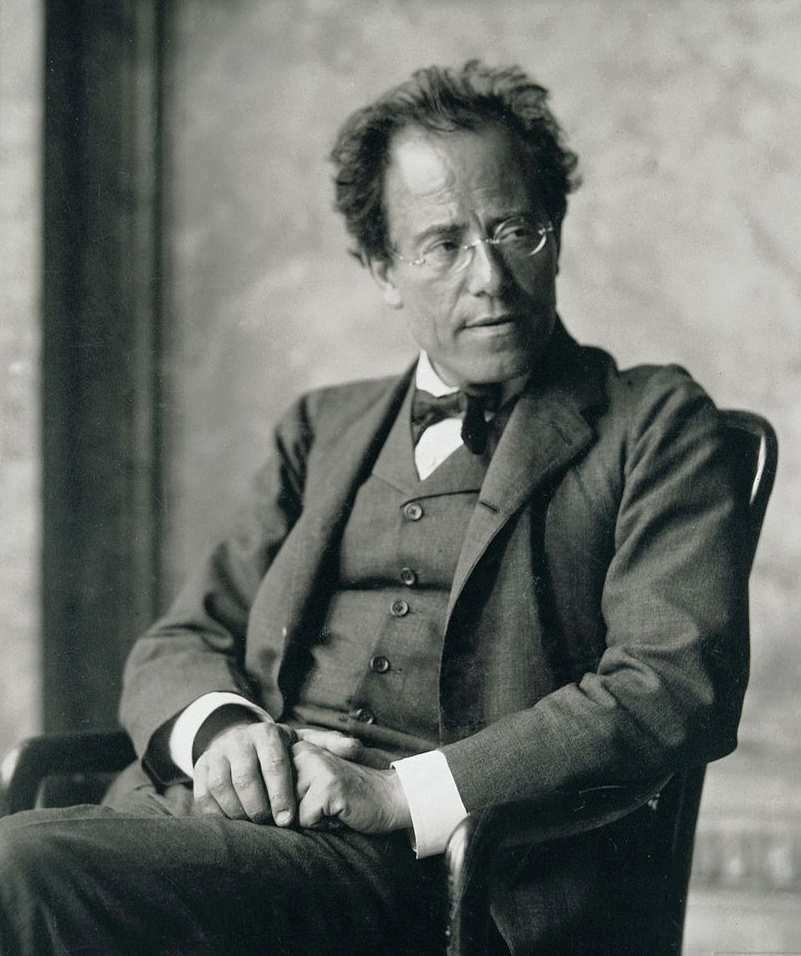
Photograph by Moritz Nähr (Vienna), 1907, as published on plate 12 of Richard Specht, 'Gustav Mahler' (Berlin and Leipzig: Schuster & Loeffler, 1913), credited 'M. Nähr, Wien, phot.' · Wikimedia Commons, 'Photo of Gustav Mahler by Moritz Naehr 01.jpg' (Commons wikitext: published on plate 12 of Richard Specht, Gustav Mahler, Schuster & Loeffler, Berlin/Leipzig 1913); plate checked on the Internet Archive scan of Specht 1913 (Univ. of Toronto copy), leaf with page number 12, credited 'M. Naehr, Wien, phot.' · Public domain (photographer Moritz Naehr, died 1945, so Austrian and EU term of life+70 expired end of 2015; published 1913, so also US public domain)
작곡가 · 19세기
구스타프 말러
1860–1911
주요 업적 분야
아직 성격 매칭에 포함되지 않았습니다 — 기록된 근거가 성격 모델 전체를 다루기에는 충분하지 않습니다. 이 페이지의 다른 모든 내용은 자유롭게 확인하실 수 있습니다.
핵심 특성
주요 업적
말러는 번호가 붙은 교향곡 아홉 곡과 교향적 연가곡 『대지의 노래』(1908년 완성), 『죽은 아이를 그리는 노래』, 『소년의 마법 뿔피리』 가곡들을 작곡했고, 교향곡 10번은 미완으로 남겼다. 이 음악의 대부분은 지휘직을 쉬는 여름 휴가 동안 썼다. 교향곡 8번은 1910년 9월 12일 뮌헨에서 그의 지휘로 초연되었고, 『대지의 노래』(1911년 11월 20일 뮌헨)와 교향곡 9번(1912년 6월 23일 빈)은 그의 사후 브루노 발터가 초연했다.
말러는 1897년부터 1907년까지 빈 궁정 오페라극장을 이끌었다. 전기 작가 파울 슈테판과 리하르트 슈페히트에 따르면, 돈을 받고 박수를 치는 박수 부대(클라크)는 사라졌고 공연 중에는 지각한 관객의 입장이 허용되지 않았으며, 가수들은 독창자가 아니라 앙상블로 훈련받았다. 1903년부터는 화가 알프레트 롤러와 함께 『트리스탄과 이졸데』를 시작으로 서른 편에서 마흔 편가량의 새 프로덕션을 만들어 무대 장치와 조명을 음악에 맞추었다. 그는 1907년 극장을 떠나 그해 12월 뉴욕으로 건너갔다.
말러는 1891년부터 함부르크 오페라에서 지휘했고, 한스 폰 뷜로가 병으로 물러나 1894년 세상을 떠난 뒤에는 이 도시의 정기 연주회를 맡았다. 빈에서는 1898년부터 1901년까지 빈 필하모닉 연주회도 지휘했다. 뉴욕에서는 메트로폴리탄 오페라에서 오페라를 지휘했고, 재편된 뉴욕 필하모닉 협회와 함께 1909~10년 시즌에 46회, 이듬해 시즌에 48회의 연주회를 열었다. 때로 그의 해석에 이견을 보였던 『더 선』의 평론가 헨더슨은 1911년 말러의 필하모닉 연주회에 쓴 자신의 평 열아홉 편 모두에 칭찬이 들어 있다고 썼다.
삶의 장면들
리하르트 슈페히트에 따르면, 테너 헤르만 빙켈만의 팬들이 빈 오페라극장에서 장면 도중에 박수를 쳐 공연을 계속 끊자, 말러는 무대 출입구에서 그들 일부와 마주쳤다. 그는 그들의 환호를 거절하고 그런 행동은 '야만적'이며 젊은이답지 못하다고 말한 뒤 다시는 그러지 말고 생각해 보라고 했다. 그리고 자신이 무대에서 물러난 뒤에야 환호를 받아들이겠다고 말했다. 슈페히트는 그 뒤로 방해가 멈췄다고 전한다.
적대적인 무리를 피하지 않고 직접 마주한 일은 갈등을 견디는 태도와 부합한다. 다만 이 서술은 그를 높이 평가한 전기 작가의 것이며 날짜가 밝혀져 있지 않다. 갈등 감내
파울 슈테판에 따르면, 말러는 바그너가 제안한 방식을 따라 악기 편성을 다듬어 베토벤의 교향곡 9번을 연주했다. 비평가들이 반발하자 그는 해명문을 인쇄해 연주회장에서 나누어 주었고, 그 연주는 다시 열렸다. 1909년 『더 선』의 한 평론가도 슈만 교향곡 d단조에 대한 그의 해석을 문제 삼아 피날레가 서둘렀고 코다는 뭉개진 소리에 가까웠다고 평했으나, 그가 의도한 구성은 분명히 들렸다고 인정했다.
정전으로 꼽히는 악보에 자신만의 편집을 가하고 그것을 인쇄물로 변호한 일은 독립적 사고와 부합한다. 『더 선』의 평은 비평가들이 그의 해석을 늘 받아들인 것은 아님을 보여 준다. 독립적 사고
전환점
1907년 여름 말러는 연금을 신청하고, 종신 임용 상태였던 빈 궁정 오페라극장을 떠났으며, 12월에 미국으로 건너갔다. 『더 선』은 당시 그가 이 직책에 지쳤고 작곡할 시간을 원한다고 말했다고 보도했으며, 그의 적들은 그가 쫓겨났다고 주장했다고 전했다. 슈테판은 작가, 음악가, 학자들이 서명한 항의 서한이 그에게 전달되었다고 쓴다. 극장 단원들에게 보낸 작별 편지에서 말러는 완결된 전체가 아니라 '미완의 조각'을 남기고 떠난다고 썼다.
안정된 직위를 내려놓고 자신의 작업 시간에 대한 더 큰 통제권을 택한 일은 자율성에 대한 욕구와 부합한다. 다만 그가 스스로 떠났는지 압력을 받았는지에 대해서는 자료마다 의견이 갈린다. 자율성 욕구
비슷한 인물
전체적인 프로필이 이 사람과 닮은 사람들이에요.
출처
- Gustav Mahler (Q7304) -- verified live via wbgetentities (2026-10-08): en label 'Gustav Mahler', description 'Austrian late-Romantic composer (1860-1911)', born 7 Jul 1860, died 18 May 1911, citizenship Austria among others, instance of human, ko label. Orientation only; not used as support for any row.
- Paul Stefan, 'Gustav Mahler: A Study of His Personality and Work', translated by T. E. Clark (G. Schirmer, New York, 1913), Internet Archive scan -- ADMIRING CONTEMPORARY biography by a partisan of Mahler (Stefan also wrote the polemic 'Gustav Mahler's Heritage' in 1908, which he says provoked a counter-pamphlet). Read the biographical chapters on Cassel, Pest, Hamburg, the Vienna Opera and Philharmonic years, the 1907 departure and America, and the section on summer composing (about pp. 20-67); the analytical chapters on the works were only skimmed.
- Richard Specht, 'Gustav Mahler' (Schuster & Loeffler, Berlin and Leipzig, 1913), Internet Archive scan of the University of Toronto copy (in German) -- ADMIRING CONTEMPORARY biography by a Vienna critic and friend, openly hostile to Mahler's Vienna opponents. Read the opening of the Vienna chapter (arrival in 1897, the Winkelmann and Hermannbund episode, the velvet curtain), the passage on the departure and the farewell letter, the Mahler-Roller productions passage, and the plate list and plates 8, 10, 11 and 12 as page images; the rest of the 800-page volume was searched, not read.
- Natalie Bauer-Lechner, 'Erinnerungen an Gustav Mahler' (E. P. Tal, Leipzig and Vienna, 1923), Internet Archive scan (in German) -- diary-style record by a close friend and violist (c. 1890-1901) of Mahler's remarks and daily work, published posthumously; PARTISAN and written with his statements as she remembered them, so used here as a record of what he said and did in her presence, not as neutral testimony. Read the passages on the Third Symphony's demands, instrumentation, the reworking of the Fourth, the Beethoven editing remarks, and the account of his Vienna production of Dalibor; the book was otherwise searched, not read in full.
- Alma Mahler, 'Gustav Mahler: Memories and Letters', translated by Basil Creighton (John Murray, London, 1946), Internet Archive scan -- memoir by his widow, PARTISAN and known to be unreliable on some points, with printed letters from Mahler to her (self source). Read the passages on the Maiernigg daily routine, the engagement of Alfred Roller, the circumstances of the 1907 resignation and the 1907 letters from Frankfurt; used only for concrete routines and events, and every row that uses it also cites an independent source. Her account of the marriage, his health and his family losses was not used.
- 'Gustav Mahler: The Composer, the Conductor, and the Man -- Appreciations by Distinguished Contemporary Musicians' (Society of the Friends of Music, New York, 1916), booklet issued for the New York premiere of the Eighth Symphony, Internet Archive scan -- collected brief tributes by about two dozen musicians who sang, played or conducted with him, mostly admiring (one contributor refers to his 'detractors'), with one candid note on his irritability. Read in full.
- 'Notes of Opera in Europe -- Theories of Gustav Mahler's secret retirement', The Sun (New York), 7 July 1907, p. 36, Library of Congress Chronicling America OCR -- contemporary newspaper note reporting, side by side, what Mahler said, what his friends said and what his enemies said about his leaving the Vienna Court Opera. Read the Mahler paragraphs (the OCR is noisy but legible).
- Unsigned review 'The Philharmonic Concert -- the third historical programme', The Sun (New York), 30 December 1909, p. 7, Library of Congress Chronicling America OCR -- contemporary CRITICAL review of Mahler's Philharmonic Society concert (Schubert, Mendelssohn concerto, Schumann's D minor symphony), noting both his explicit interpretive design and, in its view, a hurried finale. Read the Mahler passages.
- W. J. Henderson, season retrospective in the music pages of The Sun (New York), 23 April 1911, p. 26, Library of Congress Chronicling America OCR -- the paper's critic on the troubled New York orchestral situation and the end of Mahler's Philharmonic tenure, with a count of his own reviews of Mahler's concerts. Read the Mahler paragraphs.
- 'Gustav Mahler: Impersonation of Concentrated Nervous Energy', character sketch with interview in the New-York Tribune, 3 April 1910, p. 57, Library of Congress Chronicling America OCR -- contemporary newspaper portrait by a Tribune reporter who visited Mahler at the Hotel Savoy, quoting his own statements on conducting, criticism and the public. Read in full (about half the page; the rest of the page is unrelated).