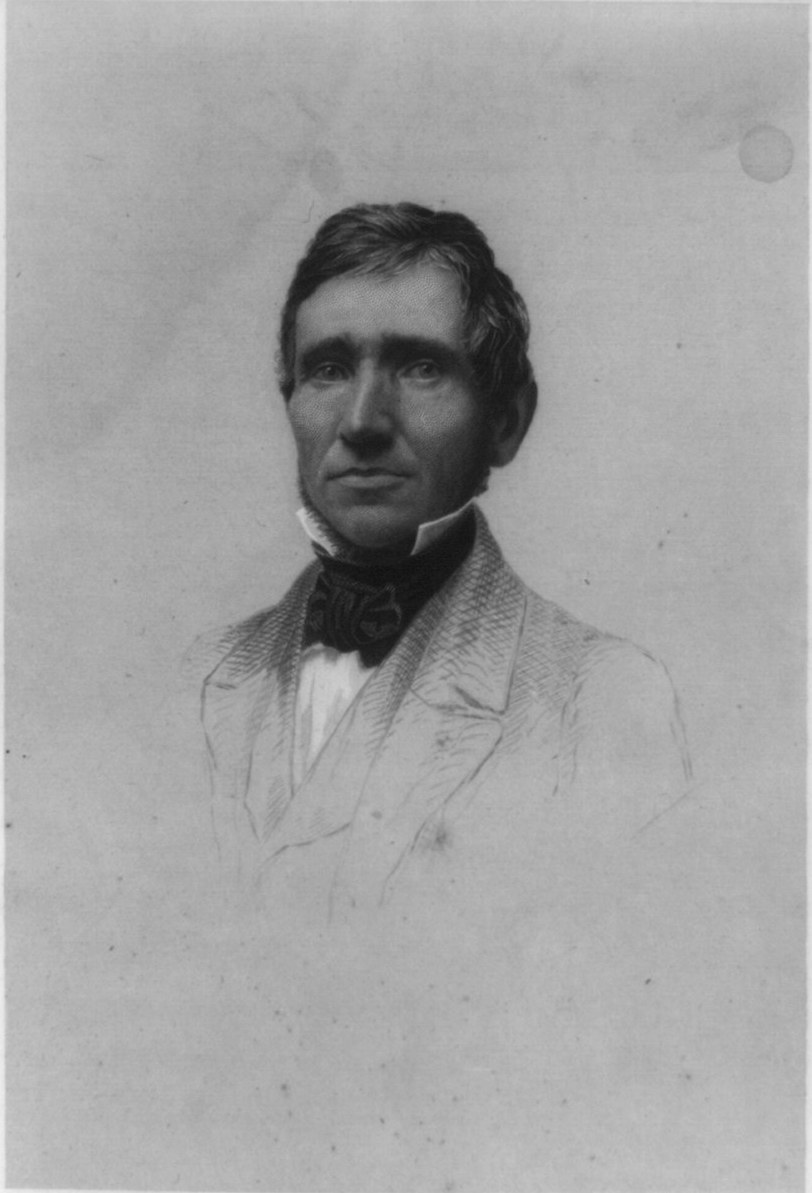

William G. Jackman, 'Charles Goodyear', engraving, published by D. Appleton & Co., New York (date not recorded on the Library of Congress caption card; a nineteenth-century print); Library of Congress Prints and Photographs Division, record reads 'No known restrictions on publication' · Library of Congress Prints and Photographs Division, BIOG FILE - Goodyear, Charles (reproduction numbers LC-USZ6-7162 and LC-USZ6-57), engraving by W. G. Jackman published by D. Appleton & Co., New York, via Wikimedia Commons 'Charles Goodyear LCCN2002717061.jpg'; plate cropped to the engraved portrait (blank caption margins removed) · Public domain
발명가 · 19세기
찰스 굿이어
1800–1860
주요 업적 분야
아직 성격 매칭에 포함되지 않았습니다 — 기록된 근거가 성격 모델 전체를 다루기에는 충분하지 않습니다. 이 페이지의 다른 모든 내용은 자유롭게 확인하실 수 있습니다.
핵심 특성
주요 업적
굿이어는 인도고무를 황과 함께 가열해 더위에 녹지 않고 추위에 굳지 않게 만드는 가황법을 개발했다. 전기 작가들은 핵심 관찰을 1839년 겨울에서 봄 사이로 보는데, 매사추세츠주 우번에서 고무와 황을 섞은 덩어리가 뜨거운 난로에 닿았을 때 녹지 않고 가죽처럼 탄 일이다. 이 장면은 기록마다 세부가 다르며, 굿이어 자신은 우연이 아니라 면밀한 관찰의 결과라고 말했다. 알맞은 배합과 온도를 찾는 데는 그 뒤로도 여러 해가 걸렸고, 미국 특허는 1844년 6월 15일에 발급되었다.
굿이어는 이 공정으로 특허를 받아 제조업자들에게 사용권을 내주었고, 새 소재의 용도를 개발했다. 섬유를 섞은 고무 천, 신발, 고무줄을 넣은 직물 제품, 빗 같은 물건을 만드는 경질 고무가 그것이다. 피어스는 파턴을 인용해 1865년에 미국 제조업자들이 고무 신발을 해마다 약 150만 켤레 만들었다고 전한다. 그는 1851년 런던 만국박람회에 경질 고무 가구를 포함한 고무 제품을 전시관을 꾸며 선보였다.
굿이어의 특허는 법정에서 시험대에 올랐다. 1852년 굿이어 대 데이 소송에서는 대니얼 웹스터가 굿이어를, 러퍼스 초트가 피고를 변론했고, 그리어 판사는 다른 사람들도 황과 열을 써 보았지만 완성한 것은 없었다고 보고 굿이어를 가황 공정의 최초 발명자로 인정했다. 영국에서는 1843년 11월 21일에 봉인된 토머스 핸콕의 특허가 유효하다고 판단되었고, 1844년 1월 30일자 굿이어의 영국 특허는 같은 지위를 얻지 못했다.
삶의 장면들
1838년 굿이어는 우번의 옛 고무 공장 직공장 너새니얼 헤이워드를 만났다. 헤이워드는 고무에 황을 조금 넣어 말렸고, 그 방법이 꿈에서 떠올랐다고 말했다. 파턴에 따르면 굿이어는 황이 자신의 질산 공정과 같은 결과를 내는 것을 보았지만, 두 방법의 화학이 같다는 것은 처음에는 깨닫지 못했다. 그는 그리어 판사가 1839년 2월 24일자로 기록한 헤이워드의 특허를 사들이고 그를 고용했다.
다른 사람이 주목하지 않던 공정을 자신의 결과와 연결해 권리를 사들인 일은 기회 포착과 부합한다. 다만 사료는 그가 아직 원리를 이해하지 못했다고 전하므로, 이는 설명이 아니라 신호를 보고 움직인 사례다. 기회 감지
난로에서의 관찰 뒤 굿이어는 열과 시간이 혼합물에 어떤 영향을 주는지 시험했다. 이후 특허 재판에서 증언한 사람들은, 파턴이 인용한 바에 따르면, 그가 아내의 오븐에 한 시간, 세 시간, 여섯 시간씩 고무를 구워 보고 시료를 끓이고 뜨거운 모래에 묻었으며, 공장 직공장들에게 퇴근 뒤 오븐을 쓰게 해 달라고 부탁했다고 말했다. 알맞은 오븐이 없자 그는 가족과 함께 공장 마당에 벽돌 오븐을 쌓고, 석공에게 자신의 고무 천으로 만든 앞치마를 대가로 주었다.
배치마다 시간, 온도, 배합을 바꿔 보고 직접 장치를 만든 일은 실험 정신과 부합한다. 세부 내용은 재판 증인의 증언을 전기 작가들이 옮긴 것이다. 실험 성향
전환점
굿이어는 정부로부터 고무 우편 가방 150개를 주문받았고, 이 주문을 공개해 질산 공정의 성능을 입증하려 했다. 가방은 여름 동안 공장에 걸려 있다가 물러지며 손잡이에서 떨어지기 시작했는데, 처리가 표면만 경화시켰기 때문이다. 피어스는 굿이어가 섞어 넣은 납과 착색제를 원인으로 보았다고 전한다. 이 실패로 사업은 끝났고, 친구들과 가족은 실험을 그만두라고 권했다. 그러나 그는 황을 쓴 실험을 이어 갔고, 그것이 1839년의 관찰로 이어졌다.
공개적인 실패와 그만두라는 권유 뒤에도 황 실험을 이어 간 일은 끈기와 부합한다. 두 전기는 실패의 원인을 다르게 설명하며, 둘 다 상당 부분 굿이어 자신의 서술에 의존한다. 끈기
비슷한 인물
전체적인 프로필이 이 사람과 닮은 사람들이에요.
출처
- Charles Goodyear (Q207667) -- verified live via wbgetentities (2026-10-08): en label 'Charles Goodyear', description 'American inventor (1800-1860)', P569 29 Dec 1800, P570 1 Jul 1860, citizenship United States, ko label '찰스 굿이어'. Orientation only; not used as support for any row.
- James Parton, 'Charles Goodyear', in Famous Americans of Recent Times (Boston: Ticknor and Fields, 1867), Internet Archive full text (famousamericans00partrich) -- chapter by an independent journalist-biographer, admiring in tone; built from Goodyear's own book on gum-elastic and from the sworn testimony in the patent trials (it quotes the trial witnesses directly). Read in full locally. Its framing of his devotion is evaluative and is not used as evidence; dated actions and the quoted witness testimony are.
- Bradford K. Peirce, Trials of an Inventor: Life and Discoveries of Charles Goodyear (New York: Carlton & Porter, 1866), Internet Archive full text (trialsofinventor00peiriala) -- a Methodist minister's devotional biography written with the family's help, quoting Goodyear's own writings, Parton, trial testimony and recollections of his daughter and private secretary; sympathetic and religious in framing and therefore insider-leaning. Read locally: chapters on the rubber industry before 1834, the experiments of 1834-44, the patent and licences, the Great Exhibition 1851 and the Paris Exposition 1855. Its praise and providential language are not used as evidence.
- Decision in the Great India Rubber Case of Charles Goodyear vs. Horace H. Day, delivered by Judge Grier, U.S. Circuit Court, District of New Jersey, 28 September 1852 (New York, 1852), Internet Archive full text (decisioningreati00unit) -- adjudicative opinion after about a hundred witnesses and argument by Daniel Webster and James T. Brady for Goodyear and Rufus Choate and Francis B. Cutting for the defendant. Read: statement of the patents, the findings on prior experimenters, abandonment and the English Hancock patent.
- Extension of the Goodyear Patent: Decision of the Commissioner of Patents, Joseph Holt, 14 June 1858 (U.S. Patent Office pamphlet), Internet Archive full text (extensionofgoody00unit) -- official decision on Goodyear's petition to extend his 1844 patent, summarizing sworn evidence on his experiments, his accounts, the 1855 Paris awards and the infringement litigation; the Commissioner's rhetoric is strongly sympathetic, so only its factual findings and the accounts it records are used. Read in part.
- Thomas Hancock, Personal Narrative of the Origin and Progress of the Caoutchouc or India-Rubber Manufacture in England (London: Longman, 1857), Internet Archive full text (personalnarrativ57hanc) -- RIVAL account by the English patentee of vulcanization. Read locally: the autumn-1842 sample from the American agent via William Brockedon, his own experiments, the patent sealed 21 November 1843, and the naming of 'vulcanization'. The OCR text does not name Goodyear at all; it is used only to date the English side of the priority dispute and the state of knowledge in Britain.
- Leonard M. Fanning, 'Charles Goodyear: Father of the Rubber Industry' (booklet, Mercer Publishing Company for General Motors, 1955), Internet Archive text (goodyearfatherrubberindustry) -- short corporate-sponsored popular biography, read in full; it flags that one version of the 1839 stove story is unconfirmed and that critics called the invention pure accident while Goodyear said it came from close observation. Used only to corroborate the 1851 exhibition outlay and the variant tellings; not used as sole support for any row.