Warren Buffett
95% Profile Match

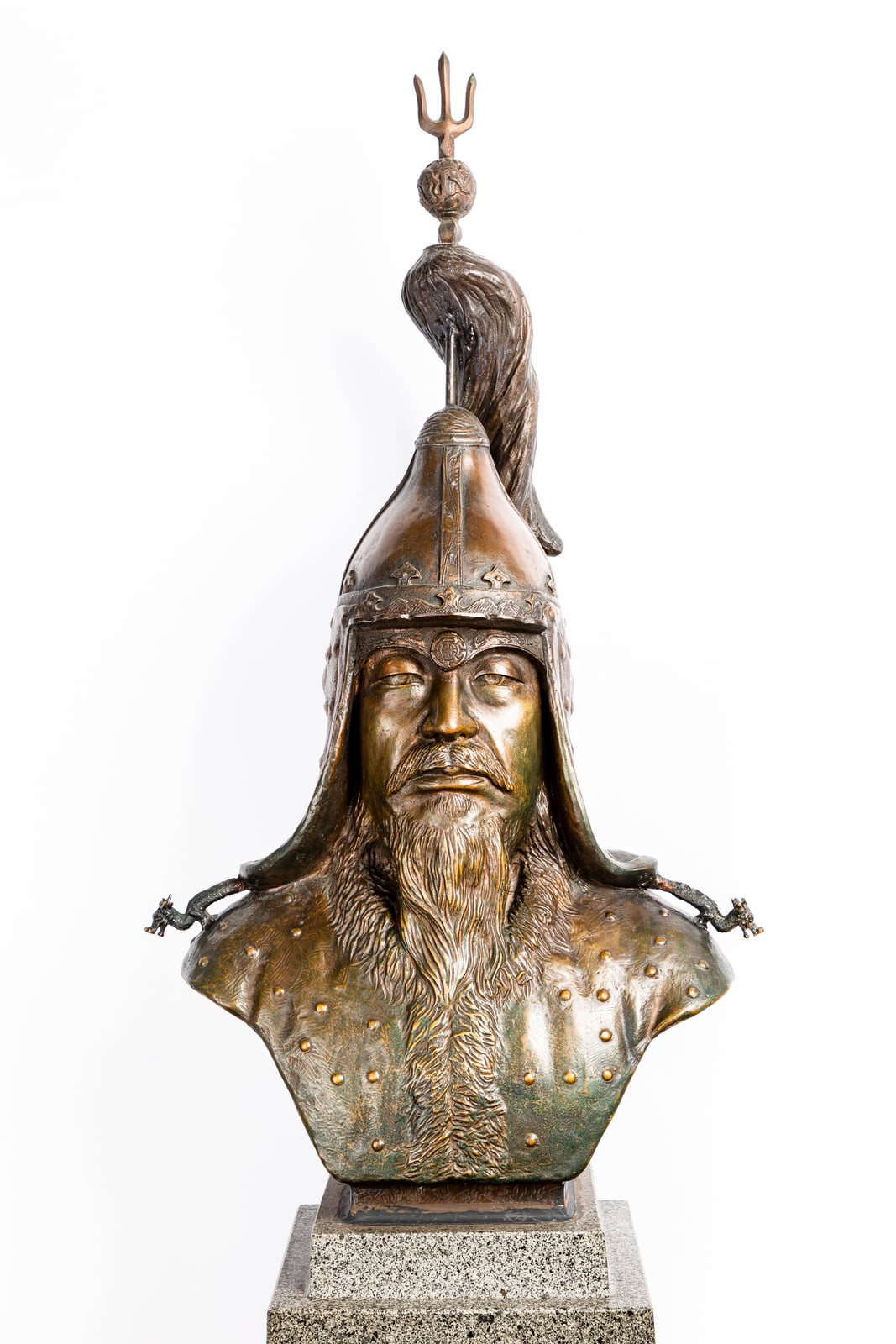
Traditional portrait attributed to Wu Daozi, Tang Dynasty (c. 8th century) — an idealized historical depiction, not a lifetime likeness · Wikimedia Commons · Public Domain
c. 551 BCE — Born c. 551 BCE in the state of Lu (present-day Qufu, Shandong); his father died when he was three, and he was raised in modest circumstances by his mother.
c. 501 BCE — Held a series of official posts in Lu, reportedly rising to Minister of Crime.
c. 497 BCE — Left Lu around 497 BCE after his political proposals went unadopted, beginning more than a decade traveling among neighboring states.
c. 484–479 BCE — Returned to Lu in his later years and devoted himself to teaching until his death, c. 479 BCE.
After 479 BCE — After his death, his sayings were compiled by disciples as the Analects; from around 140 BCE, ideas developed under his name became the Han dynasty's official state philosophy.
Pioneered a form of private teaching explicitly open beyond hereditary aristocratic status, organized around the traditional Six Arts, to students tradition puts in the thousands — a documented departure, in his own lifetime, from an ethos in which formal education had been reserved for the nobility.
During a decade or more spent traveling among neighboring states after leaving Lu, tradition holds that he and his followers were once cut off from food between the states of Chen and Cai; later accounts describe Confucius treating the episode as a test of a follower's constancy rather than grounds to abandon his teaching, though the story is known mainly through retellings compiled well after his death rather than a contemporary record.
According to the Analects — compiled by his disciples after his death, not during his lifetime — Confucius described his own role as "a transmitter, not a maker," positioning himself as preserving inherited wisdom rather than originating new doctrine.
Beginning under the Han dynasty and, with interruptions, continuing into the early twentieth century, ideas compiled and elaborated under Confucius's name — substantially the work of Han-dynasty compilers and later interpreters such as Zhu Xi, built on texts assembled long after his death — became imperial China's official state philosophy and the basis of its civil-service examination system, shaping social and political life across East Asia for two millennia. How much of that later tradition reflects Confucius's own recorded teaching, as opposed to subsequent political and philosophical elaboration, remains debated by historians, and the same institutionalized tradition was itself later blamed, notably during 20th-century China's Cultural Revolution, for entrenching rigid social hierarchy — a charge aimed at the later imperial institution built in his name, not at his own attested teaching directly. Whatever that distance, Confucius is credited with founding one of the most durable strands of ethical and political thought in world history.
People whose overall profiles resemble theirs.