
Abraham Lincoln
89% Profile Match
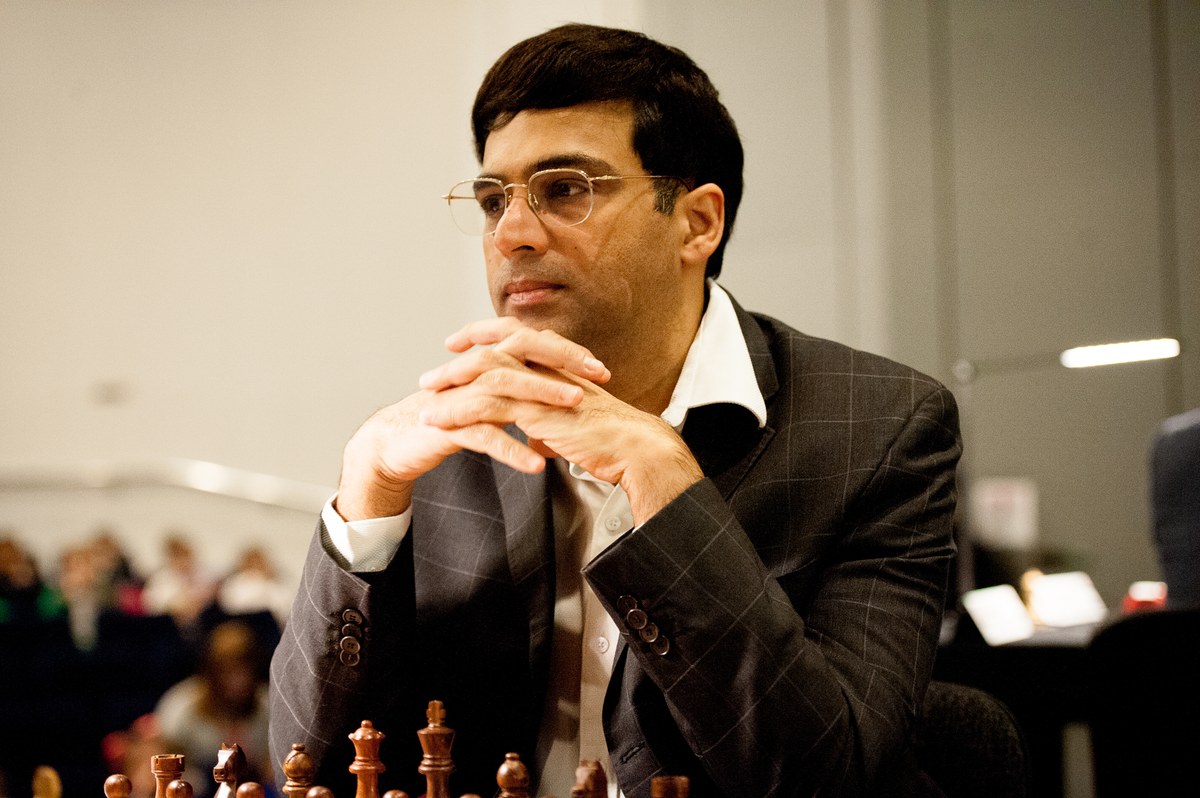
Photo: Wolfgang Jekel, London Chess Classic 2016, CC BY 2.0, resized from the original · Wikimedia Commons file from Wolfgang Jekel's Flickr photo of the London Chess Classic 2016, checked against the live Flickr page; downscaled from 4256 x 2832 pixels to 1200 x 798 with no cropping · CC BY 2.0
athlete · Contemporary
b. 1969
Not yet included in personality matching — the documented evidence doesn't yet cover enough of the personality model. Everything else on this page is fully available.
Won the FIDE world championship in 2000 and the undisputed world title in 2007, then defended it against Kramnik (2008), Topalov (2010) and Gelfand (2012) before losing to Magnus Carlsen in 2013.
Became a grandmaster in 1988 and a leading international player from 1990; ChessBase credits him with keeping India at the top of world chess for about 25 years.
After losing the title in 2013 he won the 2014 Candidates tournament at 44 and played Carlsen again in Sochi; since December 2020 he has been chief mentor of the WestBridge Anand Chess Academy for young Indian players.
In the 2013 title match against Carlsen, one ChessBase retrospective says he kept opening with 1.e4 without gaining an advantage and switched to 1.d4 only in game nine.
This is consistent with an approach that was slow to change course under pressure, according to one commentator. Adaptability
After Gukesh lost a game at the 2022 Olympiad, Anand shared examples from his own games about knowing when to stop, and he writes quarterly reports on each academy player.
This is consistent with sustained, practical effort to develop younger players. Impact Motivation
After losing the world title to Carlsen in Chennai in November 2013, critics called him too timid and too old; he entered the 2014 Candidates and won it undefeated with a round to spare.
This is consistent with a capacity to return to the top after a heavy public defeat. Persistence
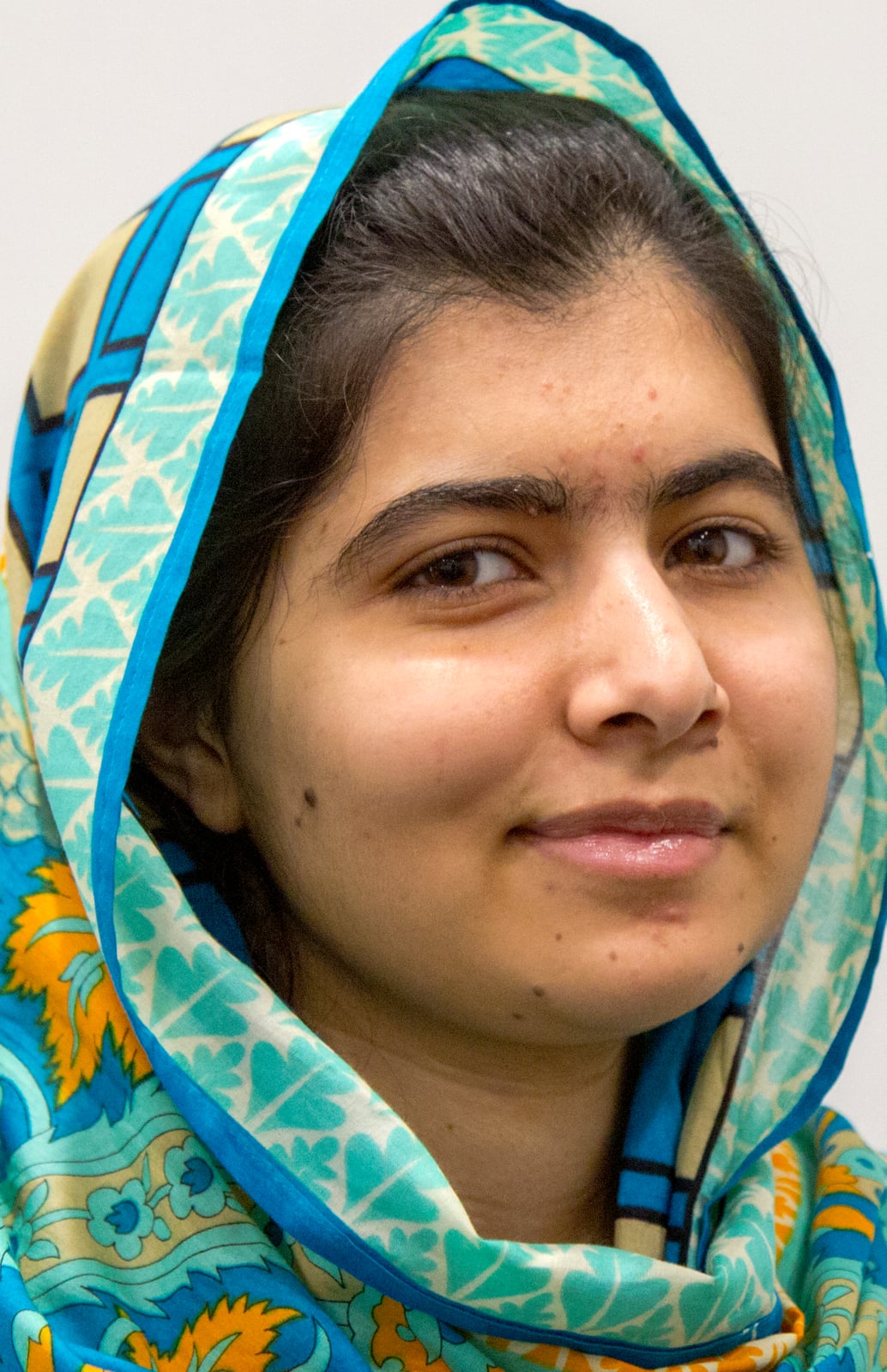
People whose overall profiles resemble theirs.



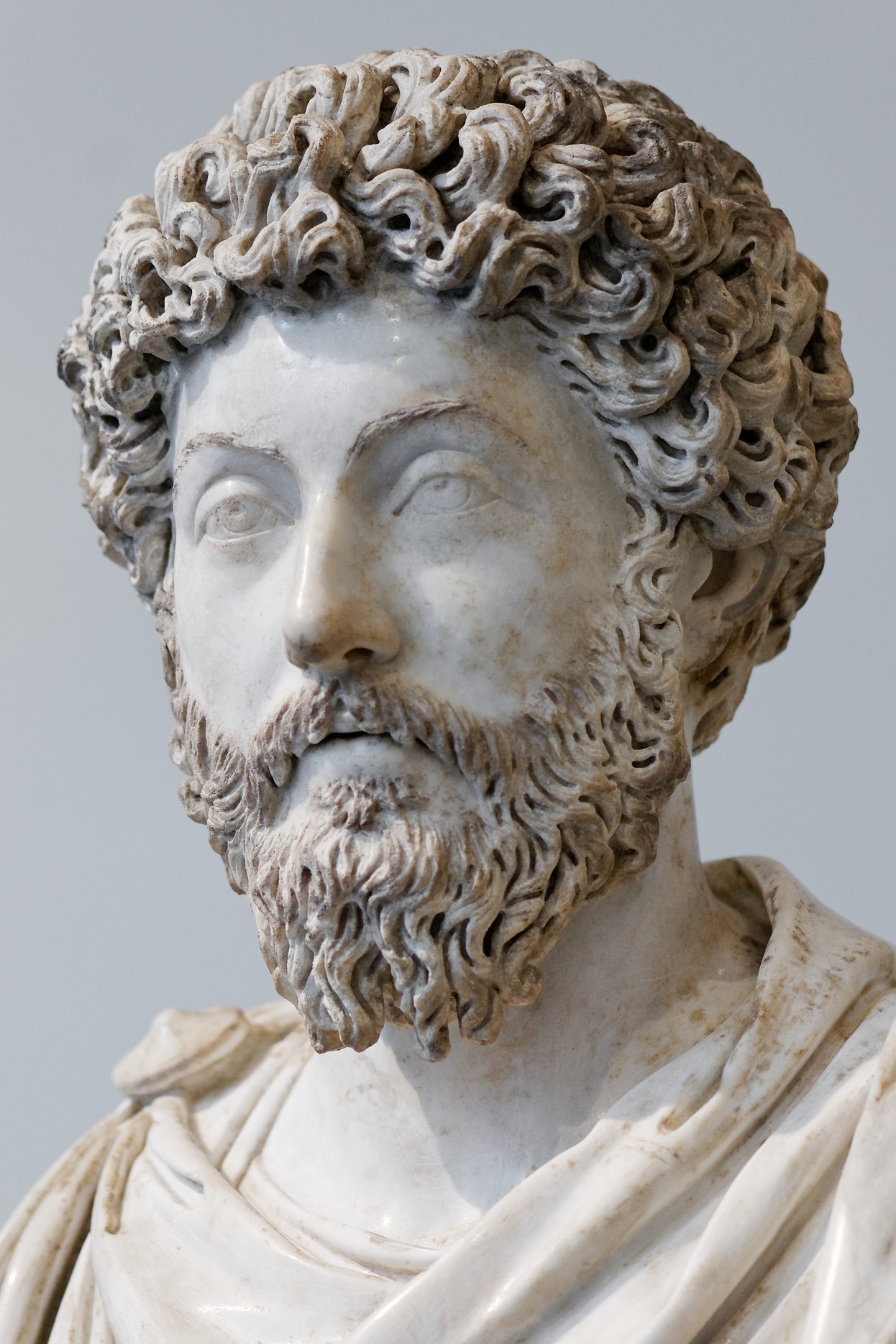
Not a rival — a different profile shape worth a look.
