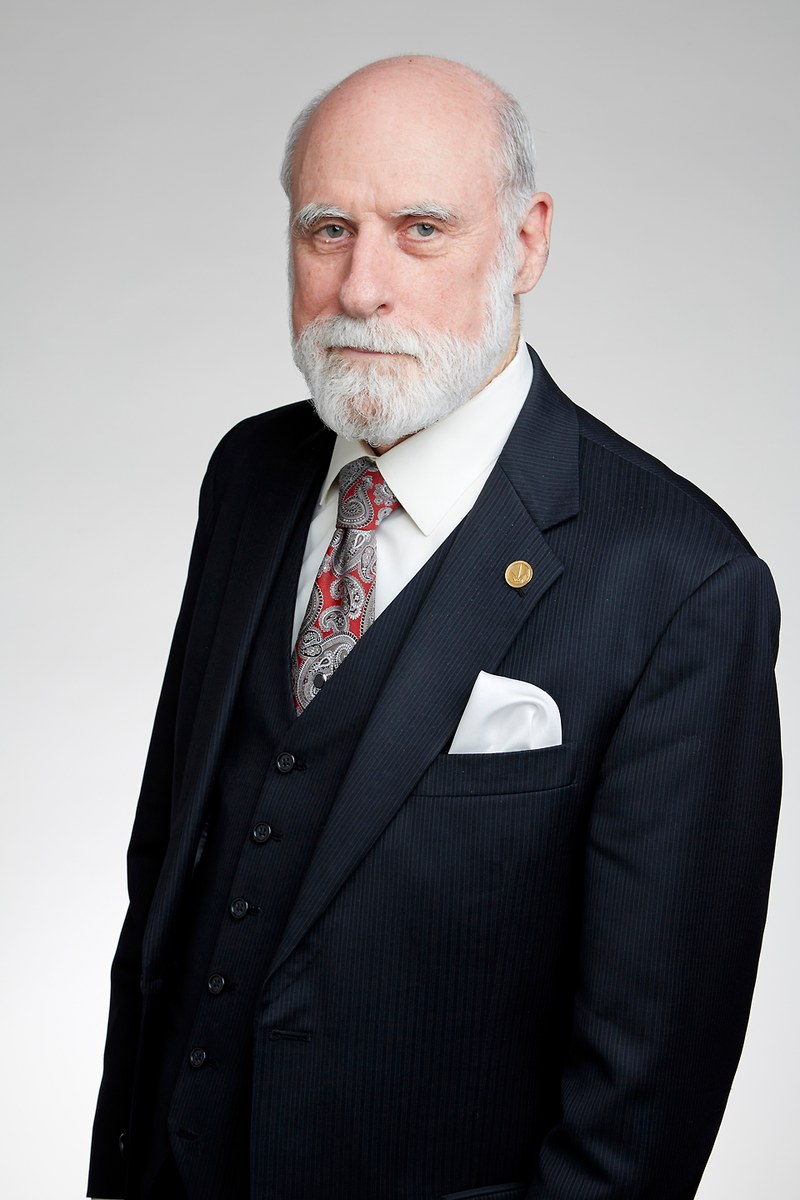
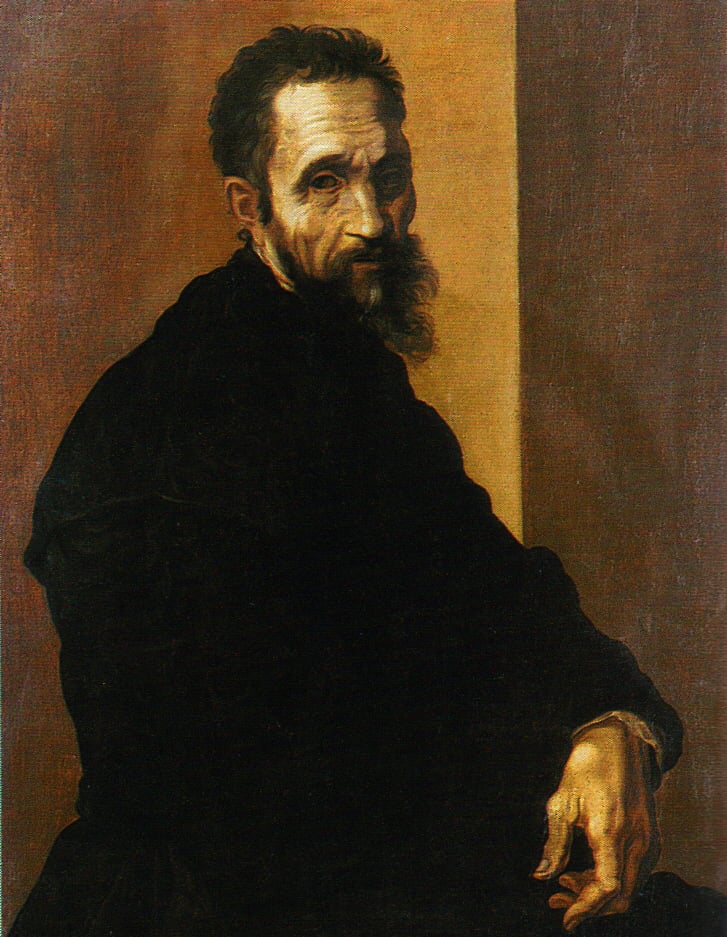
Photo: Duncan Hull / The Royal Society, 15 July 2016, CC BY-SA 4.0, downscaled from the original · Wikimedia Commons, 'Dr Vint Cerf ForMemRS.jpg' -- portrait photograph by Duncan Hull taken 15 July 2016 for the Royal Society (credit 'The Royal Society'; Royal Society-WMUK collaboration upload), with a Wikimedia VRT permission notice (ticket 2014062710019796) and CC BY-SA 4.0 licence tag (the file summary also shows CC BY-SA 3.0); Commons file 960 x 1440 pixels, downscaled once to 800 x 1200 (never upscaled). · CC BY-SA 4.0
computer scientist · Contemporary
Vint Cerf
b. 1943
Known For
Not yet included in personality matching — the documented evidence doesn't yet cover enough of the personality model. Everything else on this page is fully available.
Trait Constellation
Key Achievements
With Robert Kahn he co-authored the 1974 paper 'A Protocol for Packet Network Intercommunication', which described TCP linking multiple packet-switched networks; TCP was later split into TCP and IP.
TCP/IP became required on ARPANET on 1 January 1983, and in 2004 he and Kahn received the Turing Award for pioneering work on internetworking, including the design and implementation of TCP/IP.
He served as president of the Internet Society (1992-95) and chaired ICANN, which oversees the Internet's naming and addressing, from 2000 to 2007.
Moments That Reveal Them
Asked about his role, he said a lot of people contributed to the creation of the Internet, and the IEEE milestone entry likewise describes the work as a collaboration among many contributors.
This is consistent with sharing credit for a joint effort instead of claiming it alone. Collaboration
As ICANN chairman, the organisation's CEO said, he could explain how the Internet works to sceptical officials, and his humour and gravitas were credited with helping it through difficult battles.
This is consistent with explaining technical matters in a way that wins over doubtful listeners. Persuasiveness
Turning Points
In 1998 he met a JPL team to plan an interplanetary network after concluding that standard Internet protocols fail over interplanetary distances, which led to the delay-tolerant bundle protocols introduced in 2003.
This is consistent with recognising where his own earlier design reaches its limit and developing a different approach. Belief Updating
Similar People
People whose overall profiles resemble theirs.

Niels Bohr

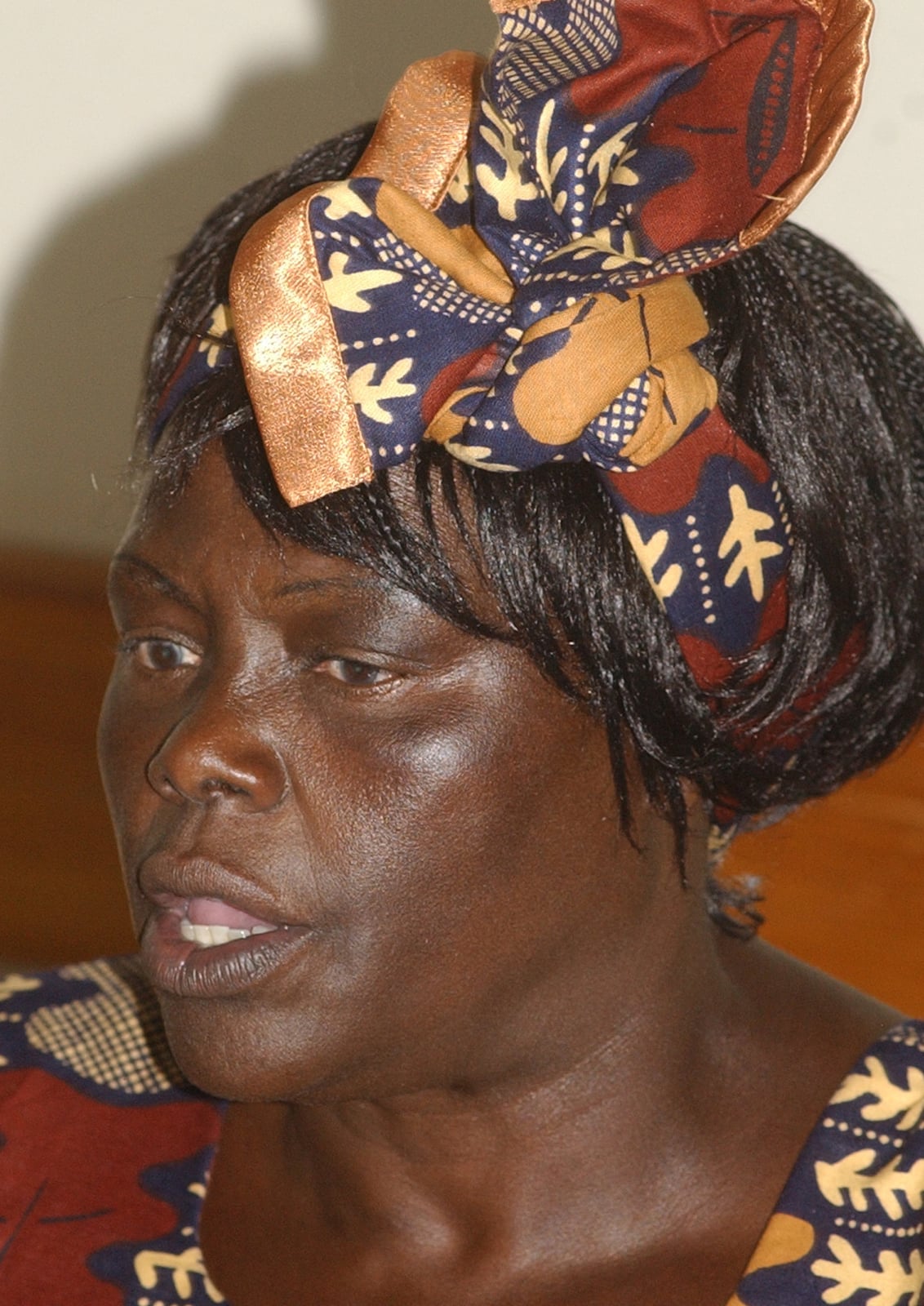
Wangari Maathai

Ernest Shackleton

Mahatma Gandhi

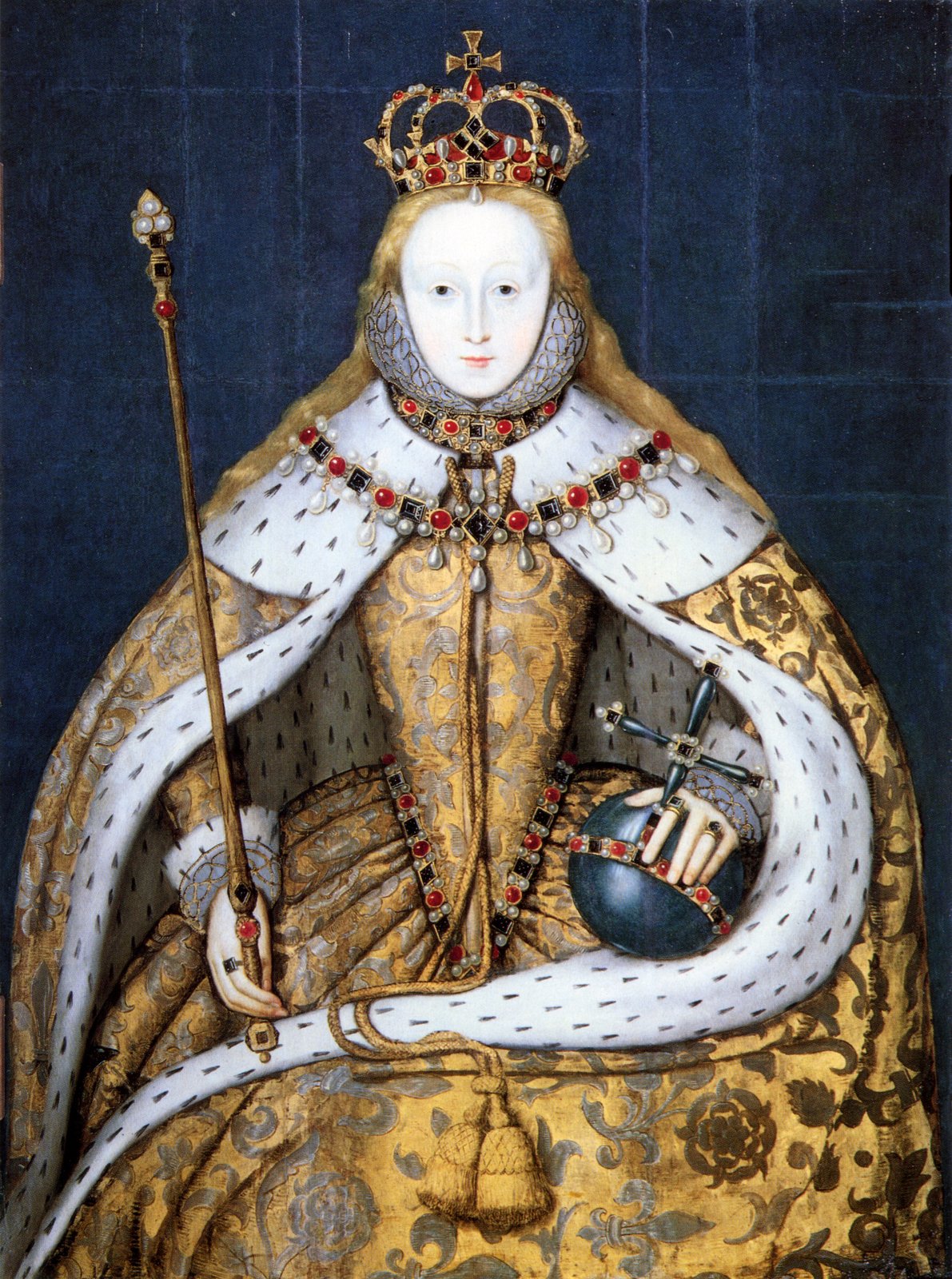
Elizabeth I of England
Sources
- Vint Cerf (Q92743) -- verified live via the Wikidata API (2026-10-11): English label 'Vint Cerf', description 'American computer scientist (born 1943)', born 23 June 1943, no date of death, citizenship United States, Korean label present. Orientation only; not used as support for any row.
- IEEE Milestones (Engineering and Technology History Wiki), 'Transmission Control Protocol (TCP) Enables the Internet, 1974', dedicated 20 May 2024 at Stanford -- IEEE milestone entry crediting Vinton Cerf and Robert Kahn as co-authors of the 1974 paper 'A Protocol for Packet Network Intercommunication', which described TCP linking multiple packet-switched networks; TCP was later split into TCP and IP, and TCP/IP was required on ARPANET on 1 January 1983. States that the work was the product of collaboration among many contributors. CANONICAL SIGNIFICANCE SOURCE (professional-society history of the contribution; honouring in tone, so not used for any behavioural row). Read in full.
- Lemelson-MIT, 'Vinton Cerf' biography -- institutional biography: born 1943, Stanford mathematics degree and UCLA computer science master's and doctorate, Stanford assistant professor 1972-76, DARPA 1973-82 funding TCP/IP, packet radio and packet satellite groups, MCI Mail, Corporation for National Research Initiatives, Google from 2005, Jet Propulsion Laboratory interplanetary-internet work, ICANN chairman 2000-2007 and Internet Society president 1992-95, and honours including the 1997 National Medal of Technology, 2012 Internet Hall of Fame and 2013 Queen Elizabeth Prize for Engineering. Honouring institutional biography with no working-style description. Read in full.
- Heidelberg Laureate Forum, 'Vinton Gray Cerf' laureate page -- gives the 2004 ACM A.M. Turing Award, shared with Robert E. Kahn, 'for pioneering work on internetworking, including the design and implementation of the Internet's basic communications protocols, TCP/IP, and for inspired leadership in networking'. Brief institutional page used only to confirm the award and its citation (the ACM's own page returned HTTP 403). Read in full.
- Juan Carlos Perez, 'ICANN faces major transition with Cerf's departure', Network World, 29 June 2007 -- trade-press assessment of Cerf's tenure as ICANN chairman (board from 1999, chairman from 2000, leaving in October 2007 under term limits): consensus-building through early crises, political skill (Mark Uncapher), board stability (Milton Mueller), a registry executive saying his strong leadership sometimes led board members to vote with him even when he was wrong, and critics saying he took a very conservative approach, accepted U.S. control and let bureaucracy grow. Independent with mixed and critical voices. Read in full.
- Anick Jesdanun (Associated Press), 'A guiding force of the Internet steps down', Philadelphia Inquirer, 4 November 2007 -- wire profile of Cerf at the end of seven years as the unpaid ICANN chairman: ICANN survived power struggles and grew, ICANN CEO Paul Twomey's remark that Cerf has 'a certain star quality', can talk to anyone and explains how the Internet works to sceptical officials, his humour ('My sentence is up'), and continuing criticism that ICANN was arbitrary, secretive and slow. Independent, with a colleague's view and critical voices. Read in full.
- James Pelkey, 'A History of Computer Communications' interview page for Vint Cerf (interview recorded 8 February 1988 at CNRI, Reston), with the interviewer's summary -- describes Kahn's 1973 request that Cerf help design a host-to-host protocol interconnecting heterogeneous packet networks, the May 1974 paper, Cerf joining Kahn at ARPA's IPTO in September 1976 to manage the redesign into TCP/IP, and notes that Cerf consistently credited others and was gracious, engaging and someone people liked working with and for. Archive of an oral-history interview plus the interviewer's own appraisal, so partly self; used for collaboration only alongside other sources. The first 100,000 characters of the page were read; the last part was not.
- Susan D'Agostino, 'To Boldly Go Where No Internet Protocol Has Gone Before' (Cerf interview), Quanta Magazine, 21 October 2020 -- edited Q&A on the Interplanetary Internet: the spring 1998 meeting at JPL, Adrian Hooke pushing the idea and holding the team together, Cerf's conclusion that standard Internet protocols fail at interplanetary distances because of delay, the 2003 bundle protocols that let nodes store and forward data, building the network incrementally by reusing spacecraft, and Cerf saying 'a lot of people contributed to the creation of the internet'. The technical claims are largely Cerf's own account (self), with the interviewer's descriptions of him as playful and with 'a preacher's eagerness'. Personal health remarks in the piece were not used. Read in full.
- Brittany Sauser, 'A Better Network for Outer Space', MIT Technology Review, 27 October 2008 -- news report on the Interplanetary Internet effort led by Cerf with NASA's Jet Propulsion Laboratory and MITRE: a store-and-forward bundle protocol for delay- and disruption-tolerant networking, TCP/IP kept on planetary surfaces and inside spacecraft, reuse of existing spacecraft such as EPOXI by uploading new software, authentication between nodes and plans for a proposed international standard. Independent press reporting of plans, with Cerf quoted; it does not say whether the planned tests happened. Read in full.
- Wikimedia Commons file page 'Dr Vint Cerf ForMemRS.jpg' -- checked for the portrait's licence: photograph by Duncan Hull, 15 July 2016, credit 'The Royal Society', CC BY-SA 4.0 (the page also shows CC BY-SA 3.0 in its summary) with a Wikimedia VRT permission notice from the copyright holder. Not used for any scoring.