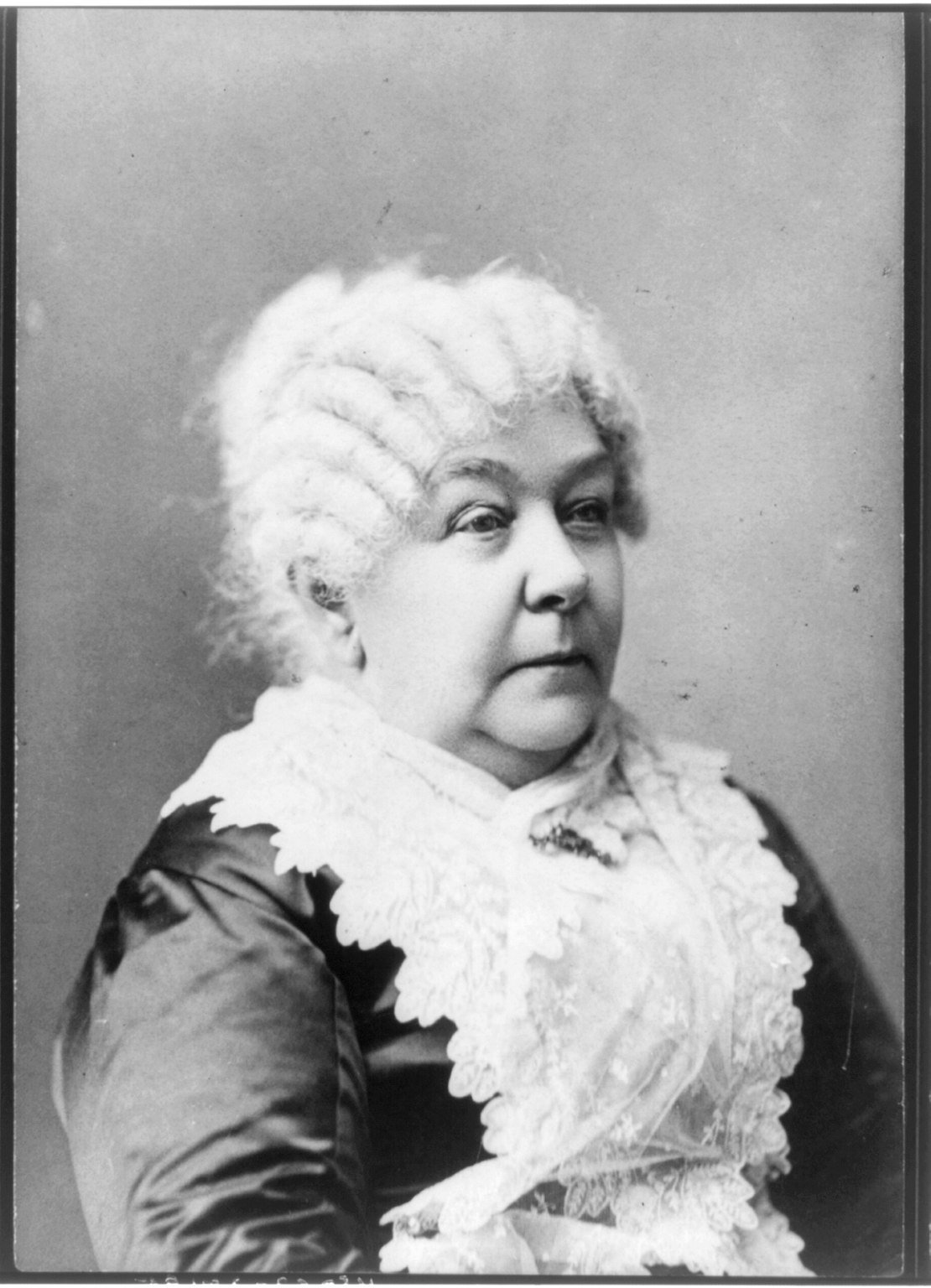
Elizabeth Cady Stanton
91% Profile Match
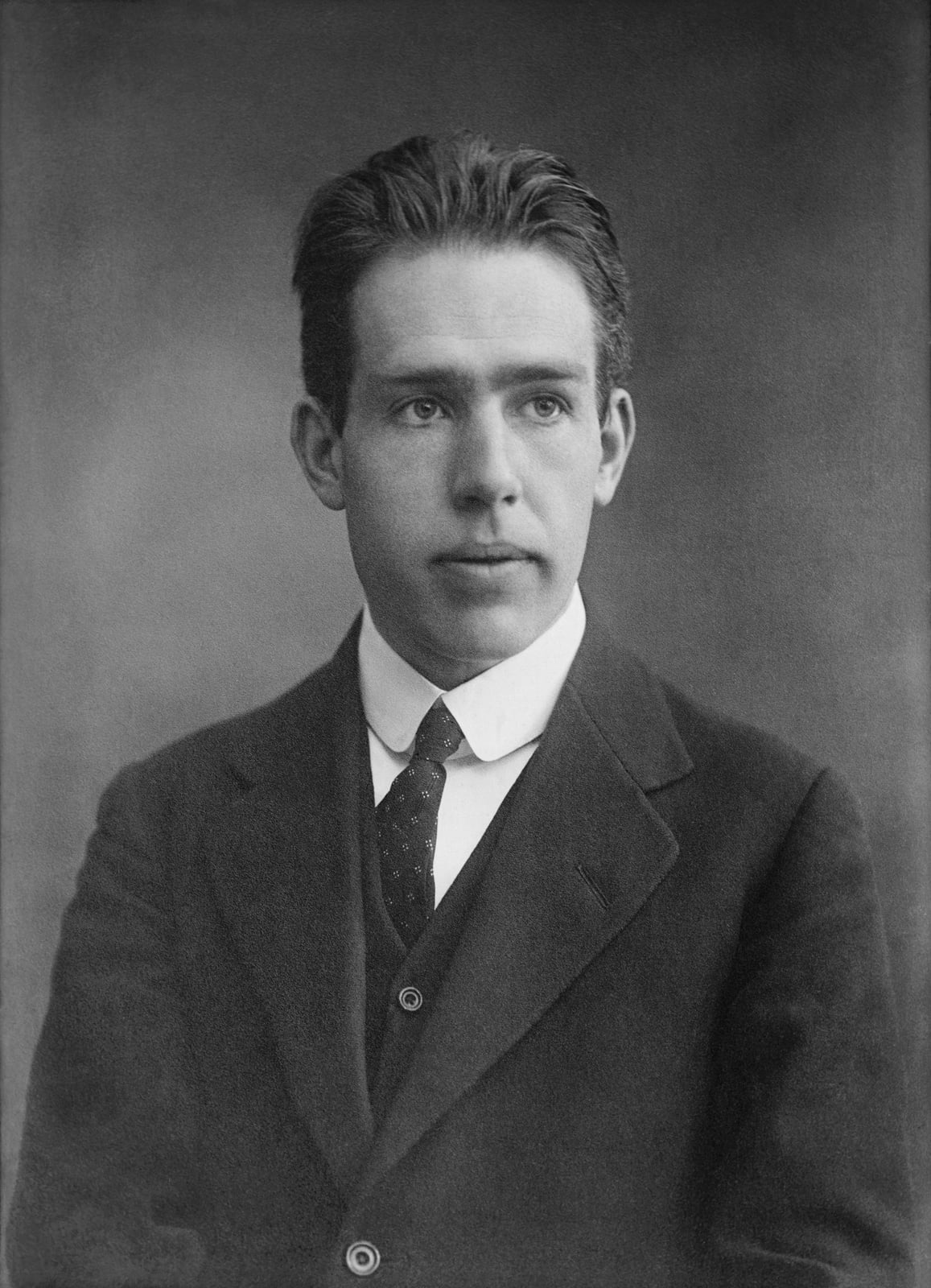
Bain News Service, c. 1910 — George Grantham Bain Collection, Library of Congress Prints and Photographs Division · Wikimedia Commons (hosted locally by this app as a resized/compressed derivative; see licenseUrl for the full-resolution original) · Public Domain (no known copyright restrictions — Library of Congress, Bain News Service)
1885 — Born.
1913 — Proposed the Bohr model of the atom, later recognized with the 1922 Nobel Prize in Physics.
1921 — Founded the Institute for Theoretical Physics in Copenhagen, drawing physicists such as Heisenberg and Pauli for extended visits.
1943 — Fled Nazi-occupied Denmark for Sweden, then Britain and the United States, where he joined the Manhattan Project.
1944 — Sent Churchill and Roosevelt a memorandum warning against an unrestrained postwar nuclear arms race.
1962 — Died.
The Bohr model of the atom and the later Copenhagen interpretation of quantum mechanics built a coherent conceptual framework reconciling classical and quantum phenomena — a genuinely novel departure from classical physics at the time, documented via its 1922 Nobel Prize citation and Abraham Pais's detailed intellectual biography.
He founded and led the Institute for Theoretical Physics in Copenhagen, now the Niels Bohr Institute, which became an international hub drawing physicists including Werner Heisenberg, Wolfgang Pauli, and Paul Dirac for extended, genuinely collaborative visits, documented via the Institute's own well-recorded history.
Pais's biography and the accounts of the physicists themselves describe a distinctive mentoring style: extended one-on-one dialogue that led a generation of visitors — Heisenberg, Pauli, and Lev Landau among others — toward their own insights rather than through direct instruction.
This is a distinctive form of persuasive influence in the profile — not direct instruction or public rhetoric, but guiding others toward conclusions they arrive at themselves, consistent with the profile's persuasiveness score. Persuasiveness
Warned of imminent arrest as Nazi occupation authorities moved against Danish Jews in 1943 — his mother was Jewish — Bohr fled Denmark for Sweden and eventually Britain and the United States, where he went on to work on the Manhattan Project.
After his wartime work on the Manhattan Project, Bohr shifted his public efforts toward restraint: in 1944 he sent a direct memorandum to both Winston Churchill and Franklin Roosevelt warning of the dangers of an unrestrained postwar nuclear arms race and arguing for international openness around nuclear science, advocacy he continued for the rest of his life.
This shift, from wartime contributor to postwar advocate for openness, is consistent with the profile's impact_motivation score, and echoes the same willingness to argue an unpopular position directly to power already visible in his decades-long public debates with Einstein over quantum theory. Impact Motivation
People whose overall profiles resemble theirs.


Not a rival — a different profile shape worth a look.