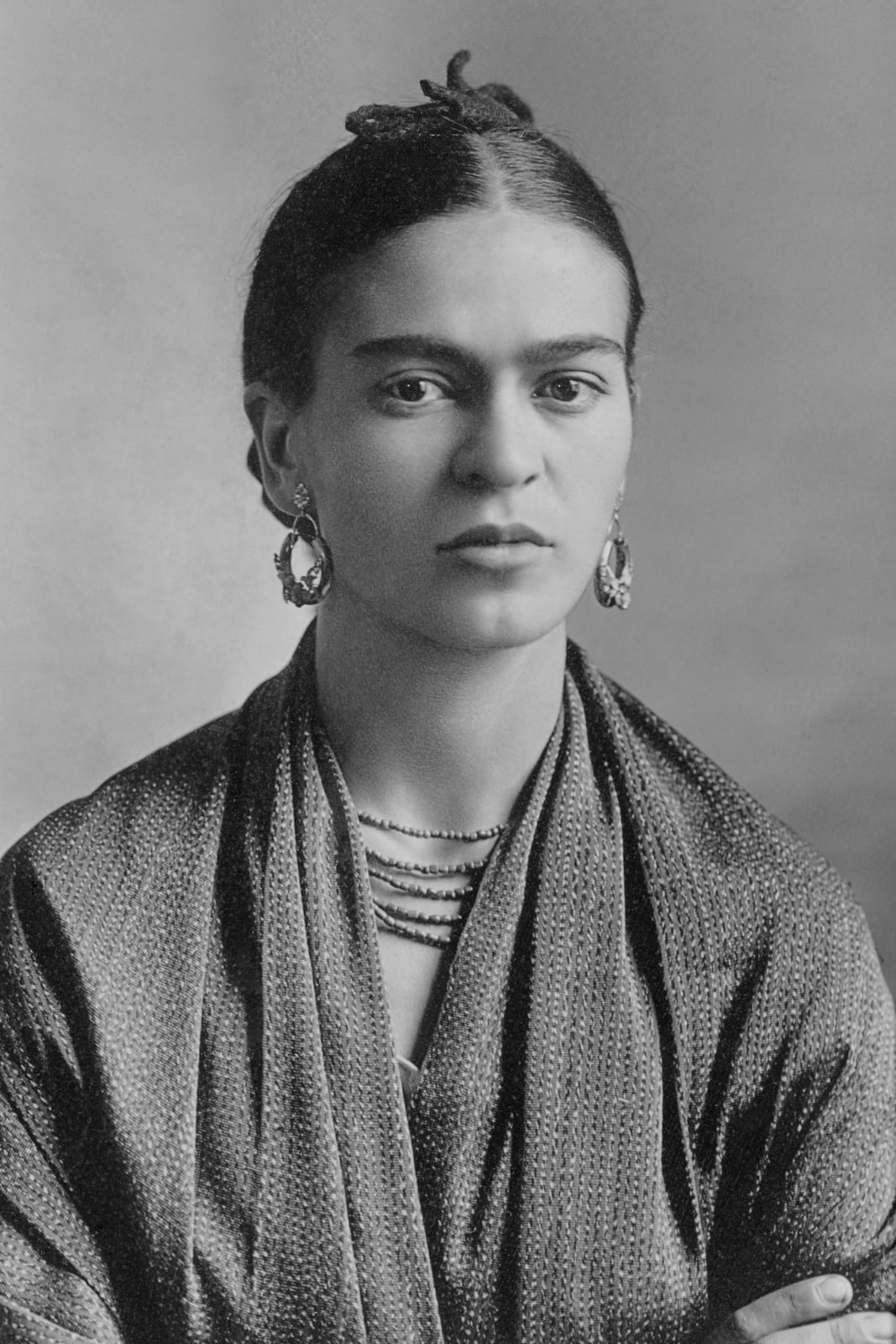
Frida Kahlo
93% Profile Match
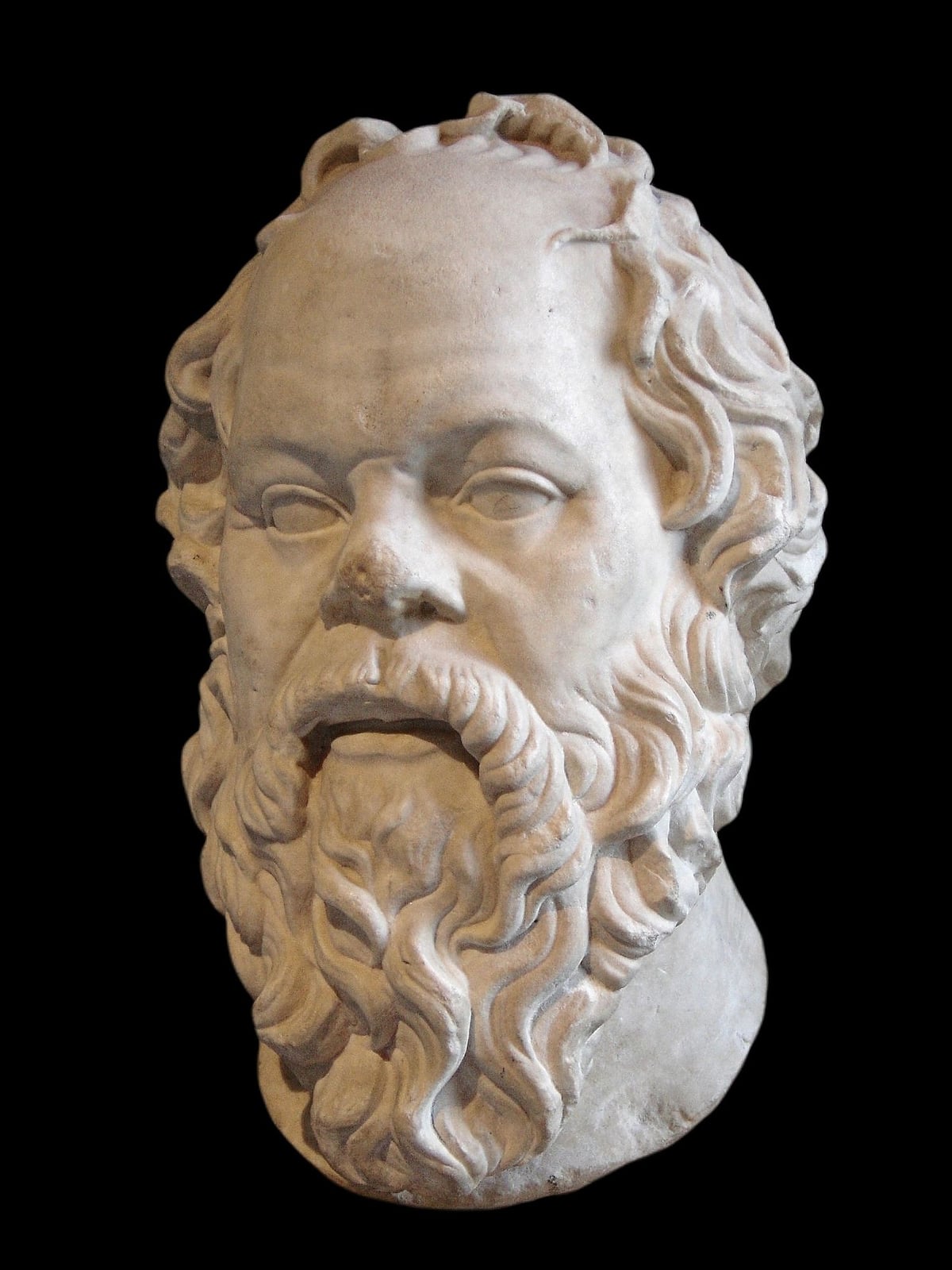
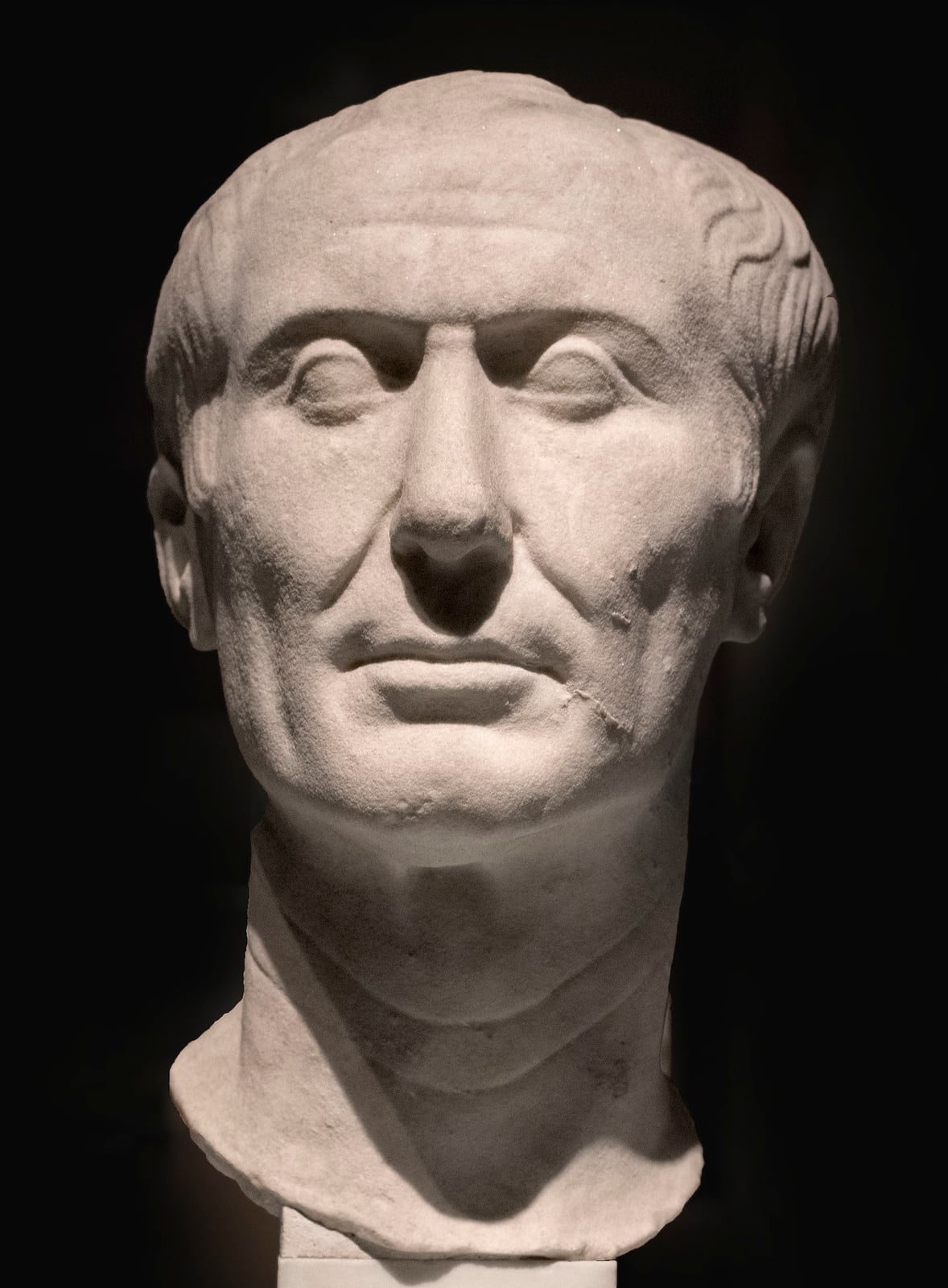
Photograph by Eric Gaba ("Sting"), 2005, CC BY-SA 2.5 — Louvre, Ma 59, a Roman-era copy (1st century AD) within the later ancient Socrates portrait tradition, not a lifetime likeness · Wikimedia Commons (resized/recompressed derivative) · CC BY-SA 2.5
c. 470 BC — Born in the Athenian deme of Alopece to a stoneworker father and a midwife mother; inherited enough of the family estate to be free of serious financial need despite his later reputation for poverty.
5th c. BC — Served in the Peloponnesian War at Potidaea, Delium, and Amphipolis, according to Plato's account; married Xanthippe and had three sons.
By his mid-40s — Had become a well-known, polarizing figure in Athens for publicly questioning politicians, poets, and craftsmen who claimed expertise.
404 BC — Refused an order from the ruling Thirty Tyrants to help arrest a fellow Athenian, Leon of Salamis, for execution.
399 BC — Tried and convicted by the restored Athenian democracy on charges of impiety and corrupting the youth.
399 BC — Executed by drinking hemlock, as described in Plato's Phaedo.
Practiced the elenchus — sustained questioning that tests a claimed expert's own stated beliefs for internal contradiction — as an open, unpaid activity conducted across the whole of Athenian society, from elite discussion partners to ordinary craftsmen, unlike the professional Sophists of his time who charged fees for instruction.
His method and manner, preserved and developed above all by his student Plato, became the founding template for the philosophical dialogue form and much of subsequent Western philosophical method — though how much of what Plato wrote reflects the historical Socrates rather than Plato's own later thought remains genuinely debated by scholars, the so-called Socratic problem.
According to Plato, Socrates served in and was noted for personal courage during three Athenian campaigns of the Peloponnesian War — Potidaea, Delium, and Amphipolis. A later tradition additionally credits him with saving the life of the young Alcibiades at Potidaea, though the article's own sourcing treats that specific detail as less certain than his service itself.
In 404 BC, under the oligarchic regime known as the Thirty Tyrants, Socrates was ordered — along with several others — to help arrest a fellow Athenian, Leon of Salamis, so that he could be executed. Plato's Apology reports that Socrates alone refused to take part, risking the regime's own retribution rather than participate in what he judged a crime.
This matches the profile's proactive_agency score: an unassigned, self-initiated refusal under real personal risk, distinct from his general practice of questioning others' beliefs. Proactive Agency
In 399 BC, an Athenian jury of several hundred citizens tried Socrates on charges of impiety and corrupting the city's youth. Plato's Apology depicts him mounting a deliberately unconventional defense — including, once convicted, proposing free meals for life at public expense as his own penalty rather than exile or silence. The jury sentenced him to death instead, and he was executed the next morning by drinking hemlock, an event Plato's Phaedo describes in more detail than modern scholarship treats as strictly reliable. The trial ended his own active practice of public questioning and began his far larger influence as a figure known almost entirely through his students' writing about him.
Nearly every major philosophical school active in the centuries after his death — Plato's Academy, Aristotle's Lyceum, the Cynics, the Stoics — traced its origins back to him in some form, and "elenchus" remains a working term for structured dialectical questioning today. Because Socrates left no writing of his own, this legacy runs almost entirely through Plato's dialogues, supplemented by Xenophon's more matter-of-fact portrait and Aristophanes's satirical one in The Clouds — a genuine, unresolved source problem rather than a settled biography. His insistence on questioning claimed authority, and his choice to accept death rather than abandon that practice, have made him a recurring reference point for later philosophers far removed from his own century, including Kierkegaard and Nietzsche.
People whose overall profiles resemble theirs.