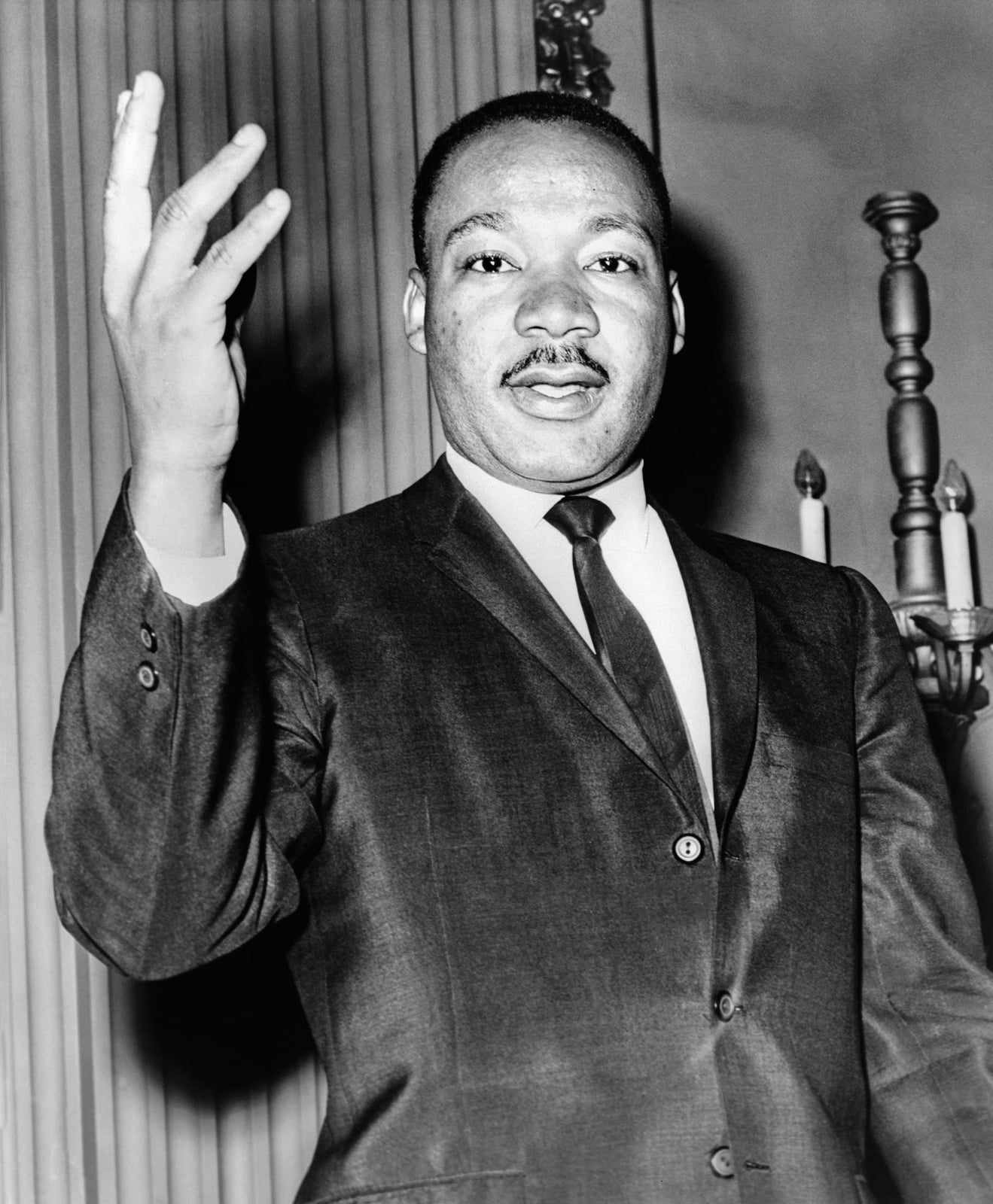
Maya Angelou
93% Profile Match
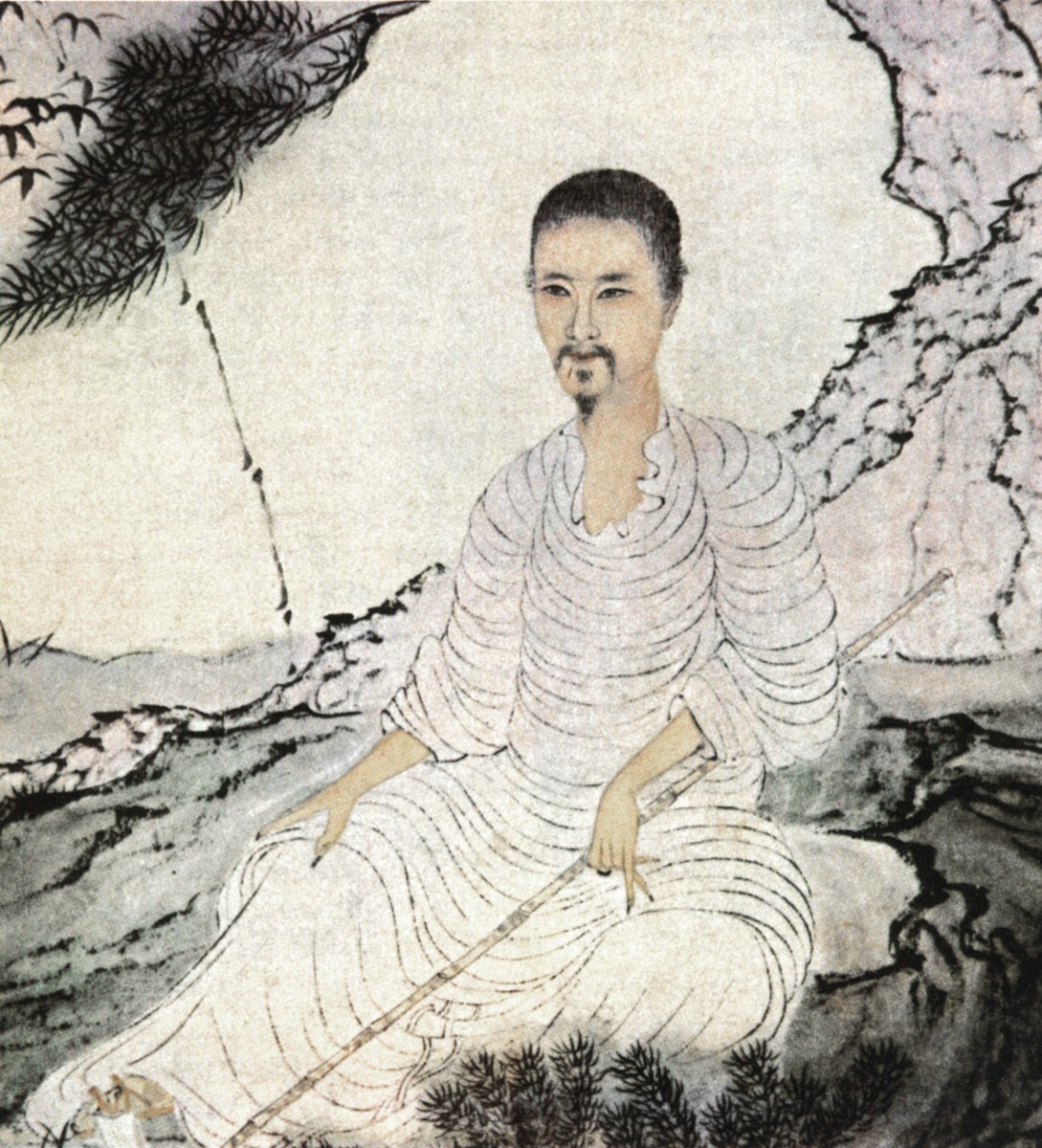
Shitao, Small Self-Portrait Planting a Tree, 1674. National Palace Museum, Taipei, public domain · Shitao, 'Small Self-Portrait Planting a Tree' (also called Master Shi Planting Pines), light-colour handscroll on paper, dated 1674 on his own inscription, National Palace Museum, Taipei (object number Zeng-hua 000114N000000000; donated by the wife of Luo Jialun). The museum catalogues the seated figure as a self-portrait of the artist when he was about thirty-three. The file is a reproduction of the figure detail (1513 x 1667) downscaled to 1089 x 1200 with no upscaling; it comes from a printed reproduction and shows print grain. The museum record offers its own images under open licences (CC0 at 1 megapixel, CC BY 4.0 at 6 megapixels); the painting itself is long out of copyright. · Public domain (a 1674 painting by an artist who died in 1707; the holder's own digital images are offered under CC0 and CC BY 4.0)
painter · Early Modern
1642–1707
Not yet included in personality matching — the documented evidence doesn't yet cover enough of the personality model. Everything else on this page is fully available.
Painter-monk of the early Qing, born Zhu Ruoji, known for landscapes, fruit and flower subjects and orchids and bamboo in free brushwork and moist ink that the National Palace Museum links to his call to create a unique style.
Wrote the painting treatise Kugua heshang huayulu (Remarks on Painting), whose opening chapter grounds painting method in a single stroke; the Draft History of Qing notes that he wrote a one-roll treatise on painting.
After 1696 settled in Yangzhou as a professional painter; a 1795 local record credits his hand with the Wanshi Garden rockery, and the Draft History of Qing ranks him with Kuncan as 'the two Shi'.
Li Dou's 1795 record of Yangzhou says that besides landscape and flower painting he was skilled at piling rockery, and that the Yu family's Wanshi Garden came from his hand and was still praised.
This is consistent with applying a painter's eye to a neighbouring craft. Cross-Domain Range
In his treatise he wrote that a painter who copies a master's manner is only eating that master's leftovers, and that 'I am I, and have my own'.
This is consistent with a stated insistence on a personal style, which is his own claim rather than an independent observation. Creative Originality
Having lived as an itinerant monk in several regions, he gave up monastic life and, according to the National Palace Museum, made a living as a professional painter, settling in Yangzhou after 1696.
This is consistent with moving from one way of life to another in order to work as an artist. Adaptability
People whose overall profiles resemble theirs.



Not a rival — a different profile shape worth a look.