Benjamin Franklin
93% Profile Match

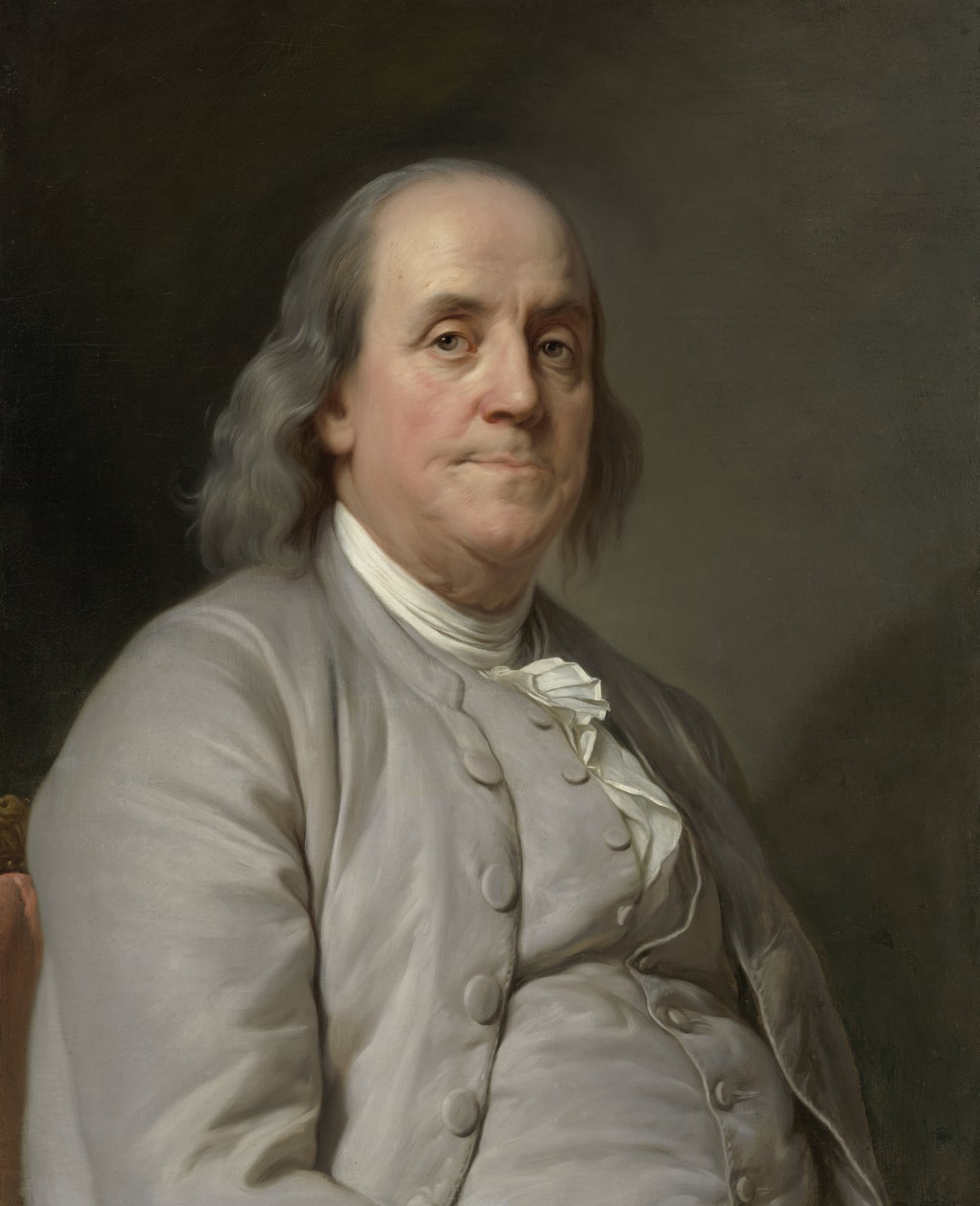
Unknown artist -- Wawel Royal Castle Museum, Krakow; photographed by Wikimedia contributor Scotch Mist, 2024 · Wikimedia Commons / Wawel Royal Castle Museum, Krakow · CC BY-SA 4.0 (photograph) / Public Domain (underlying painting)
Produced substantial surviving work across four distinct domains -- Stoic philosophy (Letters to Lucilius and other essays), tragic drama (Medea, Thyestes, and others, later shaping European Renaissance theatre), natural science (Naturales Quaestiones), and practical statecraft as Nero's advisor.
Survived eight years of exile on Corsica (41-49 CE, on adultery charges under Claudius) and rebuilt his career to become one of Rome's most powerful advisors.
Functioned as Nero's speechwriter for several years early in the reign; a number of Nero's public addresses from that period are historically attributed to Seneca's composition.
After years of remaining engaged at Nero's court, formally requested retirement and offered to return his accumulated wealth -- Tacitus records the request; Nero refused the wealth but granted the withdrawal.
Seeking independence from an increasingly compromised position, after years of remaining engaged, is the basis for the profile's autonomy_need score. Need for Autonomy
Implicated in the 65 CE Pisonian conspiracy, Tacitus's near-contemporary account describes him facing his forced suicide calmly and methodically, continuing philosophical instruction to those present.
Facing death calmly and methodically, by a reliable near-contemporary account, is the basis for the profile's decisiveness score. Decisiveness
Remained at Nero's court for years after clear warning signs of danger -- including publicly helping justify Nero's 59 CE matricide of Agrippina to the Senate -- continuing to accept proximity to increasingly dangerous power in exchange for influence, a choice that ultimately cost him his life.
Continuing to accept proximity to escalating danger in exchange for influence is the basis for the profile's risk_tolerance score. Risk Tolerance
People whose overall profiles resemble theirs.



Not a rival — a different profile shape worth a look.