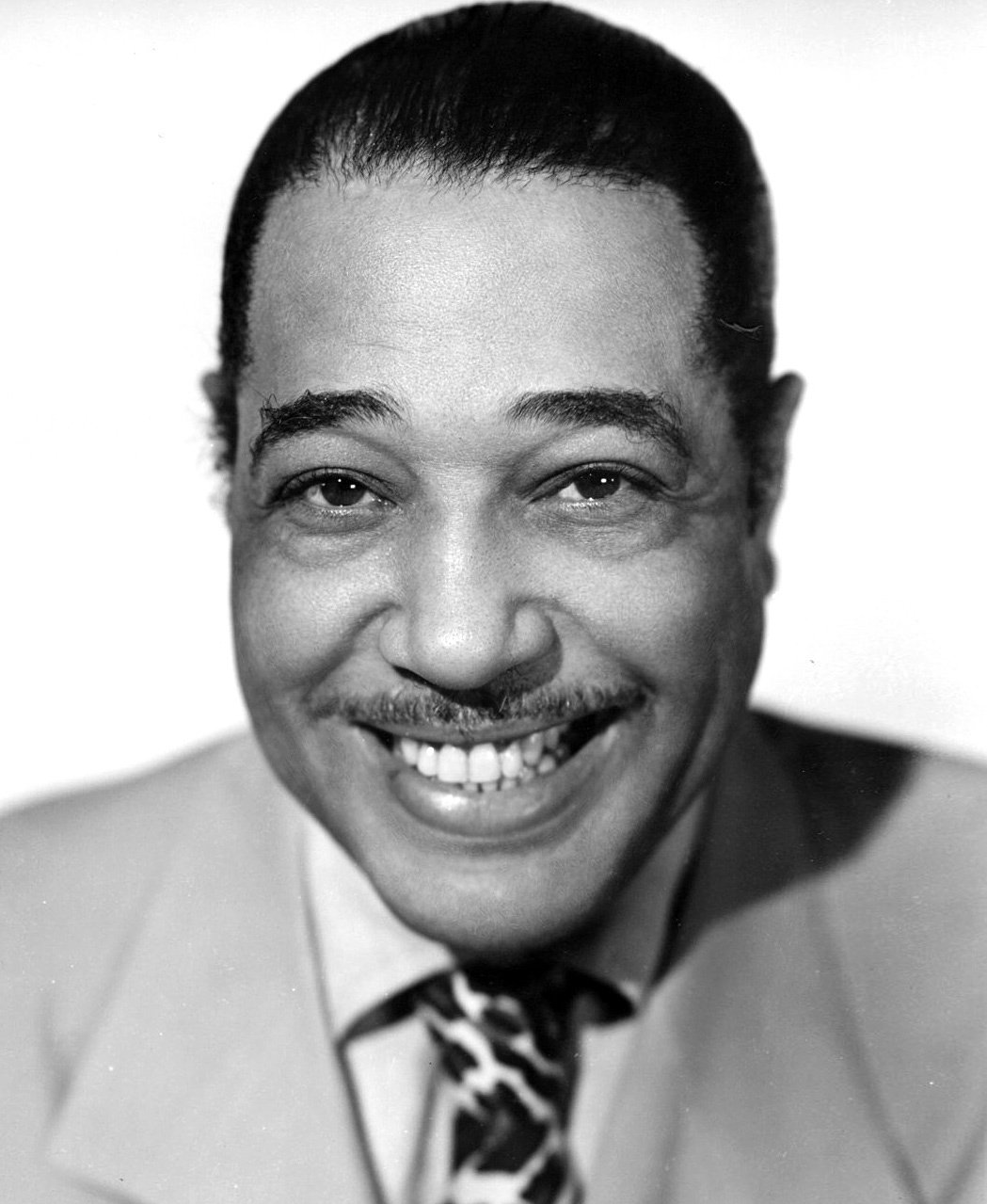
Duke Ellington
86% Profile Match
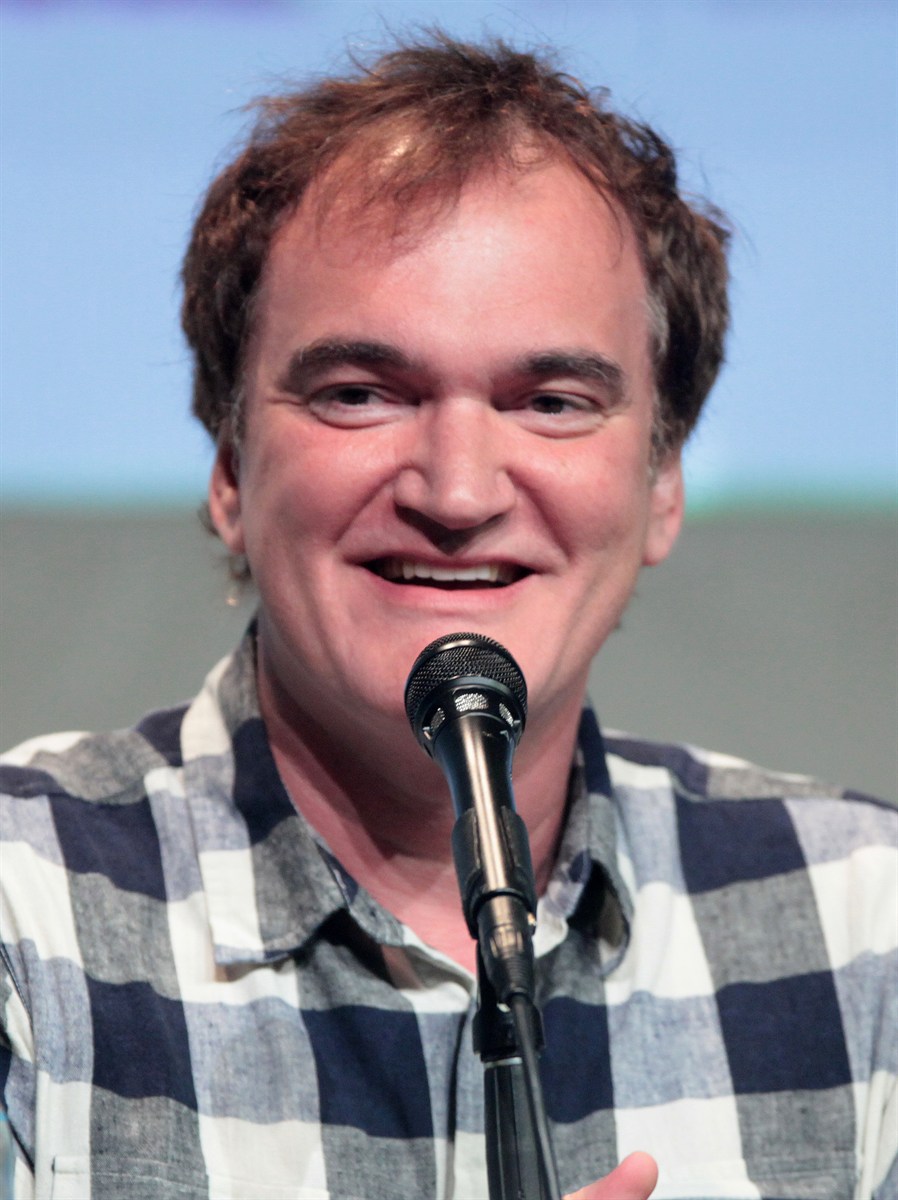
Photo: Gage Skidmore, 2015, CC BY-SA 3.0 · Wikimedia Commons, 'Quentin Tarantino by Gage Skidmore.jpg' -- photograph by Gage Skidmore, taken 11 July 2015 at the San Diego Comic-Con International (The Hateful Eight panel) and uploaded to Commons by the photographer himself ('Own work', 15 July 2015); the current file version is byte-identical (SHA-1 838f504f) to his original upload, two later edited versions by other users having been reverted. Original 2256 x 3016 pixels, Canon EOS 5D Mark II; saved here downscaled once to 898 x 1200 pixels (no crop, never upscaled). · CC BY-SA 3.0
film director · Contemporary
b. 1963
Not yet included in personality matching — the documented evidence doesn't yet cover enough of the personality model. Everything else on this page is fully available.
After writing screenplays while working at a video store, among them True Romance, Tarantino made his directing debut with Reservoir Dogs (1992), a low-budget crime film he also wrote. Biography.com says producer Lawrence Bender helped him secure the funding and Harvey Keitel signed on as actor and producer; Sundance says the film took the world by storm when it screened at the 1992 Sundance Film Festival.
Pulp Fiction (1994), which he directed and wrote (with a story credit shared with Roger Avary), won the Palme d'Or at the 1994 Cannes Film Festival and the Academy Award for writing (screenplay written directly for the screen). Cannes summarizes it as three stories, about two thugs and their boss's girlfriend, a boxer and his father's watch, and a dead body in a blood-soaked car; critic Jonathan Rosenbaum called it a chronologically scrambled collection of interlocking crime stories with an ingenious structure.
His later features include Jackie Brown (1997), Kill Bill Vol. 1 and Vol. 2 (2003-2004), Inglourious Basterds (2009), Django Unchained (2012), The Hateful Eight (2015) and Once Upon a Time... in Hollywood (2019). Django Unchained won him a second Academy Award for original screenplay, and The Hateful Eight was shot in Ultra Panavision 70 for a planned 70mm roadshow release.
Preparing The Hateful Eight (2015), Tarantino told American Cinematographer that he thought he could 'shoot it in a format that would demand that they release it on film'. With cinematographer Robert Richardson he revived Ultra Panavision 70, and the film was planned as a two-week 70mm presentation, with overture and intermission, in about 100 theaters. Film scholar David Bordwell reported that this meant finding, refurbishing and installing more than 100 projectors.
This is consistent with holding to a preference for large-format film and arranging production and exhibition around it. Independent Thinking
In a 2009 interview with Filmmaker magazine, quoted by Slashfilm, Tarantino said he writes his scripts by hand and then retypes the whole manuscript with one finger on a word processor, a method he said he had used since Reservoir Dogs. He called the retyping 'a really good filter' for overwriting, and said a Reservoir Dogs scene in which the characters argue over code-name colors arose while he was retyping.
This is consistent with a deliberate, hands-on editing pass on his own writing. Detail Orientation
In 1992 Tarantino moved from writing screenplays to directing his own with Reservoir Dogs. Biography.com says producer Lawrence Bender helped him secure funding and Harvey Keitel signed on as actor and producer; Sundance says the editor he found for the low-budget film, Sally Menke, wanted the job after reading the script and went on to cut his films through Inglourious Basterds (2009).
This is consistent with building a lasting circle of collaborators around a first film. Collaboration
People whose overall profiles resemble theirs.