T. E. Lawrence
94% Profile Match
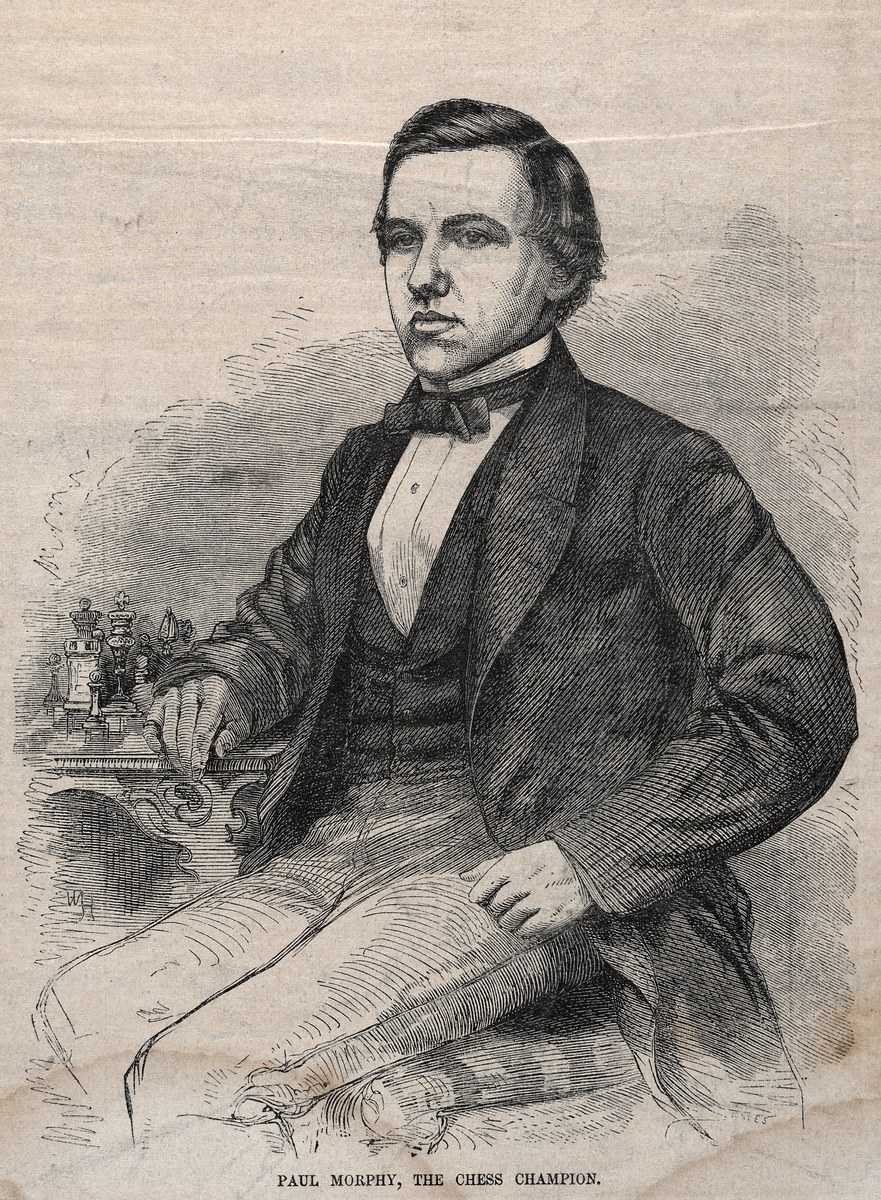
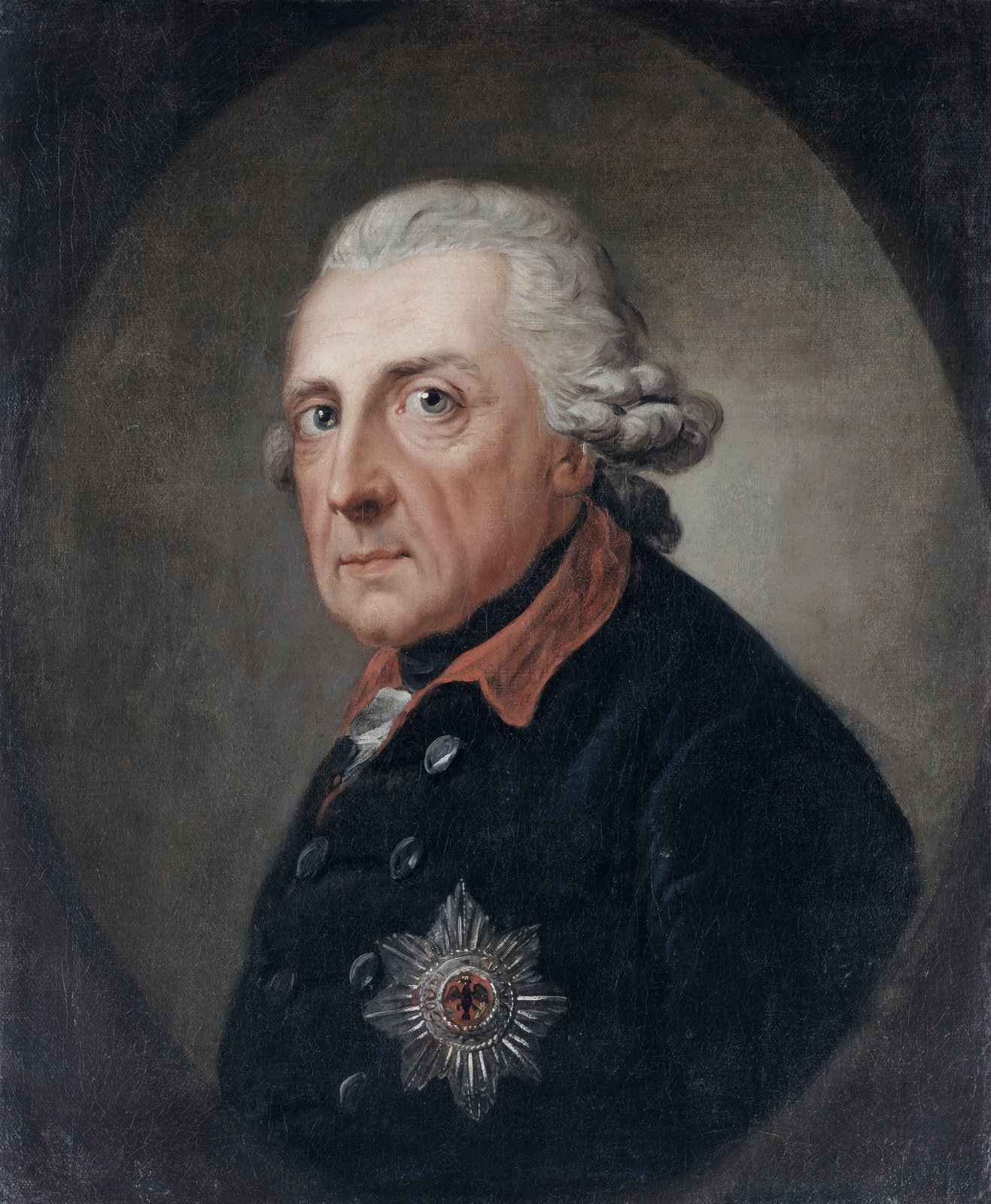
Winslow Homer, Paul Morphy, The Chess Champion, 1859, wood engraving, Cleveland Museum of Art, Purchase from the J. H. Wade Fund, 1942.1472, CC0 · Wood engraving 'Paul Morphy, The Chess Champion' by Winslow Homer, 1859; Cleveland Museum of Art, Purchase from the J. H. Wade Fund, accession 1942.1472, released under the museum's Open Access (CC0) programme. The museum's print image was 1832 x 2495 pixels; this project reduced it to 881 x 1200 pixels, never enlarging it · CC0 (Cleveland Museum of Art Open Access); engraver died 1910
athlete · 19th Century
1837–1884
Not yet included in personality matching — the documented evidence doesn't yet cover enough of the personality model. Everything else on this page is fully available.
Won the first American chess congress in 1857, then in 1858-59 defeated Adolf Anderssen and the other leading masters who would face him in Europe, and was hailed as the world's best player during a public career of under two years.
Britannica credits him as the first to rely on the principle of development before attack, and the World Chess Hall of Fame calls him a revolutionary player who valued long-term strategic development over premature attacks.
In Paris in 1858 he played eight strong opponents blindfolded at once, winning six games and drawing two; he was inducted into the U.S. Chess Hall of Fame in 1986 and the World Chess Hall of Fame in 2001.
After the 1857 congress he issued a challenge to anyone in the country at odds of a pawn and the first move.
This is consistent with a competitor who sought out rivals rather than waiting for them. Competitiveness
In the 1857 congress, played without a time limit and with single moves sometimes taking over an hour, he outsat and outplayed the best players and lost only one game.
This is consistent with sustained concentration over long games, though the account is a general one. Deep Focus
Back in the United States in 1859, he offered to give pawn and move odds to any player in the world and, when nobody answered, abandoned his public chess career.
This is consistent with a competitive career organised around open challenges, which ended once none was taken up. Competitiveness
People whose overall profiles resemble theirs.

Not a rival — a different profile shape worth a look.