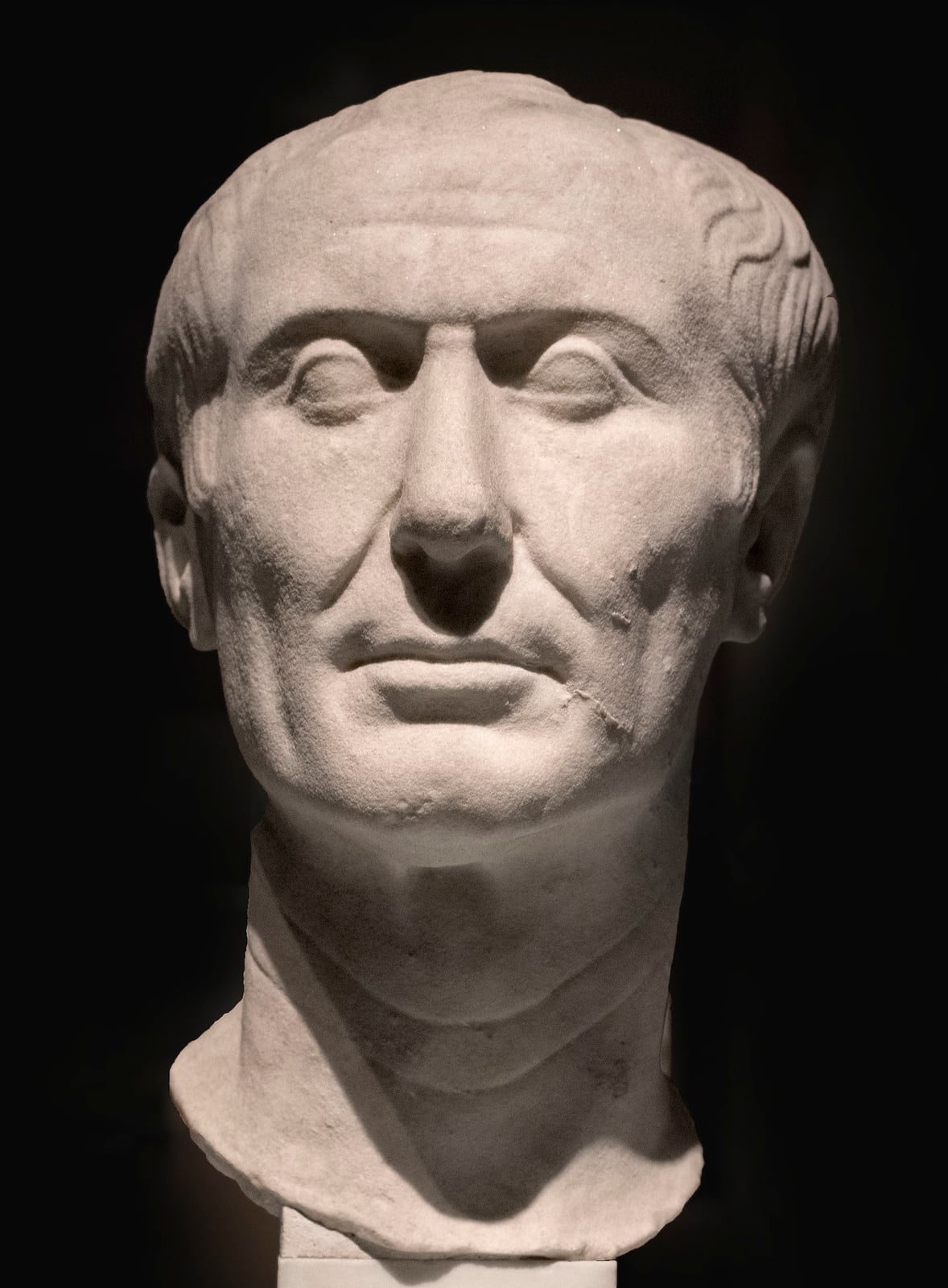
Leonardo da Vinci
94% Profile Match
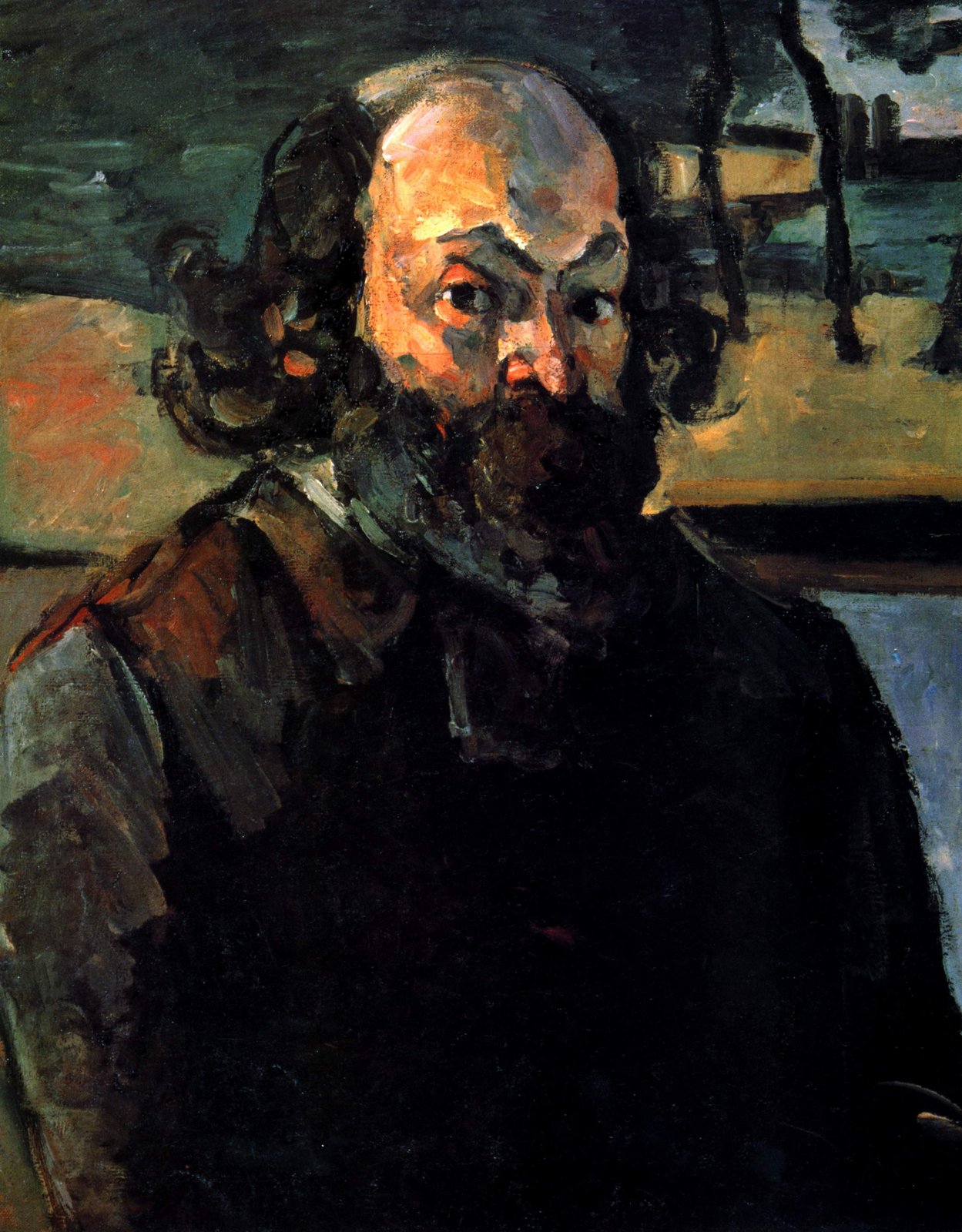
Paul Cezanne, Self-portrait, c. 1875, Musee d'Orsay, Paris; faithful reproduction (The Yorck Project) of a public-domain painting; downscaled · Paul Cezanne, Self-portrait (Portrait de l'artiste), c. 1875, oil on canvas, 64 x 53 cm, Musee d'Orsay, Paris (RF 1947 29; Wikidata Q17495197); photographic reproduction from The Yorck Project (2002), 10.000 Meisterwerke der Malerei, via Wikimedia Commons · Public domain
Cézanne was a Post-Impressionist painter whose work introduced new modes of representation, influenced the avant-garde movements of the early twentieth century and formed a bridge between late nineteenth-century Impressionism and early twentieth-century Cubism. Henri Matisse and Pablo Picasso are said to have remarked that he was 'the father of us all'.
From about the age of thirty-nine Cézanne made a series of paintings of Mont Sainte-Victoire, near his native Aix-en-Provence, a subject he had never depicted before, and he returned to it until 1906. In the 1890s he completed five paintings of labourers playing cards, with farm workers from his father's estate as models. In his last decade he worked on three large canvases of female bathers, the largest paintings he made, which the National Gallery in London calls the culmination of a theme he had pursued since the 1870s.
Cézanne showed work at the first Impressionist group exhibition in Paris in 1874, where The House of the Hanged Man was bought by the collector Count Doria. In 1904 the Salon d'Automne in Paris gave him an entire room; his dealer Ambroise Vollard records that press reviews stayed hostile, but that collectors increasingly sought his paintings from then on.
In 1899 the dealer Ambroise Vollard sat for his portrait, with sittings from eight to half past eleven each morning. By Vollard's own account, Cézanne left the portrait unfinished after 115 sittings, with two small spots of bare canvas still on the hand. In 1904 the painter Émile Bernard watched him rework a still life of skulls every morning for a month.
Two separate eyewitness accounts of this long reworking are consistent with this profile's high perfectionism score. The same sources show the cost: many canvases were left unfinished or destroyed. Perfectionism
When the 1866 Salon jury rejected both of his paintings, Cézanne wrote twice to the Superintendent of Fine Arts, Count Nieuwerkerke. In the letter of 19 April, preserved in the Louvre archives, he refused to accept the judgment of people he had not appointed and asked for the Salon des Refusés to be restored. The official reply in the margin turned him down.
The letter offers one documented example of the independent thinking scored in this profile. It sits alongside his continued submissions to the same Salon in later years, which show that he still wanted official recognition. Independent Thinking
From about 1872 to 1874 Cézanne lived at Auvers-sur-Oise and worked near Camille Pissarro. The critic Théodore Duret, who knew the Impressionist circle, writes that until then Cézanne had seldom painted landscapes outdoors, and that at Auvers he took up open-air painting with a lighter, brighter range of colour. Vollard records that Pissarro also advised him not to let himself be dominated by the old masters.
This change of method is consistent with this profile's experimentation score. Its timing also reflects the influence of his working contact with Pissarro, not only Cézanne's own disposition. Experimentation
People whose overall profiles resemble theirs.