Frida Kahlo
93% Profile Match
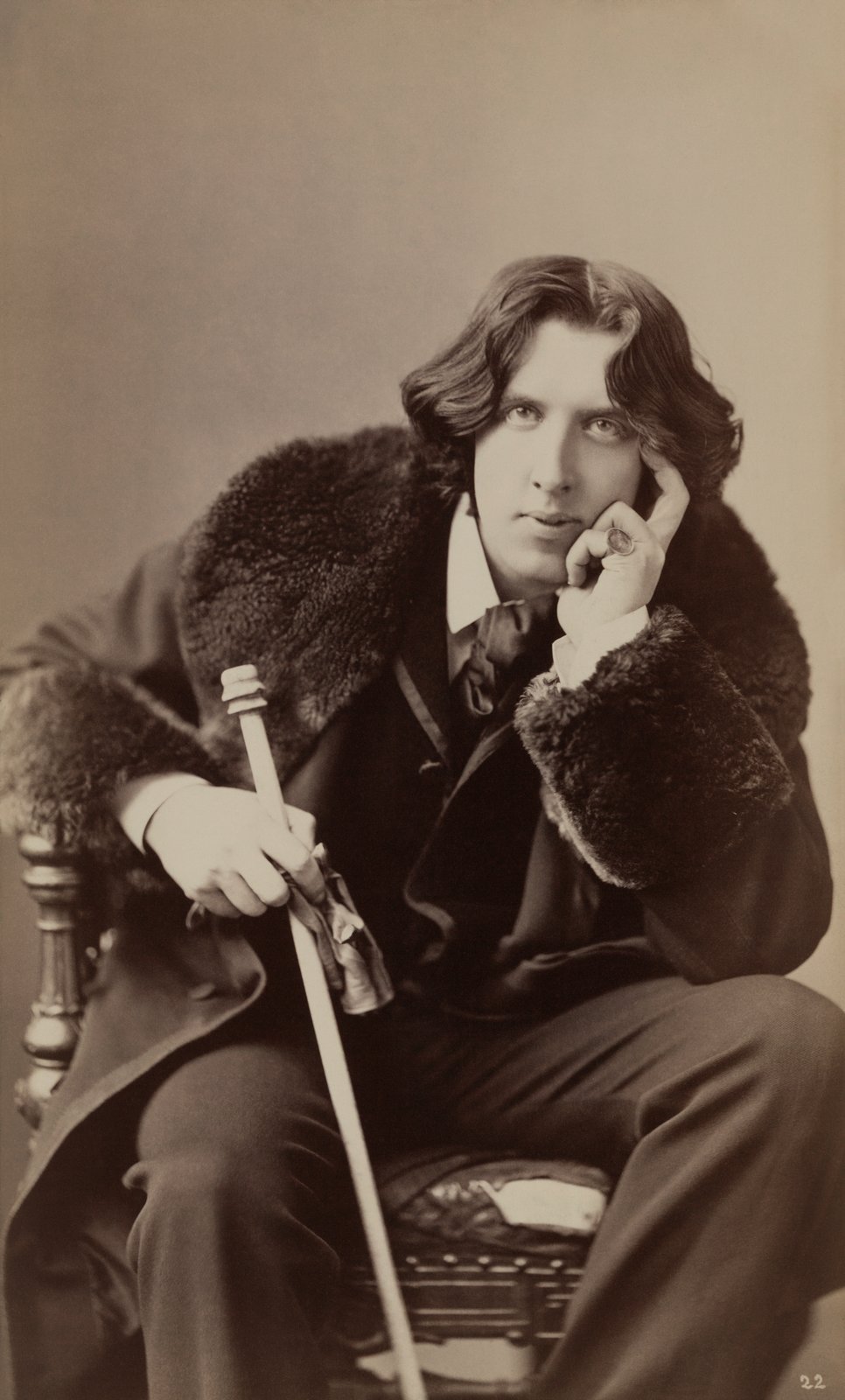
Napoleon Sarony, Oscar Wilde, three-quarter-length photograph, seated, 1882 (albumen print, Library of Congress; digital restoration by Adam Cuerden) · Library of Congress Prints and Photographs Division (item ppmsca.07757), via Wikimedia Commons restoration by Adam Cuerden · Public domain (photograph published in the United States in 1882; photographer died 1896)
writer · 19th Century
1854–1900
Not yet included in personality matching — the documented evidence doesn't yet cover enough of the personality model. Everything else on this page is fully available.
The Picture of Dorian Gray appeared in Lippincott's Monthly Magazine in July 1890 (published 20 June) and drew a flood of reviews, some hostile. Wilde published a preface in the Fortnightly Review in March 1891 and the novel came out as a book on 1 July 1891 from Ward, Lock and Co. with seven added chapters; Ransome called it the first novel for many years written in England with such freedom in choice of matter and manner.
Between 1892 and 1895 four of his comedies reached the London stage: Lady Windermere's Fan (St James's Theatre, 20 February 1892), A Woman of No Importance (Haymarket, 19 April 1893), An Ideal Husband (Haymarket, 3 January 1895) and The Importance of Being Earnest, 'a trivial comedy for serious people' (St James's, 14 February 1895). Bernard Shaw, reviewing An Ideal Husband, called him in a sense the only thorough playwright of the day.
Wilde wrote Salome in French in 1891 (published 1893). In 1892 the censor prevented Sarah Bernhardt from staging it in London, and it was first produced in Paris in 1896 at the Theatre de l'Oeuvre. According to Robert Ross, quoted by Ransome, it was staged in Berlin in 1901 and has held the European stage since.
After his release from prison in 1897 Wilde began The Ballad of Reading Gaol, which he revised in Naples and Paris and published under a pseudonym in 1898, and wrote two letters on prison conditions for the Daily Chronicle (28 May 1897, 24 March 1898). The long letter he wrote near the end of his sentence was published in extracts in 1905 as De Profundis.
On 5 July 1890 the Scots Observer reviewed Dorian Gray, calling it clever but false to morality and 'discreditable alike to author and editor'. Wilde wrote to the paper on 9 July that the artist 'has no ethical sympathies at all' and has no desire to be a popular novelist because it is 'far too easy'; the editor added a reply note, and Wilde wrote again in August.
Answering a hostile review in the paper's own columns, and returning to the dispute weeks later, is consistent with a willingness to keep an argument going in public. Conflict Tolerance
W. B. Yeats, then a young poet, met Wilde at W. E. Henley's table in the late 1880s and recorded that he had never before heard a man talk 'with perfect sentences, as if he had written them all over night with labour and yet all spontaneous'. Yeats added that the sense of artifice that listeners noted came from the perfect rounding of the sentences and the deliberation behind them.
A younger writer's account that the talk impressed through carefully shaped sentences is consistent with a speaker whose effect on listeners rested on deliberate verbal craft, though Yeats also notes it read as artificial. Persuasiveness
On 20 February 1892 George Alexander produced Lady Windermere's Fan at the St James's Theatre. Until then, Sherard says, Wilde was making little from his pen and it was commonly said that he had advertised himself into notoriety; after the play's success he wrote three more comedies for London managers in three years. Douglas, hostile to him, says he wrote plays 'till the sweat fairly rolled off him' once managers would advance money, and Shaw judged Earnest the first of his plays aimed squarely at West End commercial use.
Moving from small-circulation prose to commissioned stage comedy once it paid is consistent with seeing and taking an opening, though Douglas and Shaw's readings of his motives are their own conjectures. Opportunity Sensing
People whose overall profiles resemble theirs.