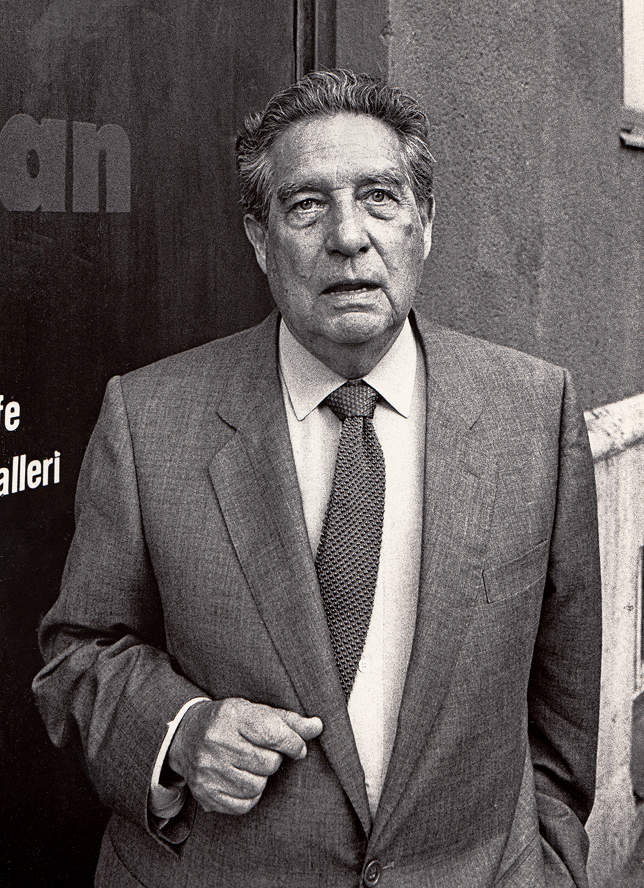
Foto: Jonn Leffmann, Octavio Paz at the Malmo International Poetry Festival, 1988, Wikimedia Commons, CC BY 3.0 · Wikimedia Commons file 'Octavio Paz - 1988 Malmo.jpg', photograph taken at the Malmo International Poetry Festival in 1988 by Jonn Leffmann, uploaded to Commons by his own account (user Jonnmann, who identifies himself as Jonn Leffmann on his user page, 23 July 2013) under CC BY 3.0 with a byline requirement. Original 644 x 888 pixels, used at full size; no resizing or upscaling. · CC BY 3.0
poet · 20th Century
Octavio Paz
1914–1998
Known For
Not yet included in personality matching — the documented evidence doesn't yet cover enough of the personality model. Everything else on this page is fully available.
Trait Constellation
Key Achievements
A Mexican poet and essayist whose long poem Piedra de sol (1957) and collections such as Libertad bajo palabra and Blanco made him a central figure in 20th-century Spanish-language poetry, he received the Nobel Prize in Literature in 1990.
In The Labyrinth of Solitude (1950), written while he was in France, he analysed Mexican character, history and culture; Britannica calls it an influential essay, and The Bow and the Lyre (1956) is among his studies of poetry.
He co-founded the review Taller (1938), edited Plural (1971-1976) and, after it was closed, founded the review Vuelta in 1976, which was published until his death in 1998.
Moments That Reveal Them
In The Monkey Grammarian (1974) he wrote a text that critics could not assign to a genre, which one reviewer said sits 'on the edge of genres' and which Paz had long sought as an intersection of poetry, narrative and essay.
This is consistent with a drive to dissolve genre boundaries in his own work. Creative Originality
Turning Points
When Plural was censored and closed in 1976, Paz established Vuelta, a new review of literature and ideas that he edited until his death.
This is consistent with rebuilding a project quickly after it was shut down. Proactive Agency
Similar People
People whose overall profiles resemble theirs.


Benjamin Franklin

Sequoyah

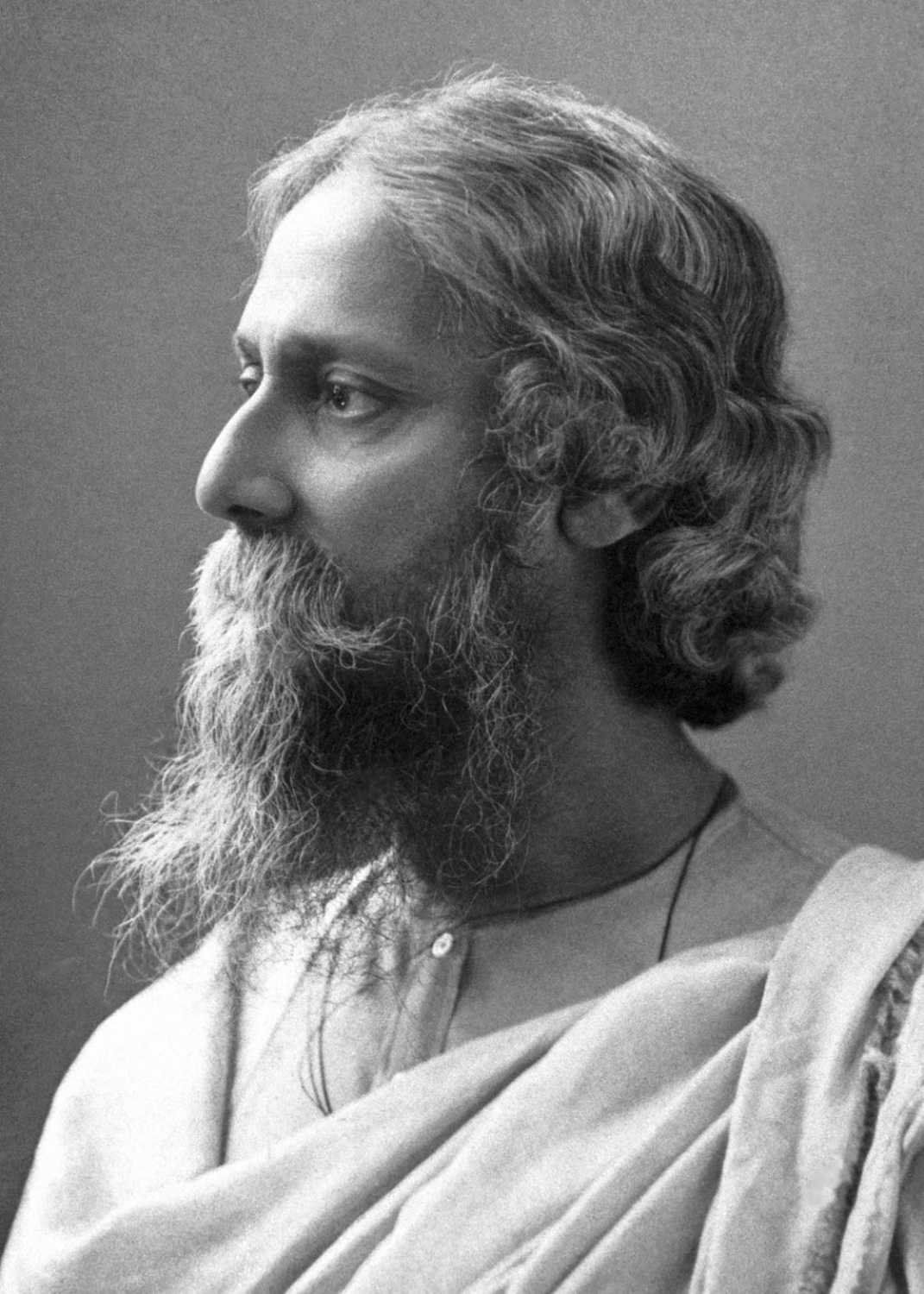
Rabindranath Tagore

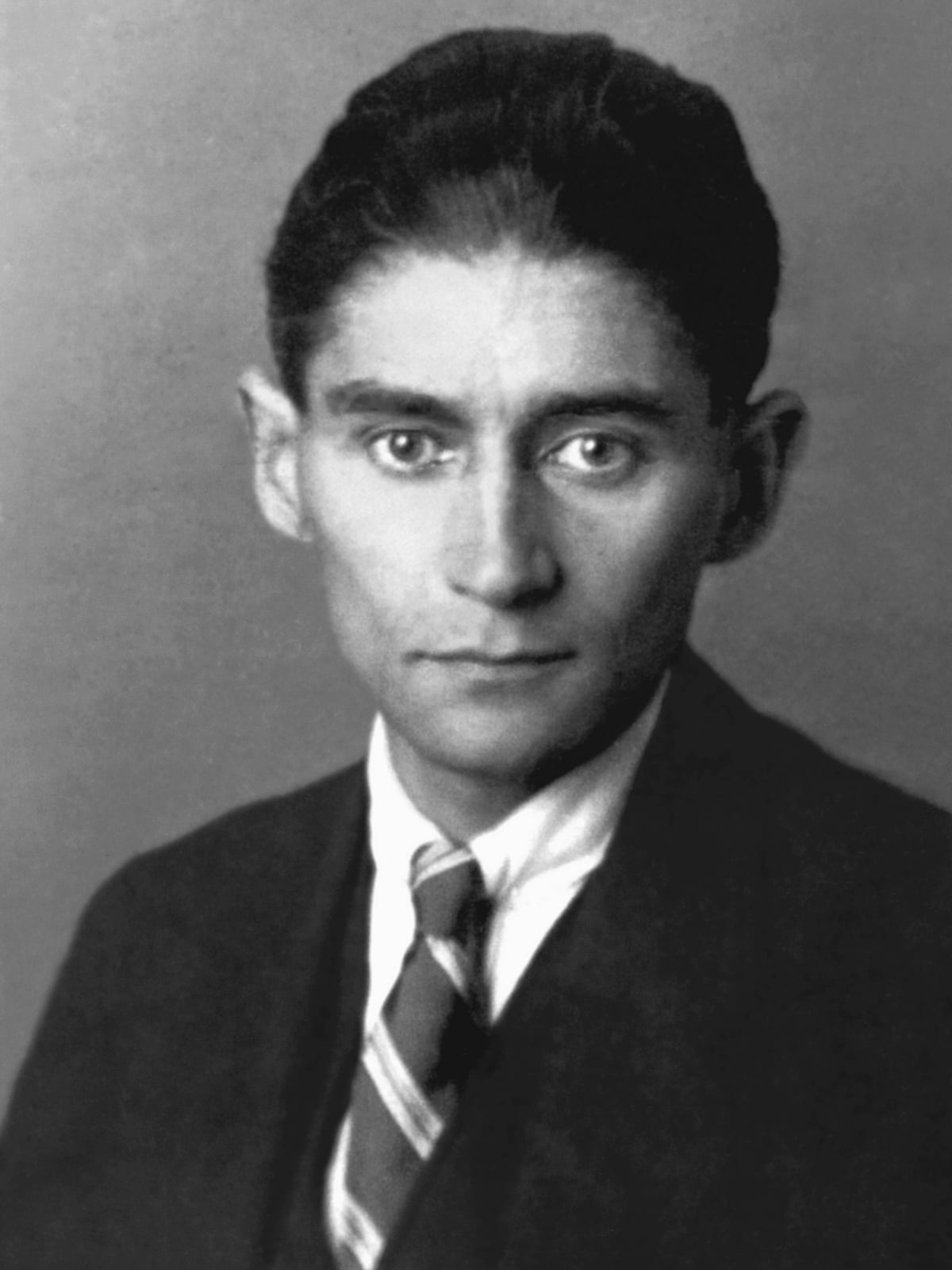
Franz Kafka

Ada Lovelace
Opposite Profile
Not a rival — a different profile shape worth a look.
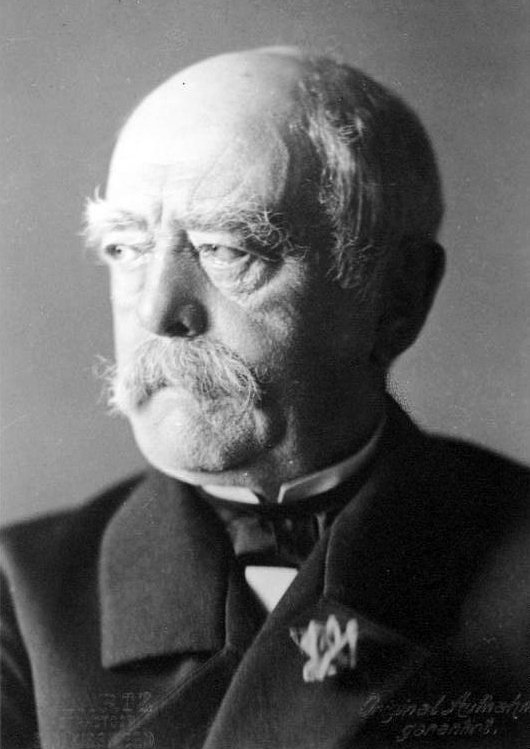
Otto von Bismarck
Sources
- Octavio Paz (Q46739), verified live via the Wikidata API (2026-10-30): label 'Octavio Paz', description 'Mexican writer, poet an diplomat (1914-1998)', born 1914-03-31, died 1998-04-19; Korean label present. Orientation only; not used as support for any row.
- Nobel Foundation, 'Octavio Paz - Biographical', NobelPrize.org (Nobel Prize in Literature 1990), read in full. CANONICAL SIGNIFICANCE SOURCE: the prize body's biography says he wrote The Labyrinth of Solitude, his study of Mexican identity, co-founded the journal Taller, edited Plural and founded Vuelta, and is a poet and prolific essayist in poetics, art criticism and Mexican history and culture. Institutional and admiring in tone; the bibliography was skimmed.
- Kjell Espmark (Swedish Academy), Presentation Speech for the 1990 Nobel Prize in Literature, NobelPrize.org, read in full. A short critical appreciation of Paz's poetry (Piedra de sol, the 'welding' of thought and sensuousness, love poetry, Indian and Mexican sources). Admiring prize-body source; used for the originality and range rows only. Its passages on politics were read and not scored.
- Encyclopaedia Britannica, 'Octavio Paz' (biography article), read in full: career summary covering Luna silvestre (1933), Taller, El hijo pródigo, El laberinto de la soledad, Piedra de sol, Blanco and Ladera este, Plural and Vuelta, the Cervantes Prize and the 15-volume Obras completas. Neutral reference summary; the page's AI-generated summary boxes were ignored.
- 'Paz, Octavio 1914-1998', Contemporary Authors entry reproduced on Encyclopedia.com (Gale), read in full: biography, list of works and a critical sidelights section quoting reviewers (Alazraki and Oviedo on The Monkey Grammarian, Schulman on Eastern thought and 'burnt water', Ronald Christ on Eagle or Sun?, Luciani and Keates on Sor Juana). A compilation of critics from several journals, independent of the Nobel and Britannica texts.
- Michael Schmidt, editorial in PN Review 216 (March-April 2014) marking Paz's centenary, read in full: an editor and poet recalls three decades of acquaintance, says Paz edited Plural until it was censored and closed and then established Vuelta, and quotes Paz's 1975 speech on the critical word. Personal, admiring and brief; used for the journals only.
- 'Polemical Paz', essay in Literal Magazine (review of Claire Brewster's 'Responding to Crisis in Contemporary Mexico'), read in full: a reviewer defends Paz against a hostile account while acknowledging some accurate criticism, and describes his role through Plural (1971-1976) and Vuelta (1976-1998). Counter-voice: records that he was attacked harshly by opponents and that Brewster portrays him as unpopular and unable to hear others. Used only for the journals and as a critical perspective; the political content is not scored.
- 'Octavio Paz, The Art of Poetry No. 42', interview by Alfred MacAdam (Paris Review, issue 119, Summer 1991): only the editors' introduction and the opening answers on his childhood home in Mixoac were readable (the rest is behind a subscription wall). Self-report; not used for any row.