Nellie Bly
90% Profile Match
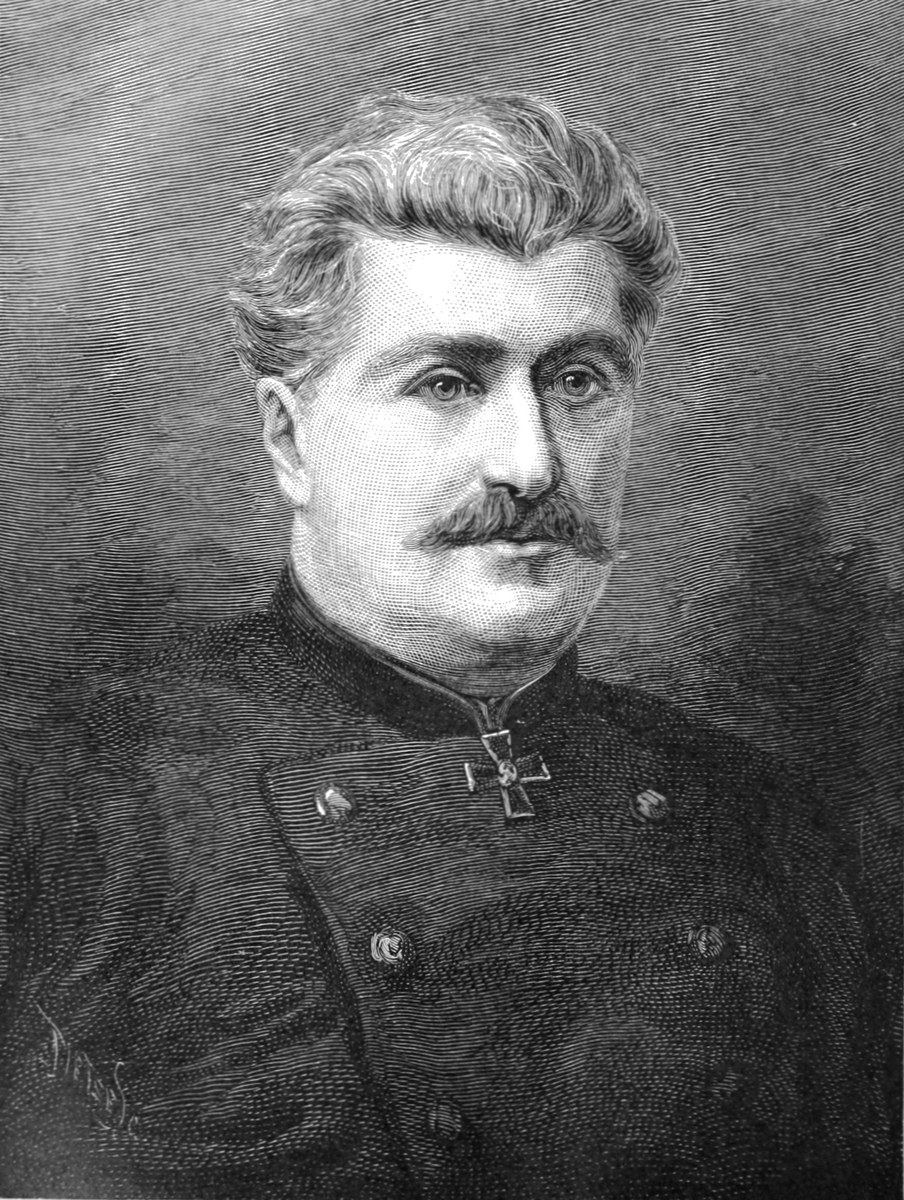
Engraving in Popular Science Monthly, vol. 30 (January 1887), via Wikimedia Commons (public domain) · Wood engraving of Nicholas Prejevalski published as the illustration to 'Sketch of Nicholas Prejevalski', Popular Science Monthly, volume 30 (January 1887), page 304 (plate D304), engraver not identified (a signature at lower left is illegible). Hosted on Wikimedia Commons as 'PSM V30 D304 Nicholas Prejevalsky.jpg' from the Internet Archive scan of the volume; I opened the Wikisource article that carries it. Rights basis: first published in the United States in 1887, so in the public domain in the United States by publication date regardless of the engraver; no institutional notice conflicts (the periodical's own pages are the source and carry no restriction). The Commons file page gives only a generic old-work tag, so the basis rests on the documented 1887 publication. Original scan 1759 x 2335 pixels, downscaled with no cropping to 904 x 1200; never upscaled. An engraving is a depiction made in his lifetime from an unstated source, not a documented sitting, so it is classed as a historical depiction like other engravings in this roster. · Public domain (published 1887)
A Russian army officer turned explorer, he led four journeys between 1870 and 1885 across Mongolia, the Gobi, the Tarim basin and the northern Tibetan plateau, surveying routes that were then little known to Europeans.
His plant and animal collections brought species new to Western science, among them the wild camel and the wild horse now called Przewalski's horse.
On his second journey he reached the Lop Nur region and reported a lake farther south than the maps showed; the geographer Richthofen disputed the identification, and the Royal Geographical Society awarded him a gold medal in 1879.
On the first journey, after buying camels, only about forty pounds remained, and, sure of maintenance from their guns, he resolved to push on rather than turn back.
This is consistent with a high tolerance for risk when an expedition was thinly funded, though the account comes from a contemporary summary of his own narrative. Risk Tolerance
On the first journey his party took meteorological readings four times a day and recorded magnetic variation at nine points while crossing the plateaus.
This is consistent with careful, routine measurement during travel, although the figures reach us through his own reports. Detail Orientation
In 1867 he asked to be transferred to Irkutsk in eastern Siberia, from which he explored the Usuri region; a contemporary biography dates the start of his career as an explorer to this period.
This is consistent with a shift from teaching geography to field exploration driven by his own initiative. Curiosity
People whose overall profiles resemble theirs.

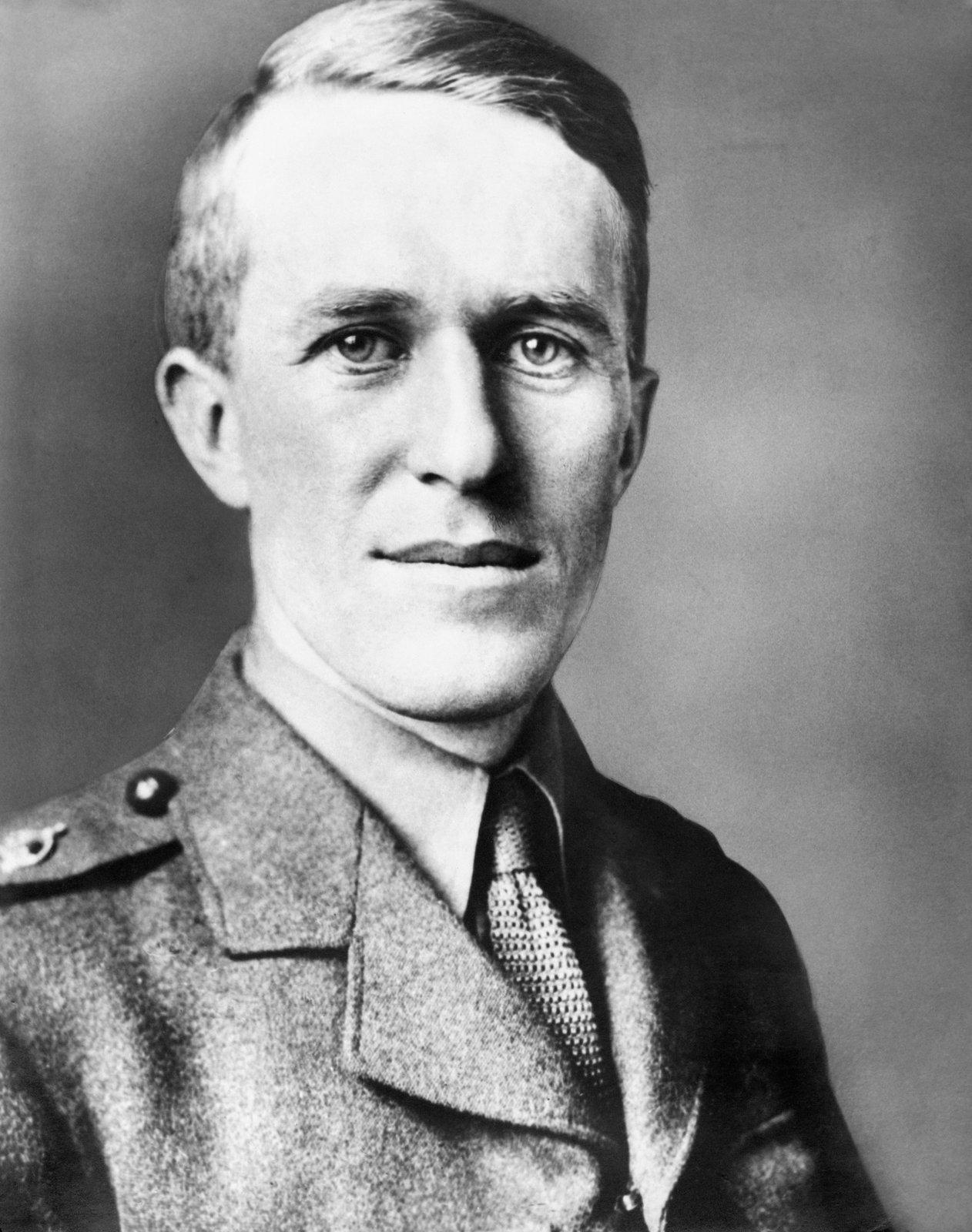
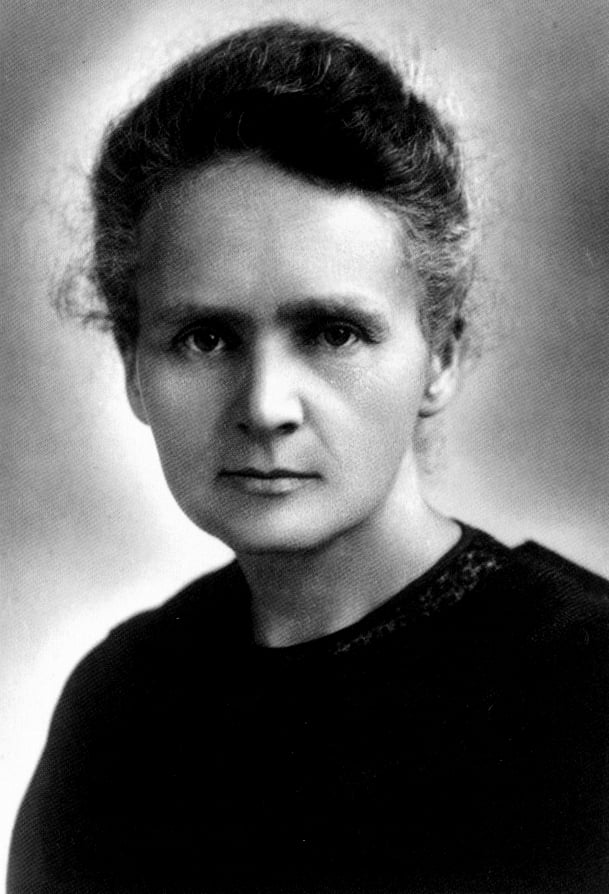
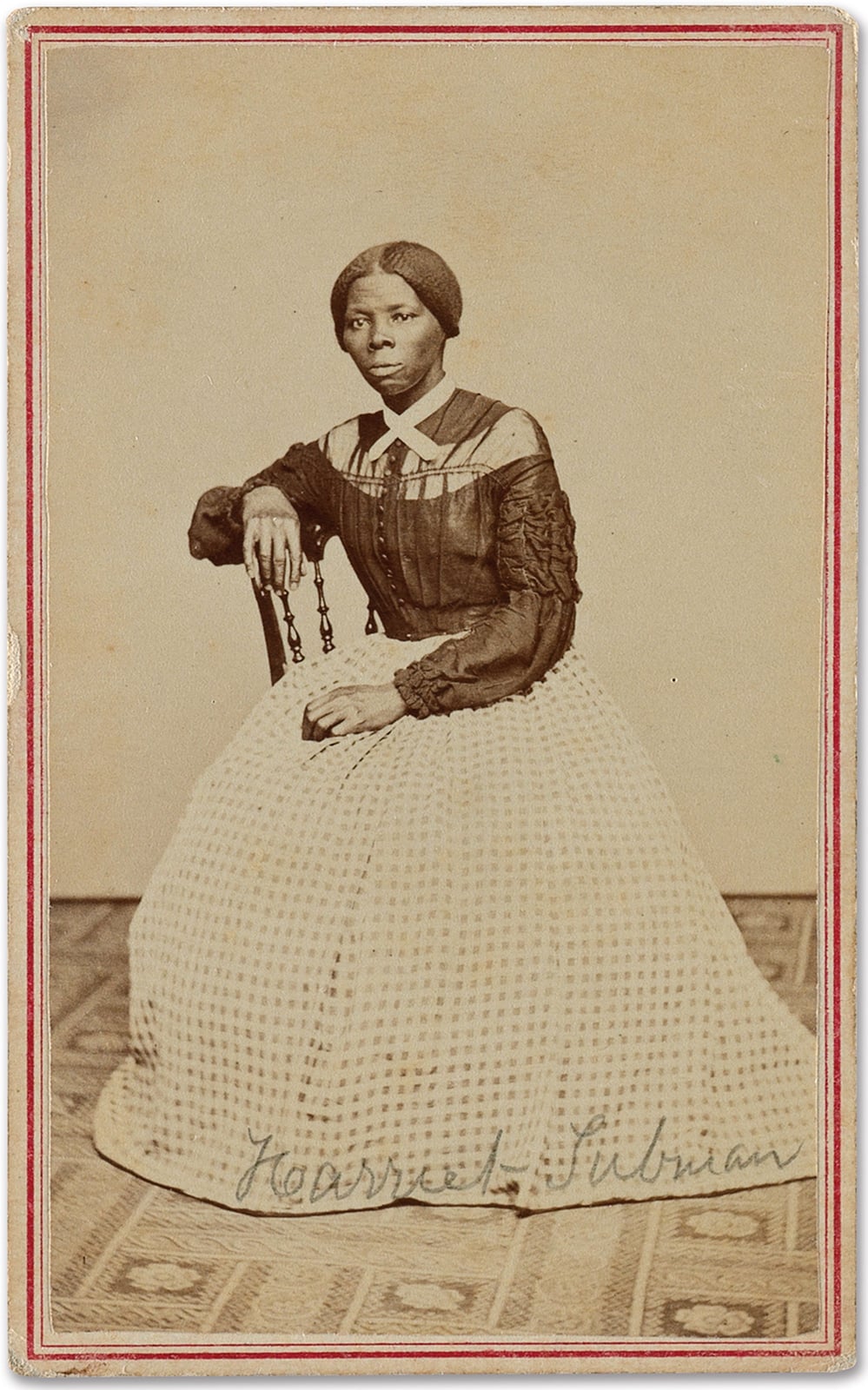
Not a rival — a different profile shape worth a look.