Yayoi Kusama
94% Profile Match
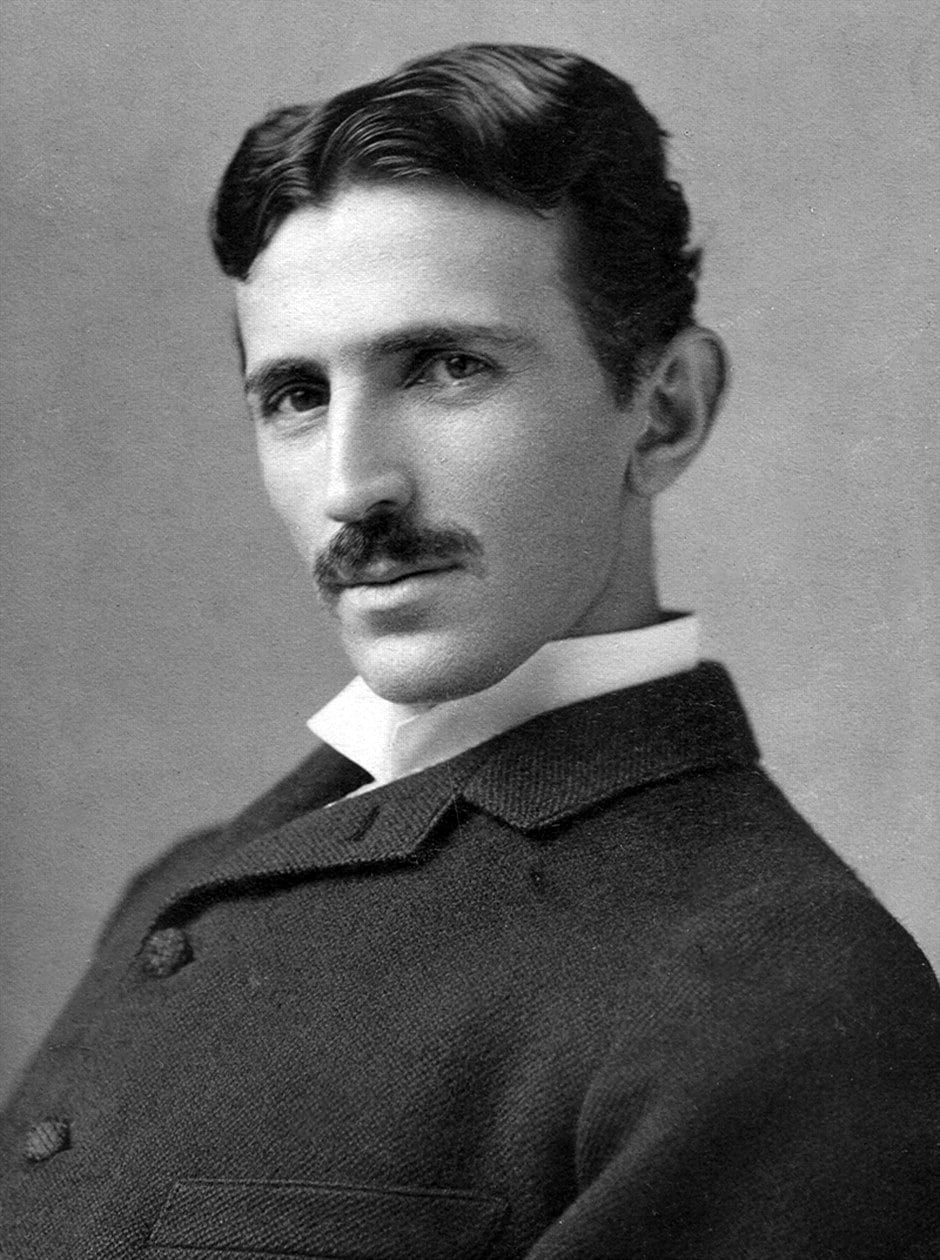
Napoleon Sarony · Wikimedia Commons · Public Domain
1856 — Born in Smiljan, in the Austrian Empire (present-day Croatia).
1884 — Emigrated to the United States in 1884 and briefly worked for Thomas Edison's manufacturing company.
1888 — Patented his AC induction motor and partnered with George Westinghouse.
1893 — Westinghouse's AC system, built on Tesla's patents, powered the 1893 Chicago World's Fair and the Niagara Falls power project.
1901–1905 — Built the Wardenclyffe Tower on Long Island as a wireless transmission station; the project collapsed after financial backer J.P. Morgan withdrew support.
1943 — Died in New York in 1943, in debt, having outlived most of his patents.
Patented an alternating-current induction motor in 1888 that avoided the sparking commutator design of earlier motors, then licensed it to George Westinghouse. The resulting Westinghouse AC system won the contract to power the 1893 World's Columbian Exposition in Chicago and to transmit power from Niagara Falls, establishing alternating current — over Thomas Edison's competing direct-current system — as the technical basis for long-distance electrical power transmission still in use today.
Held patents across power transmission and high-frequency, high-voltage devices, including the resonant transformer he introduced in 1891 and still known as the Tesla coil, work that fed directly into early 20th-century radio and electrical engineering.
While working for Thomas Edison's manufacturing company in New York in 1884–1885, Tesla later said he had been promised a $50,000 bonus for redesigning the company's dynamos; when he asked to be paid after completing the work, he was told, by his own account, that the offer had been a joke. He resigned shortly afterward.
In 1891, facing financial pressure on Westinghouse after the Panic of 1890, Tesla voluntarily released the company from its royalty contract with him — worth $2.50 per horsepower of AC equipment sold — to help keep it solvent, forgoing income that would likely have made him one of the wealthiest people of his era.
After leaving Edison's company in 1885 over the disputed bonus, partnered with George Westinghouse to develop and commercialize alternating current — a direct technical and commercial challenge to his former employer's competing direct-current system.
This matches the profile's proactive_agency score: a shift from an employee executing an employer's plans to an independent inventor backing his own technical conviction against that same employer's competing standard. Proactive Agency
Tesla's alternating-current system remains the technical basis of long-distance electrical power transmission worldwide. His later-life financial collapse and the failure of Wardenclyffe also made him, in popular memory, a symbol of visionary invention undercut by business misfortune — a reputation genuinely reflected in the documented record, not only in legend.
People whose overall profiles resemble theirs.
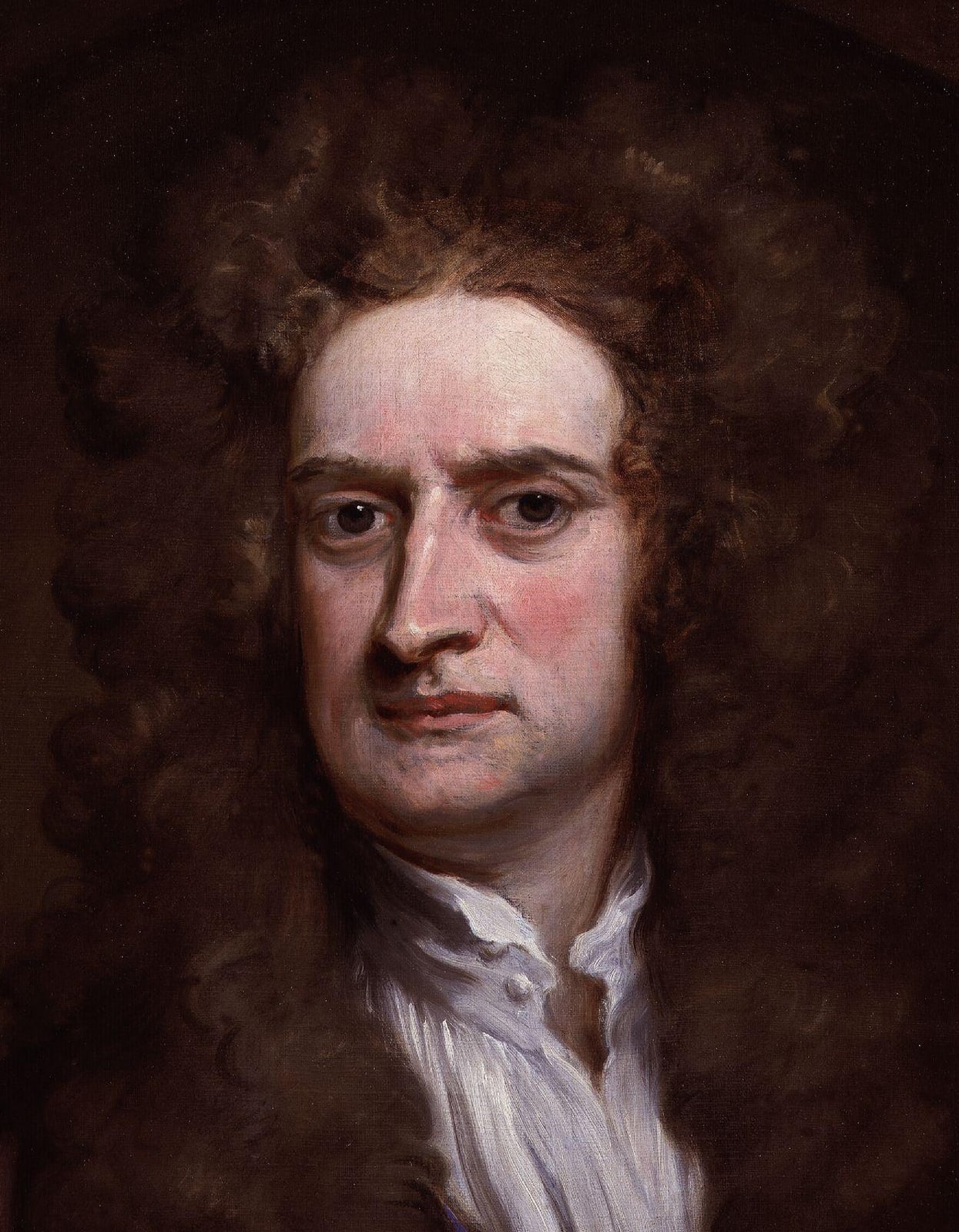
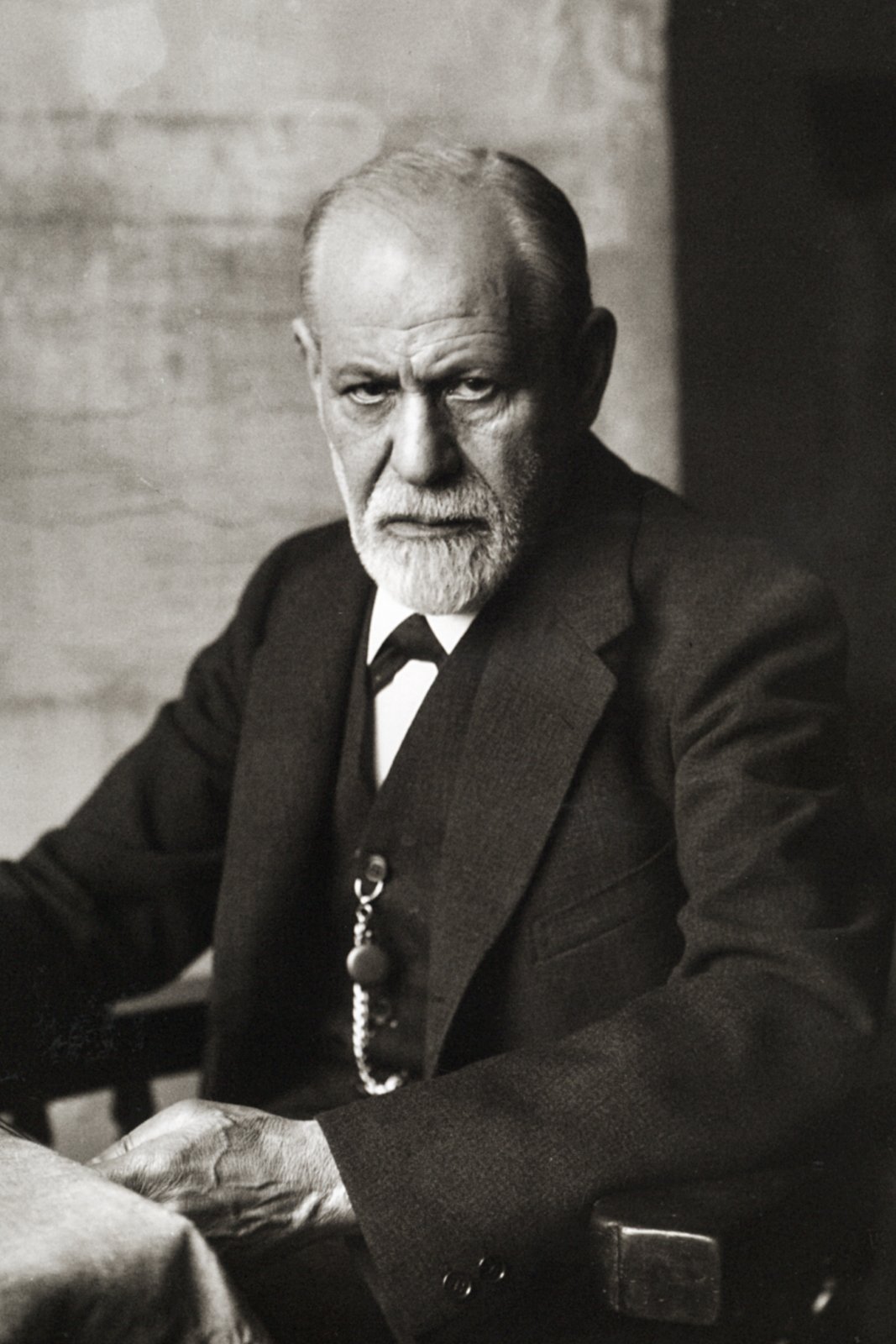
Not a rival — a different profile shape worth a look.