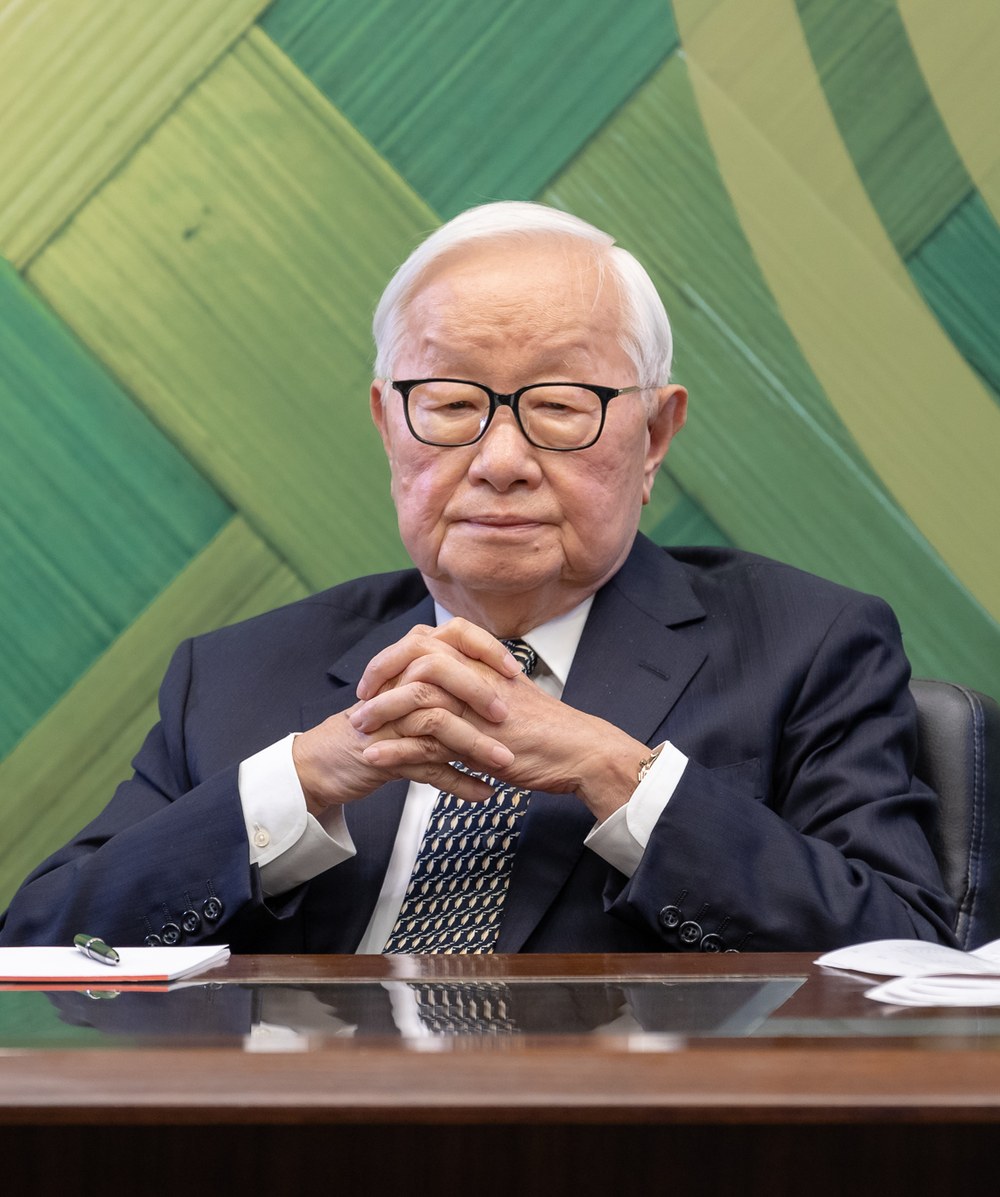

Photo: Wang Yu Ching / Office of the President, Republic of China (Taiwan), 2021, CC BY 2.0, cropped · Wikimedia Commons 'Morris Chang 2021APEC.jpg': official photograph by Wang Yu Ching for the Office of the President of the Republic of China (Taiwan), 16 July 2021, published on the Office's Flickr account under CC BY 2.0 and Flickr-reviewed on Commons (FlickreviewR, passed 1 November 2022). Cropped to a head-and-shoulders portrait region of the 2048 x 1365 original and downscaled to 1000 x 1197 (never upscaled). The Office's English website pages checked (privacy policy page) carry no conflicting copyright statement; the photograph's own Flickr licence is the basis. · CC BY 2.0
executive · Contemporary
Morris Chang
b. 1931
Known For
Not yet included in personality matching — the documented evidence doesn't yet cover enough of the personality model. Everything else on this page is fully available.
Trait Constellation
Key Achievements
Founded Taiwan Semiconductor Manufacturing Company in 1987 while leading Taiwan's Industrial Technology Research Institute, an independent chip foundry available to any company; the Computer History Museum named him a 2007 Fellow for this.
Devised the 'pure play' foundry model, a manufacturer that does not design its own chips or compete with customers, which IEEE Spectrum says let start-ups design chips without the huge cost of building a fabrication plant.
Spent 1958 to 1983 at Texas Instruments, rising to group vice president for its worldwide semiconductor business, before leaving for General Instrument and then Taiwan.
Moments That Reveal Them
At ITRI in 1985 he introduced a review that put the lowest 2 percent of performers on probation, and staff complained to legislators in hate mail, IEEE Spectrum reports.
This is consistent with a willingness to impose unpopular changes despite staff opposition. Conflict Tolerance
In a May 2009 televised speech he told TSMC employees that laid-off workers would be welcomed back and apologised for the mishandled appraisals behind the layoffs, according to the Taipei Times.
This is consistent with publicly reversing a decision after it drew criticism. Belief Updating
Turning Points
After leaving Texas Instruments in 1983 and General Instrument a year later, he accepted the Taiwanese government's offer to run ITRI in 1985, against the advice of nearly everyone he knew, which led to TSMC.
This is consistent with a willingness to take an uncertain, high-stakes move in a new setting after setbacks. Risk Tolerance
Similar People
People whose overall profiles resemble theirs.

Simón Bolívar

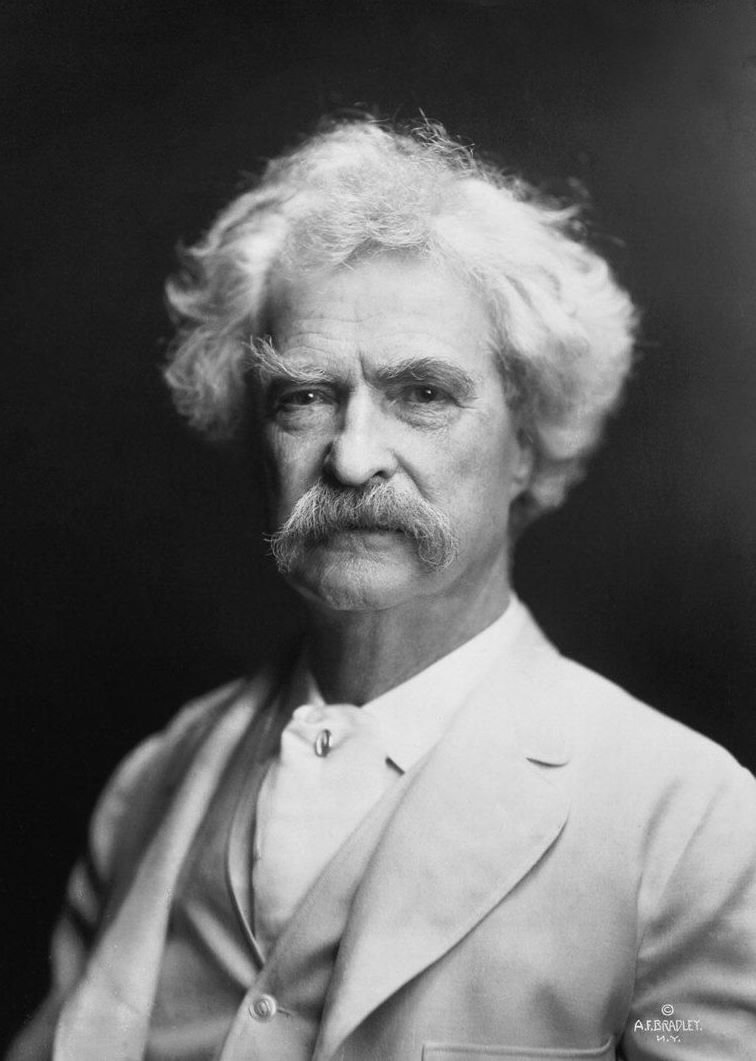
Mark Twain

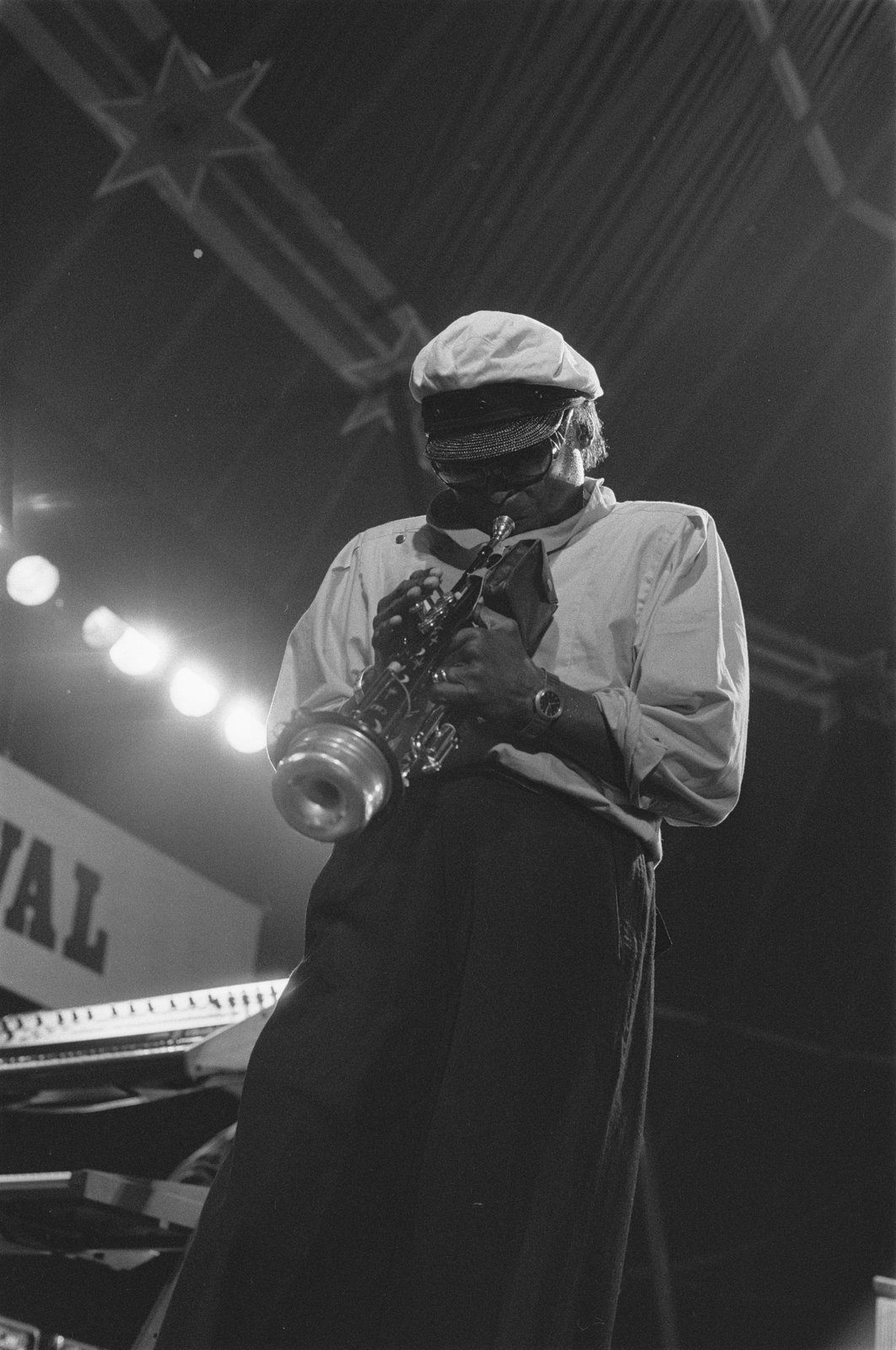
Miles Davis

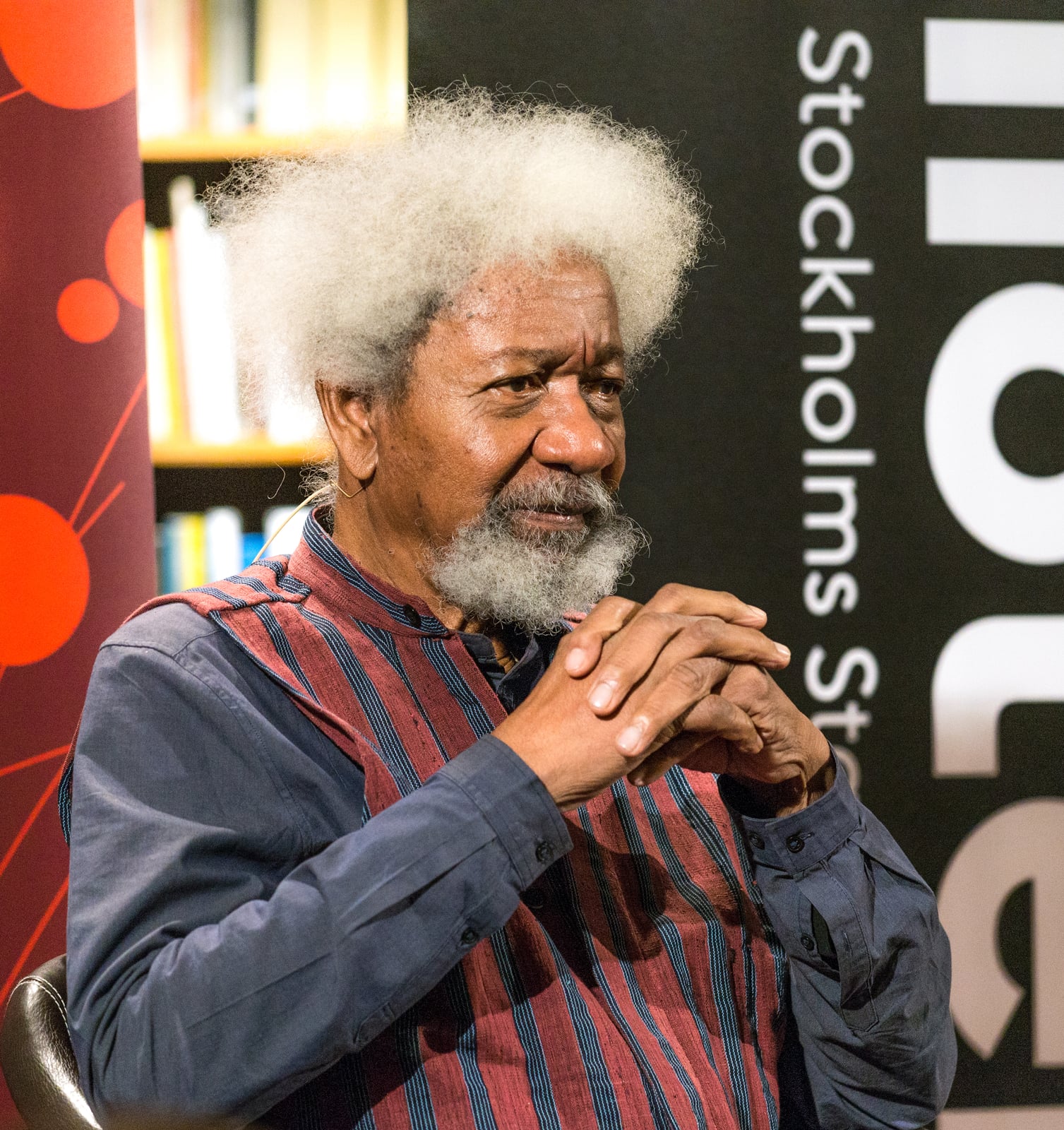
Wole Soyinka

Ernest Hemingway
Sources
- Morris Chang (Q4745214) -- verified live via the Wikidata API (2026-10-24): English label 'Morris Chang', description 'Taiwanese businessman and electrical engineer (born 1931)', born 10 July 1931, no date of death, Korean label present, P18 image 'Morris Chang 2021APEC.jpg'. Orientation only; not used as support for any row.
- Computer History Museum, 'Morris Chang' 2007 Fellow profile (computerhistory.org), read in full: Fellow citation 'for dramatically accelerating the production of semiconductor-based devices and systems by developing an independent semiconductor manufacturing foundry'; born in Ningbo in 1931; MIT mechanical engineering degrees and a Stanford PhD in electrical engineering (1964); 1958 to 1983 at Texas Instruments, rising to group vice president for its worldwide semiconductor business; 1983 president and chief operating officer of General Instrument; recruited in 1984 by the Taiwanese government to lead the Industrial Technology Research Institute, where he founded TSMC in 1987 as a dedicated silicon foundry open to anyone; member of the US National Academy of Engineering. CANONICAL SIGNIFICANCE SOURCE. Institutional and admiring.
- Tekla S. Perry, 'Morris Chang: Foundry Father' (IEEE Spectrum, 19 April 2011), read in full: a 13-minute magazine profile written by a technology journalist on his 2011 IEEE Medal of Honor, built on a visit to TSMC and an interview: his early yield-improvement work at Sylvania and Texas Instruments (the transistor line whose yield rose from near zero to more than 20 percent after months of process experiments); his pricing-ahead-of-the-cost-curve strategy at TI; the 1978 move to run TI's consumer business, which he says was a mistake, and his departure in 1983; one year at General Instrument; the 1985 ITRI presidency, where he introduced a review that put the lowest 2 percent of performers on probation, drew hate mail to legislators and was feared by staff; the 'pure play' foundry idea and TSMC's 1987 opening with $220 million of capital; tributes from Stanford's engineering dean, an Nvidia chief executive, a Marvell executive and a former TSMC chief technology officer (who says he 'does not tolerate fools'). Family and wealth details were NOT used. Independent journalism with named third-party voices, though much of the biography is Chang's own recollection.
- Kevin Chen, 'ANALYSIS: TSMC leadership change fuels questions about future' (Taipei Times, 15 June 2009), read in full: news analysis of Chang's surprise move to replace CEO Rick Tsai while remaining chairman; analysts from Daiwa and Credit Suisse question the layoff-and-rehire episode and the succession plan; reports that on 20 May 2009 Chang told employees in a televised speech that laid-off workers would be welcomed back and apologised for the company's mishandled annual appraisals. COUNTER-VOICE / critical independent business press with named analysts; speculation about motives was not used.
- Mark LaPedus, 'TSMC CEO change: What other analysts are saying' (EE Times, 22 June 2009), read through a page-summarising tool rather than the raw page: Chang returned as chief executive effective 12 June 2009 while remaining chairman, replacing Rick Tsai; analysts Joanne Itow (Semico) and Dean Freeman (Gartner) say his return restores customer confidence and note TSMC's 40nm yield trouble, rising R&D needs and the competing IBM alliance. Independent trade press; read second-hand through a summariser, so only its broad claims are used.
- TechInsights Chip History Center, 'Morris Chang - HoF' (chiphistory.org), read in full: short Hall of Fame summary stating that he is the father of the semiconductor foundry industry, that TSMC was architected to be trusted and would never compete with its customers, that before TSMC foundry services were a side business of competitors, and that he saw how electronic design automation's separation of design and process made it possible to split the industry into fabless and foundry. Brief institutional digest; admiring.
- Colley Hwang, 'Morris Chang: A banquet that marks the conclusion of an era' (DIGITIMES, 20 June 2018), read in full through a page-summarising tool plus the opening text: a commentary on a farewell banquet by the president of DIGITIMES, who discloses that Chang was a major investor in and early board member of his company; reports TSMC's chief financial officer saying Chang repeated that executives should be modest when listening and confident when deciding. DISCLOSED CONFLICT AND ADMIRING; cited for context only and not used to support any row; his remarks on China were NOT used (politics).
- Wikimedia Commons file page 'Morris Chang 2021APEC.jpg' (wikitext and API record) and the live Flickr photo page of the Taiwan Presidential Office, checked for the portrait's licence: official photograph by Wang Yu Ching, Office of the President, 16 July 2021, original 2048 x 1365; the Flickr page shows Attribution (CC BY 2.0) and Commons records a passed Flickr licence review dated 1 November 2022. Not used for any scoring.