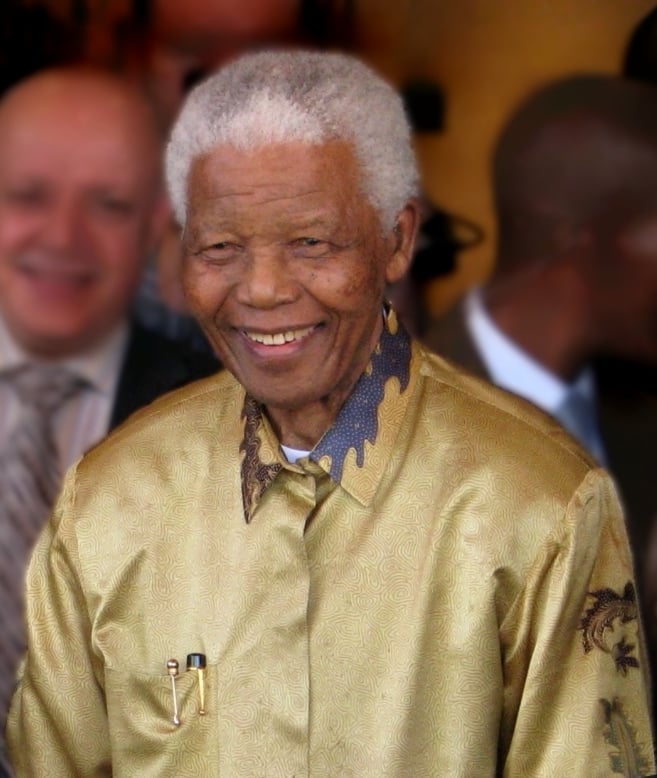
Nelson Mandela
94% Profile Match
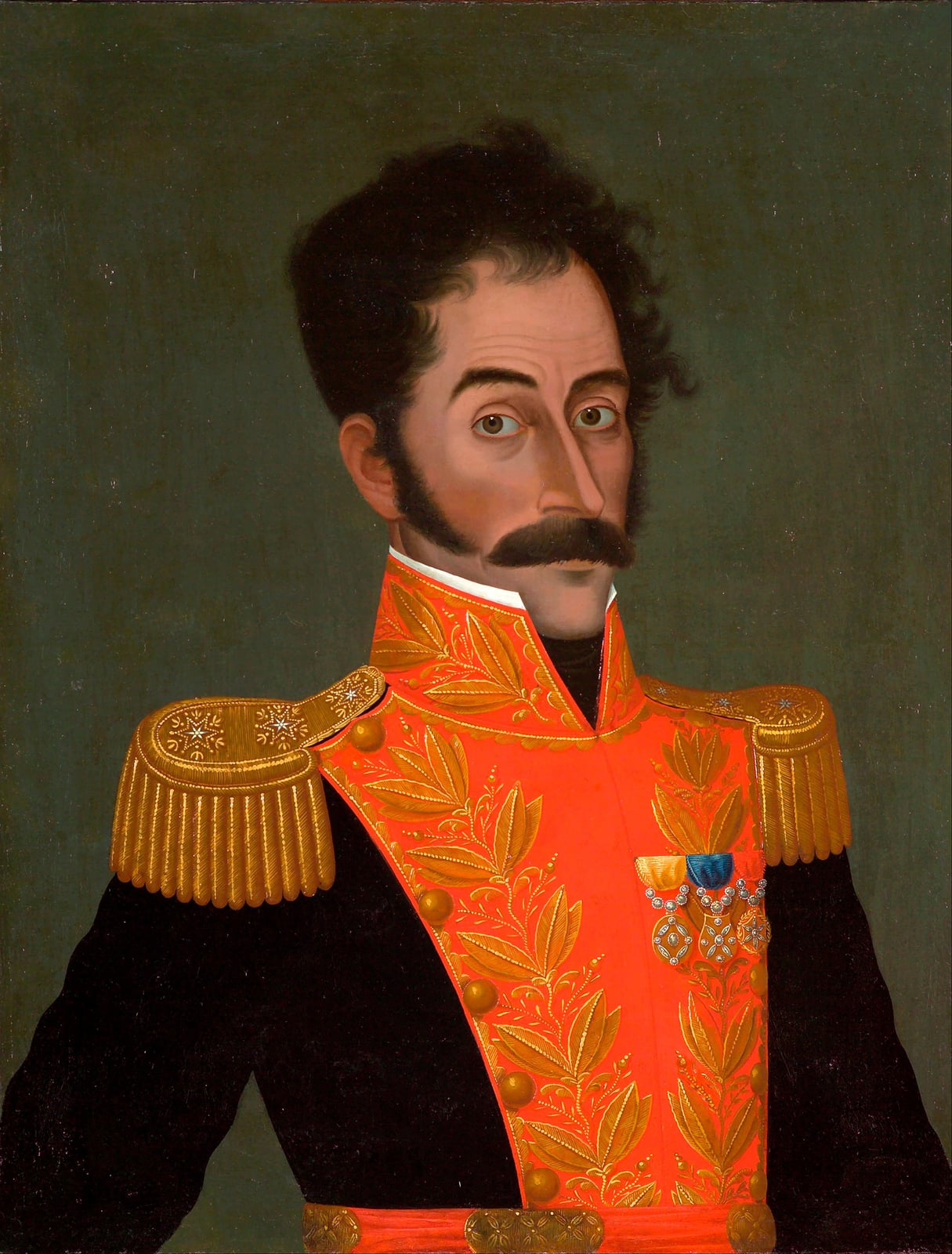
Painted by José Gil de Castro, circa 1823-1825, Lima Art Museum, Public Domain · Wikimedia Commons (hosted locally by this app as a resized/compressed derivative; see licenseUrl for the full-resolution original) · Public Domain
1783 — Born.
1813–1825 — Led military campaigns ending Spanish colonial rule across six future nations; served as President of Gran Colombia.
1815 — Wrote the "Letter from Jamaica" from exile, laying out his vision for independent governance.
1819 — Led his army across the Andes in a surprise campaign, winning the decisive Battle of Boyacá.
1828 — Assumed dictatorial powers in an attempt to hold the fracturing Gran Colombia together; survived an assassination attempt.
1830 — Resigned the presidency as Venezuela moved toward separation; died of tuberculosis in Santa Marta.
Between 1813 and 1825, Bolívar led military campaigns that ended Spanish colonial rule across the territories that became Venezuela, Colombia, Ecuador, Panama, Peru, and Bolivia — the last named for him — and served as President of the short-lived confederation of Gran Colombia.
Written from exile in Jamaica in 1815, after a series of early military defeats, his "Letter from Jamaica" laid out a detailed political analysis of Spanish American society and argued for a specific vision of independent, unified governance — a systematic piece of political theory, not only a rallying call, according to Lynch's biography.
In 1819, Bolívar led more than 2,000 soldiers across the flooded high plains and freezing mountain passes of the Andes into New Granada, a route Spanish royalist forces considered impassable during the rainy season. The surprise arrival let his army win the decisive Battle of Boyacá on August 7, 1819, opening the way to Bogotá.
In July 1822, Bolívar met privately with fellow independence leader José de San Martín at Guayaquil to discuss the political future of the newly liberated territories. No record of what was said survives, but San Martín withdrew from public and military life shortly afterward, leaving Bolívar as the dominant remaining figure in the continental independence movement.
The available record documents the outcome, not the disagreement itself, so this reading stays interpretive rather than settled — but it fits a wider pattern in the profile of real, working alliances that also carried real friction, not uncomplicated partnership. Collaboration
By 1828, Gran Colombia was fracturing under regional resistance to centralized rule from Bogotá, and Bolívar assumed dictatorial powers in an attempt to hold the confederation together, surviving an assassination attempt that September. Unable to reverse the fragmentation, he resigned the presidency in April 1830, as Venezuela moved toward separation, and died of tuberculosis in Santa Marta that December — the union he had spent nearly two decades building coming apart in the same year he died.
How to read Bolívar's motives in this later period is genuinely contested ground — the same person who once proposed a confederation beyond his own rule also concentrated power in his own hands when that project came under strain, which is why this profile keeps his impact motivation score toward the middle rather than the extreme. Impact Motivation
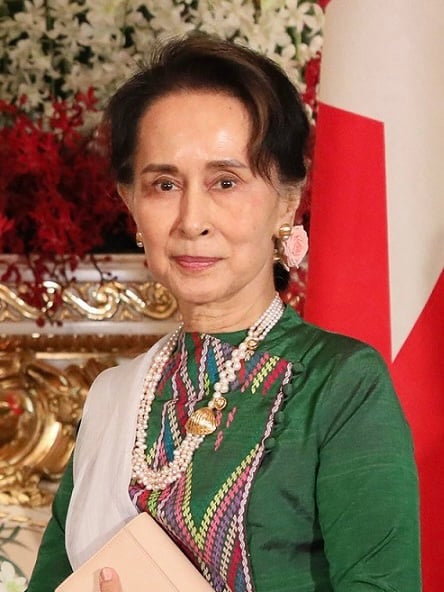
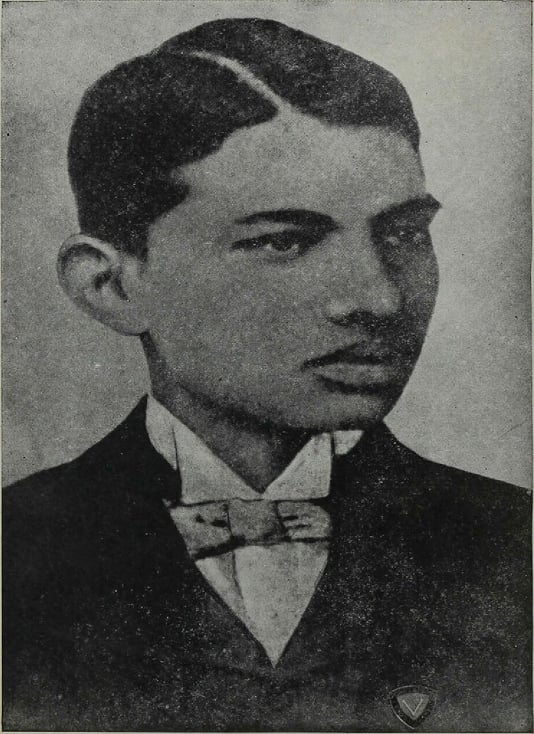
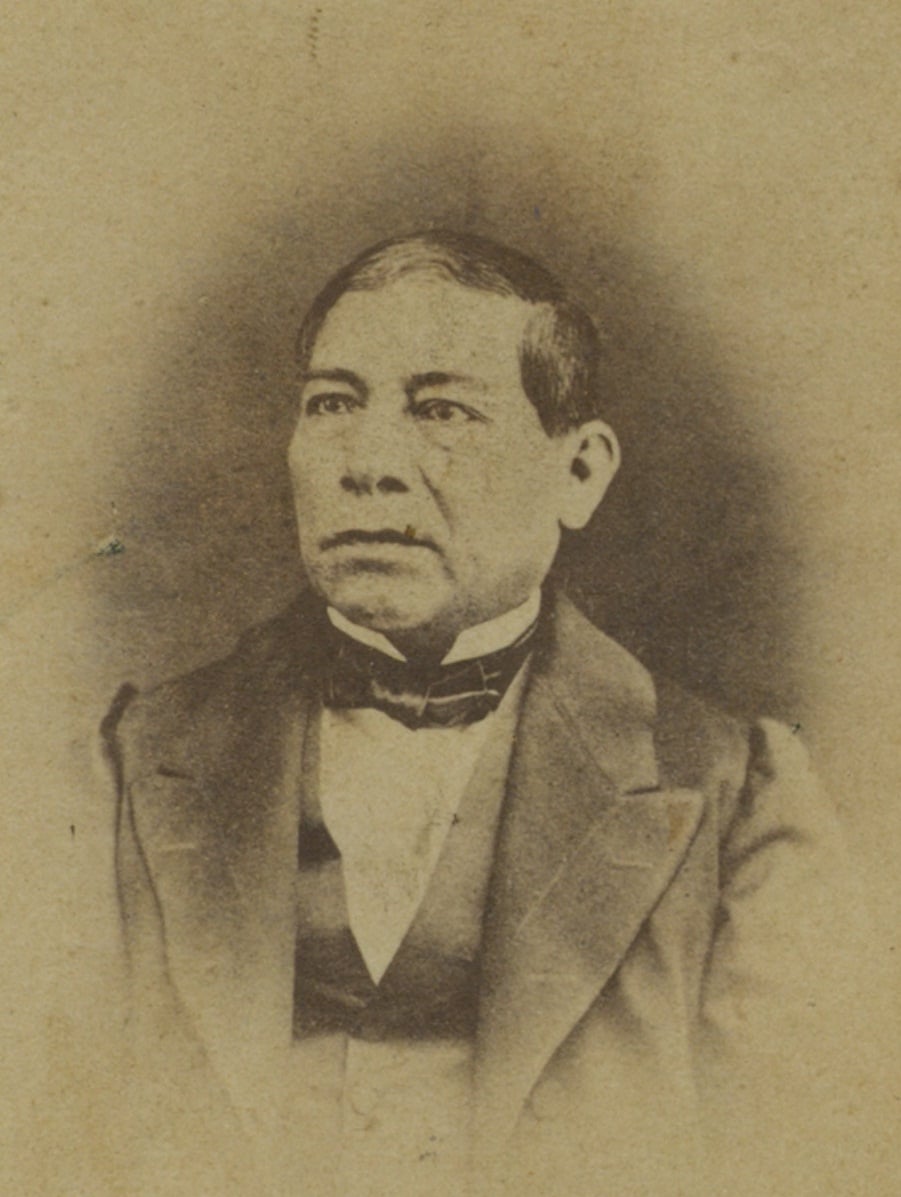
People whose overall profiles resemble theirs.
Not a rival — a different profile shape worth a look.
