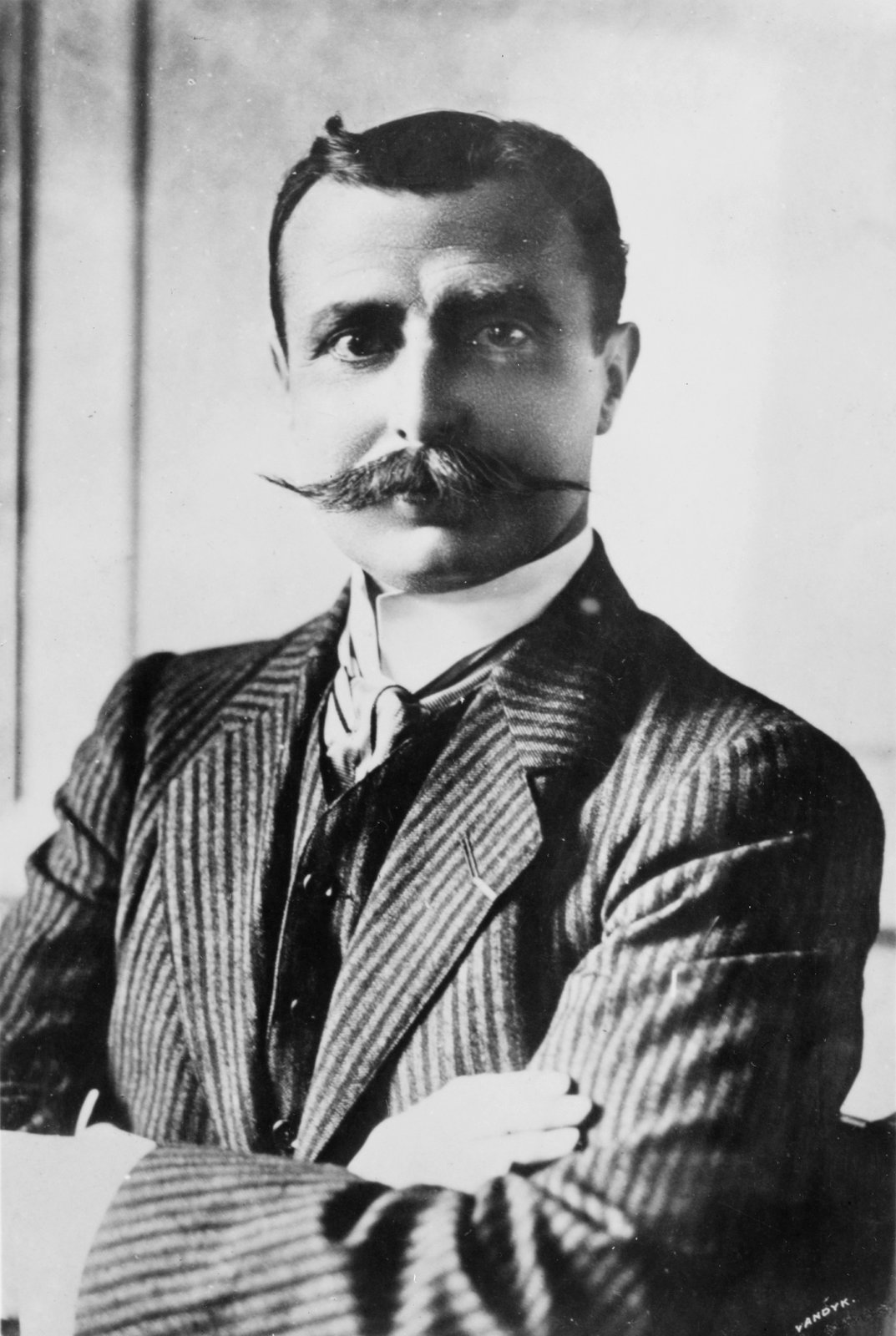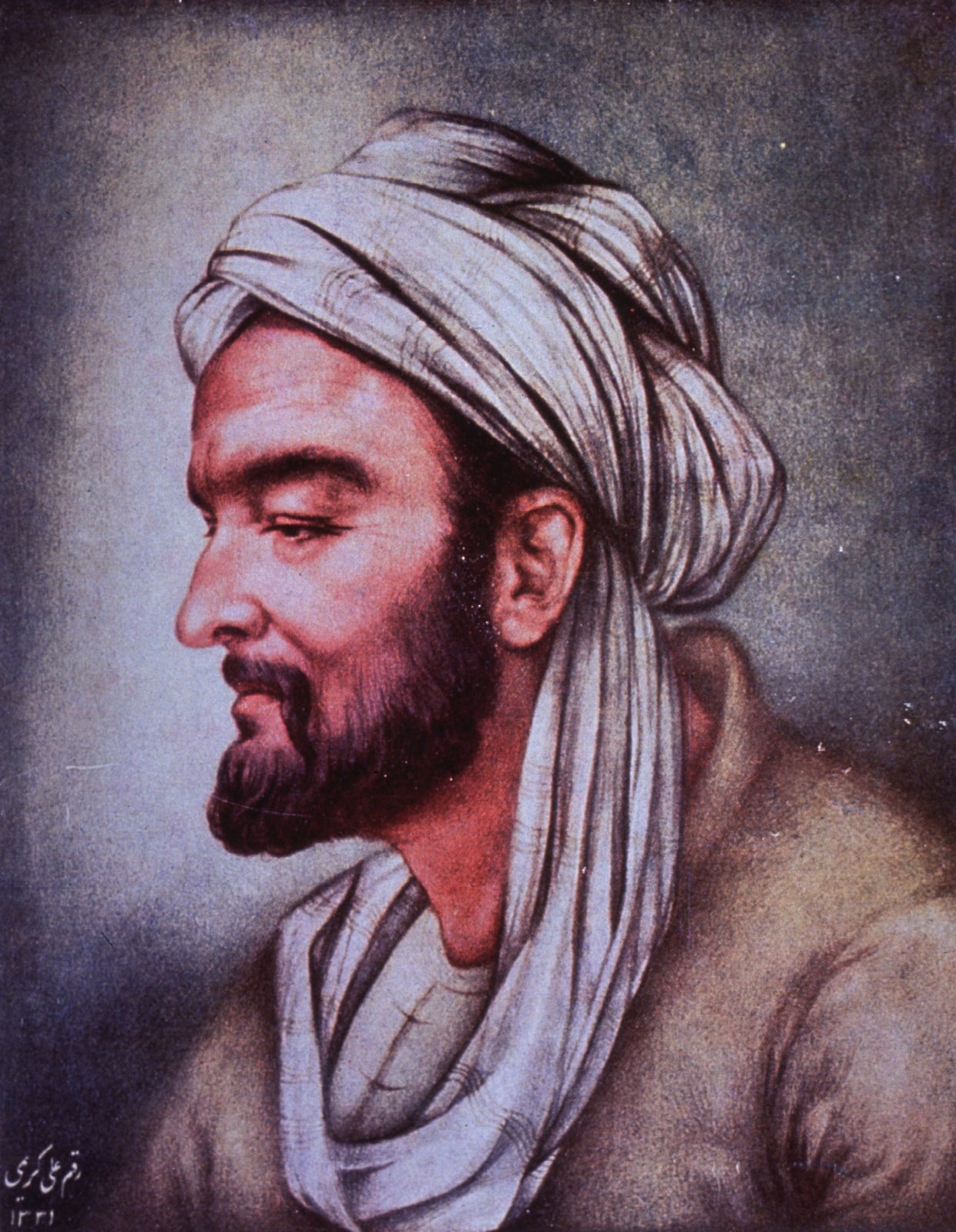

Vandyk (photographer), published by Rotary Photo, E.C., between 1909 and 1916; Library of Congress Prints and Photographs Division (LC-USZ62-100564), no rights restriction stated in the record · Library of Congress Prints and Photographs Division, LOT 6131 (LC-USZ62-100564; hdl.loc.gov/loc.pnp/cph.3c00564), photographic print 'M. Blériot, the first man to fly the channel', Vandyk, published as a Rotary Photo postcard; Ernest L. Jones Collection; also on Wikimedia Commons as 'Louis Bleriot.jpg' · Public domain
Trait Constellation
Key Achievements
On 25 July 1909 Blériot flew his Type XI monoplane from near Calais to Dover, about 31 miles, in roughly 40 minutes, becoming the first person to fly an aeroplane across the English Channel. The flight won the Daily Mail's 1,000-pound prize.
After experiments from 1900, Blériot made the compact Type XI monoplane his main design; twelve days before the Channel flight he flew it about 25 miles across country. Britannica reports that his factory built more than 800 aircraft between July 1909 and August 1914, many of them Type XI monoplanes or variations, and that in 1914 he took over the makers of the SPAD biplane.
Before turning to aeroplanes, Blériot ran a business making automobile headlamps and accessories; Britannica says the fortune it produced paid for his earliest aeronautical work. Flight described the acetylene lamp bearing his name as world-renowned in 1909, and reported his own estimate that he had spent about 20,000 pounds on aeroplane experiments in nine years.
Moments That Reveal Them
Flight reports that Blériot got up at about half past two on 25 July 1909, made a short trial flight, and then set out for England at about 4:40 French time with neither compass nor watch. He quickly outpaced the destroyer escorting him and, by his own estimate, spent about ten minutes out of sight of land and ship. Grahame-White and Harper say he chose not to circle and wait for the escort because the wind was rising and he thought his only hope was to fly straight on. Flight's editors judged the flight 'somewhat foolhardy', and noted that Blériot himself admitted as much.
Setting out over open water without a compass and not waiting for the escort is consistent with a high tolerance for risk; the same journal notes the precautions he did take and that luck helped, so the stance had real costs as well. Risk Tolerance
In his history of aeronautics, Charles Turner lists a run of wrecks: the No. IV biplane in a ditch in November 1906, the No. V monoplane days after its first flight in April 1907, the No. VI on 17 September 1907, and the No. VII, which overturned in December 1907 when a wing touched the ground in a turn. Turner writes that Blériot 'at once set to work' designing the No. VIII, and adds that some counted as many as fifty accidents in all. Flight reported in 1909 that he had spent about 20,000 pounds on experiments over nine years.
Rebuilding after each wreck for several years is consistent with persistence; Turner and Flight describe the sequence, not Blériot's own reasons, so the pattern is documented while the motive is not. Persistence
Turning Points
After the Channel flight, orders for the Type XI came quickly. Flight reported in July 1909 that he had sold 15 machines, in August that he had undertaken to deliver thirty-six by November at about 400 pounds each, and in September that he had sold his 101st and, to keep up with deliveries, was giving up a planned flying display in Berlin. Turner writes that he announced he would give up competitions and exhibition flying and devote himself to manufacture, which drew some criticism.
Moving from pilot and experimenter to full-time manufacturer while orders were arriving is consistent with opportunity sensing; the sources report the decision and the criticism, but not his own reasons. Opportunity Sensing
Similar People
People whose overall profiles resemble theirs.

Nellie Bly

T. E. Lawrence

Catherine the Great

Mahatma Gandhi

Jane Goodall
Sources
- Louis Blériot (Q5396) -- verified live via wbgetentities (2026-10-05): en label 'Louis Blériot', description 'French aviator, inventor and engineer (1872-1936)', ko label '루이 블레리오', birth 1 July 1872, death August 1936, citizenship France, instance of human, image 'Louis Bleriot.jpg'. Orientation only; not used as support for any row.
- Louis Blériot and Blériot XI -- English Wikipedia articles (raw wikitext), read as orientation only for the chronology of the aircraft series, the Daily Mail prize and the later business; not used as support for any scored row or for any editorial claim.
- Flight (London weekly aeronautical journal), issues of 17, 24 and 31 July 1909, Internet Archive full-text scans (Flight International Magazine 1909-07-17, 1909-07-24, 1909-07-31) -- CONTEMPORARY, INDEPENDENT trade press, sympathetic to aviation but not written by or for Blériot. Read locally: the 17 July report of his 25-mile cross-country flight; the 24 July notes on his entry for the Daily Mail prize, his cost-of-experiments statement, his burned foot and his starting-without-a-run patent; and the 31 July leader and news sections on the Channel flight (the journal's account of the crossing, its comment that the flight was 'somewhat foolhardy', the offer to share the prize with Latham, the Anzani engine, orders for machines and the Blériot lamp company).
- Flight, issues of 7, 14 and 28 August 1909, Internet Archive full-text scans (Flight International Magazine 1909-08-07, 1909-08-14, 1909-08-28) -- contemporary independent trade press. Read locally for Blériot's reception in Paris, the order to deliver thirty-six monoplanes by November at about 400 pounds each, his teaching of Leblanc and Delagrange on duplicates of the Type XI at Issy (including refusing to let a pupil fly in a squally wind) and the proposed, later cancelled, Blériot-Latham match race.
- Flight, issues of 4, 11 and 18 September and 16 October 1909, Internet Archive full-text scans (Flight International Magazine 1909-09-04, 1909-09-11, 1909-09-18, 1909-10-16) -- contemporary independent trade press, including H. Massac Buist's article on the Rheims meeting. Read locally for the Rheims results and the burning of Blériot's racing machine, the observation that Blériot's mechanics tied machines to a stake and measured propeller thrust with a hydraulic gauge, his London banquet speech of 15 September, his announcement that he had sold his 101st monoplane and would stop flying to deliver, and the October note on a British Blériot company.
- Charles C. Turner, The Romance of Aeronautics (London: Seeley, 1912), Internet Archive full text (romanceofaeronau00turn) -- independent British aeronautical historian and journalist, written three years after the Channel flight; narrative history, not a Blériot biography. Read locally: the passage on Blériot's experiments from 1900 to 1908 with the dated sequence of machines and wrecks, the passage on his early association with Voisin and the Seine glider trials, the Channel chapter (with the quotations from his own account), and the passage on the criticism he met for giving up exhibition flying.
- Claude Grahame-White and Harry Harper, The Aeroplane (Project Gutenberg eBook 45825) -- history of early aviation by a pilot and an aviation journalist, partly a rival-pilot perspective (Grahame-White flew Blériot monoplanes himself). Read locally: the passages on Blériot's early monoplanes, the dawn start of 25 July 1909, the ten minutes in sea mist, the decision not to wait for the escort, the abrupt landing at Dover and the burned foot.
- Claude Grahame-White and Harry Harper, The Aeroplane: Past, Present and Future (London: T. Werner Laurie, 1911), Internet Archive full text (aeroplanepastpr00harpgoog) -- the introduction's recollection of Blériot's early experiments from 1900 (flapping-wing 'bird', two-cell motor craft on floats at Enghien, first monoplane flights) and the biographical dictionary entry on Blériot (French Aero Club certificate No. 1, the Channel flight, the school at Pau, the Gnome-engined monoplanes). Independent of Blériot but written by pilot-authors, so partly sympathetic.
- Louis Blériot, 'Sporting and Commercial Possibilities of the Aeroplane', in Grahame-White and Harper, The Aeroplane: Past, Present and Future (1911), Section VII -- SELF source, an essay by Blériot (as presented by the book's editors) on engines, construction and aviation's prospects. Read in full as context only (his account of early engine failures, the critics who said reliable aeroplane engines were impossible, the 1909 appearance of the Gnome rotary engine); not used as support for any scored row because it is a self-account and the book's editors framed it.
- Flight, 6 August 1936, obituary 'The Death of Louis Blériot' (p. 153), and the 13 August 1936 notice 'The Late M. Blériot', Internet Archive OCR scans (sim_flight-international_1936-08-06_30_1441, sim_flight-international_1936-08-13_30_1442) -- period trade-press obituary written within a week of his death; the OCR is partly garbled and was read for the dated facts used (headlamp business profit, 1900 start and about 20,000 pounds spent, Lilienthal-style body-shifting replaced by wing warping, 'more crashing than flying', later turn to design and production). It gives his birth year as 1873, which conflicts with Wikidata and Britannica (1 July 1872).
- Encyclopaedia Britannica, 'Louis Blériot' (written by Tom D. Crouch, curator emeritus, National Air and Space Museum) -- institutional overview, read in full: the headlamp business that funded his experiments, the Blériot XI and the Channel flight, more than 800 aircraft built between July 1909 and August 1914, the 1912 wing-strength controversy, and the 1914 takeover of the makers of the SPAD. Used for the Achievement facts only, not for any scored row.