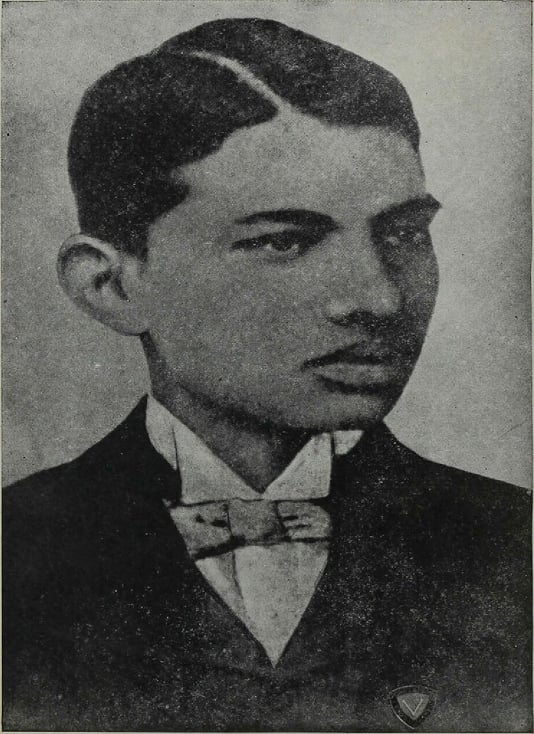
Mahatma Gandhi
94% Profile Match
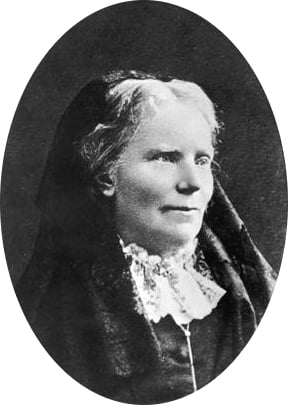
National Library of Medicine, photographer unknown · Wikimedia Commons · Public Domain (published before 1931)
1821 — Born.
1849 — Became the first woman to earn a medical degree in the United States, after rejection by around twenty-nine schools.
Following her degree — Lost sight in one eye to an infection during clinical training in Paris, ending her ambition to become a surgeon; redirected toward general practice and public health.
1853–1857 — Founded her own dispensary, growing it into the New York Infirmary for Women and Children.
Later career — Founded a Women's Medical College to train other women as physicians.
1910 — Died.
In 1849, became the first woman to earn a medical degree in the United States, after being rejected by roughly twenty-nine medical schools before Geneva Medical College admitted her — reportedly after the faculty put her application to a student vote as a joke, expecting it to be rejected, and the students voted to admit her instead.
Later founded a Women's Medical College, training other women as physicians at a time when almost no formal medical institution in the country would admit them.
She began pursuing medicine specifically after a dying friend told her that she would have been spared some of her worst indignities with a female doctor to attend her — a specific origin for a career choice that ran directly against the era's near-universal assumption that medicine was not a field for women.
After being turned down for a position at an existing dispensary's women's department, she founded her own dispensary in a rented room in 1853, growing it by 1857 into the New York Infirmary for Women and Children.
This offers a clear instance of the profile's autonomy_need score: building the institutional position that wasn't being offered to her, rather than continuing to seek an existing one. Need for Autonomy
While undertaking further clinical training in Paris, she contracted a severe eye infection from a patient and lost sight in one eye, ending her earlier ambition to become a surgeon. Rather than leaving medicine, she redirected her career toward general practice and public health — the fields in which she went on to found her infirmary and college.
This fits the profile's adaptability score: redirecting toward a different form of medical practice after a career-ending setback in the one she had originally pursued, rather than leaving the field. Adaptability
People whose overall profiles resemble theirs.