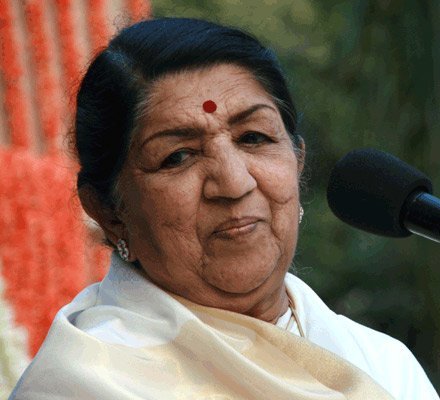

Photo: Bollywood Hungama, 2008, CC BY 3.0 · Wikimedia Commons file 'Lata Mangeshkar - still 29065 crop.jpg': photograph of Lata Mangeshkar by a Bollywood Hungama photographer at an event (the file page names the source still as the launch of a painting collection), a cropped image on the Bollywood Hungama website; the original file is 440 x 400 pixels, saved unchanged (no resizing, no upscaling). Licensed CC BY 3.0 by the copyright holder, with a Wikimedia volunteer-team permission record (ticket 2008030310010794) and a review by a Commons administrator in August 2010 who confirmed the image was on the Bollywood Hungama site. The file page gives the date as 2008; the first upload recorded the date as unknown, so the year is the file page's statement only. · CC BY 3.0
singer · 20th Century
Lata Mangeshkar
1929–2022
Known For
Not yet included in personality matching — the documented evidence doesn't yet cover enough of the personality model. Everything else on this page is fully available.
Trait Constellation
Key Achievements
She was a Hindi-film playback singer whose career spanned eight decades and who recorded songs for the soundtracks of more than 2,000 Indian films.
Her 1949 song 'Aayega Aanewala' from Mahal drew callers to All India Radio asking whose voice it was; she went on to record for all the major Bollywood music directors.
The Guinness Book of Records named her the most recorded artist in 1974, and she received the Dadasaheb Phalke Award (1989) and the Bharat Ratna (2001).
Moments That Reveal Them
She wrote out each song by hand before recording, and in concerts kept her eyes on a notebook of lyrics, saying that the words matter as much as the music.
This is consistent with close attention to the words of a song. Detail Orientation
She was not shy about taking a stand on her fees or on a share of the royalties from her songs; one account says the dispute over royalties with Mohammed Rafi halted their duets for a time.
This is consistent with a willingness to press a professional position even at some cost to a working relationship. Social Assertiveness
Turning Points
After early difficulty establishing herself against the prevailing voices, a break from the music director Ghulam Haider led to her first hit in 1949 with Mahal and Andaz.
This is consistent with persistence through an uncertain start before the breakthrough. Persistence
Similar People
People whose overall profiles resemble theirs.

Marcus Aurelius

Jane Goodall

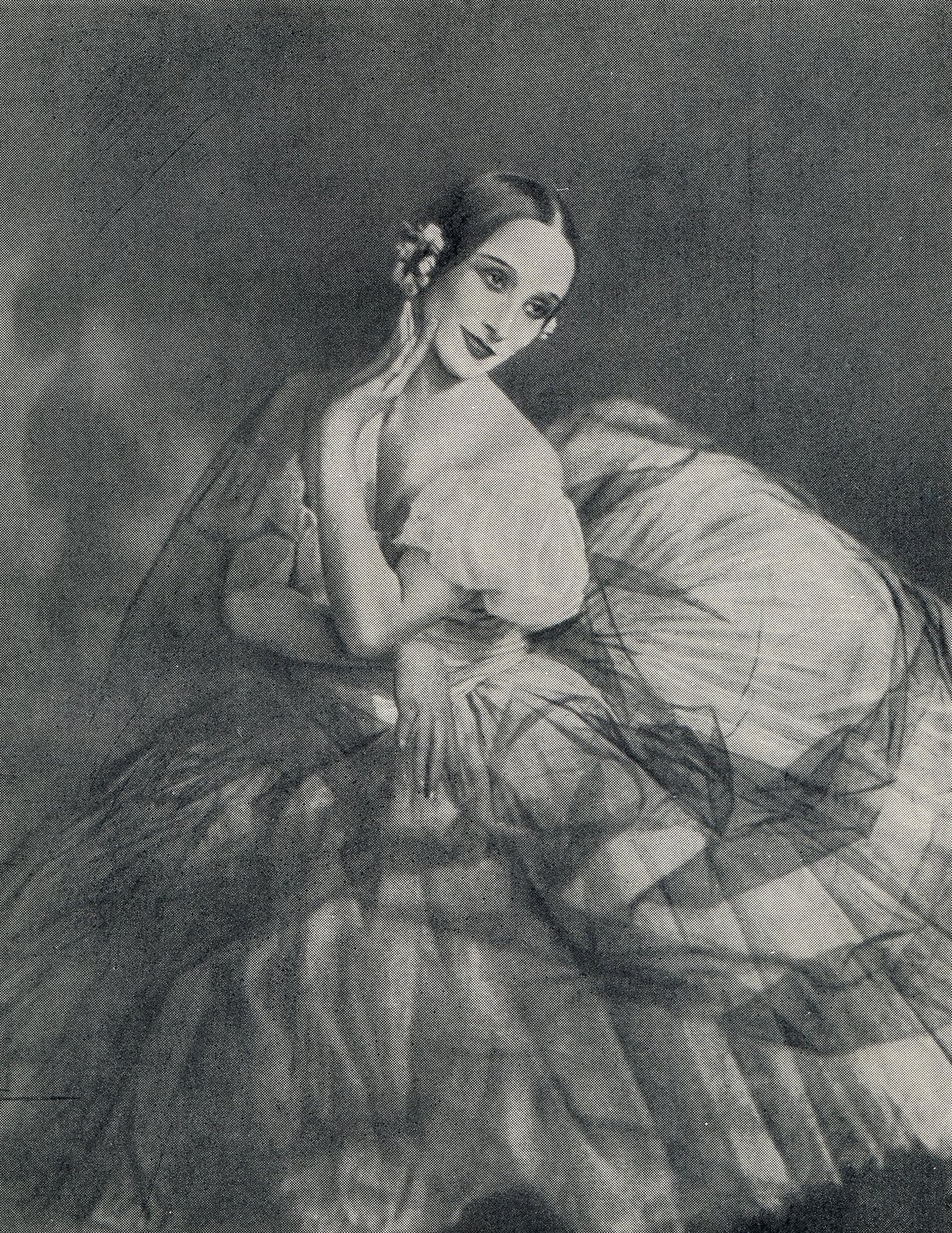
Anna Pavlova

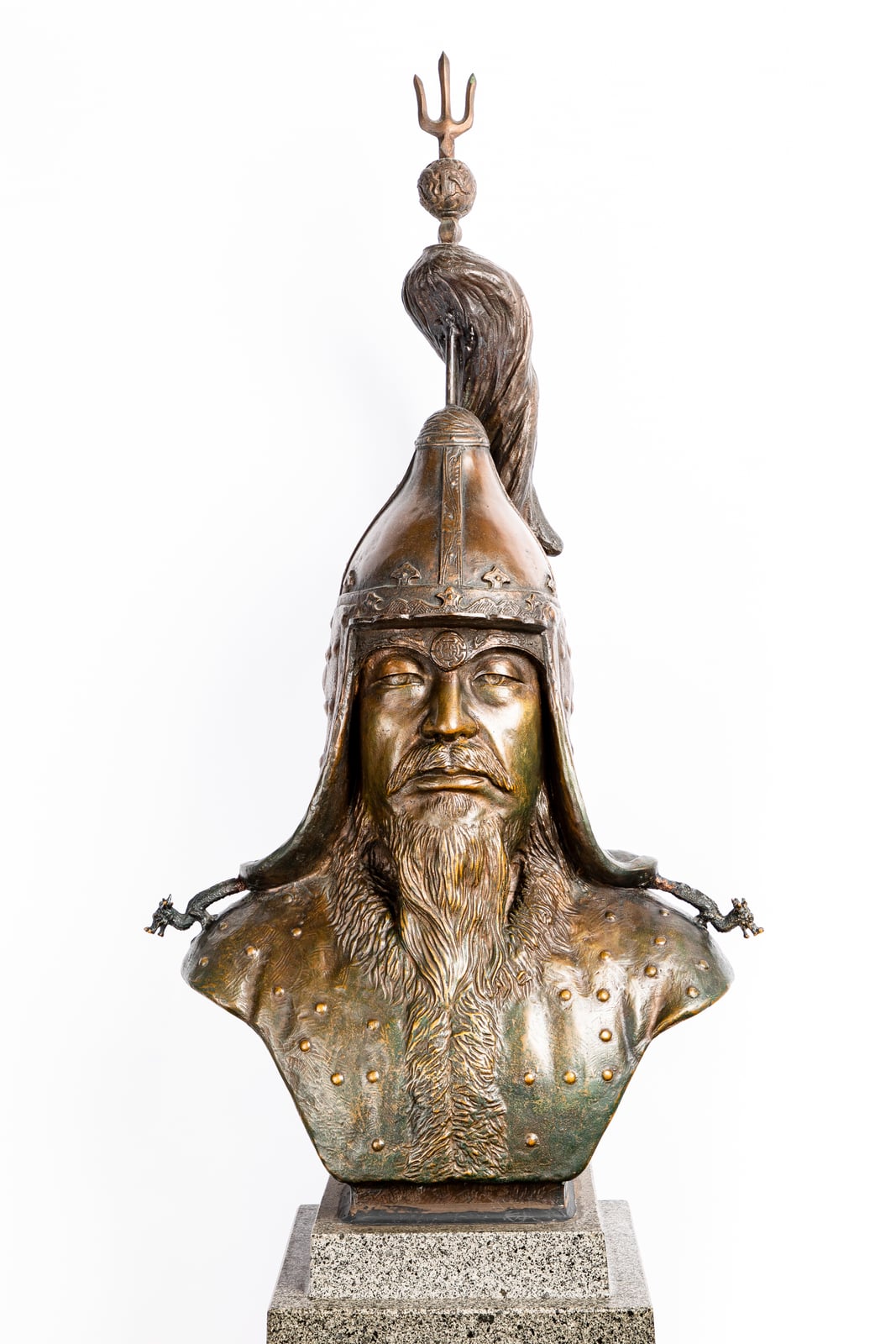
Yi Sun-sin

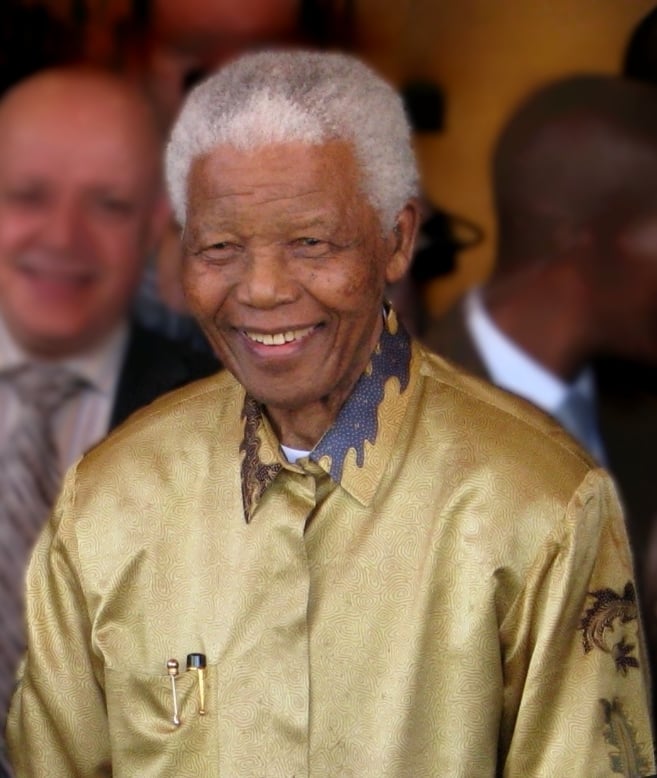
Nelson Mandela
Opposite Profile
Not a rival — a different profile shape worth a look.

Ludwig Wittgenstein
Sources
- Lata Mangeshkar (Q156347), verified live via the Wikidata API (2026-10-25): label 'Lata Mangeshkar', description 'Indian singer (1929-2022)', born 1929-09-28, died 2022-02-06, P18 image 'Lata Mangeshkar - still 29065 crop.jpg'. Orientation only; not used as support for any row.
- Encyclopaedia Britannica, 'Lata Mangeshkar', read in full. CANONICAL SIGNIFICANCE SOURCE: playback singer for the soundtracks of more than 2,000 Indian films over eight decades; classical training from her father and from Aman Ali Khan and Amanat Khan; early difficulty gaining a foothold against the prevailing heavier voices; first hit in Andaz (1949); music directors such as Naushad, Madan Mohan and S. D. Burman composed to use her range; Guinness 'most recorded artist' entry in 1974; Padma Bhushan, Dadasaheb Phalke Award, Padma Vibhushan, Bharat Ratna (2001) and the Legion of Honour. Reference entry: factual and admiring.
- Al Jazeera obituary, 'Nightingale of India Lata Mangeshkar has died' (6 February 2022), read in full: more than half a century of dominance in Bollywood music, work with nearly all of the major music directors, her willingness to take a stand on fees and a share of royalties, the habit of writing out each song by hand before recording, longevity and discipline, and critics' complaint that her dominance left little room for newer singers. International news obituary with a quoted music author; mostly admiring, with one critical line.
- Songlines magazine obituary by Katherine Schofield, 'Lata Mangeshkar (1929-2022)' (7 February 2022), read in full: the 1949 Mahal broadcast that drew listeners to All India Radio asking whose voice it was, her classical training and high, clear timbre as the sound of the film heroine, the later singers who imitated her style, her duets with Mohammed Rafi, and her 'hard-nosed business acumen', refusal to sing vulgar parts and power to make or break films and music directors. A specialist-magazine obituary by a music historian: admiring in register but analytical, and the source that states the business side most directly.
- The News Minute, 'Legendary singer Lata Mangeshkar passes away at 92' (6 February 2022), read in full: career chronology, the break she got from music director Ghulam Haider in an era that preferred slightly nasal voices, the 1949 Mahal hit, the range of music directors and male co-singers, and the list of awards. Regional news obituary used for the career timeline and for how her break came; the health and death passages were not used.
- Daily Times (Pakistan, 13 March 2014) article on Muhammad Rafi, republished by the Academy of the Punjab in North America, read in full. COUNTER-VOICE: relays a columnist's account that Rafi disagreed with Mangeshkar over her push for singers to receive royalties, that they stopped singing duets, that the composer Jaikishan later patched things up, and that she was annoyed by a letter disputing her Guinness song count. Opinion column about Rafi that itself relies on another writer's article; one account of one episode, treated as a single secondhand voice from Rafi's side and not as proof of her motives.
- Partho Datta, review of Nasreen Munni Kabir's 'Lata Mangeshkar: In Her Own Voice', The Book Review (December 2009), read as far as the free preview goes (the rest is behind a login): the reviewer's recollection of a concert where she looked at a notebook throughout because she held that the words matter as much as the music, his view that her fire was reserved for recorded music and that she re-invented herself in the 1970s, and his note that Kabir's interview is respectful and avoids controversy while Raju Bharatan's book was more critical. Partly read: later paragraphs were not opened.
- Rolling Stone India, review of 'Lata Mangeshkar in Her Own Voice' by Nasreen Munni Kabir (25 July 2009), read in full. COUNTER-VOICE: praises the book's care over facts but notes that Kabir avoids difficult areas, including the 'Mangeshkar monopoly' and complaints about its effect on other singers, and says the later half is encomium after encomium. A critical book review: used to bound the evidence and to flag that the well-known biographies are respectful or partisan.
- Wikimedia Commons file page 'Lata Mangeshkar - still 29065 crop.jpg' (photograph by Bollywood Hungama, CC BY 3.0, with a Wikimedia volunteer-team permission record), checked for the portrait only.