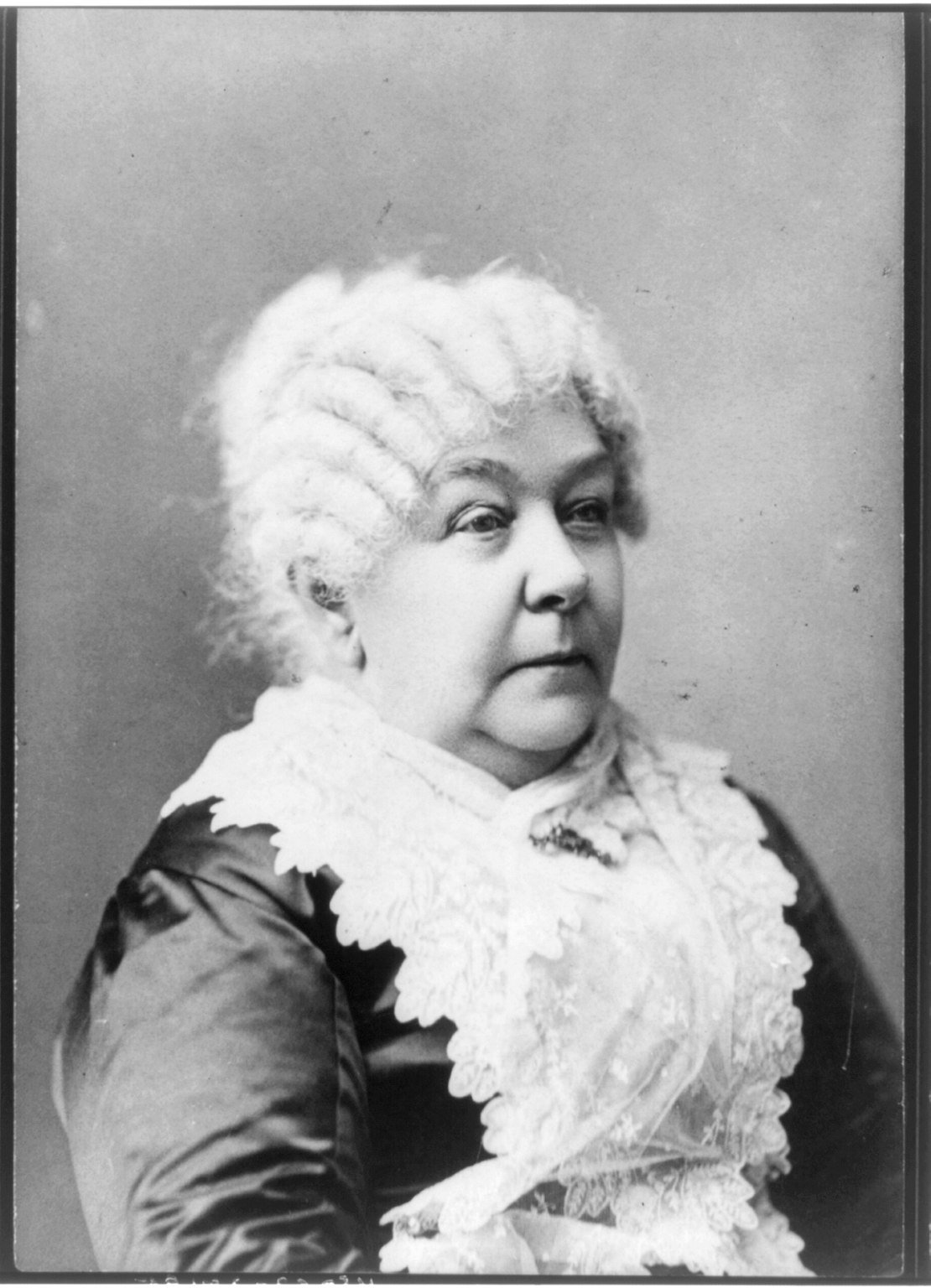
Elizabeth Cady Stanton
87% Profile Match
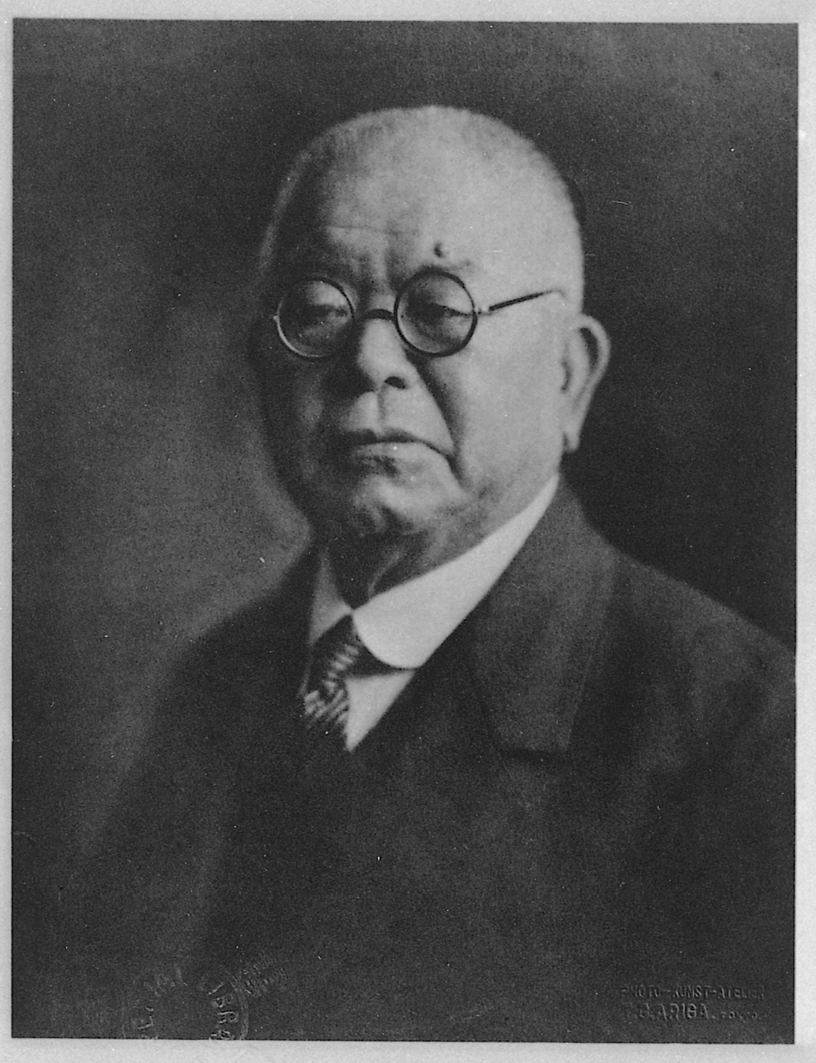
Photo-Kunst-Atelier T. Ariga, Tokyo, undated; reproduced by the National Diet Library, Japan, Portraits of Modern Japanese Historical Figures. · Studio portrait photograph of Kitasato Shibasaburo as an older man, bearing the stamp of Photo-Kunst-Atelier T. Ariga, Tokyo, reproduced in the National Diet Library's online exhibition 'Portraits of Modern Japanese Historical Figures' (image 0259_1, 816 x 1063). The Library's usage notice states that every portrait image in the exhibition is one whose copyright term has expired and that no application is needed to reuse it, including commercially. Date of the sitting is not stated; he died in 1931. Used at its original size, not upscaled. · Public domain (copyright term expired; National Diet Library usage notice)
scientist · 19th Century
1853–1931
Not yet included in personality matching — the documented evidence doesn't yet cover enough of the personality model. Everything else on this page is fully available.
In Robert Koch's Berlin laboratory he achieved the first pure culture of the tetanus bacillus in 1889 and, with Emil von Behring, published the 1890 paper on diphtheria and tetanus immunity that became the basis of serum therapy.
In 1894 he went to Hong Kong and reported a plague bacillus; Alexandre Yersin reported one within days, and the priority between them remains a documented dispute in which Yersin's findings gained wider acceptance.
He founded the Kitasato Institute in 1914, became first dean of the Keio University medical school, and trained researchers at his institute such as Kiyoshi Shiga and Hideyo Noguchi.
When pure cultures of tetanus were thought impossible, he devised an apparatus that used hydrogen to drive out oxygen and a sealable dish, and in 1889 obtained the first pure culture.
This is consistent with a researcher who built his own apparatus when existing methods failed. Resourcefulness
In Hong Kong in June 1894 he reported a plague bacillus through the physician James Lowson and The Lancet, and a later historian relays that his description differed from Yersin's in four major respects.
This is consistent with a rigorous laboratory worker whose fast field report left a disputed result. Analytical Rigour
After the government moved his institute to the Ministry of Education in 1914, he founded the Kitasato Institute and most of his team joined him.
This is consistent with a scientist who rebuilt a research institution of his own and kept his team around him. Leadership Drive
People whose overall profiles resemble theirs.


Not a rival — a different profile shape worth a look.