Jane Goodall
93% Profile Match
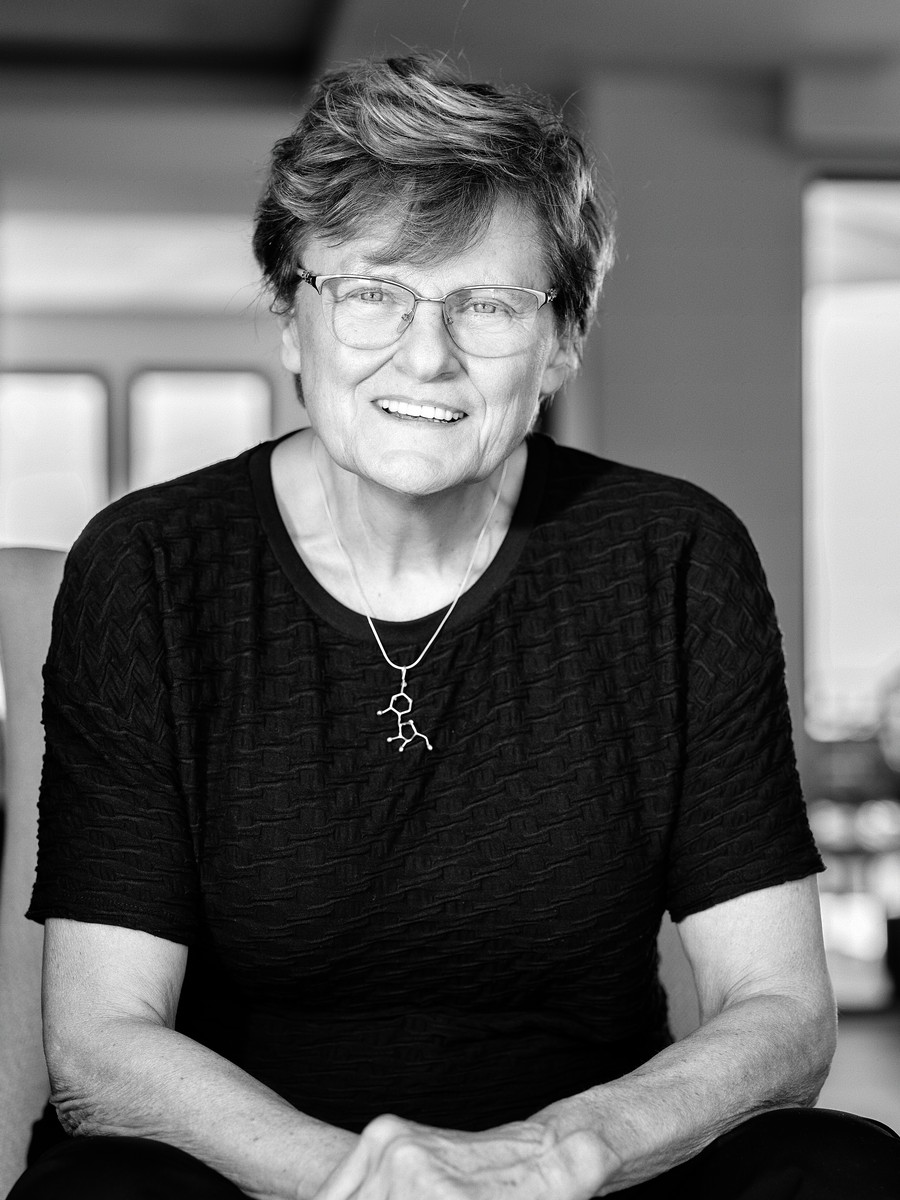
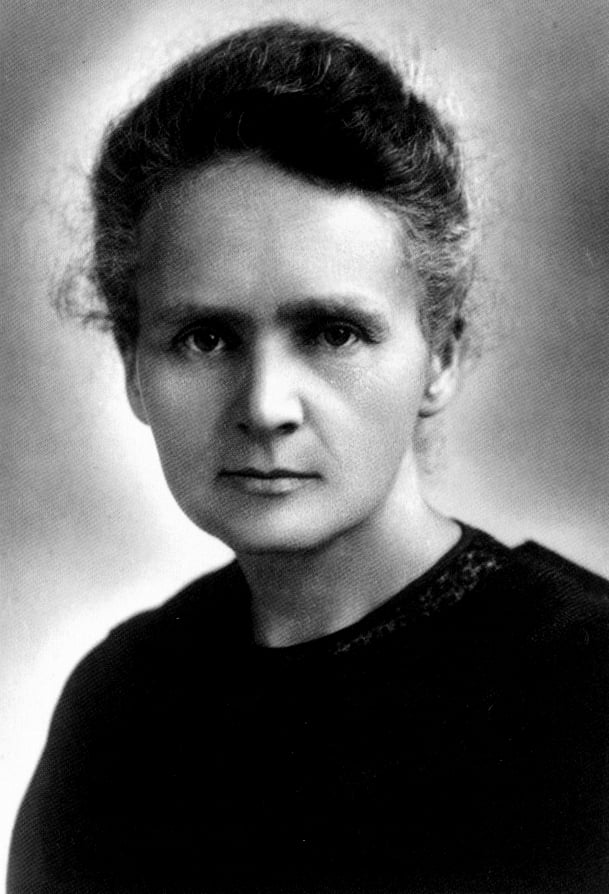
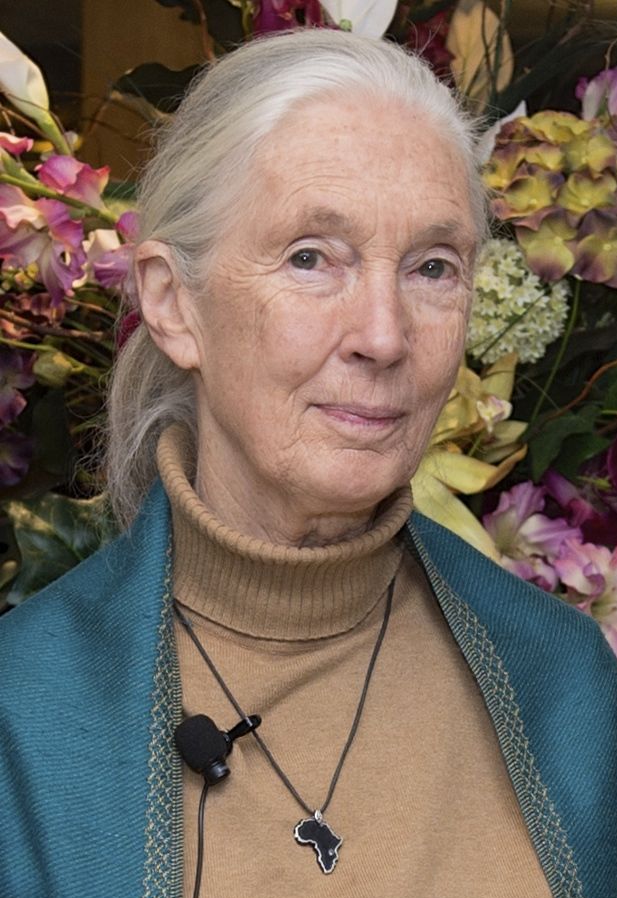
Photo: Christopher Michel, 2024, licensed under CC BY-SA 4.0; cropped and downscaled from the original · Wikimedia Commons, 'Katalin Karikó in 2024 by Christopher Michel 02.jpg' -- photograph by Christopher Michel, taken 16 September 2024, uploaded by the photographer (Commons account Cmichel67) on 17 September 2024 as own work under CC BY-SA 4.0; original JPEG 4569 x 6850 pixels (about 19.6 MB, Canon EOS R5 Mark II metadata). Black-and-white portrait. A 3:4 region (3969 x 5292 pixels) around her head and torso was cropped from the original and downscaled once to 900 x 1200 (never upscaled). · CC BY-SA 4.0
biologist · Contemporary
b. 1955
Not yet included in personality matching — the documented evidence doesn't yet cover enough of the personality model. Everything else on this page is fully available.
With the immunologist Drew Weissman, Karikó showed that replacing a standard building block of synthetic mRNA with a modified nucleoside such as pseudouridine greatly reduces the inflammatory response it provokes. Their 2005 paper was followed in 2008 and 2010 by studies showing that such modifications also raise protein production, which the Nobel Committee says removed critical obstacles to clinical uses of mRNA.
The two mRNA COVID-19 vaccines from Pfizer-BioNTech and Moderna were built on this nucleoside-modified mRNA and were first approved in December 2020, with protective effects of around 95 percent reported. For the discoveries that enabled them, Karikó shared the 2023 Nobel Prize in Physiology or Medicine with Weissman, two years after the pair received the 2021 Lasker-DeBakey Clinical Medical Research Award.
She pursued mRNA as a medicine for decades. At the University of Pennsylvania, where she worked from 1989 to 2013, she kept developing it despite difficulty convincing research funders, according to the Nobel Committee, and in 2013 she moved to BioNTech in Germany, whose partnership with Pfizer produced one of the first two approved mRNA COVID-19 vaccines.
To find out why lab-made mRNA triggered inflammation, Karikó and Weissman first compared RNAs from different sources: bacterial RNA caused a strong reaction in dendritic cells, mammalian RNA a mild one, and mammalian transfer RNA none. Because transfer RNA is rich in modified nucleosides, they then built a set of mRNAs each carrying one modified nucleoside and tested them on dendritic cells, measuring maturation and the activation of two RNA sensors. The sequence of experiments is described by the Lasker Foundation.
This is consistent with a stepwise, comparison-based way of testing an explanation. Analytical Rigour
In the mid-1990s Karikó was moved off the tenure track at Penn into a newly created senior research investigator post, and STAT's Stuart Buck writes that this followed her never winning an NIH grant for the mRNA work. According to the Penn Gazette she joined a neurosurgery lab in 1997 and kept publishing, including a 1999 paper in which she used urokinase receptor proteins to show that in vitro transcribed mRNA could be strongly expressed in living cells.
This is consistent with continuing a research programme through institutional setbacks. Persistence
In 1997 Karikó met Drew Weissman, a newly arrived immunologist at Penn, while both were waiting to use a photocopier. According to the Lasker Foundation she offered to make the mRNA he needed for HIV-vaccine experiments and he accepted, beginning the collaboration that led to the 2005 nucleoside-modification paper; Weissman later said they spent more than twenty years working together.
This is consistent with seeking out collaborators with complementary expertise and offering her own technical skill. Collaboration
People whose overall profiles resemble theirs.