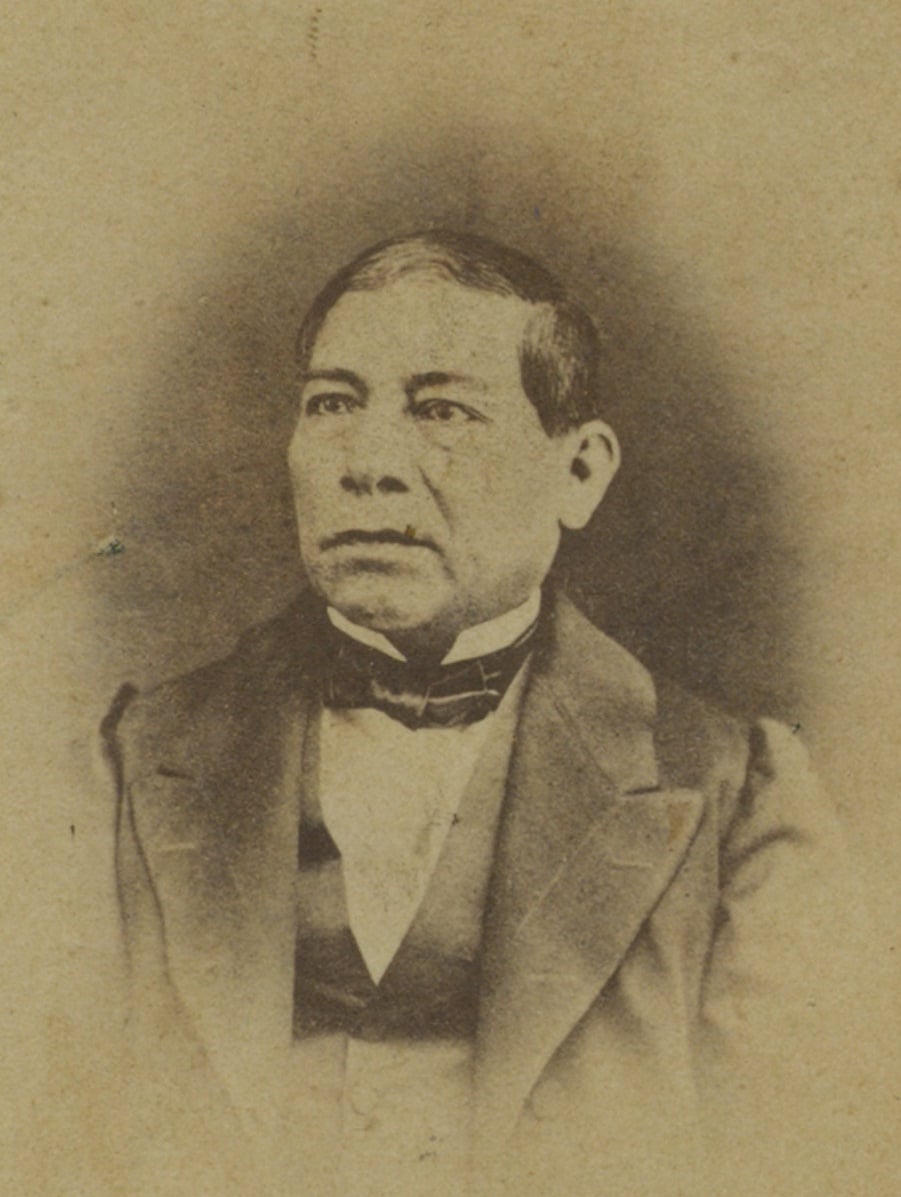
Benito Juarez
93% Profile Match
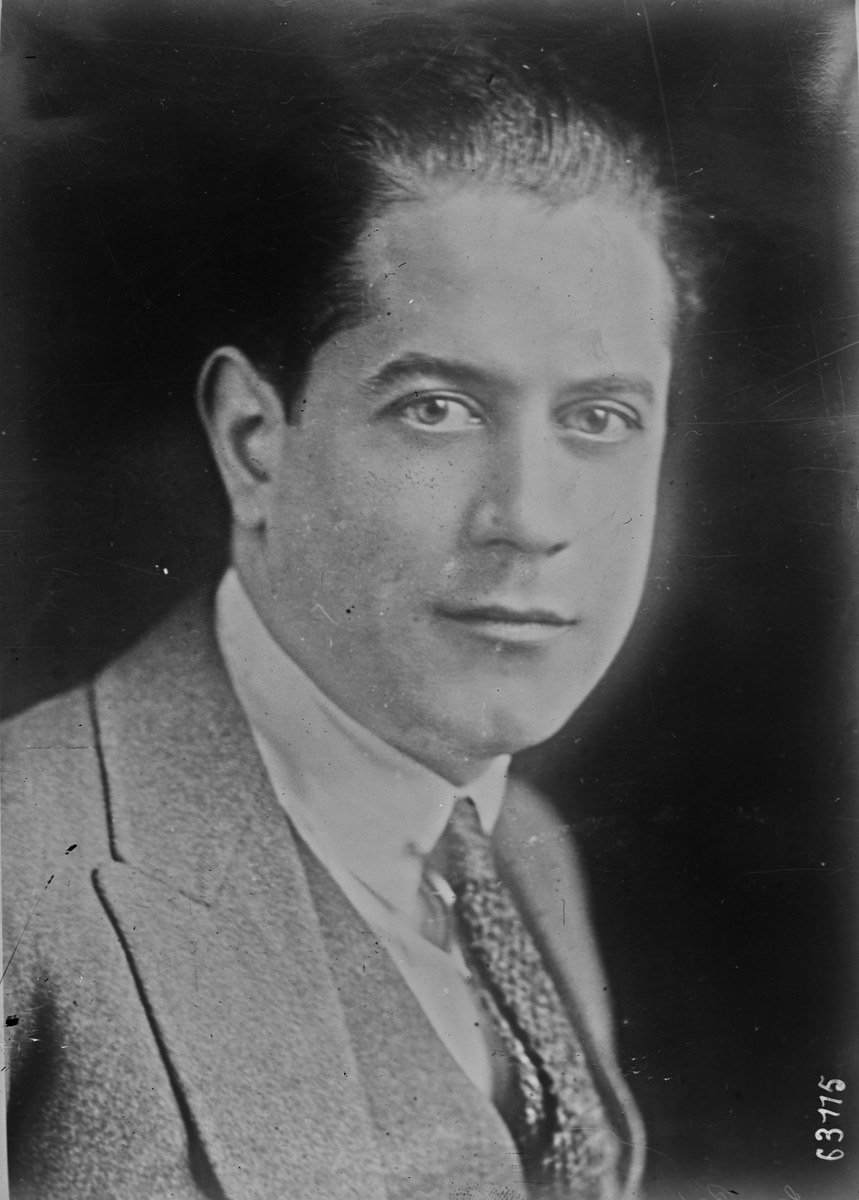
Agence Rol, M. Capablanca, champion d'échecs, January 1921, Bibliothèque nationale de France (Gallica), public domain · Press photograph 'M. [José Raúl] Capablanca, champion d'échecs' by the Paris press-photo agency Agence Rol (the individual photographer is not named), January 1921, reference Rol 63115, glass negative 18 x 13 cm, Bibliothèque nationale de France (Estampes et photographie, EI-13 (755)), digitised on Gallica. The BnF's own catalogue record for this item (read through its OAI service) gives the date as January 1921, identifies the subject as Capablanca and states the rights as 'domaine public' / 'public domain'; the image was taken in 1921, well over 95 years ago. The file is the Gallica scan as mirrored on Wikimedia Commons (6105 x 8511 pixels), cropped to remove the negative's frame and edge labels and reduced (downscaled only, never enlarged) to 859 x 1200 pixels. · Public domain (item-level statement by the Bibliothèque nationale de France; 1921 press photograph by Agence Rol)
athlete · 20th Century
1888–1942
Not yet included in personality matching — the documented evidence doesn't yet cover enough of the personality model. Everything else on this page is fully available.
Cuban chess master who won the world championship from Emanuel Lasker in Havana in 1921, with four wins, ten draws and no losses, and held it until Alexander Alekhine beat him in Buenos Aires in 1927.
Known for clear, error-free positional and endgame play: he went 63 games without a loss between 1916 and 1924 and was nicknamed the 'chess machine'; he also wrote My Chess Career (1920).
Drew up the 21-clause London Rules for world championship matches in 1922, accepted by the other leading masters at the London congress, and helped raise the profile of chess in Latin America through a Spanish-language magazine and tournaments in Havana and Buenos Aires.
In the 1910 talks he objected to Lasker's proposed 30-game limit, and in 1911 he did not play a title match he had qualified for because he was dissatisfied with the terms; a Havana-based match with Lasker was finally played in 1921.
This is consistent with a willingness to hold out over match conditions even when it delayed a title match for years. Conflict Tolerance
After the 1927 loss he sought a return match, renewing his challenge to Alekhine in 1929, 1930 and 1931 and again in 1938; none of these matches took place.
This is consistent with a long, repeated pursuit of the title that outlasted repeated setbacks. Persistence
In June 1920 Lasker resigned the title in his favour, but Capablanca travelled to The Hague and then to a Havana match, which he won in spring 1921, rather than accept the title by default.
This is consistent with wanting to earn the championship over the board rather than receive it by default. Achievement Drive
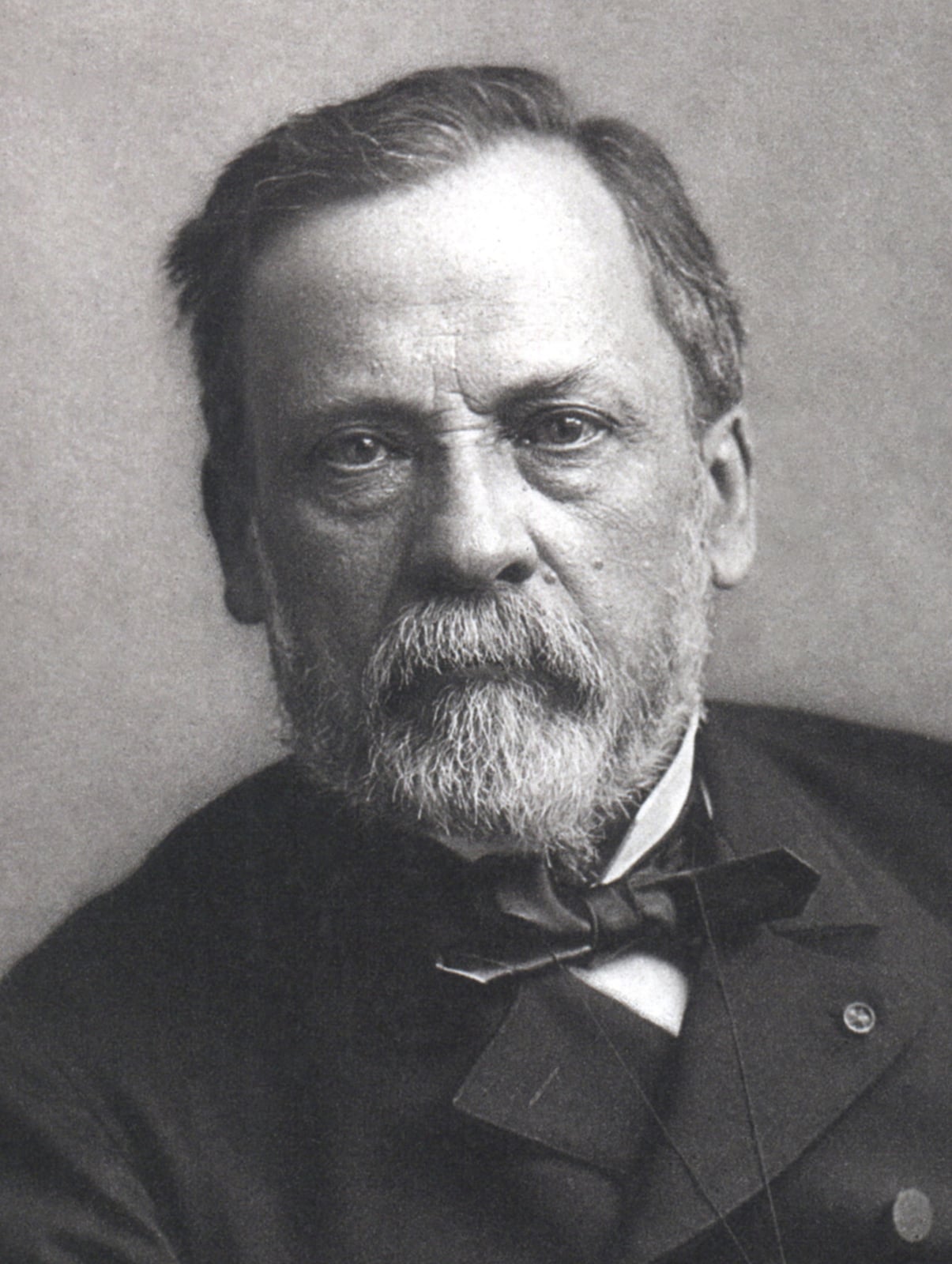
People whose overall profiles resemble theirs.
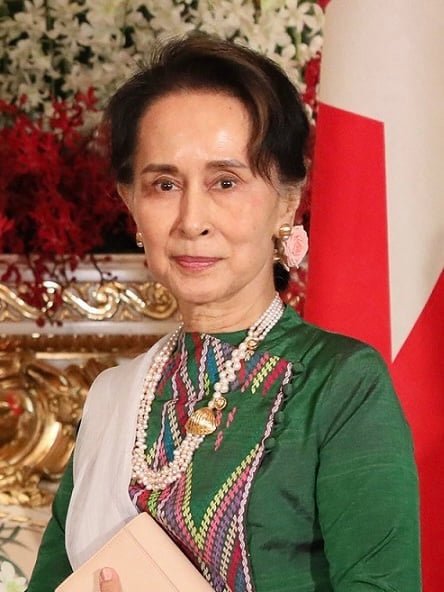


Not a rival — a different profile shape worth a look.
