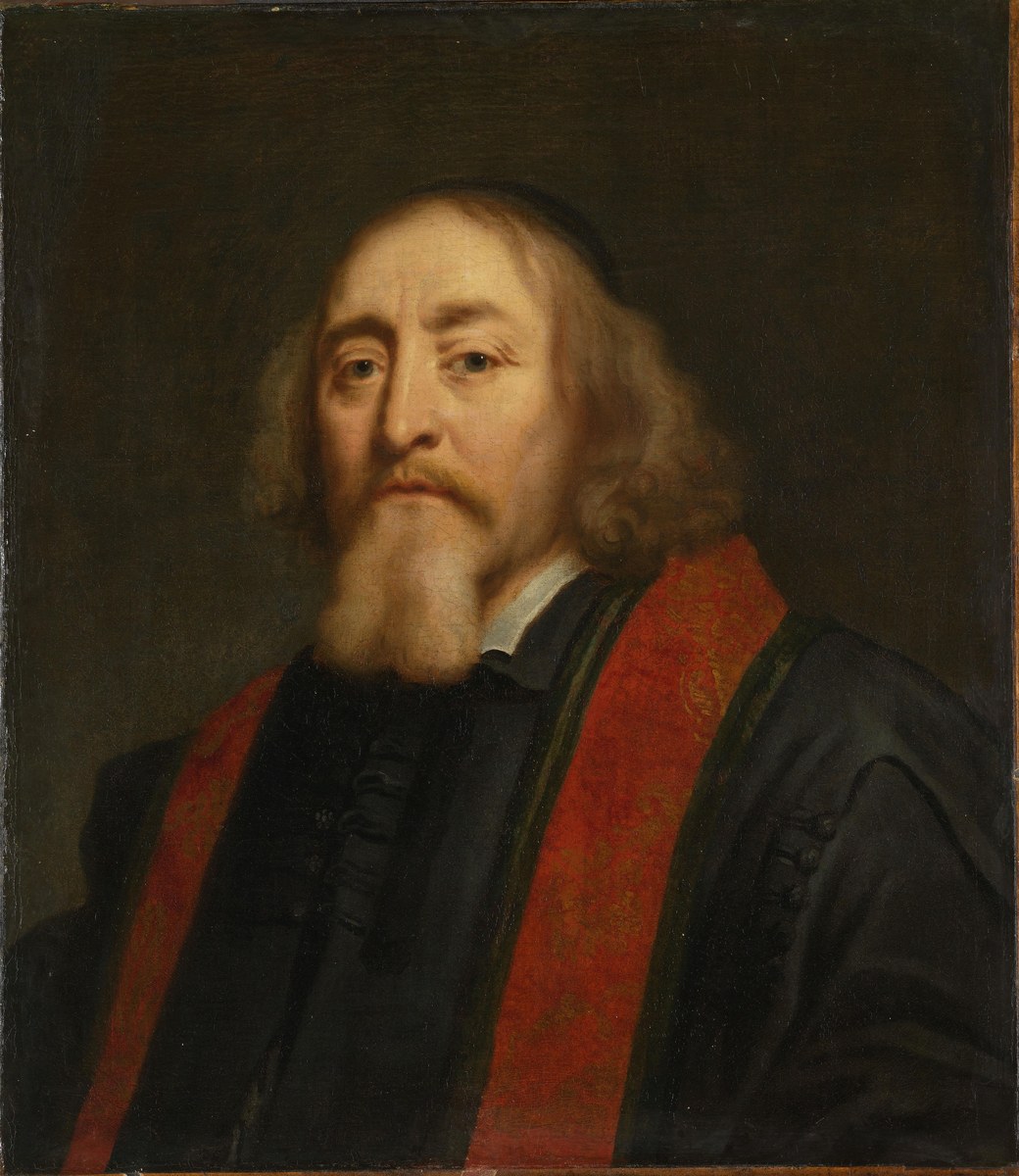

Jurgen Ovens, Portrait of Jan Amos Comenius, 1650-1670, oil on canvas, Rijksmuseum, Amsterdam, SK-A-2161 (public domain) · Portrait of Jan Amos Comenius, oil on canvas, 64 x 56 cm, by Jurgen Ovens, dated by the museum to 1650-1670 (the sitter lived in Amsterdam from 1656 until his death in 1670), Rijksmuseum, Amsterdam, inventory SK-A-2161, purchased 1905. The museum's collection page and its linked-art record mark the image Public Domain (Public Domain Mark 1.0) and the data CC0. The record documents no sitting, so the image is treated as a historical depiction. The file is the original 4635 x 5348 pixel museum image downscaled to 1040 x 1200 with no upscaling and no cropping. · Public domain (Rijksmuseum item-level Public Domain Mark 1.0; painter Jurgen Ovens died in 1678)
teacher · Early Modern
Jan Amos Comenius
1592–1670
Known For
Not yet included in personality matching — the documented evidence doesn't yet cover enough of the personality model. Everything else on this page is fully available.
Key Achievements
He proposed a school system of mother schools, vernacular schools, grammar schools and universities open to all people regardless of sex, condition or nation, and set out its method in The Great Didactic, published in 1657.
He wrote the Janua Linguarum Reserata, which paired Latin and Czech side by side and was translated into 16 languages, and the Orbis Sensualium Pictus (1658), an illustrated schoolbook that stayed popular in Europe for two centuries.
He spent decades on 'pansophy', a plan to harmonise all knowledge for teaching, and worked on its summation, A General Consultation Concerning the Improvement of Human Affairs, which remained partly unprinted.
Moments That Reveal Them
After the English civil war ended the plan for a college of pansophic learning in 1642, he went to Sweden to write school textbooks and, according to the chronology, resolved to give up his pansophic plans and return to education.
This is consistent with a thinker who redirected his work to the practical task on offer when a larger plan stalled. Adaptability
Turning Points
In 1628 he settled in Leszno, Poland, where his post at the Brethren's school turned him toward educational reform and the writing of his first coordinated series of education books.
This is consistent with a minister whose school work became the base for a lifelong programme of educational reform. Impact Motivation
Similar People
People whose overall profiles resemble theirs.

Abraham Lincoln

Maya Angelou

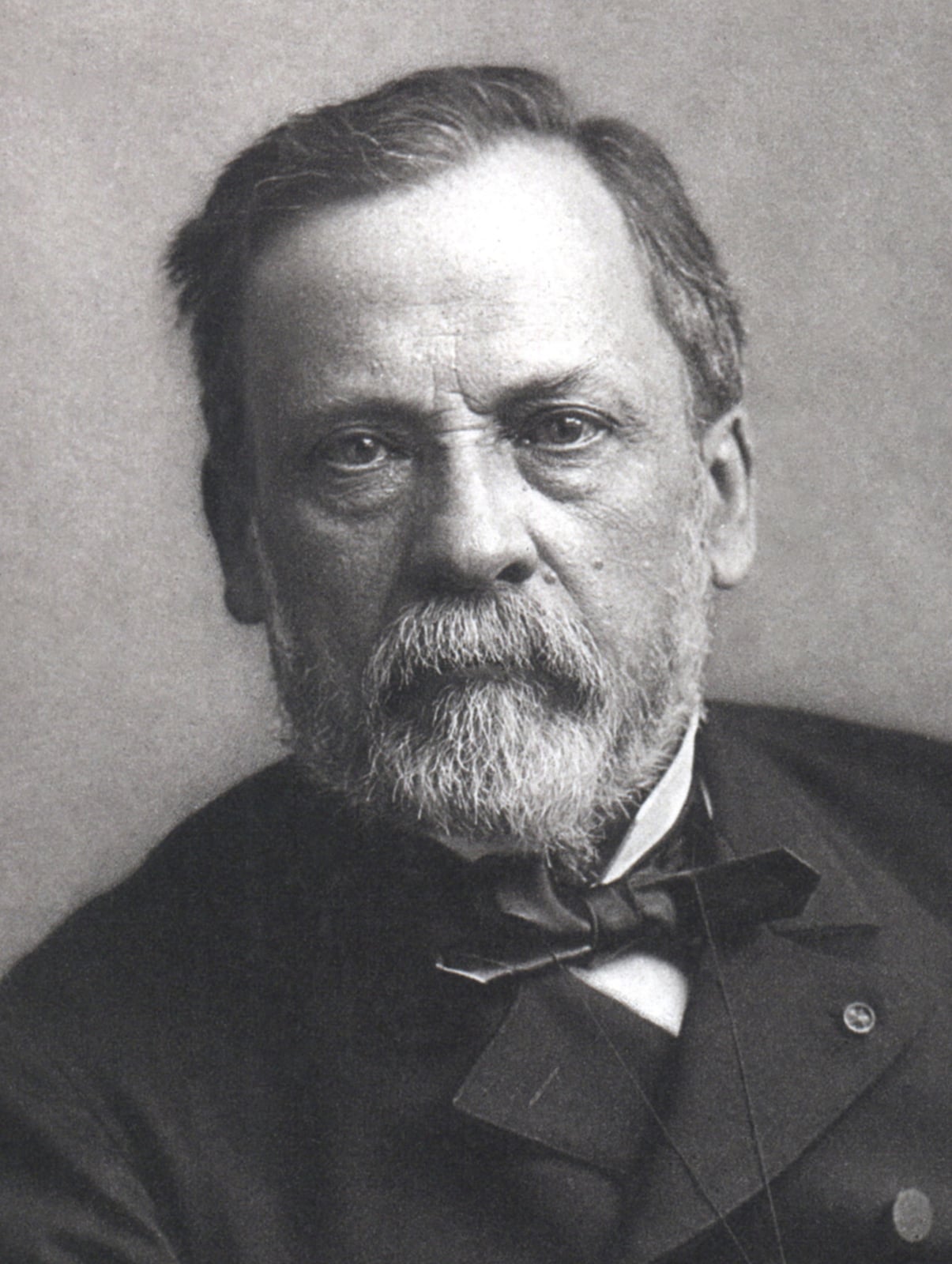
Louis Pasteur

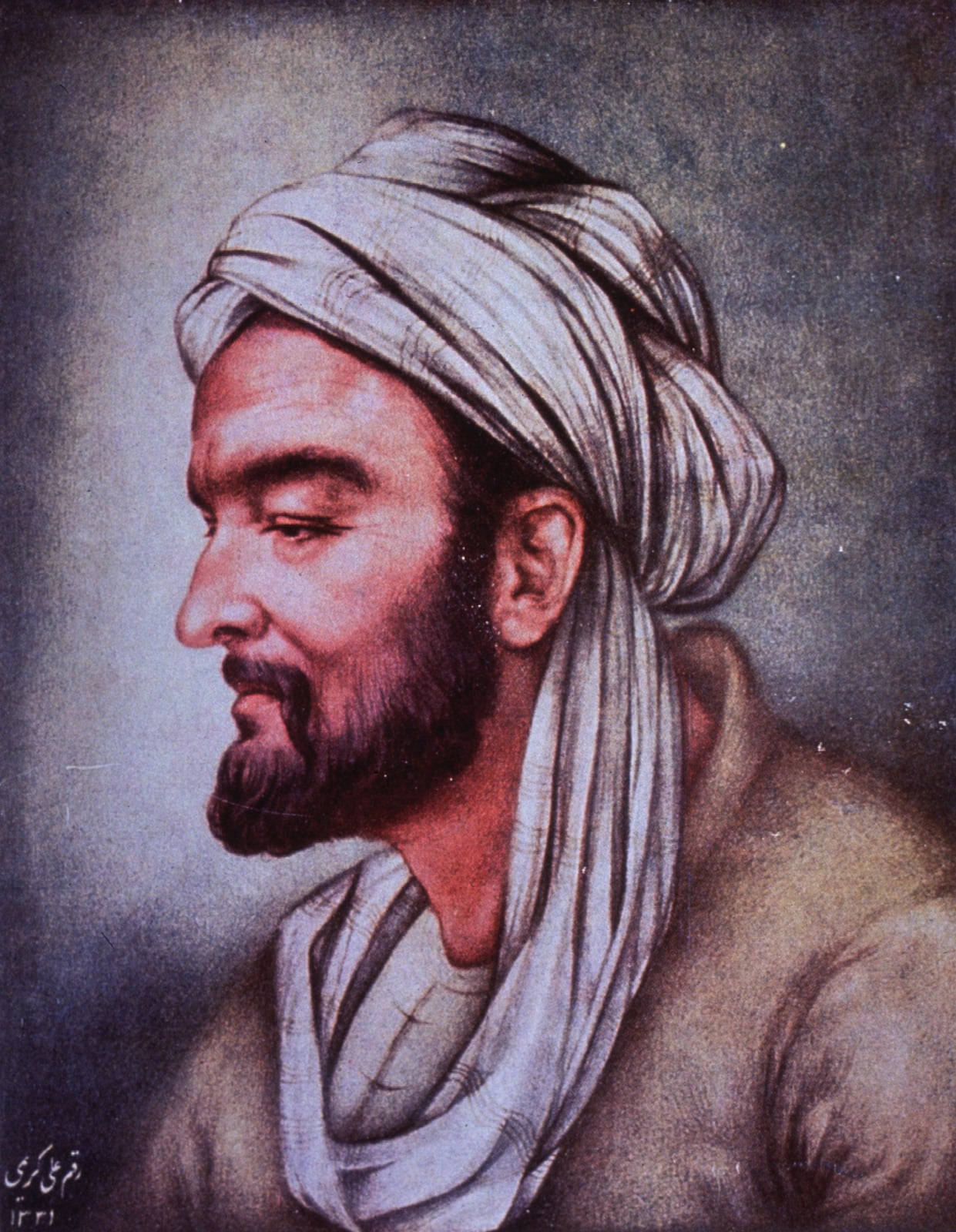
Ibn Sina

Ada Lovelace
Opposite Profile
Not a rival — a different profile shape worth a look.

Otto von Bismarck
Sources
- John Amos Comenius (Q12735), verified live via the Wikidata API (2026-11-01): label 'John Amos Comenius', description 'Czech teacher, educator, philosopher and writer (1592-1670)', born 28 March 1592, died 15 November 1670 (year-precision duplicates also given), citizenship Czech Republic, Korean label 요한 아모스 코메니우스, image the Rijksmuseum Ovens portrait SK-A-2161. Orientation only; not used as support for any row.
- Encyclopaedia Britannica, 'John Amos Comenius' (by John E. Sadler, formerly of the University of Birmingham; the public part of the article was read, covering the introduction, early life, exile, Leszno, England and Sweden and the start of the pansophy section; the remainder is subscriber-only). CANONICAL SIGNIFICANCE SOURCE: Czech educational reformer and religious leader remembered for innovations in teaching methods, especially languages; orphaned at 10, trained for the ministry, studied at Herborn and Heidelberg; forced to flee after the Thirty Years' War began, wrote the allegory The Labyrinth of the World and the Paradise of the Heart, and in 1628 settled in Leszno; there he wrote a proposal for full-time schooling for all youth taught their native culture and Europe's, and the Janua Linguarum Reserata (1632), which revolutionised Latin teaching and was translated into 16 languages; The Great Didactic (1657) says things should be presented to the senses with pictures, models and workshops; he devised a school system of mother schools, vernacular schools, grammar schools and universities; invited by Samuel Hartlib to London in 1641 to found a college of pansophic learning, which the English Civil War ended; in Sweden his textbooks based on pansophy 'failed to satisfy anyone' and some of his maxims are called 'rather platitudinous'; the Orbis Sensualium Pictus (1658) was a popular illustrated schoolbook for two centuries. Scholarly encyclopaedic reference by a specialist; praise is retrospective.
- Jean Piaget, 'Jan Amos Comenius (1592-1670)', Prospects (UNESCO International Bureau of Education, 'Thinkers on Education' series), 1993, reprinting Piaget's 1957 UNESCO introduction 'The Significance of John Amos Comenius at the Present Time', with a chronology of Comenius's life and works by Giuliana Limiti (Monoskop PDF copy, 24 pages, text extracted and read for the introduction sections I-II and the whole chronology): Piaget warns against modernising a 17th-century author; calls his writings full of obscurities and apparent contradictions; reads education as the core of his pansophy and credits him with an a priori 'Great Didactic' while noting his sensation-based formulae; says the 'General Consultation' was unfinished and its simplifications 'proved too much for him'; the chronology gives the 1628 Leszno period, the Didactica magna, Janua (1631), the 1641 English invitation, the 1642 decision to give up pansophic plans for education, the Elblag and Sarospatak periods, the 1656 loss of manuscripts in the Leszno fire, the 1657 Opera didactica omnia in four parts, and the Amsterdam years. A UNESCO scholarly essay by an independent specialist; admiring but with explicit critical caveats; the 'first to conceive a science of education' wording is not carded.
- 'John Amos Comenius', Encyclopedia of World Biography (via Encyclopedia.com), read in full (short entry): born in southeastern Moravia in 1592, higher education at Herborn and Heidelberg, ordained 1616 and pastor at Fulnek 1618, forced into hiding after the sack of Fulnek, wrote The Labyrinth of the World, in Leszno from 1628 as corrector of the Brethren's school which led him to educational reform; lists the reforms he advocated (gentler discipline, the vernacular in primary schools, free universal compulsory education for both sexes and all classes), Janua linguarum reserata, election as bishop in 1632, pansophy, the invitation to England, the Swedish school reform, a pansophic school in Hungary in 1650 that ended in conflict and his return to Leszno in 1655, flight to Amsterdam in 1656. Short reference entry; it mislabels the Brethren and gives his death date as 4 November, so it is used only for the sequence of posts.
- 'Comenius', New World Encyclopedia (rewritten from Wikipedia; retrieved 7 January 2024 per the page), read in full: Czech teacher and Moravian bishop; his pansophism as unification of all knowledge for all peoples in their own languages; the Labyrinth allegory; schooling in native language plus Latin; Orbis Pictus (1658) and Didactica Magna; school and printing press burned in Leszno in 1656. Popular encyclopedia of low weight: it states superlatives and legends that are NOT used ('first person to use pictures in textbooks', 'offered the first presidency of Harvard', 'more than 200 books'), and Britannica says only that Harvard's agent 'may have met' him. Used only to corroborate the pansophy aim and the 1656 fire.
- 'John Amos Comenius 1592-1670', A History of Speech - Language Pathology (University at Buffalo history-of-cds site), read in full (short page): three language-teaching books (Janua linguarum reserata 1631, its vestibule 1633, Orbis sensualium pictus 1658 with 150 thematic expositions and a recommended teaching sequence), Didactica magna and pansophism, a four-stage school plan, and the recommendation that even 'the naturally dull and stupid' be educated. University teaching page that cites Britannica; used only to corroborate the textbook sequence.
- Rijksmuseum, Amsterdam, collection record SK-A-2161, 'Portrait of Jan Amos Comenius' by Jurgen Ovens (live web page and the museum's linked-art record at hdl.handle.net/10934/RM0001.COLLECT.4913 both read): oil on canvas, 64 x 56 cm, 1650-1670, purchase 1905-07, no 'attributed to' qualifier, image marked Public Domain (Public Domain Mark 1.0) and data CC0. Used only for the portrait rights; not used as support for any row.