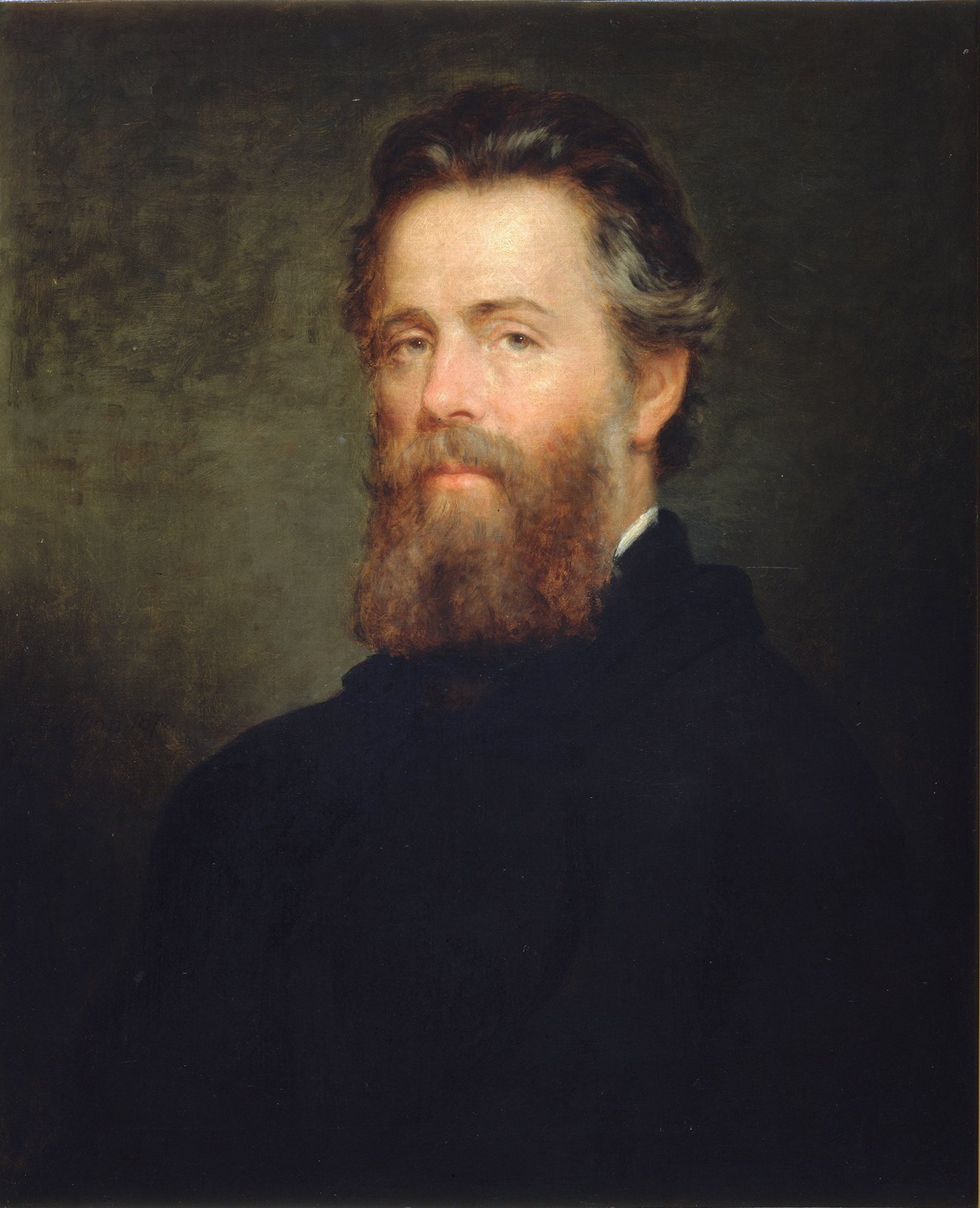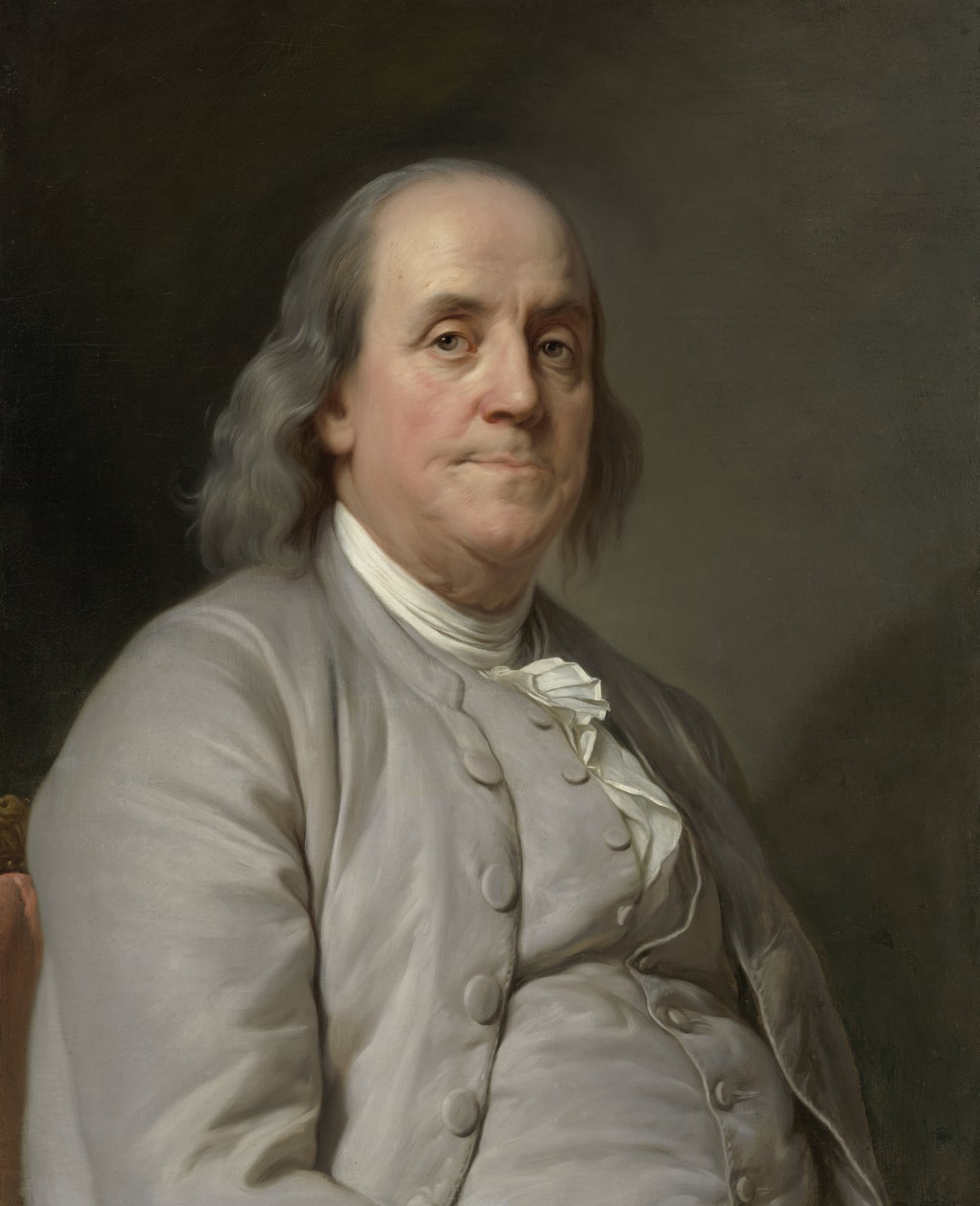

Joseph Oriel Eaton, 'Herman Melville', 1870, oil on canvas, commissioned by Melville's brother-in-law John Hoadley and presented to the family; now at the Houghton Library, Harvard University (accession 61Z-4). Rights chain verified from the Commons file page wikitext and upstream credit; Harvard's catalogue page was not retrievable by script so the Houghton holding rests on the Commons record. · Joseph Oriel Eaton, portrait of Herman Melville, oil on canvas, May 1870 (accession 61Z-4, Houghton Library, Harvard University), via Wikimedia Commons file 'Herman Melville by Joseph O Eaton.jpg' (original 1461x1801; downsized to 1298x1600, no upscaling) · Public domain (artist Joseph Oriel Eaton died 1875; PD-Art / PD-old-auto-expired on Commons)
writer · 19th Century
Herman Melville
1819–1891
Known For
Not yet included in personality matching — the documented evidence doesn't yet cover enough of the personality model. Everything else on this page is fully available.
Trait Constellation
Key Achievements
Melville's Moby-Dick; or, The Whale, a long novel of the whaleship Pequod and Captain Ahab's pursuit of a white whale, was published in London in October 1851 and in New York in November 1851. It draws on his own time at sea: the National Archives holds the Acushnet crew list showing that he signed on as a greenhand in December 1840 and left the ship at Nuku Hiva in July 1842. American reviews at the time were mostly favourable, and the book's standing as his major work grew in the 1920s revival.
Melville's first two books, Typee (1846) and Omoo (1847), were narratives of his years in the Pacific. The London publisher John Murray bought the English rights to Typee for 100 pounds, and the New York firm Wiley and Putnam published it simultaneously. By the start of 1849 Wiley and Putnam had sold 6,392 copies in the United States, and reviewers on both sides of the Atlantic took notice of both books.
After 1853 Melville turned to shorter forms and verse. Bartleby, the Scrivener appeared in a magazine in late 1853 and the Piazza Tales, a collection of his magazine stories, in 1856. His first book of poems, Battle-Pieces and Aspects of the War, was published by Harper and Brothers in 1866, and the long poem Clarel, a roughly 20,000-line poem based on his 1856-57 journey to the Holy Land, followed in 1876.
Melville finished Billy Budd, Foretopman five months before his death in 1891, but it remained unpublished until Raymond Weaver's 1924 edition of Billy Budd and Other Prose Pieces, prepared from the manuscripts that Weaver located with the help of Melville's granddaughter. The edition was part of the first collected edition of his works.
Moments That Reveal Them
While writing Moby-Dick in 1850 and 1851, Melville also ran a farm at Pittsfield. His wife's journal, quoted by Weaver and Mumford, records that he would sit at his desk all day, ride to the village after dark, and be up early walking before breakfast. In June 1851 he wrote to Hawthorne that he planned to go to New York to 'work and slave' on the book while it went through the press.
Keeping a long writing routine alongside farm work, as his wife recorded it, is consistent with discipline; the evidence is largely family and self-report, so the reading stays modest. Discipline
As book sales fell after 1853, Melville looked for other income. Dana, Allan Melville and Hawthorne all backed his unsuccessful bid for a Pacific consulship in 1853. From 1857 to 1860 he lectured, giving fewer than thirty lectures at fees of about fifty dollars, and in 1858 wrote that he would lecture 'in Labrador or on the Isle of Desolation off Patagonia'. On 5 December 1866 he took a post as inspector of customs in New York, which he held for about twenty years.
Moving from writing to lecturing and then to a steady civil post as his income fell is consistent with adaptability; the sources describe the changes but not his reasons. Adaptability
Turning Points
After the success of Typee and Omoo, Melville published Mardi in April 1849, a Polynesian allegory. In its preface he said the book began as a test of whether a romance might be taken for fact after his two earlier narratives were doubted. Reviews, enthusiastic at first, grew hostile through 1849, and he wrote that the London Athenaeum had 'cut into' it and the Boston Post had 'burnt' it, adding that such attacks were 'matters of course'. His next books, Redburn and White-Jacket, returned to his sea experience, but Moby-Dick and Pierre followed.
Following two popular travel books with an allegory that readers and reviewers received poorly is consistent with independent thinking, and it cost him part of his audience. Independent Thinking
Similar People
People whose overall profiles resemble theirs.

Louis Pasteur

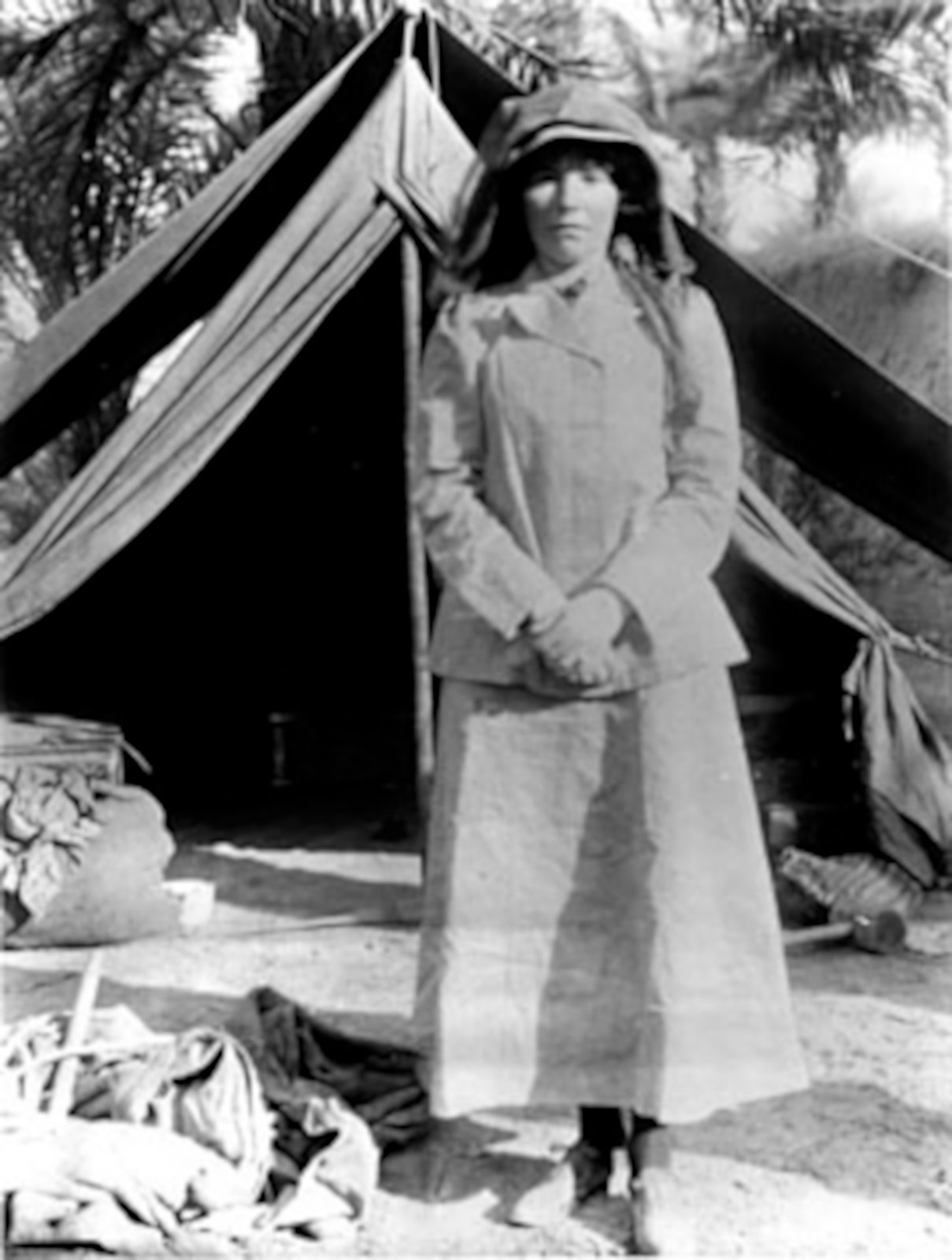
Gertrude Bell

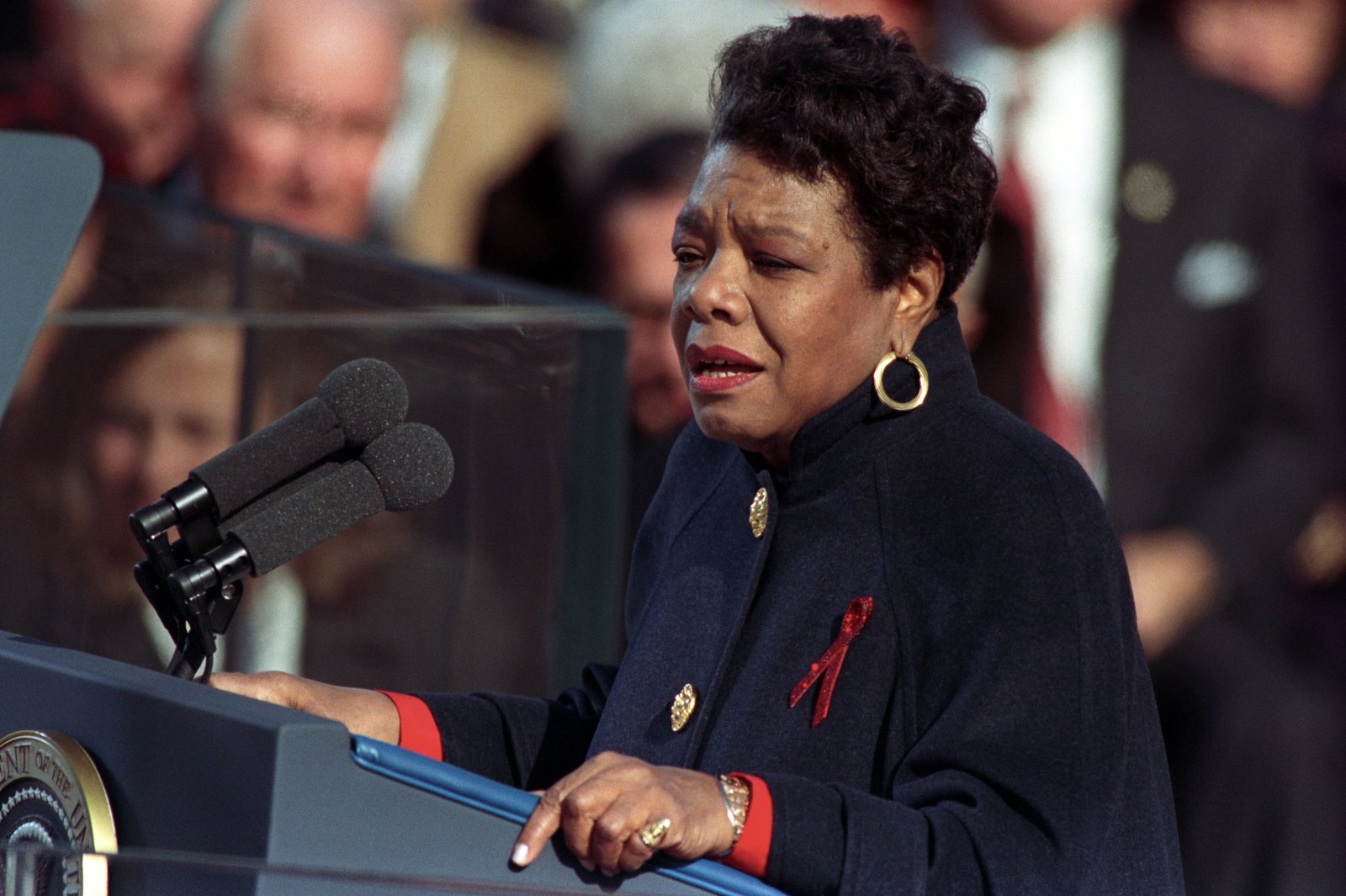
Maya Angelou

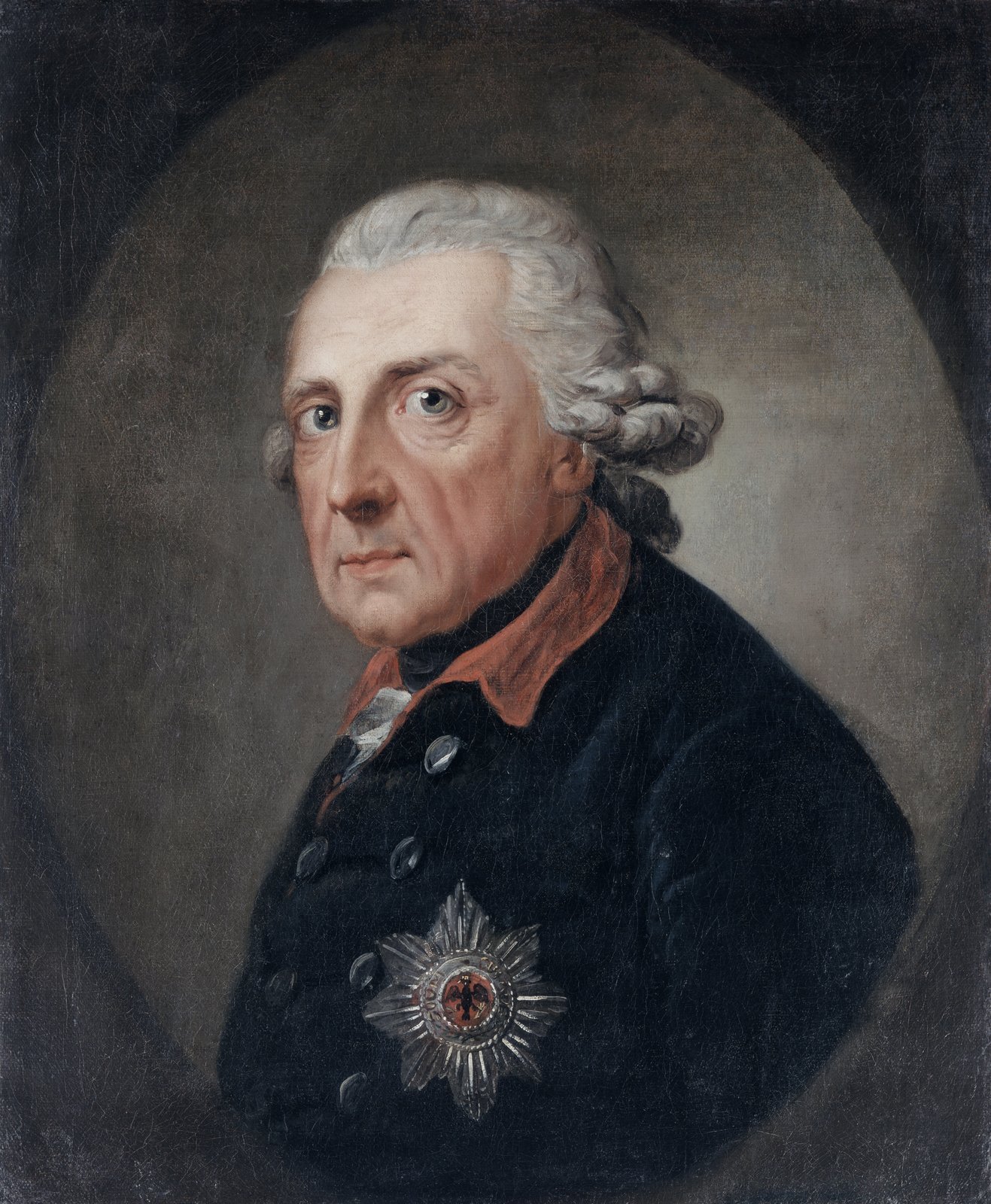
Frederick the Great

Sor Juana Inés de la Cruz
Opposite Profile
Not a rival — a different profile shape worth a look.
Otto von Bismarck
Sources
- Herman Melville (Q4985) -- verified live via wbgetentities (2026-10-07): en label 'Herman Melville', description 'American writer and poet (1819-1891)', born 1 Aug 1819, died 28 Sep 1891, citizenship United States, ko label '허먼 멜빌', image 'Herman Melville by Joseph O Eaton.jpg'. Orientation only; not used as support for any row.
- Raymond M. Weaver (Columbia University scholar), 'Herman Melville: Mariner and Mystic' (New York: George H. Doran, 1921), full text from the Internet Archive -- the first full biography and the work that began the Melville revival; heavily INTERPRETIVE (psychological readings of the novels), so used here only for documents it reprints or reports: publication and sales records for Typee, Omoo, Mardi and Redburn, royalty accounts after the 1853 Harper fire, Melville's 1851 letters to Hawthorne, letters of Dana, Allan Melville and Chief Justice Shaw about a consulship (1853), R. H. Stoddard's recollection of Melville as customs inspector, Melville's own 1880s letter, and the bibliography. Read the publication, Hawthorne-years, post-Pierre and last-years chapters in full; the early-family and psychological chapters were skimmed and not used.
- Lewis Mumford, 'Herman Melville' (New York: Harcourt, Brace, 1929), full text via Project Gutenberg -- second biography, written in the revival and openly an advocate's critical study; contains a speculative psychological reading that is NOT used. Used for the 1857-1860 lecture tours (fees, number, Melville's letter offering to lecture anywhere), the 1853 Harper fire and consulship attempts, the 1866 custom-house appointment, the composition of Clarel (about 20,000 lines, published 1876 with money from an uncle), and Mumford's acknowledgement that Weaver found the unpublished manuscripts through Melville's granddaughter. Read the chapters on 1850-1857 and the late life in full; early chapters skimmed.
- Raymond W. Weaver (ed.), 'Billy Budd, Foretopman, and Other Prose Pieces', Standard Edition of The Works of Herman Melville vol. 13 (London: Constable, 1924), Project Gutenberg -- first publication of Billy Budd from the manuscript; editor's introductory note reports the novel was 'finished by Melville five months before his death in 1891, and never before published', that the sketches date from after his retirement as customs inspector, and reproduces the letter of 12 May 1854 from Charles F. Briggs, editor of Putnam's Monthly, rejecting 'The Two Temples' for fear of offending religious readers and mentioning James Russell Lowell's praise of 'The Encantadas'. Read the editor's note, the Briggs letter and the contents list; the fiction itself was skimmed only.
- Nathaniel Hawthorne, Passages from the English Notebooks (ed. Sophia Hawthorne, 1870), entry of 30 November 1856 (and the passage on the Chester visit), Project Gutenberg -- NON-SELF, firsthand account by the friend and fellow author: Melville visits Hawthorne at the Liverpool consulate on his way to Constantinople and Palestine, stays at Southport, talks 'of Providence and futurity'; Hawthorne calls him a man of 'very high and noble nature'. The 1870 text is Sophia Hawthorne's abridgment with ellipses and omits the notebook's remarks on Melville's state of mind, so it is used only for the visit and the journey. Read the entries in full.
- U.S. National Archives, Prologue magazine (Fall 2009), 'A Voyage into History' -- Pieces of History note on the crew list of the whaleship Acushnet (signed by Captain Valentine Pease 31 December 1841; National Archives-Northeast Region): Melville, aged 21, signed on in December 1840 as a greenhand, and he and another crew member deserted at Nuku Hiva in July 1842; 11 of the original 26 deserted at various times. Institutional, non-self record of the whaling voyage. Read in full (short).
- David Potter, 'Reviews of Moby-Dick', Journal of the Rutgers University Library (c. 1940), PDF -- scholarly survey of American magazine reviews of Typee, Omoo, Mardi, Redburn, White-Jacket and Moby-Dick found in Rutgers' periodical files: concludes that most American reviewers were favourable to Moby-Dick, that Mardi's reception turned hostile through 1849, and that the sales/reputation collapse came later (corrects the popular belief that the book was universally panned). Read in full (about 3 pages).
- 'The Original 1851 Reviews of Moby Dick', Bunk History, reprinting Literary Hub's compilation of excerpts from the London Morning Advertiser (24 Oct 1851), Henry F. Chorley in the London Athenaeum (25 Oct 1851) and the London John Bull (25 Oct 1851) -- contemporary reviews of the book, ranging from calling it 'trash belonging to the worst school of Bedlam literature' to 'a whole philosophy of life'. Excerpts only; the full reviews were not read. Used as ADVERSARIAL and favourable contemporary perspectives, not for any behavioural row.
- Herman Melville's own letters to Nathaniel Hawthorne, June-November 1851, as printed in Weaver 1921 (Pittsfield, 29 June 1851 and November 1851) -- SELF source: describes working on the whale book while farming, 'work and slave on my Whale', 'Dollars damn me', and 'What's the use of elaborating what, in its very essence, is so short-lived as a modern book?'; also his 1849 letter noting that Mardi had been 'cut into' by the Athenaeum and 'burnt by the common hangman by the Boston Post'. Used as self-report alongside non-self sources, never alone.
- Herman Melville, 'Battle-Pieces and Aspects of the War' (New York: Harper & Brothers, 1866), Project Gutenberg -- the first published collection of his verse; used only to confirm the book's existence, date, dedication and its prefatory note on how the pieces were composed. Read the front matter; poems skimmed.