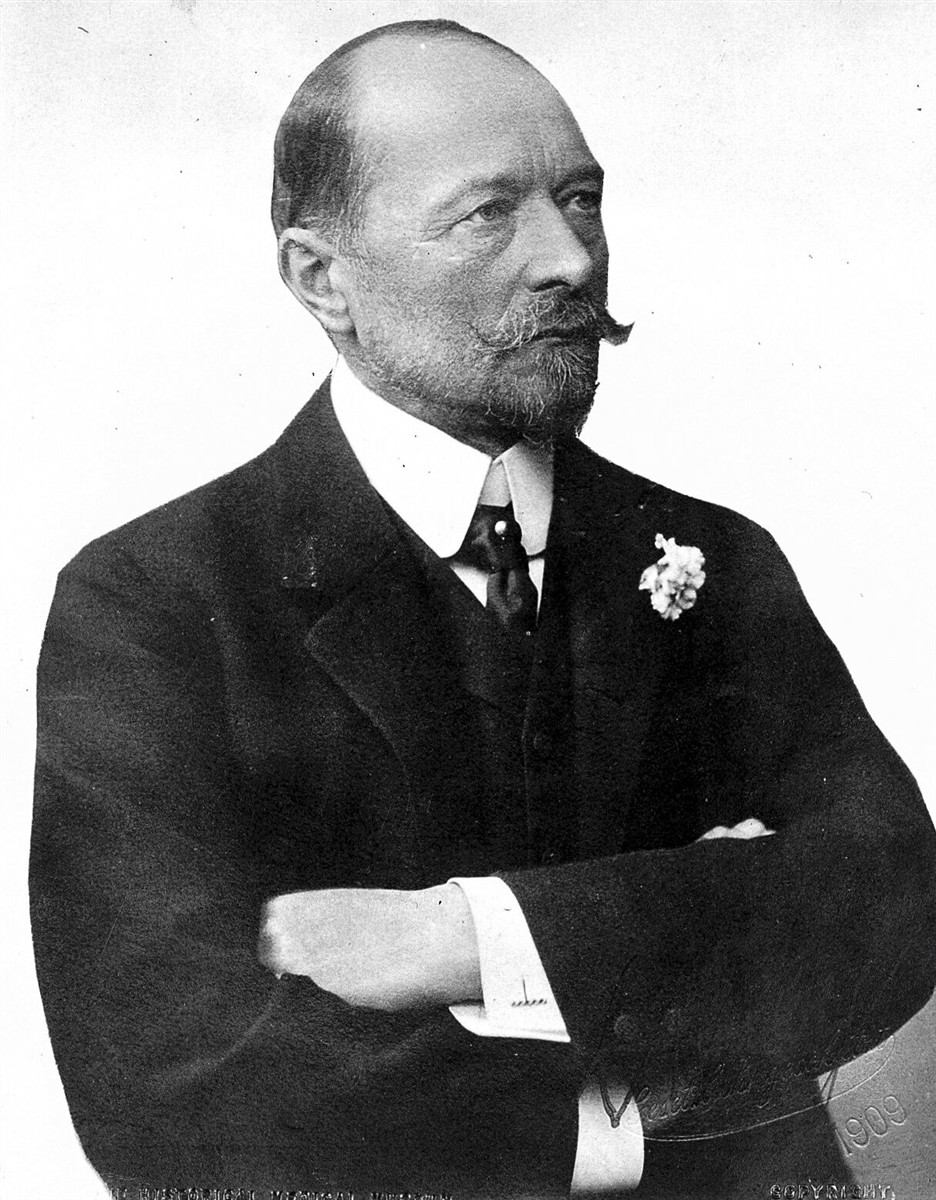
Photographer unknown, Emil von Behring, photograph dated 1909; Wellcome Collection, London (reference 12328i); Public Domain Mark. · Studio photograph of Emil von Behring dated 1909 on the print, photographer not identified; held by the Wellcome Collection (reference 12328i, photo L0019097), whose catalogue marks it with a Public Domain Mark; Wikimedia Commons file 'Emil von Behring. Photograph. Wellcome L0019097.jpg' (original 1215 x 1557, which Commons labels CC BY 4.0 from the older Wellcome statement). Downscaled only, to 936 x 1200, with the printed edge captions left uncropped. · Public domain (Wellcome Collection Public Domain Mark)
physician · 19th Century
Emil von Behring
1854–1917
Known For
Not yet included in personality matching — the documented evidence doesn't yet cover enough of the personality model. Everything else on this page is fully available.
Trait Constellation
Key Achievements
In 1890 he and Shibasaburo Kitasato showed that animals given graduated doses of diphtheria or tetanus cultures make substances that neutralise the toxins and can protect or cure other animals, the basis of serum therapy.
He brought diphtheria antiserum to human treatment in the early 1890s, working with Hoechst and with Paul Ehrlich's standardisation of the serum, and in 1901 received the first Nobel Prize in Physiology or Medicine for serum therapy.
In 1913 he announced a toxin-antitoxin mixture for protective immunisation against diphtheria, which he regarded as the crowning success of his work and which later vaccines refined.
Moments That Reveal Them
After his first human diphtheria trial in January 1892 gave only limited results because the serum was too weak, serum production moved to larger animals and Ehrlich's standardisation, and clinical use followed.
This is consistent with persistence in turning a laboratory finding into a usable treatment. Persistence
In his dispute with Koch over tuberculosis preparations he fought relentlessly and later said he had defended his intellectual property with all the ruthlessness at his disposal.
This is consistent with a combative approach to protecting his priority and rights. Competitiveness
Turning Points
In 1892 he signed a contract with the Hoechst company on the advice of Robert Koch to produce antitoxins for large-scale serum therapy, moving his work from the laboratory to industrial production.
This is consistent with an eye for turning scientific results into scaled products. Opportunity Sensing
Similar People
People whose overall profiles resemble theirs.

Elizabeth Blackwell

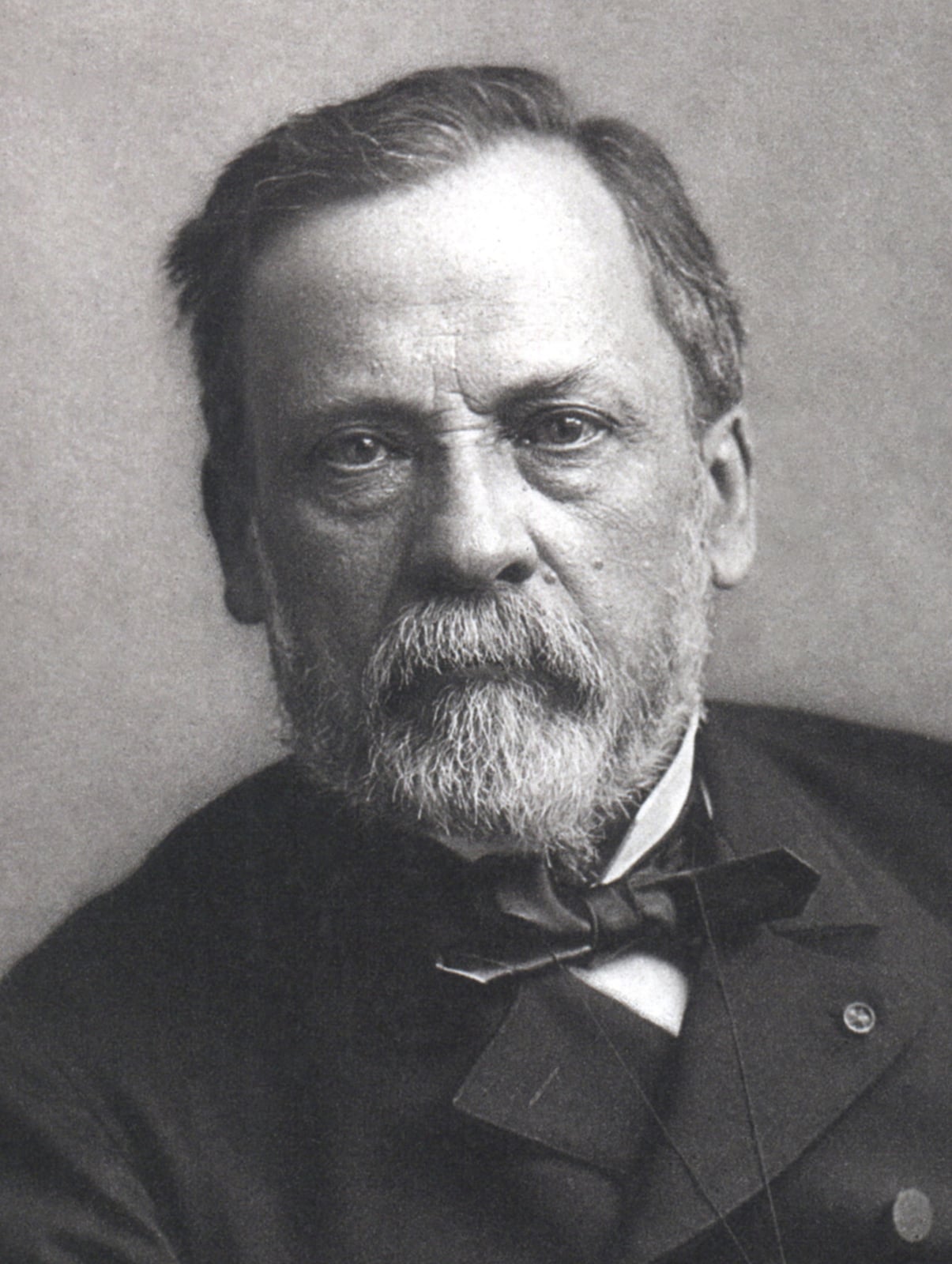
Louis Pasteur

Aung San Suu Kyi

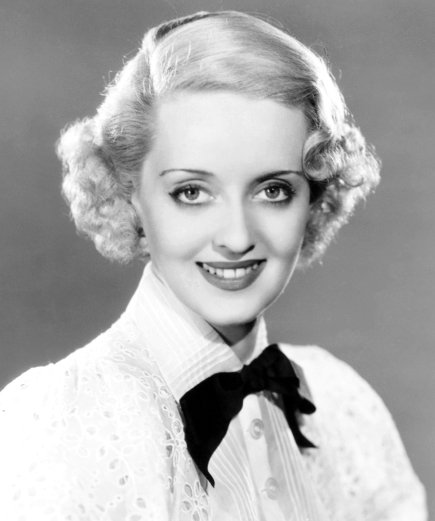
Bette Davis

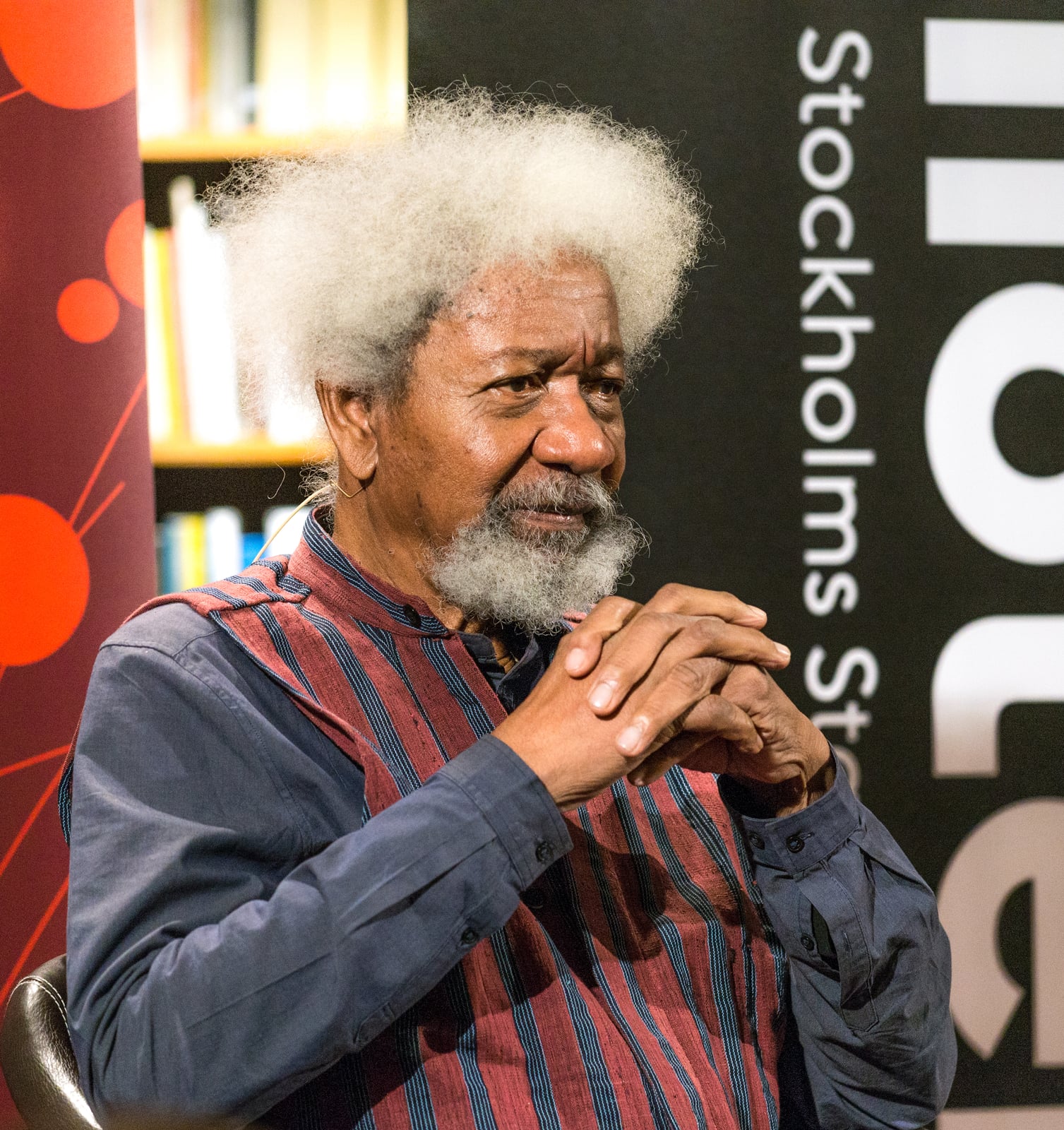
Wole Soyinka
Sources
- Emil von Behring (Q76425) -- verified live via the Wikidata API (2026-10-26): English label 'Emil von Behring', description 'German physiologist who received the first Nobel Prize in Physiology or Medicine 1901 for his discovery of a diphtheria antitoxin', Korean label '에밀 아돌프 폰 베링' (kowiki title the same), born 1854-03-15, died 1917-03-31, P18 image 'Emil Behring 1896 Neapel.jpg'. Orientation only; not used as support for any row.
- NobelPrize.org, 'Emil von Behring - Biographical' (from Nobel Lectures, Physiology or Medicine 1901-1921, Elsevier, 1967), read in full. CANONICAL SIGNIFICANCE SOURCE: army-medical training, the 1881-83 iodoform work suggesting antitoxic action, work under Koch from 1888-89, the 1890 publication with Kitasato that graduated doses of diphtheria or tetanus culture made animals produce toxin-neutralising substances transferable to other animals, the 1898 toxin-antitoxin finding with Wernicke and the 1913 toxin-antitoxin mixture he saw as the crowning success of his work, the turn to tuberculosis, the commercial firm that built him laboratories at Marburg and the Behringwerke, and the first Nobel Prize in Physiology or Medicine in 1901. Award-body biography: authoritative on chronology, admiring in tone, silent on the priority disputes. Family and health passages were read but not scored.
- Stefan H. E. Kaufmann, 'Remembering Emil von Behring: from Tetanus Treatment to Antibody Cooperation with Phagocytes' (mBio editorial, 2017), read in full: the 1890 Behring-Kitasato paper and Behring's single-author diphtheria paper a week later, the first human trial of serum therapy in January 1892 and its limited success until Ehrlich's standardisation and larger animals, the 1892 contract with Hoechst, the priority and compensation disputes with Ehrlich, the patent clashes with Koch, Behring's own quoted remark that he had defended his intellectual property with all ruthlessness at his disposal, the manoeuvring over the Marburg chair, the abandoned tuberculosis programme (1908), the 1913 toxin-antitoxin vaccine, the Behringwerke, and the observation that he was abrasive toward Ehrlich and Koch but relatively friendly with Metchnikoff. Specialist historian-immunologist; balanced and the most critical source read. Passages on frustration and depression, personal life and the Monte Carlo anecdote were excluded.
- Stefan H. E. Kaufmann, 'Immunology's Coming of Age' (Frontiers in Immunology, 3 April 2019), read in the sections on Behring, Ehrlich and Metchnikoff: the first Nobel Prize in Medicine awarded in 1901 to Behring for serum therapy, Behring and Ehrlich as young independent researchers at Koch's institute identifying antibodies, the Behring-Kitasato tetanus paper and the separate diphtheria paper, Behring's joining forces with industry, his roughly twenty years to reach active vaccination, and the statement that Ehrlich's work made large-scale production of antisera of reproducible quality possible. Independent specialist review; complements the 2017 editorial.
- Martha Marquardt, 'Paul Ehrlich' (London: William Heinemann Medical Books, 1949), Internet Archive OCR text, the chapter on research with Koch and von Behring (Ehrlich's collaboration with Behring, the standardisation of diphtheria serum, Ehrlich's long 1 November 1906 letter to Friedrich Althoff, the contract dispute, tuberculosis and test-toxin disagreements) read in full; other chapters not read. ADVERSARIAL BUT PARTISAN: written by Ehrlich's secretary and quoting Ehrlich's own bitter account of Behring; useful as the opposing side of the priority dispute, not as neutral fact. Claims in it are cited only as Ehrlich's account.
- Nobuyuki Okui, 'Shibasaburo Kitasato (1853-1931): Pioneer of Japanese Medicine and Global Immunology Innovator' (Cureus, 2024), read in full for the joint attribution: the 1890 Behring-Kitasato paper 'On the development of diphtheria immunity and tetanus immunity in animals' as the foundation of serum therapy, the statement that the first Nobel Prize in Physiology or Medicine went to von Behring in 1901 while Kitasato's crucial role was widely acknowledged. Admiring profile of Kitasato by a Japanese medical historian; the independent voice on the Kitasato side.
- Laure Grandiere Perez and Sylvain Brisse, 'Diphtheria antitoxin treatment: from pioneer to neglected' (clinical history and review, 2025), read in the sections on the discovery of diphtheria antitoxin and the early clinical trials: von Behring's 1890 immunisation experiments, the 1891 treatment of a seriously ill girl, the 1892 contract with Hoechst, Ehrlich's 1893 standardisation, and the 1894 Berlin series of 220 children with 76% survival but no control group. Modern clinical-historical review; supplies the methodological caveat on the early trials.
- Wellcome Collection work 'Emil von Behring. Photograph.' (reference 12328i, library reference ICV No 26468, photo L0019097; catalogue API lists a Public Domain Mark licence on the image) and the Wikimedia Commons file page 'Emil von Behring. Photograph. Wellcome L0019097.jpg', checked for the portrait only.