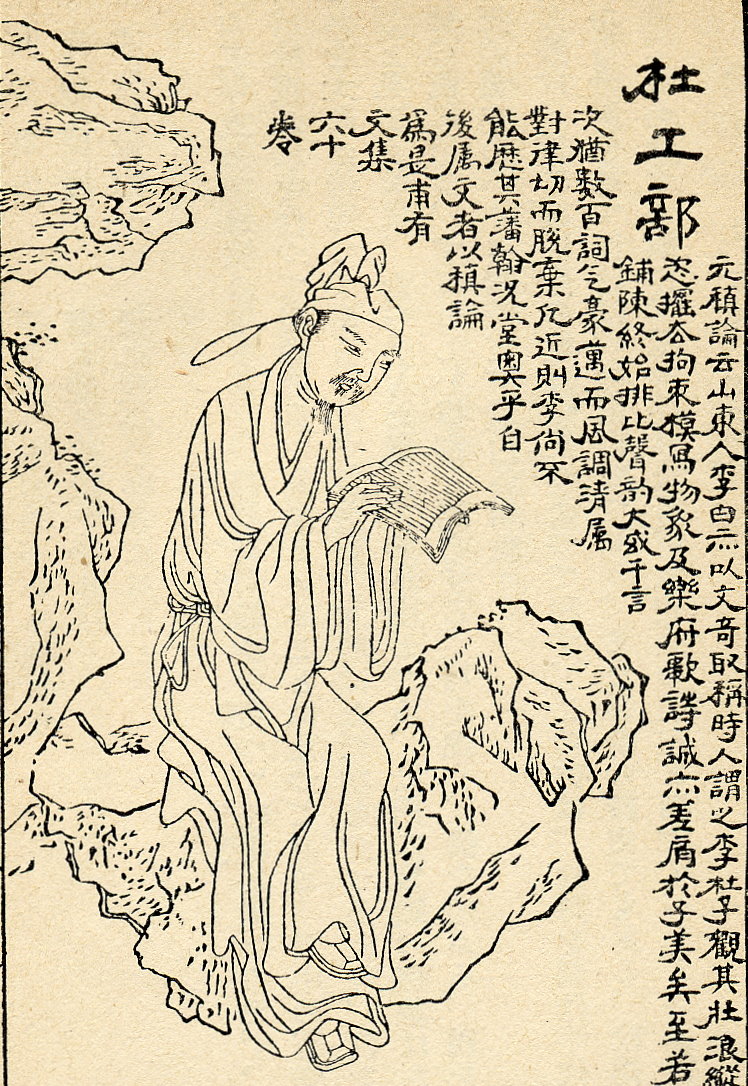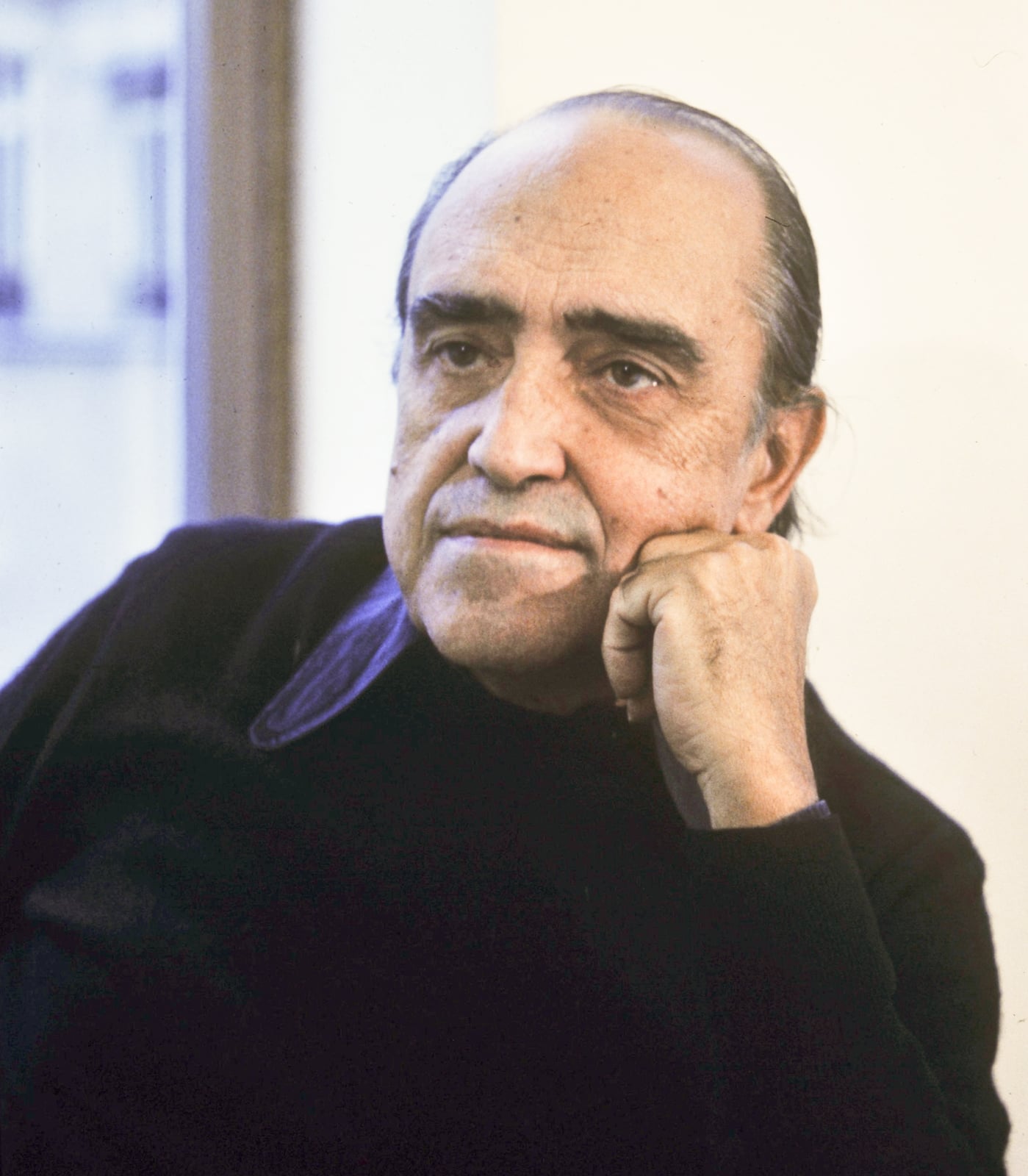

Shangguan Zhou, Du Gongbu (Du Fu), from Wanxiao tang huazhuan, 1743 (scan of a 1921 printing) · Imaginary portrait of Du Fu captioned 'Du Gongbu', a page from the portrait book Wanxiao tang huazhuan by Shangguan Zhou, first printed in 1743 (Wellcome Collection describes the book as imaginary portraits of 120 persons from Han to Ming times; the Metropolitan Museum of Art holds a copy marked public domain). The Commons scan is described by its uploader as taken from a 1921 printing. The design is a 1743 woodblock by an artist dead for centuries, so it is public domain by age. Made about a thousand years after the poet's death, so shown as a later imaginary depiction and not a likeness. Original scan 748 x 1086 pixels, used as is with no cropping and no upscaling. · Public domain (artwork by age)
poet · Medieval
Du Fu
712–770
Tang Dynasty, China
Known For
Not yet included in personality matching — the documented evidence doesn't yet cover enough of the personality model. Everything else on this page is fully available.
Trait Constellation
Key Achievements
A Tang-dynasty poet, he is considered with Li Bai one of China's greatest poets, and is often called a poet-historian for verse that records the An Lushan Rebellion years.
His poems on famine, unrest and hardship, many of them autobiographical, are the source of much of what is known of his own life and times.
In his middle period he developed a new kind of realism that mixed prose and verse and joined private and public subjects, and he is best known for his mastery of regulated verse.
Moments That Reveal Them
In his middle period he mixed prose and verse and put 'unpoetic' subjects beside traditional poetic ones, in poems such as the five-hundred-word account of his journey to Fengxian.
This is consistent with a willingness to depart from established poetic convention, as described by one scholarly summary. Creative Originality
Turning Points
In 759 he gave up his official post and took his family west, beginning wandering years in which, according to EBSCO, he devoted himself almost entirely to his writing.
This is consistent with sustained literary output continuing through years of displacement and poor health. Persistence
Similar People
People whose overall profiles resemble theirs.


Maya Angelou

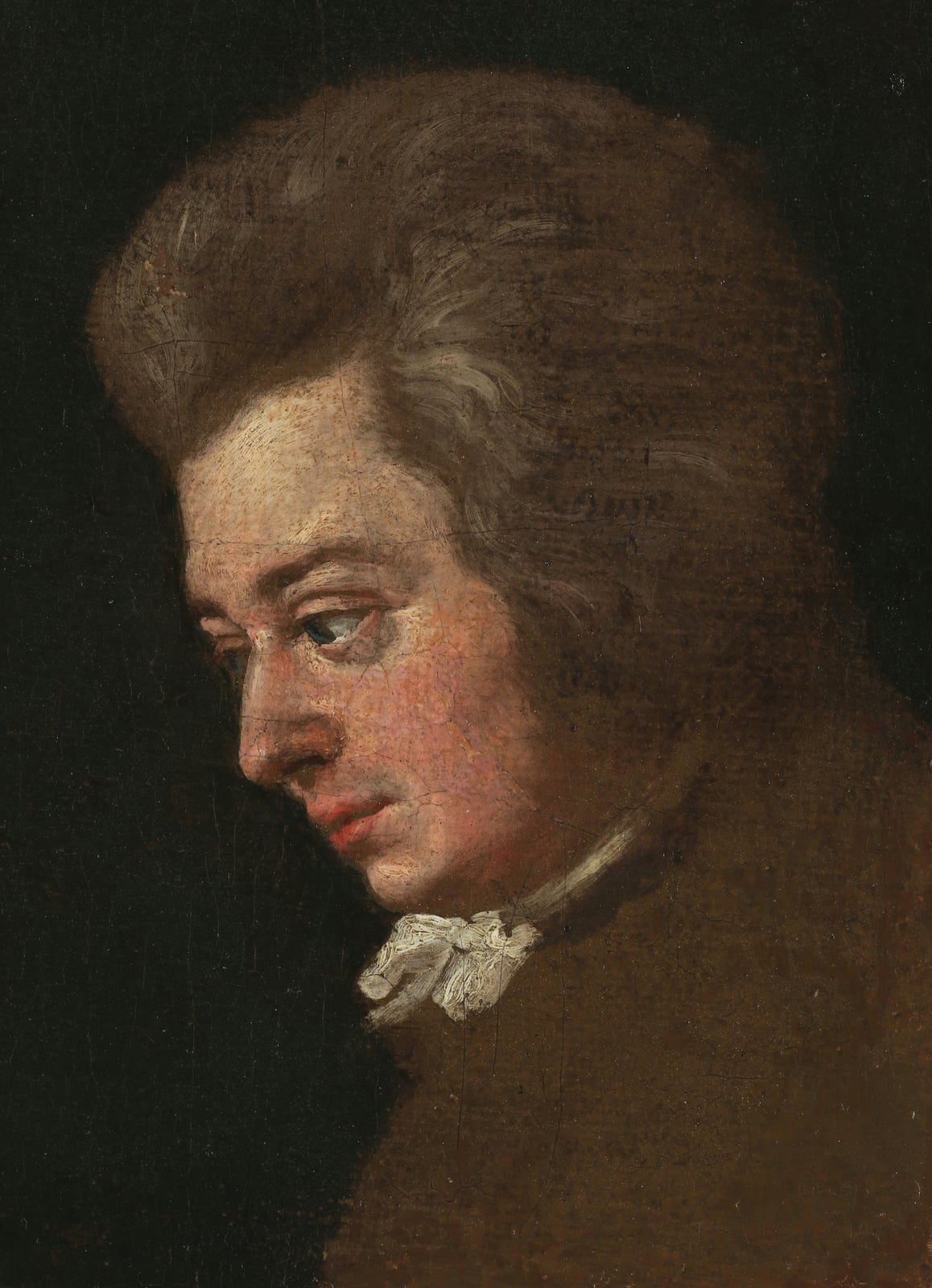
Wolfgang Amadeus Mozart

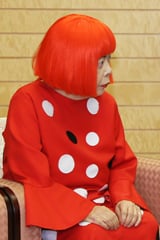
Yayoi Kusama

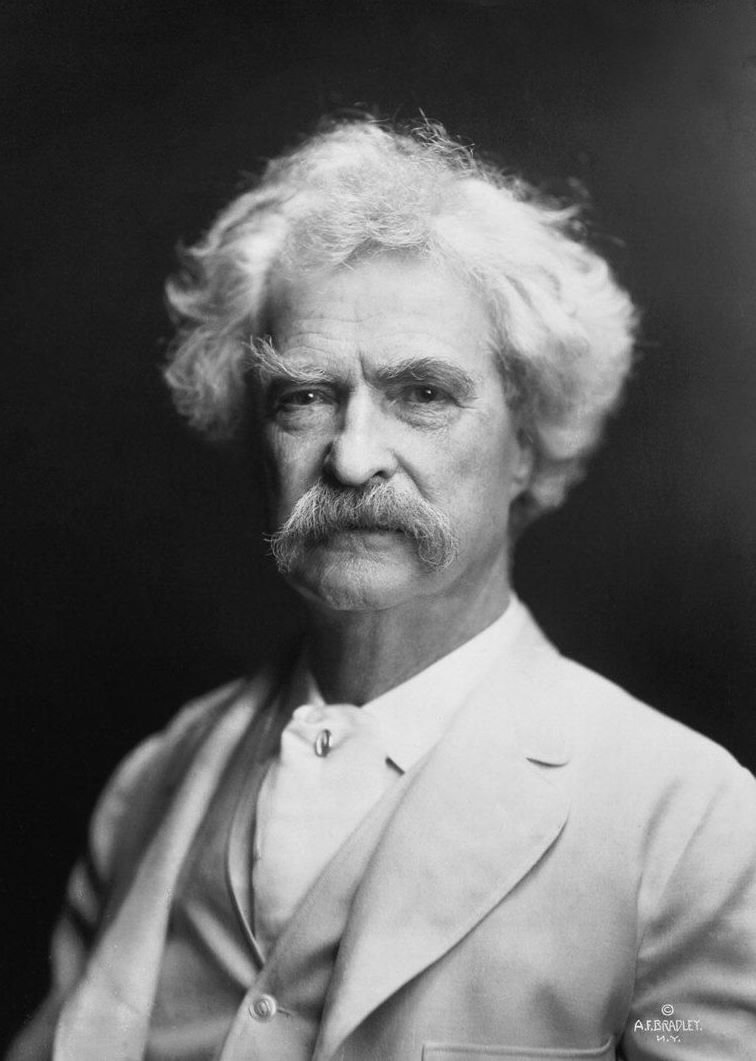
Mark Twain

Oscar Niemeyer
Opposite Profile
Not a rival — a different profile shape worth a look.
Theodore Roosevelt
Sources
- Du Fu (Q33772), verified live via the Wikidata API (2026-10-28): label 'Du Fu', description 'Tang dynasty Chinese poet (712-770)', Korean label present, image 'Dufu.jpg'. Orientation only; not used as support for any row.
- Poetry Foundation, 'Tu Fu' biography (read in full). CANONICAL SIGNIFICANCE SOURCE: considered with Li Po one of China's greatest Tang poets; failed the civil service exam and travelled; wrote of famine, unrest and hardship during the An Lushan Rebellion years; lived in a cottage in Sichuan; often described as a poet-historian, with a translator's remark on the range of his experience. Poetry institution biography with an admiring tone.
- Academy of American Poets, 'Tu Fu' biography (read in full): major Tang poet, twice failed the imperial examinations, travelled and met other writers, moved often in a volatile period, best known for mastery of regulated verse. Short poetry institution biography.
- EBSCO Research Starters, 'Du Fu', article by Richard P. Benton (2024; read in full): family and education drawn largely from his autobiographical poems, three periods of his work, a new kind of realism in the middle period that mixed prose and verse and joined private and public subjects, the thatched hut and Kuizhou years, and later poems of greater technical prowess. Scholarly encyclopedic summary that depends heavily on his own poems for biography.
- Introduction and chronology of The Late Wanderings of Du Fu, Chinese University of Hong Kong Press, publisher sample chapter (read in full; author not named in the sample): says his reputation was slight in his lifetime, that he was 'immensely prolific' so that his poems amount to an autobiography and a chronicle of his times, that tradition has tended to simplify him, and that his decision to leave office in 759 has never been fully understood. Academic monograph introduction with a critical stance on reception.
- Wellcome Collection record 'Chinese manuscript Wan-hsiao-t'ang hua-chuan': imaginary portraits of 120 persons from Han to Ming times, printed in 1743 (checked for the portrait only; not used for any scoring).