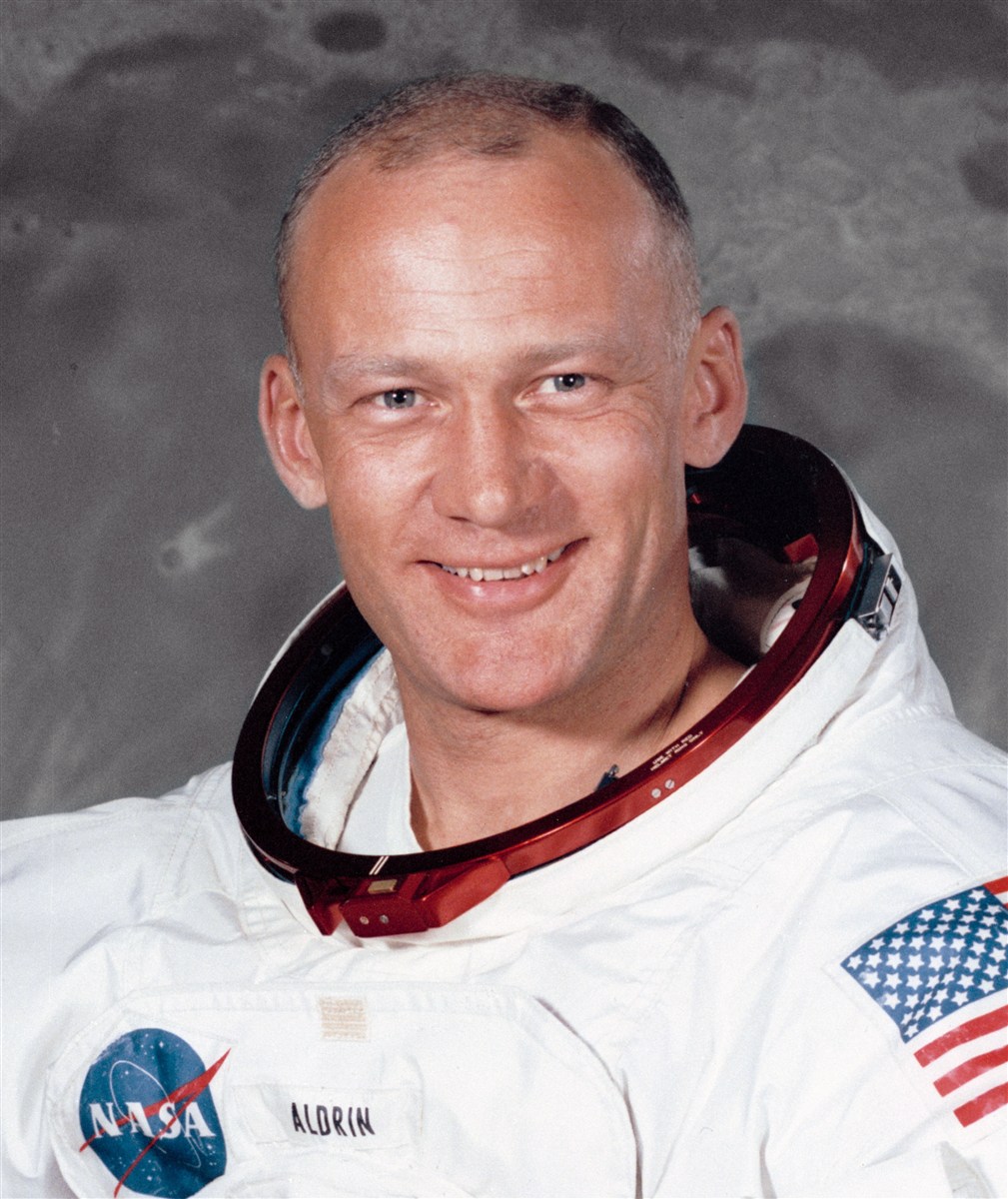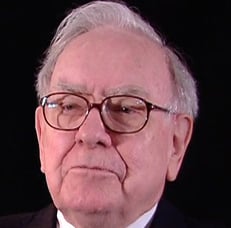

NASA, 1969 (photo S69-31743), cropped and downscaled · NASA / Johnson Space Center, 'Apollo XI - Prime Crew - Portrait' of Edwin E. Aldrin Jr., photo ID S69-31743, 16 April 1969 (NASA Image and Video Library), via the Wikimedia Commons crop 'Buzz Aldrin (S69-31743) (cropped).jpg' (2779 x 3304 pixels; crop of the NASA original), downscaled to 1009 x 1200. · Public Domain (NASA work)
astronaut · Contemporary
Buzz Aldrin
b. 1930
Known For
Not yet included in personality matching — the documented evidence doesn't yet cover enough of the personality model. Everything else on this page is fully available.
Trait Constellation
Key Achievements
As lunar module pilot of Apollo 11 he followed Neil Armstrong onto the Moon on 20 July 1969, becoming the second human to walk on its surface.
On Gemini XII in November 1966 he made three spacewalks, including one where he worked with handholds and a waist tether and finished with no fatigue, which NASA says showed spacewalk work was feasible.
He held a doctorate from MIT, where his thesis was on orbital rendezvous, and he put that work to use on Gemini XII when the radar lock was lost.
Moments That Reveal Them
When Gemini XII lost its radar lock at about 74 miles from the Agena, Aldrin took out a sextant and slide rule, measured the angle to the target and worked out corrections with his rendezvous chart and the onboard computer.
This is consistent with applying quantitative training directly to a live fault when the automated system fails. Analytical Rigour
During the Apollo 11 descent, after the first 1202 program alarm, Aldrin asked Houston to supply the time-to-pitchover information instead of requesting that display from the computer, and kept calling out altitude and descent rate to touchdown.
This is consistent with adjusting how he used the system to reduce risk while continuing to carry out the assigned task. Adaptability
Turning Points
In September 1966, after earlier Gemini spacewalkers had struggled with exhaustion, Aldrin was sent to train underwater in a Baltimore pool before Gemini XII, a method that became the primary spacewalk training approach.
This is consistent with preparing for a hard task through repeated, detailed rehearsal once a better method was available. Discipline
Similar People
People whose overall profiles resemble theirs.
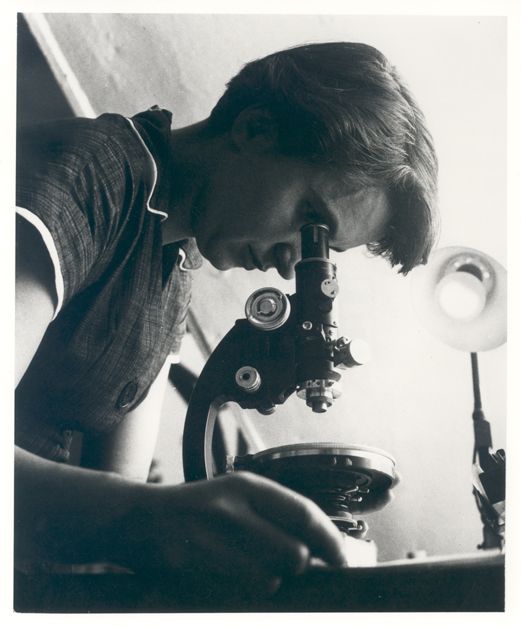

Rosalind Franklin

Ruth Bader Ginsburg

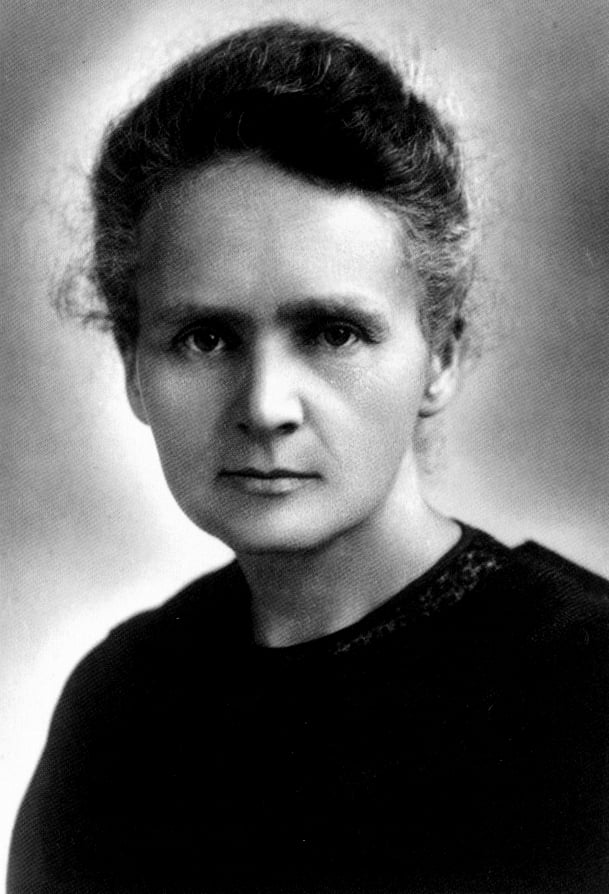
Marie Curie

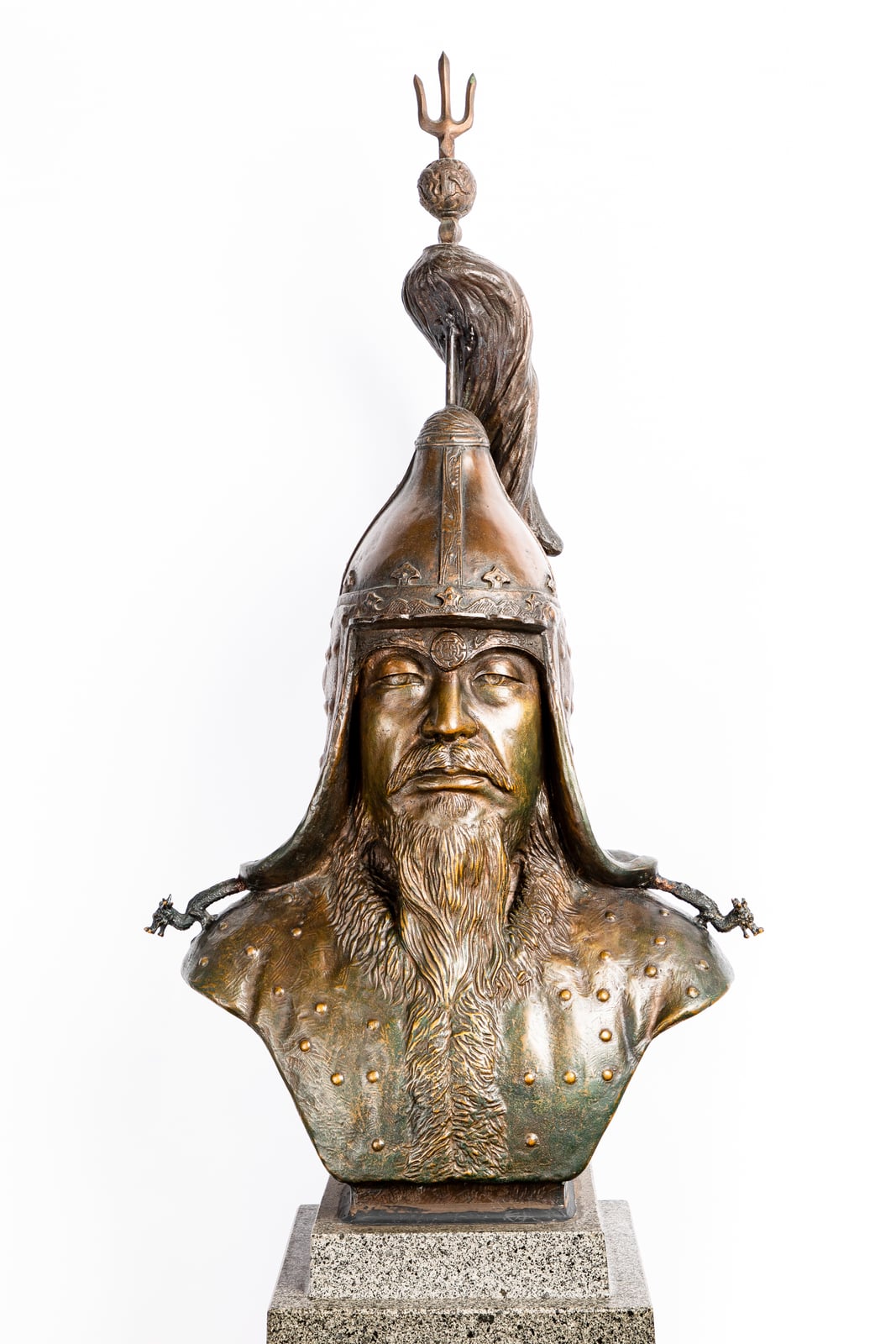
Yi Sun-sin

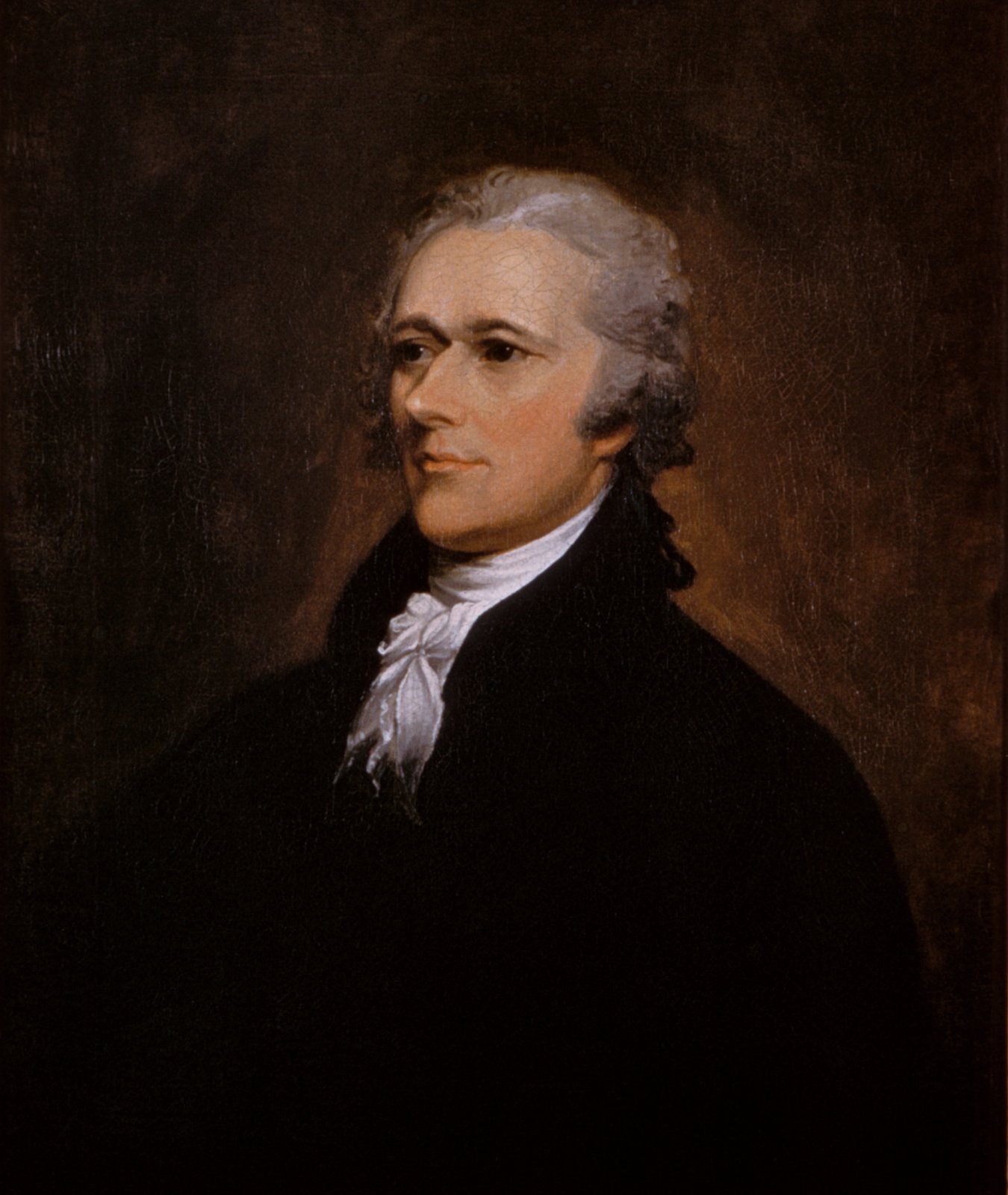
Alexander Hamilton
Opposite Profile
Not a rival — a different profile shape worth a look.

Susan B. Anthony
Sources
- Buzz Aldrin (Q2252) -- verified live via the Wikidata API (2026-10-10): English label 'Buzz Aldrin', description 'American astronaut (born 1930)', born 20 January 1930, no date of death, instance of human, citizenship United States. Orientation only; not used as support for any row.
- Bob Granath, 'Gemini XII Crew Masters the Challenges of Spacewalks', NASA, 14 November 2016 -- NASA's account of the Gemini XII mission: his MIT doctorate on orbital rendezvous, the underwater spacewalk training, the lost radar lock during rendezvous and his sextant-and-slide-rule solution, and his three spacewalks of November 1966. Agency narrative with direct mission quotations; sympathetic institutional view. Read in full.
- 'Where NASA Learned to Spacewalk', Air & Space Magazine (Smithsonian) -- first-person account by a former NASA astronaut who flew spacewalks on STS-98, telling the story of the engineers who invented neutral-buoyancy training in a Baltimore pool, including how Aldrin was sent there before Gemini XII and the trainer's view of how he performed. Independent trainer's voice; undated in the retrieved copy. Read in full.
- NASA Apollo Lunar Surface Journal, 'The First Lunar Landing' (corrected air-to-ground transcript with commentary by editor Eric Jones, Frank O'Brien and others, including post-mission comments by Armstrong and Aldrin recorded 1989-1991) -- the powered-descent section from the first 1202 program alarm to touchdown, with Aldrin's altitude and velocity call-outs and computer entries. Primary transcript plus later commentary; the commentary by Aldrin himself is self material and is used only as supplement. Read the descent, alarm and touchdown section in full.
- Peter Adler, 'Apollo 11 Program Alarms', Apollo 11 Lunar Surface Journal (NASA), 1998 -- explanation by an MIT Instrumentation Laboratory engineer who helped write the lunar module guidance software of why the 1201 and 1202 alarms occurred and how the computer restarted. Engineer's independent technical account; says little about Aldrin directly and is used for context. Read in full.
- Don Eyles, 'Landing Apollo via Cambridge', MIT News, 17 July 2009 (reprint of his 1989 Boston Globe recollection) -- the MIT Instrumentation Laboratory software engineer's account from a monitoring room in Cambridge of the Apollo 11 landing, including the program alarms, in which Aldrin selected the landing program, pressed proceed and 'interrogated the computer'. Independent engineer view, written twenty years after the event. Read in full.
- Alan Bellows, 'The Martian Express', Damn Interesting, April 2008 -- popular-science article on cycler orbits that credits Aldrin as one of the concept's chief designers and proponents, describes his 1985 reasoning behind the Aldrin Cycler and lists the concept's drawbacks. Popular secondary source with reader comments; used only for the proposal and its limits, not for personality. Article read in full; comments skimmed.
- Edwin Eugene Aldrin Jr., 'Line-of-sight guidance techniques for manned orbital rendezvous', Sc.D. thesis, Department of Aeronautics and Astronautics, MIT, 1963 -- DSpace@MIT catalogue record (311 leaves; advisors listed). Only the catalogue record was opened, not the thesis text, so it is used to confirm the thesis exists and its title and date only.