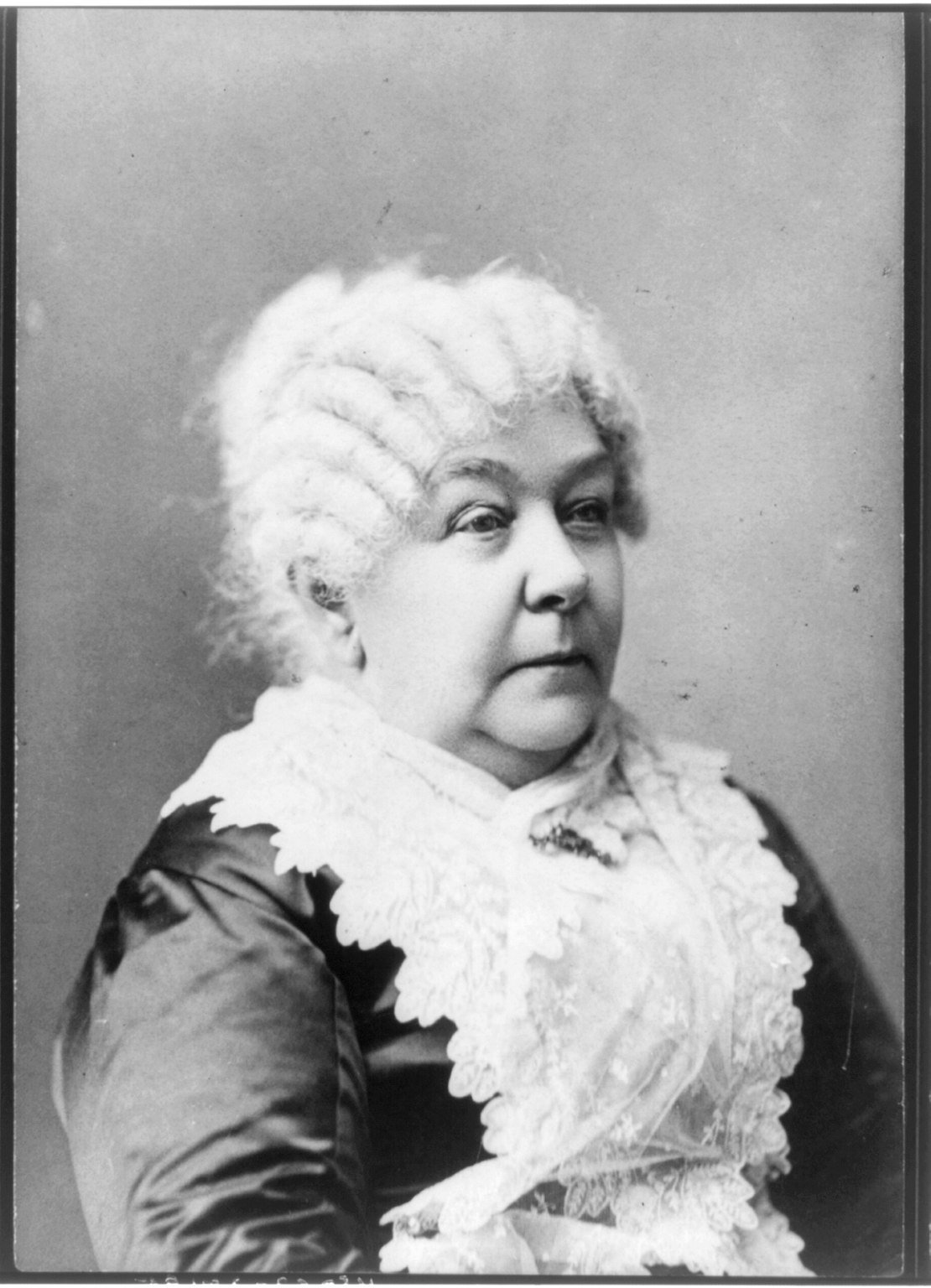
Alan Turing
88% Profile Match
1940 — Born in San Francisco; raised in Hong Kong from infancy.
1953–1958 — Trained in Wing Chun under Ip Man; won the Hong Kong Crown Colony Cha-Cha Championship in 1958.
1959 — Moved to Seattle and began teaching martial arts.
1966–1967 — Played Kato in the television series The Green Hornet, his introduction to American audiences.
1971–1973 — Returned to Hong Kong and starred in The Big Boss, Fist of Fury, and Way of the Dragon, then Enter the Dragon, the first US-Hong Kong co-production.
1973 — Died in Kowloon, Hong Kong, at age 32; officially attributed to cerebral edema, though the wider circumstances remain debated.
Founded Jeet Kune Do, a hybrid martial-arts philosophy combining elements of Wing Chun, boxing, and fencing with Zen Buddhist and Taoist principles, built around practicality, directness, and adaptability rather than the fixed forms of traditional styles.
Starred in and helped shape The Big Boss (1971), Fist of Fury (1972), Way of the Dragon (1972), and Enter the Dragon (1973), establishing himself as the first global Chinese film star and shifting martial-arts film choreography toward realistic, direct movement rather than fantastical staging.
Raised in Hong Kong from infancy, Lee took part in street fighting as a teenager and won the Hong Kong Crown Colony Cha-Cha Championship in 1958, before training in Wing Chun under Ip Man from 1953 to 1957 — a period marked, per the record, by tension over the traditional rule against teaching students of mixed or non-Chinese heritage.
In 1964, Lee took part in a private match with fellow martial artist Wong Jack-Man; the two sides describe it inconsistently — Lee's supporters say he won decisively in about three minutes, while Wong described a 20-25 minute inconclusive bout ending only when Lee tired. Whatever its precise course, the experience is reported to have prompted Lee to move away from rigid classical technique.
This matches the profile's opportunity_sensing score: treating an unsatisfying real fight as evidence against classical form generally, ahead of most contemporaries, rather than as a one-off result. Opportunity Sensing
Lee was reportedly passed over for the lead role in the Kung Fu television series — a concept he had pitched himself in 1971 — reportedly over ethnicity and accent concerns in Hollywood casting. On producer Fred Weintraub's advice to build his own showcase film instead, he returned to Hong Kong and starred in The Big Boss, Fist of Fury, and Way of the Dragon; that run of box-office success gave him the leverage for Enter the Dragon, the first US-Hong Kong co-production, which shifted his career from seeking roles inside the Hollywood studio system to building an international audience through his own films.
Lee's emphasis on practicality, adaptability, and cross-style synthesis anticipated mixed martial arts by decades and continues to influence how combat sports and martial-arts training are approached. His fight choreography reshaped action cinema toward grounded, realistic movement, and his international stardom — as the first globally successful Chinese film star — opened space in Western popular culture for Asian leading roles that Hollywood had denied him directly during his own career.
People whose overall profiles resemble theirs.


Not a rival — a different profile shape worth a look.