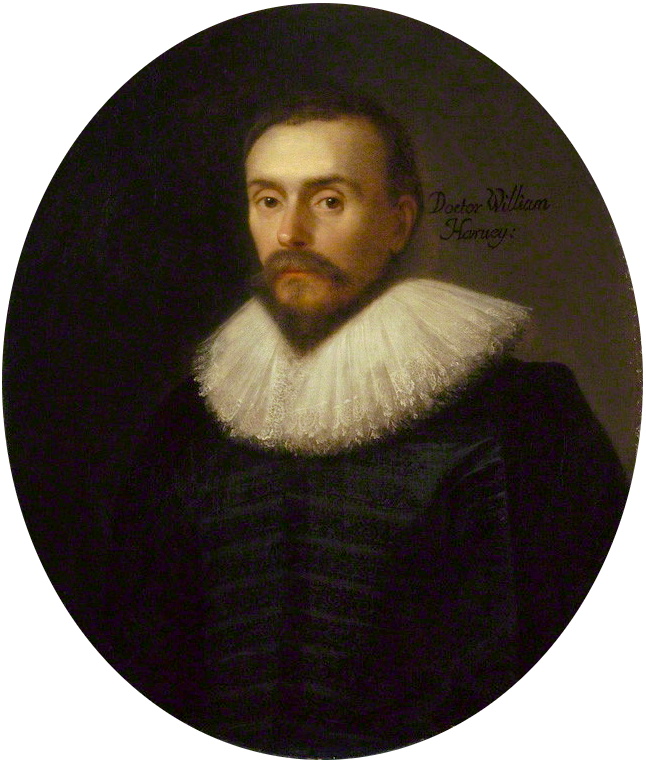

Attributed to Daniel Mytens (c. 1590-1647), William Harvey, c. 1627, oil on canvas, National Portrait Gallery, London (NPG 5115); photographic reproduction of a two-dimensional public-domain painting · Oval oil portrait inscribed 'Doctor William Harvey', c. 1627, attributed to Daniel Mytens (Daniel Mijtens the Elder), National Portrait Gallery, London, NPG 5115, via Wikimedia Commons (File:William Harvey 2.jpg; Wikidata Q28043529). Downloaded unmodified (646x762, no resizing). The NPG collection page is bot-walled (Cloudflare) and was not opened or bypassed, so the NPG attribution wording, acquisition history and any 'from life' statement were NOT verified at the holder. · Public domain (painting by an artist who died in 1647; Commons template PD-art-old-100-expired)
의사 · 근세
윌리엄 하비
1578–1657
주요 업적 분야
아직 성격 매칭에 포함되지 않았습니다 — 기록된 근거가 성격 모델 전체를 다루기에는 충분하지 않습니다. 이 페이지의 다른 모든 내용은 자유롭게 확인하실 수 있습니다.
핵심 특성
주요 업적
하비는 1628년 프랑크푸르트에서 『동물의 심장과 혈액의 운동에 관한 해부학적 연구』(Exercitatio Anatomica de Motu Cordis et Sanguinis in Animalibus)를 펴냈다. 72쪽짜리 작은 4절판 책이다. 그는 심장과 판막의 구조, 뱀에 결찰을 거는 실험을 비롯한 산 동물 실험, 그리고 심장이 내보내는 피의 양을 근거로, 피가 우심실에서 폐를 거쳐, 좌심실에서 온몸으로 이어지는 하나의 연속된 순환을 이루며 정맥을 통해 심장으로 돌아온다고 결론지었다. 이 생각은 1616년 4월의 강의에서 이미 처음 밝힌 것이었다.
하비는 1615년 8월 4일 런던 왕립의사회(College of Physicians)의 해부학·외과학 럼리 강좌(Lumleian lecture) 강사로 선출되어 1656년 사임할 때까지 그 자리를 지켰다. 혈액순환을 처음 공개적으로 밝힌 1616년 4월 16~18일 강의의 현존하는 노트를 보면, 그는 그 무렵 이미 80종이 넘는 동물을 해부했고 동물 해부를 통해 인체를 설명했다.
1651년 런던에서 하비의 『동물의 발생에 관한 연구』(Exercitationes de Generatione Animalium)가 출간되었다. 1650년 성탄절 무렵 조지 엔트(George Ent)가 원고를 받아 간 뒤의 일이다. 이 책은 닭 알의 각 부분을 기술하고, 병아리가 자라는 과정을 관찰 단계별로 따라간다. 노먼 무어(Norman Moore)는 이 책이 방대한 노력과 세심한 관찰을 보여주지만, 많은 부분을 밝히려면 아직 현미경이 필요했다고 평가했다.
삶의 장면들
1636년 5월, 하비는 아런들 백작의 신성로마제국 황제 사절단과 동행해 뉘른베르크에 이르렀고, 순환설에 반대하던 교수 카스파어 호프만(Caspar Hofmann)에게 직접 시연해 보이겠다고 제안했다. 그는 그곳에서 시연을 했는데, 케인스(Keynes)는 이를 알트도르프 대학에서 있었던 일로 본다. 그러나 호프만은 끝내 납득하지 않았고 두 사람은 이후 편지를 주고받았다. 훗날의 전승에 따르면 하비는 반론이 계속되자 해부용 칼을 내려놓고 자리를 떠났다고 한다.
편지로 논쟁하는 대신 현장에서 시연을 제안한 점은 설득력과 부합한다. 다만 끝내 납득하지 않은 호프만은 단호한 반대자에게는 이 방식이 통하지 않았음을 보여 주며, 자리를 떠났다는 이야기는 전승이어서 근거로 삼지 않는다. 설득력
1642년 옥스퍼드에서 하비를 처음 본 존 오브리(John Aubrey)는, 하비가 트리니티 칼리지의 조지 배서스트(George Bathurst)를 여러 차례 찾아왔다고 회상했다. 배서스트는 자기 방에서 암탉에게 알을 품게 하고 있었는데, 두 사람은 날마다 알을 하나씩 열어 발생이 어떻게 진행되는지를 지켜보았다.
간단한 관찰을 매일 반복해 며칠 동안 이어 간 방식은 실험 지향과 부합한다. 다만 이 이야기는 오브리의 기억에만 의존한다. 실험 성향
전환점
하비는 1616년부터 해마다 왕립의사회에서 혈액순환을 강의한 끝에 1628년 프랑크푸르트에서 『심장과 혈액의 운동』을 인쇄에 넘겼다. 그는 서문에서 일부 회원이 모든 해부학자와 다른 주장을 한다고 자신을 비난했으며 친구들이 출판을 권했다고 밝혔다. 이어 반대가 일어났다. 제임스 프림로즈(James Primrose)의 반박문이 1630년에, 파리자누스(Parisanus)의 반박문이 1635년에 나왔고, 오브리는 하비가 자신의 진료가 크게 줄었으며 의사들이 모두 자신에게 반대했다고 말했다고 전한다. 다만 다시 파워(D'Arcy Power)는 궁정 정치도 한몫했을 수 있다고 본다. 노먼 무어는 하비가 죽기 전에 이 학설이 의학계 전체에서 받아들여졌다고 결론짓는다.
적대적 반응이 올 것을 예상하면서도 학설을 출간하고, 이후 비판자들에게는 대체로 답하지 않은 것은 갈등 감내 면에서 엇갈린 모습이다. 그는 학설을 둘러싼 공개적인 이견은 받아들였으나 논쟁적인 응수는 피했다. 갈등 감내
비슷한 인물
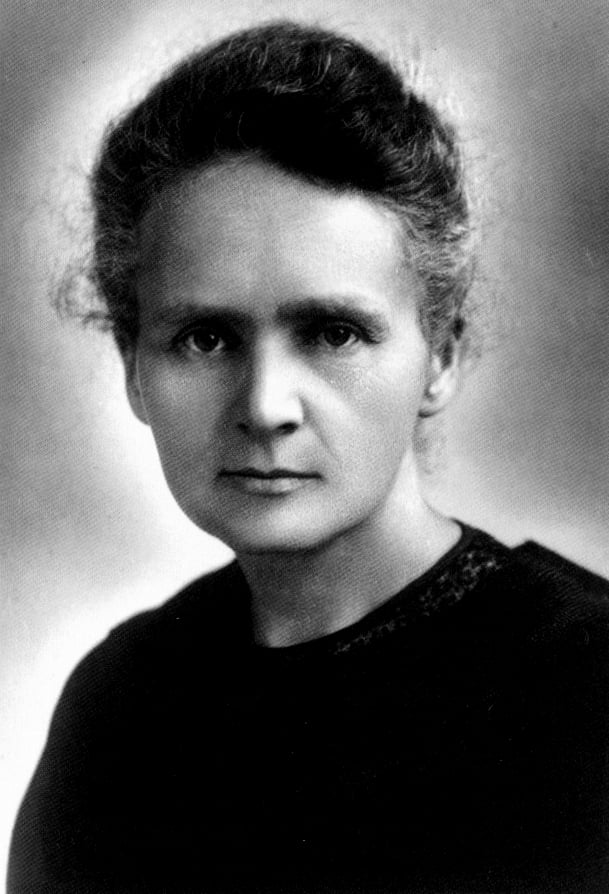
전체적인 프로필이 이 사람과 닮은 사람들이에요.


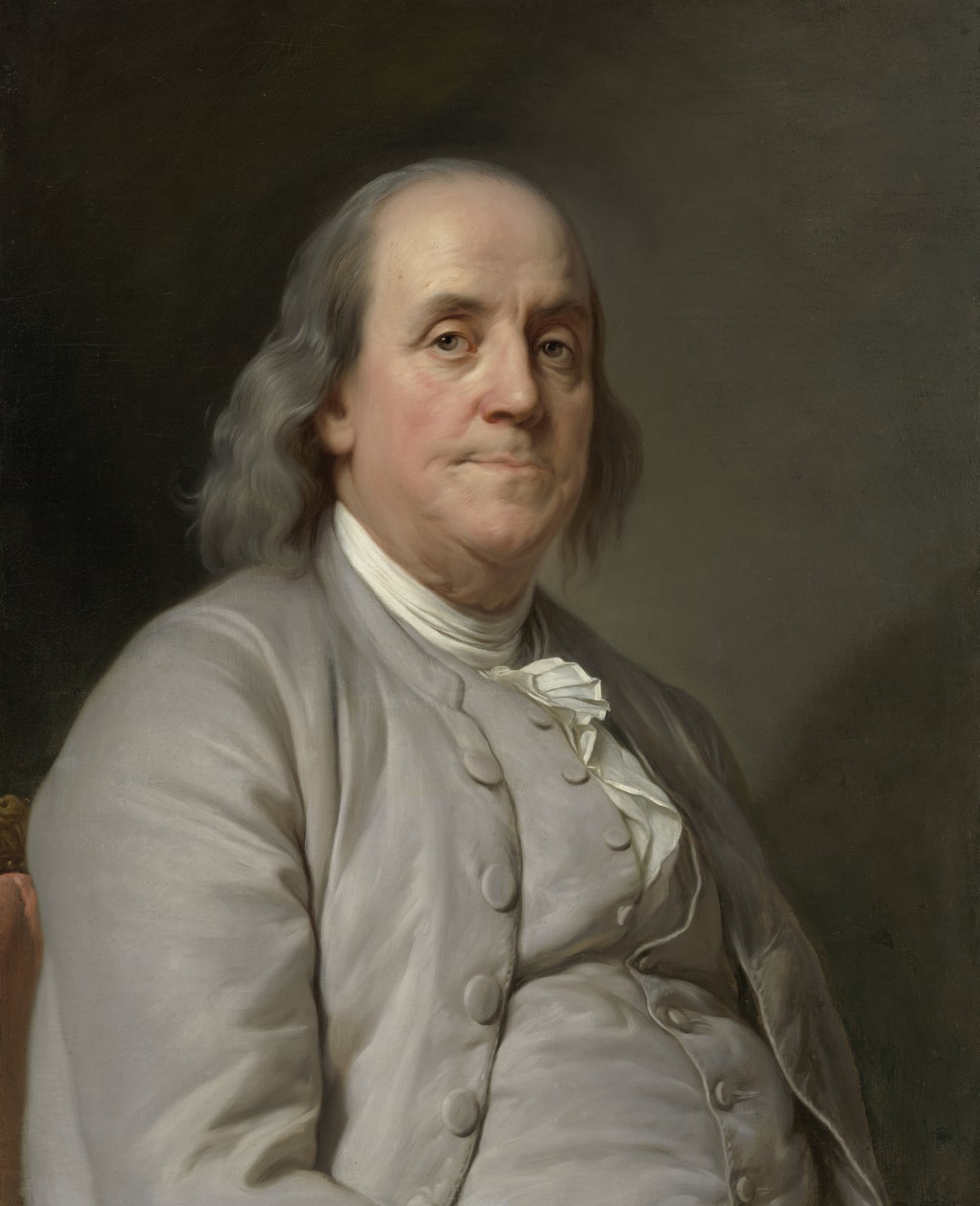
벤저민 프랭클린

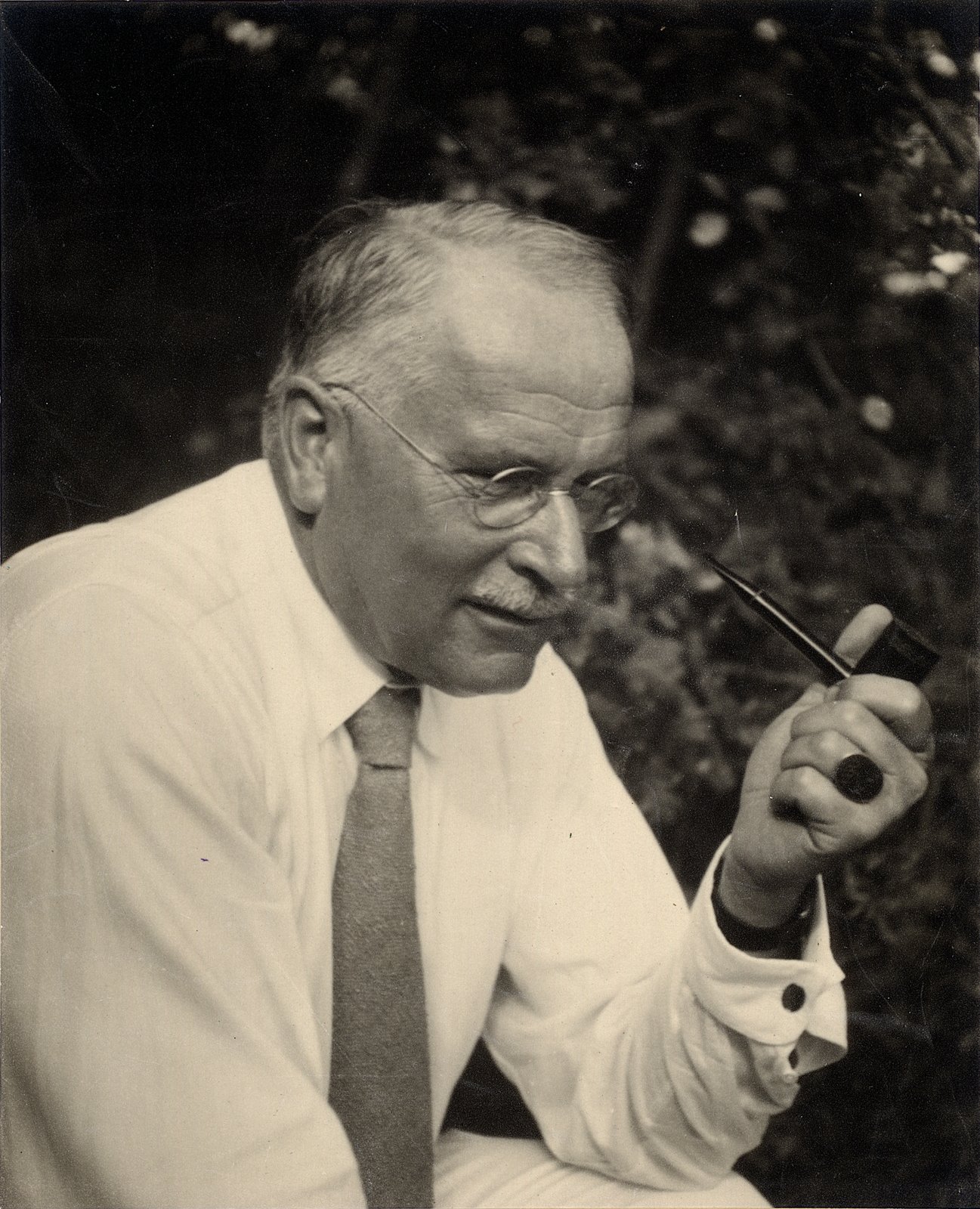
카를 융

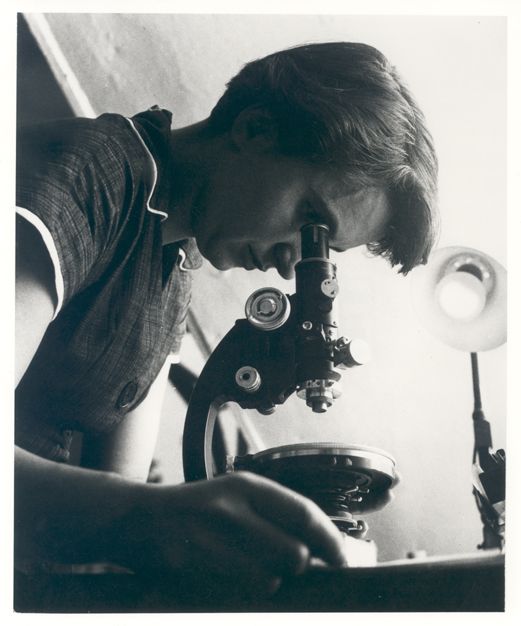
로절린드 프랭클린

앨런 튜링

소르 후아나 이네스 데 라 크루스
출처
- William Harvey (Q93128) -- verified live via wbgetentities (2026-10-07): en label 'William Harvey', description 'English physician (1578-1657)', born 1 Apr 1578, died 3 Jun 1657, citizenship Kingdom of England, instance of human, ko label '윌리엄 하비', two P18 images. Orientation only; not used as support for any row.
- John Aubrey, 'William Harvey (1578-1657)', in 'Brief Lives', chiefly of contemporaries, set down between 1669 and 1696, ed. Andrew Clark, vol. 1 (Oxford: Clarendon Press, 1898), pp. 295-304, Internet Archive scan -- ACQUAINTANCE's memoir by a friend who knew Harvey personally from 1651 and had talked with him at Oxford; anecdotal, partly hearsay and, in Norman Moore's judgement and Willis's, not always accurate in detail; includes unflattering remarks (choleric, dagger, dismissive of his prescriptions). Read the whole entry including the editor's notes.
- Robert Willis, 'The Life of Harvey', in The Works of William Harvey, M.D., translated from the Latin (London: Sydenham Society, 1847), vol. 1, pp. xvii-lxiv, Internet Archive scan -- ADMIRING Victorian editor-translator's biography, built on Harvey's own text, Aubrey, hospital and College records; frequently adds editorial praise and conjecture (e.g. about Harvey's motives for leaving the king's service), which is not used as evidence. Read the life from the family background to the discussion of the opposition and of the claims of predecessors (Servetus, Columbus, Caesalpinus); the closing section on Harvey's person and writings beyond that point was not read.
- Norman Moore (physician and historian of the Royal College of Physicians), 'Harvey, William (1578-1657)', Dictionary of National Biography vol. 25 (1891), via Wikisource -- INDEPENDENT scholarly biography written from the College's own manuscript annals, the British Museum notes of Harvey's 1616 and 1627 lectures and St Bartholomew's Hospital records; it tells readers to treat Aubrey's remarks on Harvey 'with suspicion'. Read in full.
- D'Arcy Power (surgeon and medical historian, Bart's), 'William Harvey' (Masters of Medicine series, London: T. Fisher Unwin, 1897), Project Gutenberg ebook 46664 -- sympathetic but archival biography that quotes Bart's, College and State Papers records, and sets Aubrey's anecdotes against them (e.g. it is sceptical that Harvey's loss of practice was due to the book alone). Read the passages on the Lumleian lectures, the 1628 publication and its reception, the College offices, the foreign journeys including Nuremberg, the Merton wardenship and the closing comparison with John Hunter; the chapters on the anatomical works and on generation, and most of the Civil War chapter, were not read in full.
- William Harvey, Exercitatio Anatomica de Motu Cordis et Sanguinis in Animalibus (Frankfurt: Fitzer, 1628), in Robert Willis's English translation, 'An Anatomical Disquisition on the Motion of the Heart and Blood in Animals', Works of William Harvey (Sydenham Society, 1847), vol. 1 pp. 1-86 -- SELF source (primary). Read the dedication to the College of Physicians, the proem, chapter 1 (the author's motives), chapter 8 (the quantity of blood and the circular motion) and chapter 14 (conclusion); the remaining chapters were skimmed.
- William Harvey, 'First' and 'Second Anatomical Disquisition on the Circulation of the Blood, addressed to John Riolan' (Cambridge, 1649), in Willis's translation, Works of William Harvey (1847), vol. 1 pp. 89-142 -- SELF source (primary), Harvey's own reply to the Paris anatomist Riolan, who accepted part of the circulation and rejected the rest. Read the openings of both disquisitions.
- George Ent, 'Epistle Dedicatory' to Harvey's Exercitationes de Generatione Animalium (London, 1651), in Willis's translation, Works of William Harvey (1847), vol. 1 pp. 145-150 -- FRIEND and disciple's report of a Christmas 1650 conversation with Harvey, quoting his remarks on studying natural things; partisan (Ent had defended the circulation in print in 1641) but a contemporary eyewitness. Read the opening conversation.
- Sir Geoffrey Keynes, 'Notes for the Life of William Harvey', Journal of the Royal College of Physicians of London 12(5):433-436 (1978), PMC5366683 -- addenda by Harvey's principal modern biographer to his 'Life of William Harvey' (Oxford, 1966): new evidence on the Nuremberg demonstration to Hofmann, a 1638 report of a nearly finished generation treatise, Harvey's patients and his 1639 scurvy prescription. Read in full (4 pages). Keynes's main 1966 biography was NOT accessible in full text and was not read.
- Marjorie O'Rourke Boyle, 'Harvey, by Hercules! The Hero of the Blood's Circulation', Medical History 57(2) (2013), PMC3566748 -- modern scholarly, interpretive and partly revisionist reading of De Motu Cordis as a rhetorical act of self-defence against fellows of the College who accused him of breaking faith with Galenic medicine; argues Harvey's 'copia' of blood means a powerful supply rather than a measured quantity. Used only for the contested point about what the 'quantitative' argument meant and for the report that Harvey complained of the accusation in his own proem; its Herculean reading of his character is not used as evidence. Read the abstract and the opening sections on the oaths and the College setting.
- Royal Society of Medicine, Historical Section, 'Portraits of Dr. William Harvey' (Oxford: Humphrey Milford / OUP, 1913), Internet Archive scan -- institutional iconography with notes by D'Arcy Power and Geoffrey Keynes on twenty portraits, busts and the coffin; warns that many pictures labelled Harvey are spurious or doubtful. Read in full for the portrait provenance; its general remarks on his appearance and temperament are secondary and not used for any row.
- Wikimedia Commons file page 'File:William Harvey 2.jpg' (source link: National Portrait Gallery, London, NPG 5115; licence tag PD-art-old-100-expired) and Wikidata item Q28043529 (painting 'William Harvey', attributed to Daniel Mytens, 1627, collection National Portrait Gallery, inscribed). The NPG collection page itself sits behind a bot wall (Cloudflare 'Just a moment') and was not opened or bypassed. Portrait provenance only.