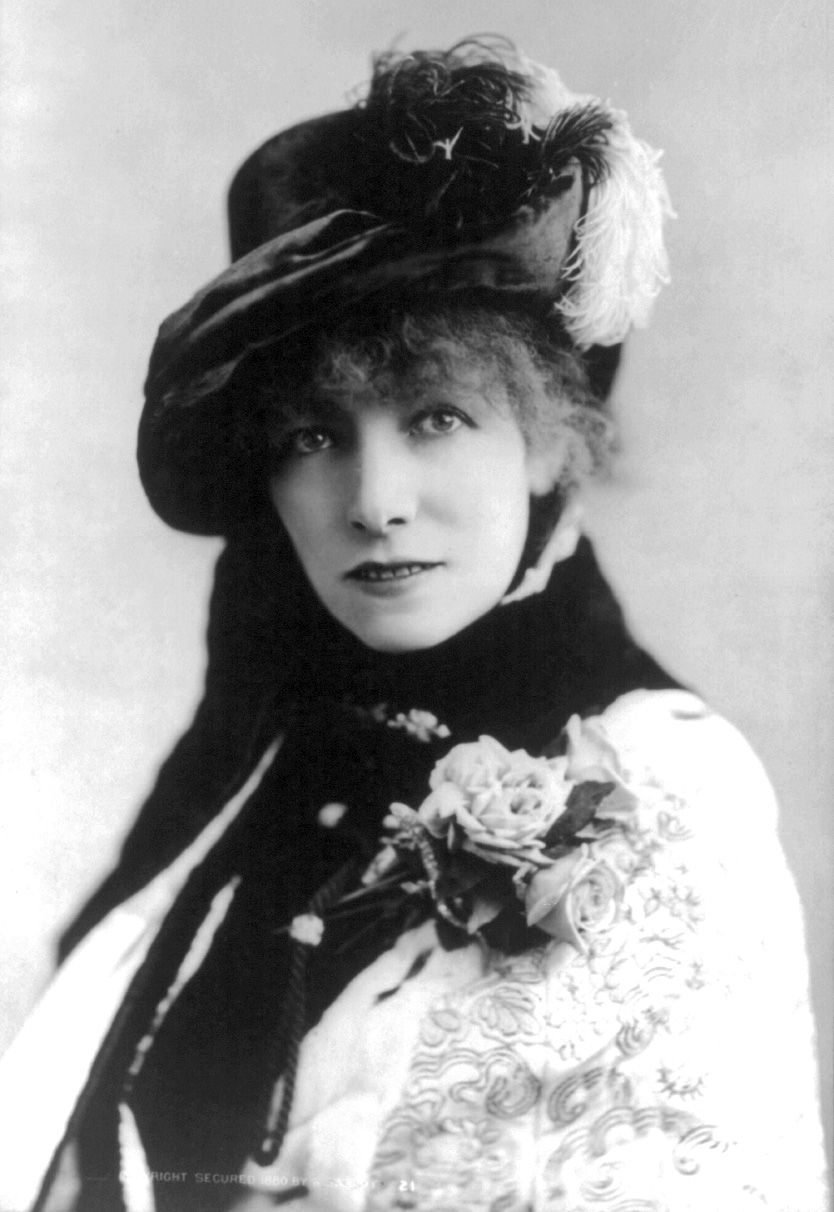

Napoleon Sarony, Sarah Bernhardt, 1880, public domain, Library of Congress via Wikimedia Commons · Bust-length portrait photograph of Sarah Bernhardt by Napoleon Sarony, 1880, from the Library of Congress Prints and Photographs collection (call number cph 3a38656), via Wikimedia Commons. The print itself bears the line 'Copyright secured 1880 by N. Sarony'. Used at the original 834 x 1212 pixel size with no resizing and no upscaling. · Public domain (photograph published in the United States in 1880; photographer died 1896)
배우 · 19세기
사라 베르나르
1844–1923
주요 업적 분야
아직 성격 매칭에 포함되지 않았습니다 — 기록된 근거가 성격 모델 전체를 다루기에는 충분하지 않습니다. 이 페이지의 다른 모든 내용은 자유롭게 확인하실 수 있습니다.
핵심 특성
주요 업적
브리태니커가 19세기 후반 프랑스 최고의 여배우로 꼽는 인물이다. 오데옹 극장과 코메디 프랑세즈에서 『자이르』(1874), 『페드르』, 위고의 『에르나니』로 성공을 거둔 뒤, 『동백꽃 여인』과 사르두의 멜로드라마로 세계적인 스타가 되었다.
1880년 자신의 순회 극단을 꾸려 유럽과 아메리카, 호주를 돌았고, 1893년부터는 르네상스 극장을, 1899년부터는 옛 나시옹 극장을 인수해 '사라 베르나르 극장'으로 이름 붙여 1923년 세상을 떠날 때까지 운영했다.
1899년 햄릿, 1900년 『새끼 독수리』의 나폴레옹의 아들 같은 남성 배역을 연기했고, 일찍부터 음성 녹음과 영화에도 출연한 무대 스타였다.
삶의 장면들
1880년 그녀는 큰 위약금을 물고 코메디 프랑세즈와의 계약을 끝냈고, 이를 갚기 위해 런던에서 연속 공연을 한 뒤 자신의 극단을 이끌고 러시아, 덴마크, 미국을 순회했다.
이는 안정적인 국립 극단의 자리보다 독립을 택한 연기자의 모습과 일치한다. 자율성 욕구
1880년대에 미국 발명가 토머스 에디슨의 집에서 『페드르』를 녹음했고, 1900년부터는 영화에 출연해 가장 유명한 무대 배역 가운데 일부를 연기했다.
이는 더 많은 관객에게 다가가려고 새로운 매체를 일찍 활용한 모습과 일치한다. 기회 감지
전환점
1879년 코메디 프랑세즈와 함께한 런던 공연에서 성공을 거둔 뒤, 1880년 극단을 떠나 자신의 극단을 꾸렸고, 1880년 11월 8일 뉴욕에서 처음 공연한 것을 시작으로 모두 여덟 차례 미국을 방문했다.
이는 국립 극단 중심의 경력이 스스로 이끄는 국제 순회 경력으로 바뀐 모습과 일치한다. 주도 성향
비슷한 인물
전체적인 프로필이 이 사람과 닮은 사람들이에요.


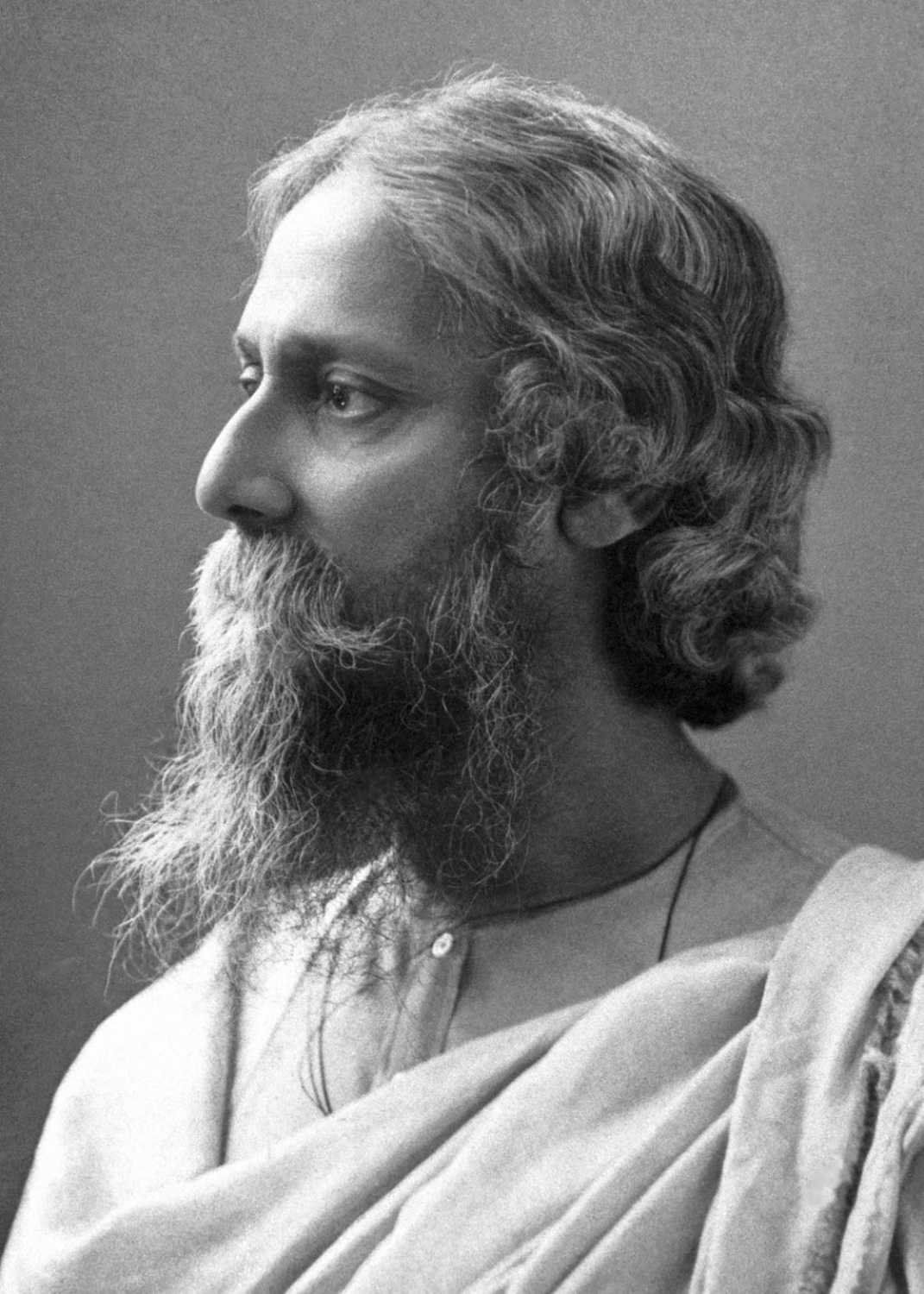
라빈드라나트 타고르

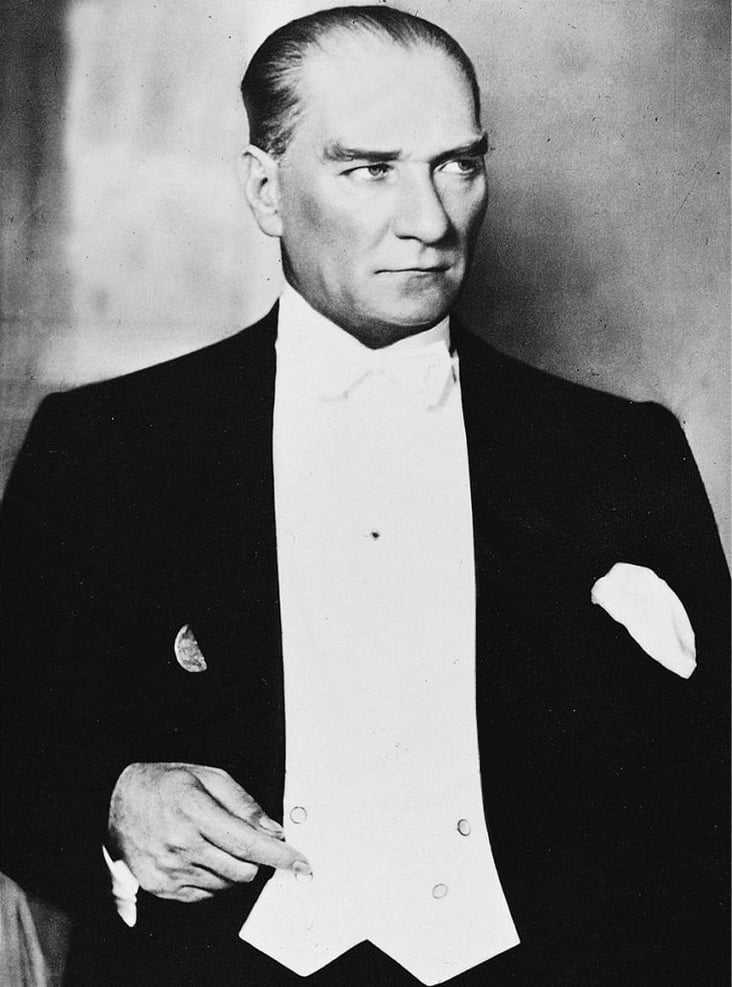
무스타파 케말 아타튀르크

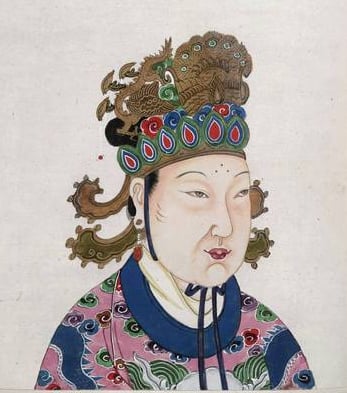
측천무후

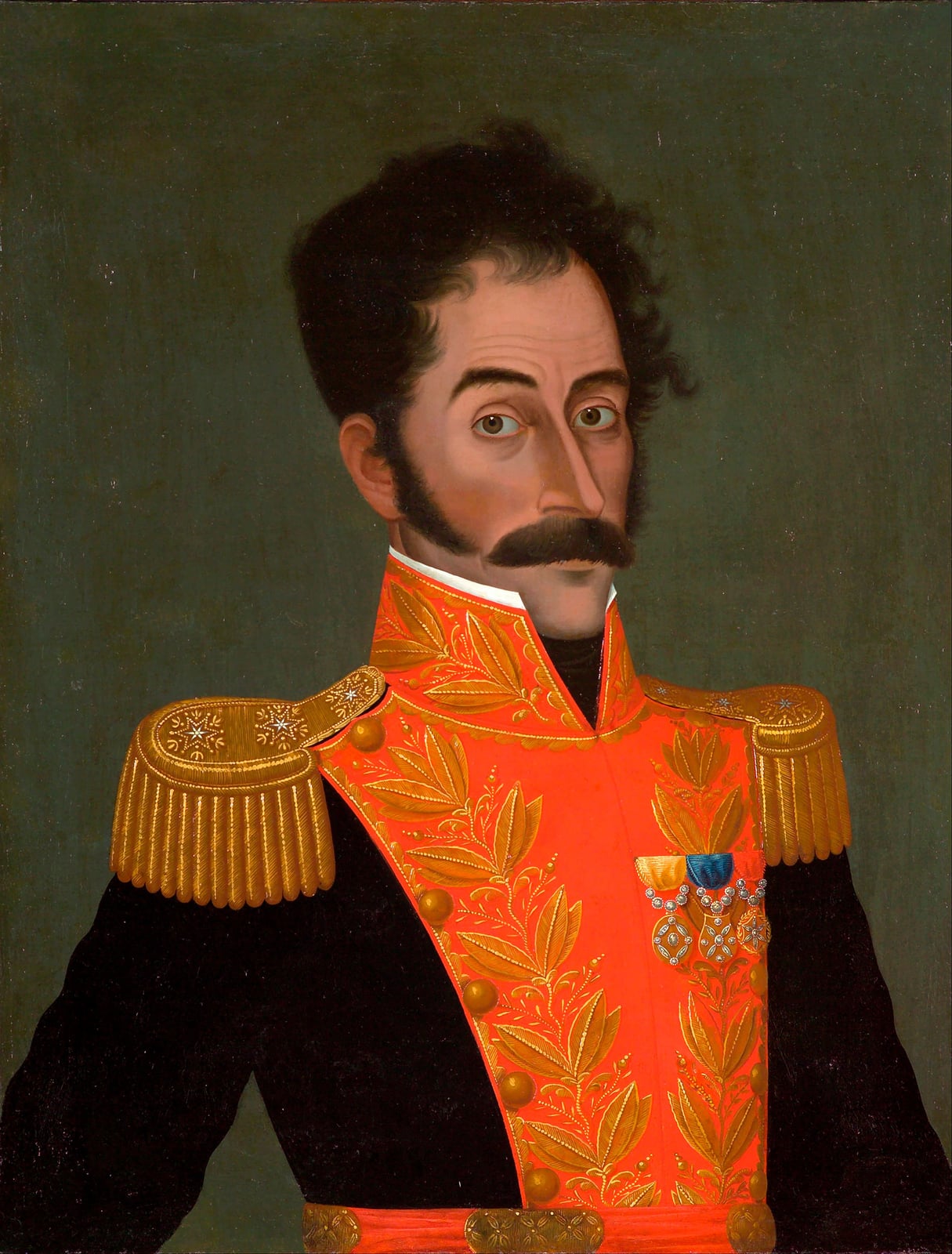
시몬 볼리바르

힐데가르트 폰 빙엔
출처
- Sarah Bernhardt (Q4605), verified live via the Wikidata API (2026-10-31): English description 'French stage actress, painter and sculptor (1844-1923)', born 1844-09-25 with conflicting October values, died 1923-03-23 with a conflicting 26 March value, country France, Korean label present, image 'SarahBernhardt1880.jpg'. Orientation only; not used as support for any row.
- Alois M. Nagler, 'Sarah Bernhardt', Encyclopaedia Britannica, read in full. CANONICAL SIGNIFICANCE SOURCE: 'the greatest French actress of the later 19th century and one of the best-known figures in the history of the stage'; Conservatoire in 1860, the Comedie-Francaise in 1862 (contract cancelled 1863 after a quarrel), the Odeon from 1866, Zaire (1874) and Phedre, where critics who doubted her revised their view, Doña Sol in Hugo's Hernani; her own travelling company formed in 1880, eight American visits and a 1891-93 world tour; manager of the Theatre de la Renaissance from 1893 and, from 1899, of the former Theatre des Nations, renamed the Theatre Sarah Bernhardt, until her death; Sardou's melodramas written for her; male roles including Hamlet (1899) and L'Aiglon (1900); the line that 'her career was also helped by her relentless self-promotion and her unconventional behaviour'; the warning that facts and fiction are hard to disentangle in her memoir. Reference entry by a theatre historian; the praise is retrospective.
- August W. Staub, 'Sarah Bernhardt', EBSCO Research Starters (2024), read in full: the Conservatoire prizes of 1861 and 1862, the Odeon and Comedie-Francaise years, sculpture exhibited at the Paris Salon in 1876 (honourable mention) and paintings in 1880, a large forfeit paid in 1880 to break her contract with the Comedie-Francaise, management of the Theatre Porte Saint-Martin from 1883 and of the Renaissance from 1893, a sound recording of Phedre made at Edison's home in the 1880s, eight feature films from 1900, three books and a stated total of 112 roles. Summary article; some biographical details differ from Britannica's, so only dated professional facts are used.
- University of Glasgow, 'Sara Bernhardt', biography entry in the Whistler Paintings catalogue project, read in full: actress, theatrical manager, painter and sculptor; left the Comedie-Francaise after a quarrel and set up her own troupe in 1880, designing her own clothes and working closely with her stage designers; studied sculpture and exhibited at the Salon through the 1870s and 1880s and abroad in London (1879), New York (1880), Chicago (1893) and Paris (1900); principal patron of Alphonse Mucha and Rene Lalique in the 1890s; an anecdote from W. Graham Robertson that she arrived late to a Whistler sitting and missed appointments. University research entry written for Whistler scholarship; neutral in tone, with the anecdote recorded second-hand.
- Paris Update, review of the Petit Palais exhibition 'Sarah Bernhardt: Et la femme crea la star' (2023), read in full: presents her, from about 400 objects, as an accomplished sculptor and painter, a hard-driving theatre manager and impresario, and an entrepreneur who made, lost and remade fortunes; her image used to advertise biscuits, face powder and absinthe; Mucha's posters for her roles; melodrama and deathbed scenes that critics took 'with a pinch of salt'; caricatures by Andre Gill showing her as 'a difficult woman'. Exhibition review by a Paris arts journalist; part of its text covers family history, health and politics, which is not used. A second review of the same exhibition (Artlyst) was also read and repeats these points, so it is not counted as an independent source.
- Deirdre Kelly, review of Arthur Gold and Robert Fizdale's biography 'The Divine Sarah' (Critics at Large, 2018), read in full: quotes the critics Francisque Sarcey and Alphonse Daudet in praise, and George Bernard Shaw's complaint that she 'does not enter into the leading character; she substitutes herself for it', says that by the end of the century her style seemed excessive to the new school, that she refused to perform Ibsen and Chekhov, and that the biographers are too admiring. Independent critical voice from a reviewer of a biography; much of the review is sensational about her private life, which is not used, and the claims about her later refusals are the reviewer's, not documented here.