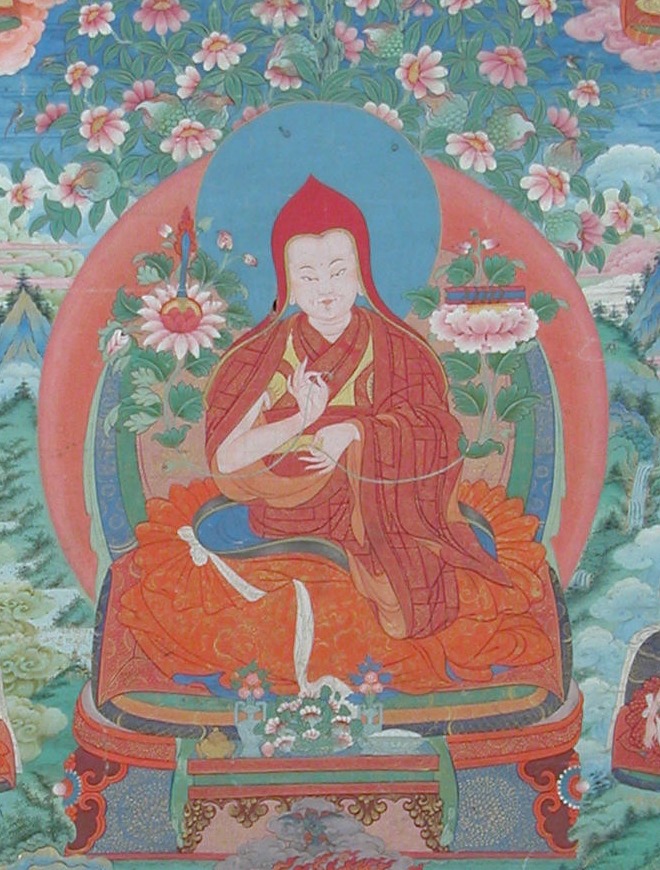

Sakya Pandita, thangka, Eastern Tibet, 18th century. The Metropolitan Museum of Art, Rogers Fund, by exchange, 2006 (2006.285), Open Access · Sakya Pandita, thangka (distemper on cloth), Eastern Tibet, 18th century, accession 2006.285, The Metropolitan Museum of Art, New York (Rogers Fund, by exchange, 2006). A later devotional painting by an unknown artist, made about 500 years after his life, not a likeness. The file is a crop of the central seated lama from the museum's 1168 x 1676 image (the surrounding figures removed), 660 x 870, no upscaling. The painting carries no visible lettering; the museum's title identifies the sitter. · Public domain (Met Open Access: the museum's record marks the work as public domain; anonymous 18th-century painting)
학자 · 중세
사캬 판디타
1182–1251
주요 업적 분야
아직 성격 매칭에 포함되지 않았습니다 — 기록된 근거가 성격 모델 전체를 다루기에는 충분하지 않습니다. 이 페이지의 다른 모든 내용은 자유롭게 확인하실 수 있습니다.
주요 업적
사캬(1182~1251)의 다섯 대 법좌 보유자 가운데 네 번째로, 사캬를 인식론 연구의 중심으로 다시 세웠다. 『불교 백과사전』은 그를 사캬파 초기의 가장 위대한 학자로 꼽고 백 편이 넘는 저작이 전한다고 한다.
대표작 다섯 편은 지금도 티베트인들이 외우는 『격언 보배의 보고』, 『인식론의 보고』, 『삼률의 분명한 구분』, 『성자의 뜻을 밝힘』, 『학자에의 입문』이다.
카슈미르 학자 샤캬슈리바드라와 함께 다르마키르티의 『프라마나바르티카』를 티베트어로 다시 번역했고, 『학자에의 입문』에서 작문·해설·논쟁의 학습 과정을 제시했다. 스탠퍼드 철학 백과는 이를 교육의 목적과 방법을 다룬 드문 중세 논서라고 평한다.
삶의 장면들
『삼률의 분명한 구분』에서 그는 동시대 티베트인들이 받아들인 열 가지 교리를 오류라고 꼽았고, 자신의 비판이 적의나 질투에서 나왔다는 비난에 맞서 경전과 논리로 변호했다.
이는 같은 편 안에서도 공개적으로 논쟁하는 것을 마다하지 않았고 그 대가로 오랜 논란을 치렀던 태도와 일치한다. 갈등 감내
그의 것으로 전해지는 시구는 '나'라는 말을 여덟 번 써서 자신이 문법학자·논리학자·시인이며 안팎의 학문에 통달했다고 하고, 다른 이른바 학자들은 모방일 뿐이라고 말한다.
이는 자신의 학식을 거리낌 없이 내세우는 자신감 있는 태도와 일치하지만, 이 시구는 그의 작으로 전해지는 자기 서술이다. 사회적 적극성
전환점
카슈미르 학자 샤캬슈리바드라가 인도·네팔의 학승들과 함께 티베트에 오자, 그는 그를 찾아가 수가타슈리를 3년간 개인 교사로 두고 이어 샤캬슈리에게 5년을 더 배웠다. 스탠퍼드 철학 백과는 이를 삶의 큰 전환점으로 보며, 이후 그는 다르마키르티의 저작을 다시 번역하고 람데 전통으로 알려진 사캬를 인식론의 중심지로 바꾸었다.
이는 새로운 학문 체계를 익히기 위해 여러 해에 걸쳐 의도적으로 매진한 태도와 일치한다. 숙련 지향
비슷한 인물
전체적인 프로필이 이 사람과 닮은 사람들이에요.


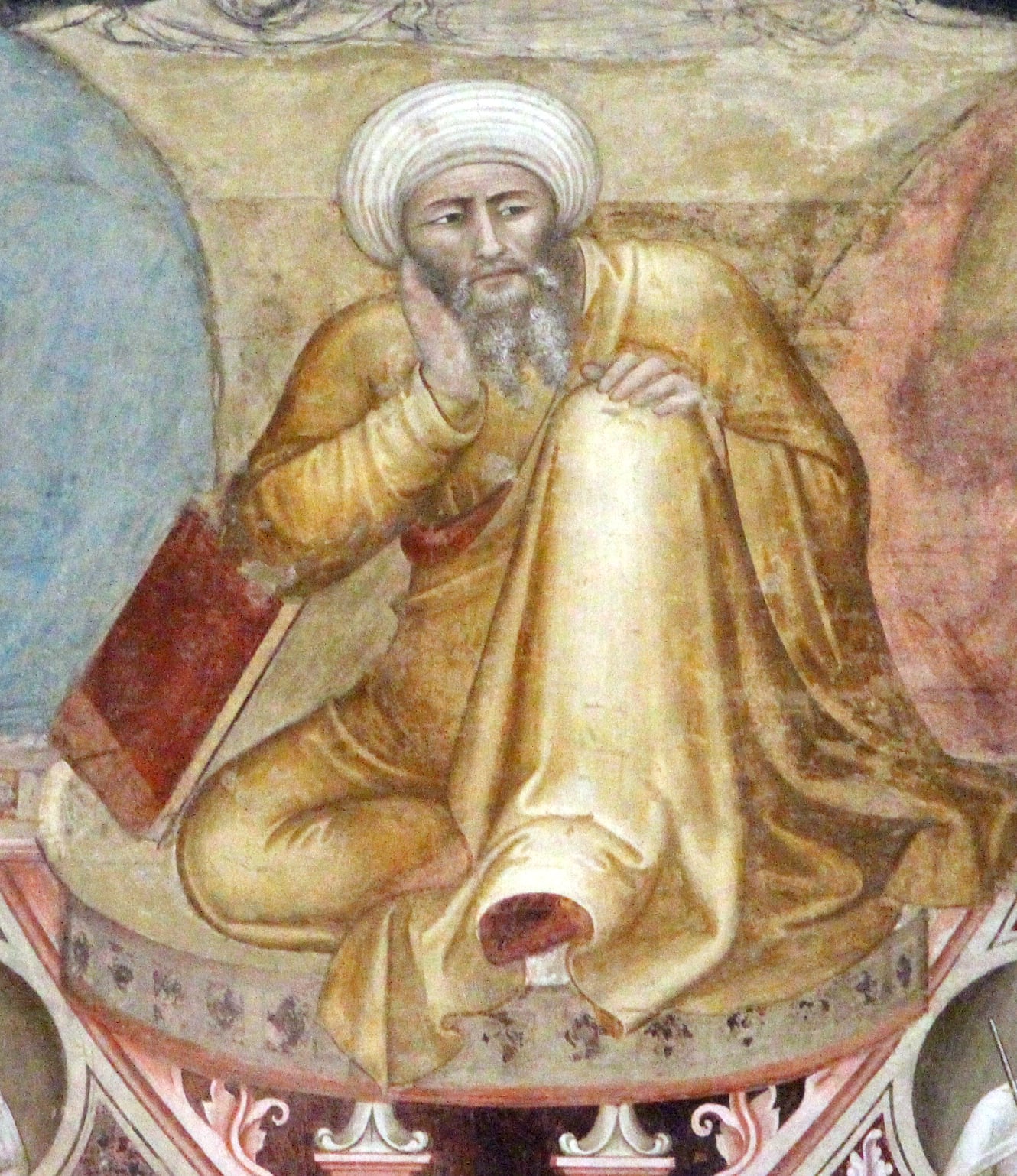
이븐 루시드

워런 버핏

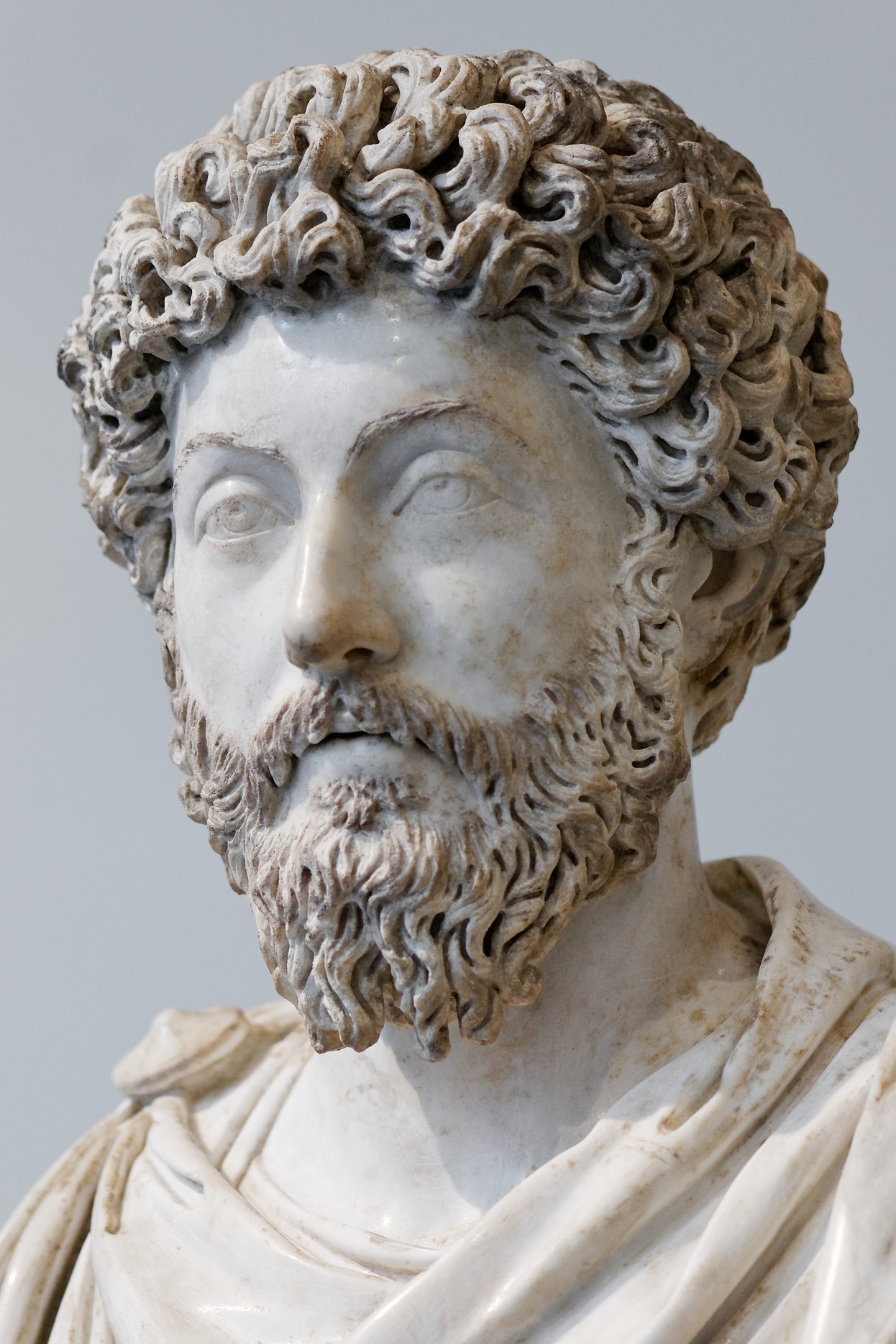
마르쿠스 아우렐리우스

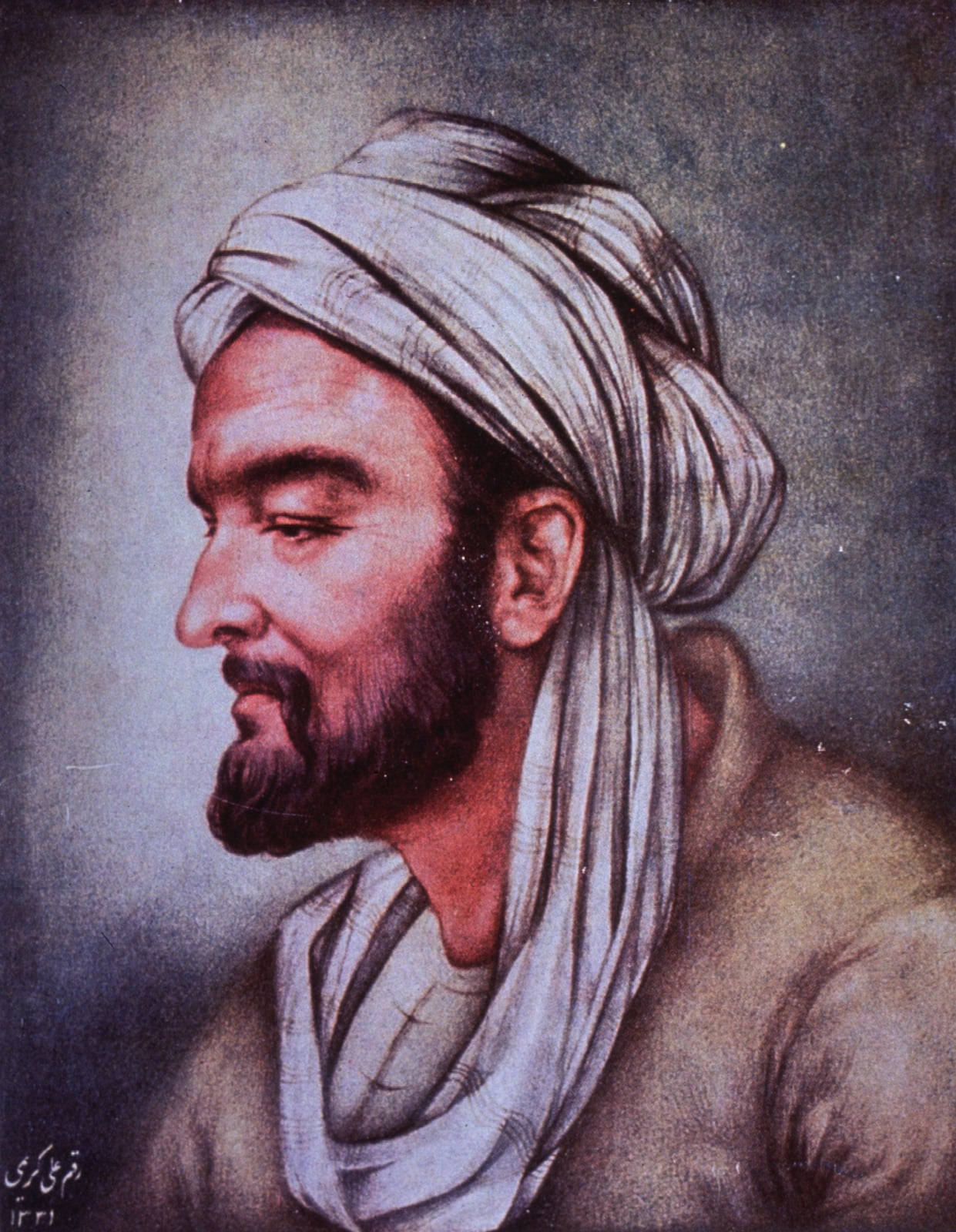
이븐 시나

알렉산더 해밀턴
출처
- Sakya Pandita (Q982008), verified live via the Wikidata API (2026-11-05): English label 'Sakya Pandita', description 'Tibetan Lama (1182-1251)', birth 1182 and death 1251 (year precision), images include the Met thangka. No Korean label. Orientation only; not used as support for any row.
- Stanford Encyclopedia of Philosophy, 'Sakya Pandita [sa skya pan di ta]' (Jonathan C. Gold; the whole entry read from the public page: life and works, the Treasury of Epistemological Reasoning, the Clear Differentiation of the Three Vows, Clarifying the Sage's Intent, the Gateway to Learning). CANONICAL SIGNIFICANCE SOURCE: the fourth of the five great throneholders of Sakya who 'established Sakya anew as a leader in the study of epistemology'; best known for five major works; the Treasury of Epistemological Reasoning is called 'one of Tibet's best known and most consequential philosophical achievements' but with 'an ambiguous legacy' and controversy from its debut; the Three Vows is 'a polemical treatise' and his 'most controversial work'; the Gateway to Learning is 'a rare example of a medieval treatise on the goals and means of education'; he studied with Sugataśri for three years and Śākyaśrī for five, retranslating Dharmakirti's Pramanavarttika with the latter; he was 'often criticized and sometimes lampooned for being stodgy, conservative, and self-satisfied'; the entry flags the hagiographical fancy in his early biographies and says it is not clear what terms followed his 1244 Mongol summons. Scholarly reference written by a modern academic; the assessments of his works are retrospective.
- Encyclopedia of Buddhism (Macmillan), 'Sa skya Pandita (Sakya Pandita)' by Ronald M. Davidson, read in full via Encyclopedia.com. An independent scholarly entry: 'revered as the greatest early scholar of the Sa skya sect', fourth of the five great Sa skya teachers, 'noted for his conservative polemics against what he saw as unwarranted Tibetan innovations'; sent to Central Tibet in 1200 to study Yogacara, Madhyamaka and Dharmakirti's logic; his decisive influence was the Kashmiri master Śākyaśribhadra and his retinue, who taught him the Sanskrit curriculum of the great Indian monasteries including poetics; more than one hundred compositions; Jackson's five works of special influence, the Treasury of Aphoristic Jewels being 'best known' and 'still memorized by Tibetans'; the Treasury of Epistemology is 'dedicated to the refutation of the innovations of Tibetan scholars, especially' Chapa Chokyi Senge.
- Lotsawa House, 'Eight Self-Assertions' by Sakya Pandita (verse translated by Adam Pearcey, 2025, from the Sakya Kabum; Tibetan text and English read in full). SELF-REPORT: a famous verse that uses the word 'I' eight times: 'I'm a grammarian. I'm a logician... In figurative expression, I'm without rival... Other so-called scholars are mere imitations.' The page's own note attributes it to him, while the Tibetan edition cited is the Sakya Kabum volume that carries the commentary on the verse and names 'Sa chen Kun dga' snying po and others', so the attribution rests on the tradition and the self-presentation is not independently checked.
- Rangjung Yeshe Wiki (Dharma Dictionary), 'Sakya Pandita Kunga Gyeltsen', read in full: a traditional Sakya-lineage short biography (from the Sakya Tegchen Choling newsletter) with dream visions, miraculous birth and magical-test stories, plus brief factual notes (ordination by Shakya Shri Bhadra, Sakya throne at 25, Literary Works list). Hagiographic; used only to show how the tradition presents him and as a contrast to the scholarly sources. Nothing from its legendary passages is scored.
- The Metropolitan Museum of Art, 'Sakya Pandita', thangka, Eastern Tibet, 18th century, distemper on cloth, accession 2006.285 (Open Access API record for object 73300 read live: isPublicDomain true; image 1168 x 1676 downloaded). Portrait holder record only; the museum's HTML object page is bot-walled, so only the API record was read.