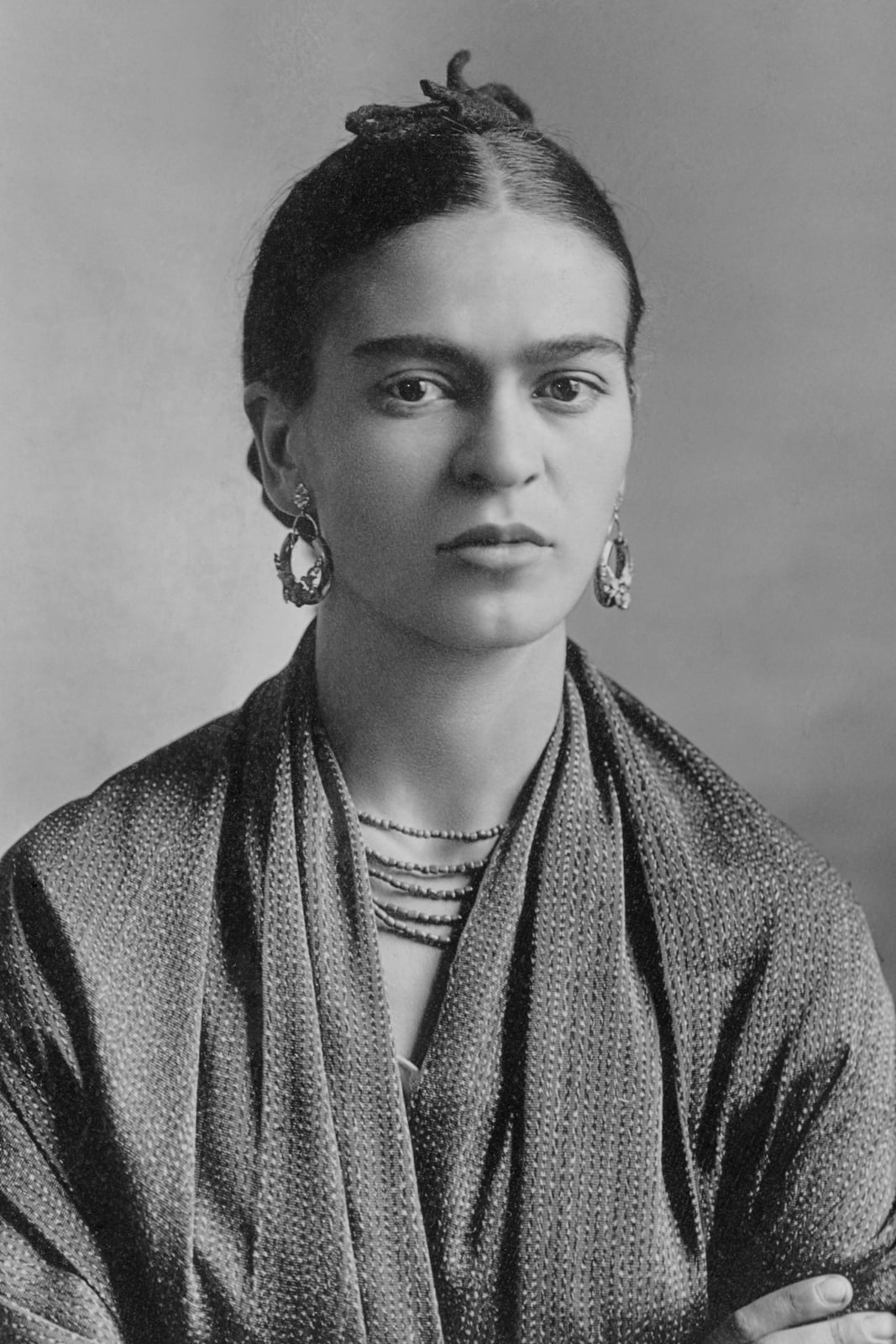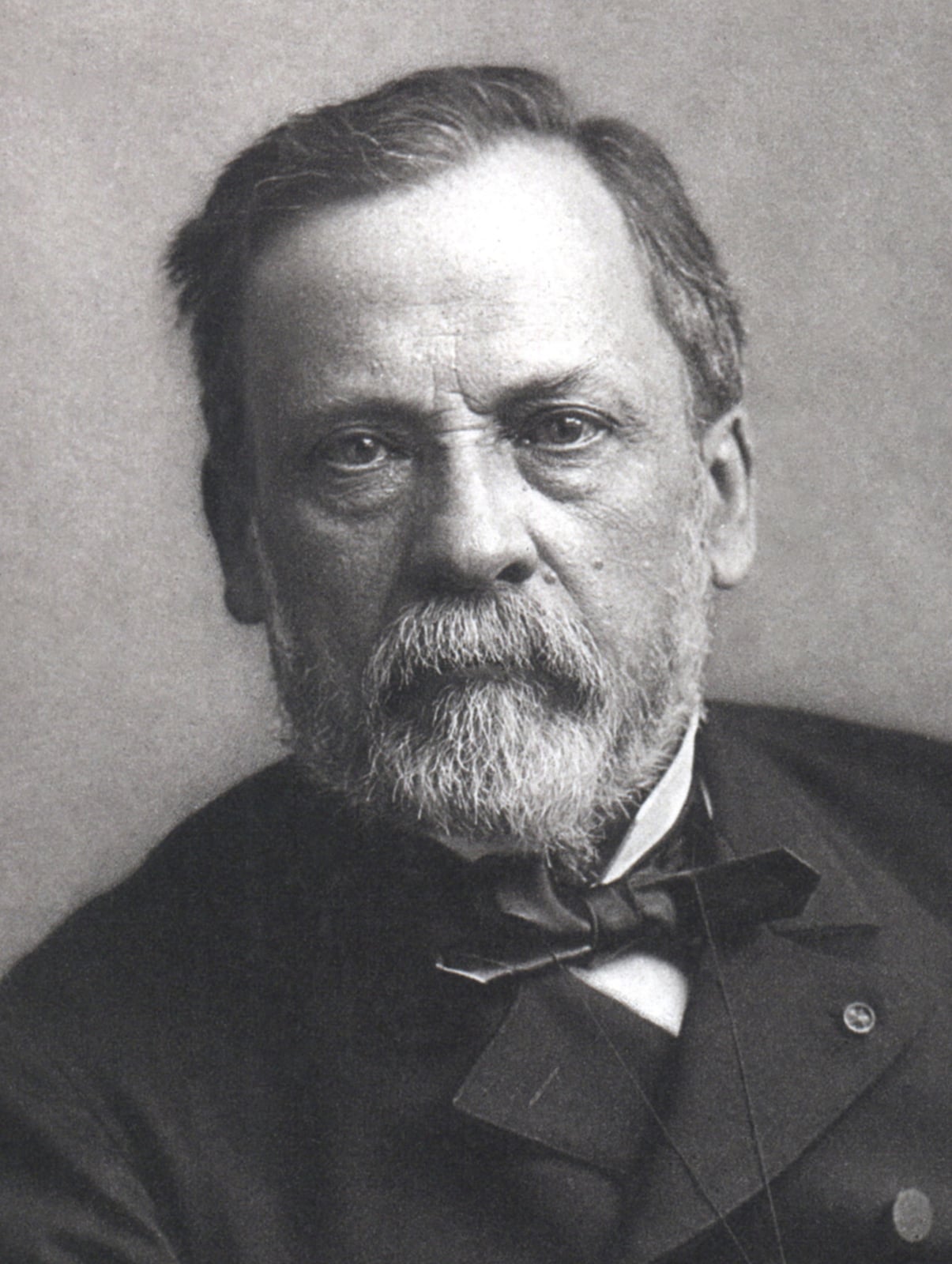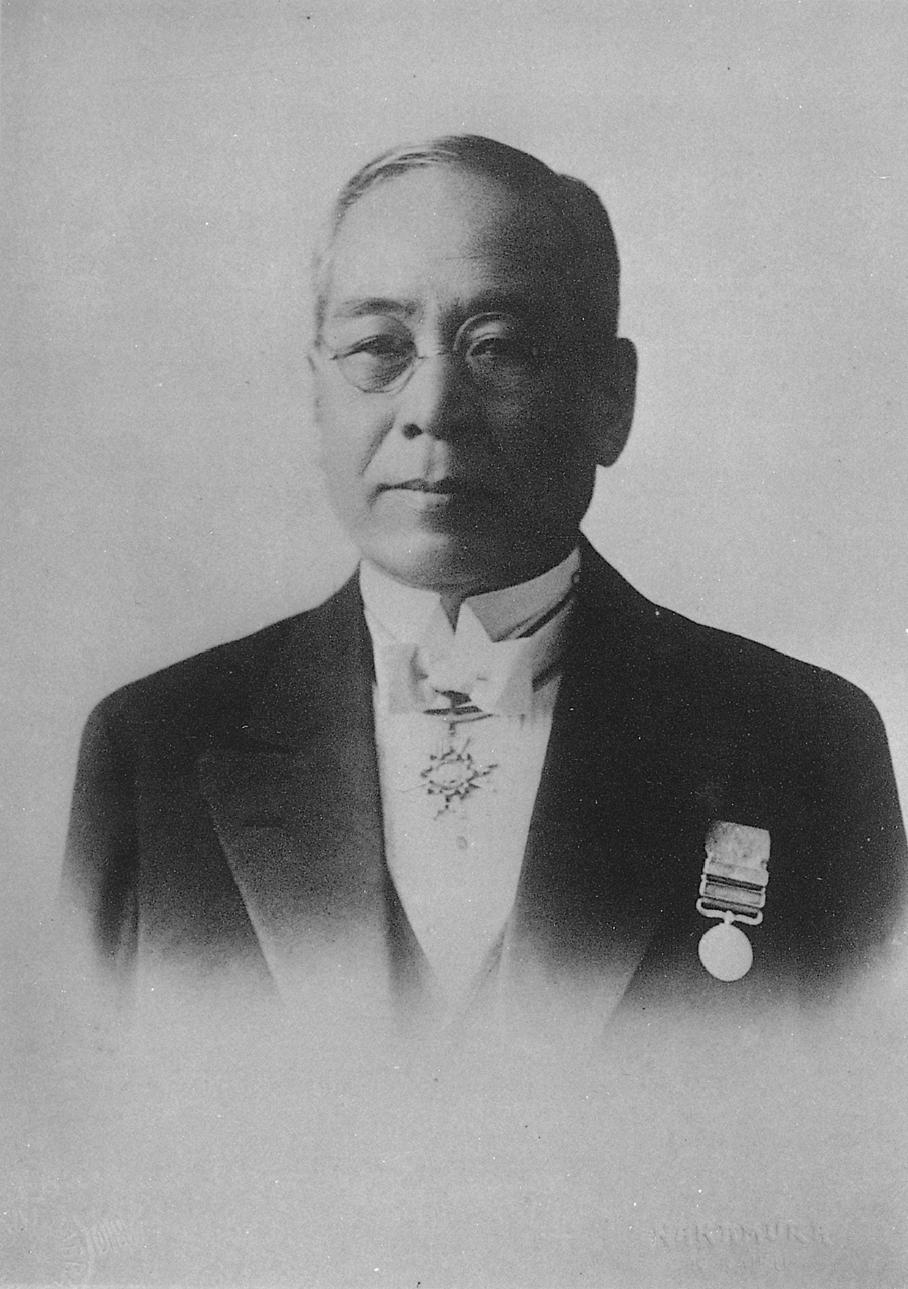

Portraits of Modern Japanese Historical Figures, National Diet Library, Japan; via Wikimedia Commons (public domain) · Studio portrait photograph of Sakichi Toyoda in formal dress with a decoration, with an embossed studio mark at lower right that appears to read 'Nakamura' (the photographer is otherwise unidentified), hosted on Wikimedia Commons as 'Sakichi Toyoda.jpg' (uploaded 2007; the file page says it comes from the Japanese book 'Toyoda Sakichi den' and links the National Diet Library page). The same image is displayed on the National Diet Library's digital exhibition 'Portraits of Modern Japanese Historical Figures', whose About page states that all images in the exhibition are in the public domain and may be reused, including commercially, with the source cited; the exhibition's page footer carries only the library's generic site copyright line, which does not apply to those images. Rights basis: the NDL statement plus age: the photograph was taken before his death in 1930 and, from the 'Toyoda Sakichi den' source (a 1933 biography by the Toyoda Sakichi-o Seiden Hensansho appears in the NDL catalogue, not opened here), published by 1933, so the Japanese term for a photograph published in 1933 had expired long before the 1996 US restoration date and the image is in the public domain in the United States. Caveats: the individual photographer and the exact first-publication year could not be confirmed, and the NDL digital record behind the image was not readable. Original 908 x 1289 pixels; saved as is, no cropping, resizing or upscaling. · Public domain (National Diet Library statement; Japanese photograph published by 1933)
핵심 특성
주요 업적
목수의 아들로 태어난 그는 평생 직기를 개량했다. 도요타의 회사 연혁서는 그의 1897년 동력 직기를 일본 최초의 자력 직기라고 설명하며, 그는 아들 기이치로와 함께 1920년대 중반 G형 자동 직기를 완성했다.
그의 직기에는 실이 끊어지면 기계가 스스로 멈추는 장치가 들어 있었고, 도요타의 회사 연혁서는 생산 방식의 '지도카' 원리가 이 설계에서 비롯되었다고 설명한다.
그는 1926년 도요타 산업의 뿌리가 된 도요다 자동직기제작소를 세웠고, 1929년 일본·중국·미국을 제외한 지역의 G형 직기 권리는 영국 플랫 브러더스에 넘어갔다.
삶의 장면들
1896년 동업자의 사기로 나고야의 가게가 무너질 뻔했지만, 그는 사업을 지켜 냈고 이듬해 폭이 좁은 동력 직기를 완성했다.
이는 사업 위기 속에서도 직기 개발을 이어 간 모습과 부합한다. 끈기
1902년 연구비를 둘러싼 갈등 끝에 그는 미쓰이가 후원하는 이게타 상회를 격하게 그만두었고, 1910년에는 방침 차이로 도요다 직기 회사에서도 사임했다.
이는 후원받는 회사를 잃더라도 자신의 연구 방향을 스스로 정하려는 강한 욕구와 부합한다. 자율성 욕구
전환점
1885년, 열여덟 살의 그는 새 특허법에 관한 이야기를 듣고 새뮤얼 스마일스의 《자조론》 번역본을 읽은 뒤 목수의 길을 버리고 직기 발명가가 되기로 결심했다.
이는 젊은 나이에 하나의 발명 분야에 평생을 걸기로 한 결심과 부합한다. 숙련 지향
비슷한 인물
전체적인 프로필이 이 사람과 닮은 사람들이에요.
출처
- Sakichi Toyoda (Q137727), verified live via the Wikidata API (2026-10-31): label 'Sakichi Toyoda', description 'Japanese inventor and industrialist (1867-1930)', born 1867-03-19, died 1930-10-30, citizenship Japan, Korean label 도요다 사키치. Orientation only; not used as support for any row.
- Japan Society of Mechanical Engineers, 'Mechanical Engineering Heritage No. 16: Non-Stop Shuttle Change Toyoda Automatic Loom, Type G' (heritage designation page, read in full). CANONICAL SIGNIFICANCE SOURCE: professional-society statement that the Type G was the complete automatic loom Sakichi Toyoda spent his life trying to invent, with an automatic shuttle-changing device and an automatic stop on broken warp or weft yarns, drawing on more than 50 of his inventions, that it raised productivity at least twenty-fold and was the foundation of the Toyota Group and of the technology transfer to Platt Brothers in Britain.
- National Diet Library, Japan, 'TOYODA Sakichi', Portraits of Modern Japanese Historical Figures (English biographical note, read in full). Short library biography: carpenter's son; first wooden handloom 1890; first Japanese-designed automatic power loom 1897; chief engineer at Mitsui's Igeta Shokai from 1899; managing director and chief engineer of the Mitsui-financed Toyoda Loom Works from 1906 and resignation in 1910 over policy differences; completion of the Toyoda automatic loom in 1926 and founding of Toyoda Automatic Loom Works; many patents and study to the end of his life. The page also hosts the portrait used here.
- EBSCO Research Starters, 'Sakichi Toyoda' (read in full, about 1,900 words). Detailed modern biography: boyhood in a weaving region, the decision at eighteen to become an inventor, trial-and-error method without scientific training, the failed first business of 1893, the 1896 store fraud, the 1897 power loom, repeated clashes with Mitsui over research budgets and two resignations (1902, 1910), the aborted plan to emigrate, the 1905 endurance-test failure against Platt looms, family reliance, teamwork with his son Kiichiro on the automatic loom (patented 1925), and the 1929 sale of the loom patents to Platt. It also says the Platt payment was only partly made and later contested.
- Toyota Motor Corporation, '75 Years of Toyota', Part 1 Chapter 1 (company history; read: Section 1 items 1, 2 and 4 on Sakichi Toyoda's start, patents and the origin of automatic stopping, Section 2 item 1 on the 1907 Mitsui-backed company, Section 3 item 1 on Kiichiro, and Section 4 item 2 on the Platt patent agreement). Detailed, footnoted company history; it is the firm's own account and is therefore treated as institutional self-history, not an independent source. It states that Kiichiro invented the shuttle-change automatic loom and that Sakichi's loom features are the origin of jidoka.
- Science Museum Group Collection, 'Toyoda Automatic Loom' (object 2000-807, type G, 1926 / 1924; catalogue entry read in full). Independent museum catalogue entry: describes it as the world's first automatic loom on which the shuttle could be changed without stopping the loom, marketed in Britain by Platt Brothers from 1929, and credits the licence fees with launching Toyota Motor. The loom was donated by Toyota in 2000, and the museum itself warns its records are not guaranteed accurate.
- Christoph Roser, '150th Anniversary of the Birth of Sakichi Toyoda', AllAboutLean.com (lean-manufacturing author's blog article, read in full, about 1,800 words). Independent popular biography; useful as counter-voice: it says Sakichi or more likely Kiichiro invented the Type G, that most patents after 1921 were Kiichiro's or other researchers', that the Platt dispute ended in a price reduction, that the legend of the deathbed gift of Platt money for a car company is not true, and that the 5 Whys attribution is only reported. It gives his birth date as 14 February (Toyota's history gives the same) while the National Diet Library and Wikipedia give 19 March.
- Wikipedia, 'Sakichi Toyoda' (read; orientation only, never counted as a source and not used as support for any row). It was read to see the commonly repeated claims (jidoka, 5 Whys, 'King of Japanese Inventors') that the substantive sources are checked against.