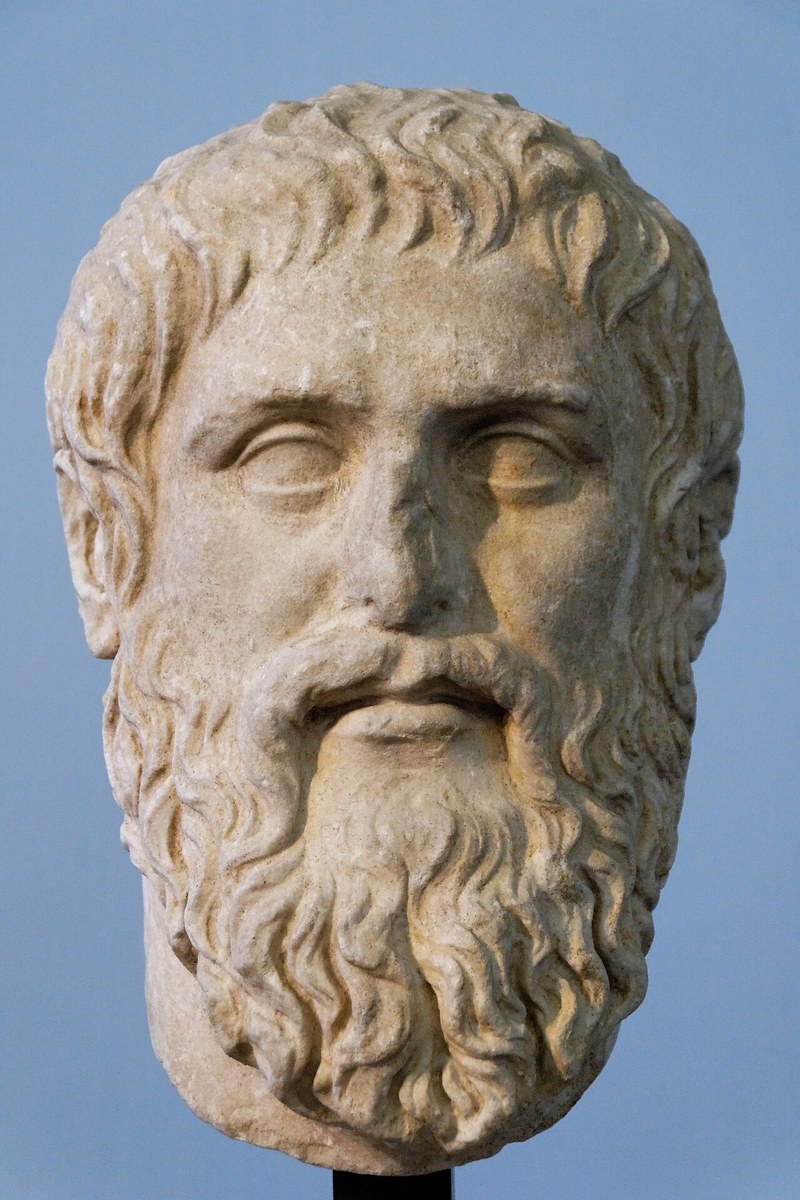
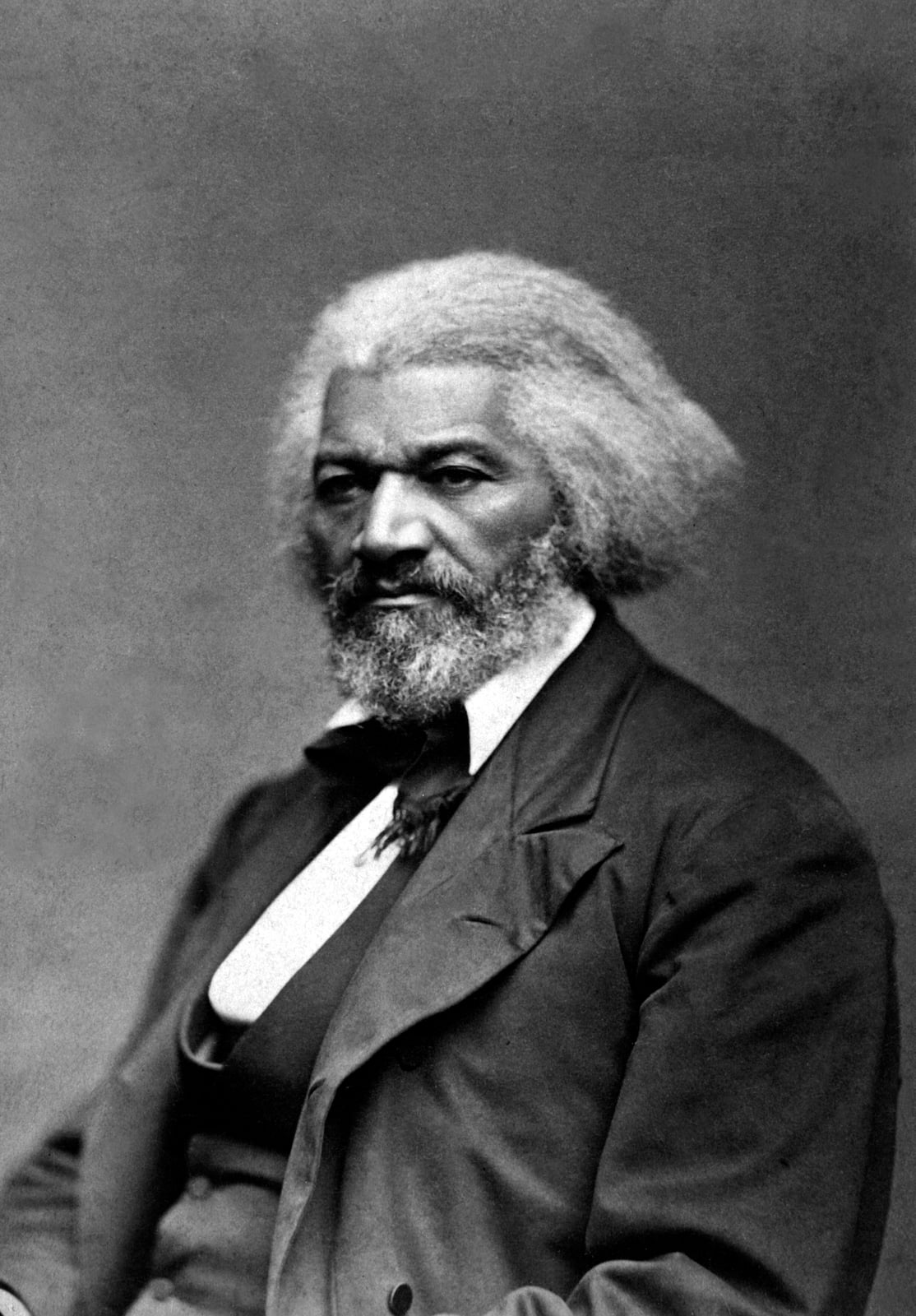
Photograph by Marie-Lan Nguyen (Wikimedia Commons user Jastrow), 2009, CC BY 2.5; Roman copy after Silanion, Capitoline Museums, Rome · Marble bust of Plato, a Roman copy (dated to the 1st century AD on the Commons page) of a portrait attributed to the sculptor Silanion (about 370 BCE, made for the Academy), Capitoline Museums, Rome (Centrale Montemartini), inventory MC 1377. Photograph by Marie-Lan Nguyen, 5 September 2009, her own work. The bust is an ancient sculptural portrait made about a century after the sitter's lifetime, so it is a later depiction and not a likeness. The file is the original 2400 x 3600 Commons photograph downscaled to 800 x 1200 with no upscaling. · CC BY 2.5 (photograph); the ancient sculpture itself is in the public domain
철학자 · 고대
플라톤
428 BCE–347 BCE
주요 업적 분야
아직 성격 매칭에 포함되지 않았습니다 — 기록된 근거가 성격 모델 전체를 다루기에는 충분하지 않습니다. 이 페이지의 다른 모든 내용은 자유롭게 확인하실 수 있습니다.
주요 업적
그는 《국가》, 《소크라테스의 변론》, 《파이돈》 등 서양 철학의 기초 문헌으로 읽히는 철학 대화편을 썼고, 이 속에서 이데아론을 펼쳤다.
그는 아테네 성벽 밖 숲에 학원 아카데메이아를 세워 평생 가르쳤고, 아리스토텔레스가 이곳에서 배웠다. '아카데믹'이라는 말은 이 이름에서 나왔다.
불멸의 영혼, 상승의 사다리로서의 사랑, 모방으로서의 예술에 관한 그의 글은 이후의 철학과 서양 문화에 영향을 주었다.
삶의 장면들
학자들은 《국가》를 바탕으로 산술, 기하, 천문, 화성학이 변증법을 준비시키는 아카데메이아의 교육 과정을 복원하며, 플라톤은 연구를 직접 지휘하기보다 문제를 내고 방법을 비판했던 것으로 본다.
이는 수학 훈련을 철학적 탐구로 가는 길로 여긴 교사의 모습과 일치한다. 숙련 지향
앨런에 따르면 그의 후기 대화편은 《티마이오스》의 생리학이나 《법률》의 에우독소스 천문학 같은 과학적 생각을 받아들여 도덕적, 신학적 논증에 썼다.
이는 여러 탐구 분야를 끌어들여 철학 작업을 한 사상가의 모습과 일치한다. 분야 횡단성
전환점
기원전 399년 소크라테스가 처형된 뒤 그는 아테네를 떠나 여행했고, 기원전 387년 또는 380년경 돌아와 아카데메이아를 세웠으며, 이곳은 남은 생애 동안 그의 근거지가 되었다.
이는 소크라테스의 제자에서 자신의 교육 기관을 이끄는 사람으로 옮겨간 전환과 일치한다. 숙련 지향
비슷한 인물
전체적인 프로필이 이 사람과 닮은 사람들이에요.


볼프강 아마데우스 모차르트

에이다 러브레이스

쿠사마 야요이

라빈드라나트 타고르

거트루드 벨
출처
- Plato (Q859), verified live via the Wikidata API (2026-10-31): label 'Plato', description '4th-century BCE Greek philosopher', birth given as 427, 428 and 429 BCE and death as 347 and 348 BCE (year precision), citizenship ancient Athens, Korean label 플라톤, image the Capitoline bust photograph. Orientation only; not used as support for any row.
- Internet Encyclopedia of Philosophy, 'Plato' (biography and writings sections), read in the biographical, Academy and influence sections. CANONICAL SIGNIFICANCE SOURCE: dates c. 428-427 to 348-347 BCE 'not entirely certain'; wealthy, politically active Athenian family; after Socrates' death he left Athens and may have visited Cyrene, Italy, Sicily and Egypt; he founded the Academy, named after a grove outside the city walls, which became his base apart from two more Sicilian trips, and the word 'academic' derives from it; he taught Aristotle; Diogenes Laertius is 'notoriously unreliable' and the Seventh Letter is the most likely letter to be authentic but is one source among others; Socratic dialogue was already a genre (Xenophon, Antisthenes) and Plato is praised for dialogue, characterisation and dramatic setting; the theory of Forms and his critique of the arts as imitation influenced later thought. Scholarly institutional reference; the praise of influence is retrospective.
- Stanford Encyclopedia of Philosophy, 'Plato' (Richard Kraut), read through a fetched summary of the entry (the full text was not opened line by line): Plato was an Athenian citizen of high status, about 28 when Socrates was killed, Aristotle studied with him, nearly all his writings are dialogues (the Apology is the main exception, a speech of Socrates), Socrates is in nearly all of them, he 'does not himself affirm anything in his dialogues', the thirteen letters are of disputed authenticity, the division into early, middle and late dialogues is itself disputed, and philosophy as a subject 'can be called his invention'. Scholarly reference; the strongest claims are retrospective praise and are NOT scored as behaviour.
- World History Encyclopedia, 'Plato', read in full (via fetched summary): born in Athens probably c. 424/423 BCE on Waterfield's argument or traditional 428/427; aristocratic family; Diogenes Laertius 'often unreliable'; present at neither the trial nor the death of Socrates, with the Phaedo narrated by Phaedo and a report that Phaedo said Plato invented material; travels c. 398-380 BCE and later Syracuse visits; founded the Academy, 'traditionally considered the first university in the Western world' but a wooded garden near his home rather than a modern university; Aristotle his student; Speusippus succeeded him; tradition says the school lasted to Justinian's closure; critics include Diogenes of Sinope ('elitist snob' per the page) and, in modern times, Karl Popper on the Republic. Popular reference and the counter-voice source; hedged claims are not scored.
- Luc Brisson (Encyclopedia of Religion, 2005) and D. J. Allan (Complete Dictionary of Scientific Biography), 'Plato', via Encyclopedia.com, first 100,000 characters read: Academy founded near a park outside Athens c. 387 or 380 BCE (date uncertain), organised as a religious fraternity of the Muses with common meals; a curriculum sketched from the Republic in which mathematics (arithmetic, geometry, astronomy, harmonics) prepares for dialectic; Plato 'seems to have set problems and criticized methods rather than directly directing research'; Theaetetus, Eudoxus of Cnidus and Aristotle (from 367 BCE) in the Academy; nephew Speusippus named successor; the inscription over the Academy door is traced only to Philoponus and is doubted; late works absorb scientific ideas (Philistion's physiology in the Timaeus, Eudoxan astronomy in the Laws); works survive but their order is uncertain and the letters only partly accepted. Independent scholarly voice and the main source for the Academy's activities.
- Diogenes Laertius, 'Life of Plato' (Lives of Eminent Philosophers, Book 3, R. D. Hicks translation, Perseus Digital Library), read in full: a late (about 3rd century CE) compilation reporting family, name, pupilship to Socrates, journeys, the Academy, a classification of his dialogues, his will, burial in the Academy and a list of disciples including Speusippus, Xenocrates and Aristotle. Mixed with dream, name-origin and slave-sale anecdotes that are NOT used. Used only for the plain items (the Academy as his school, the will, the disciples) that scholars treat as reportage rather than legend; late and second-hand.
- Plato (attributed), 'Seventh Letter' (Perseus Digital Library, first 100,000 characters read): a first-person account of his disillusion with Athenian public life, his Sicilian journeys and his statement that he has written no treatise on his central doctrines. Authenticity is disputed (the IEP rates it the letter most likely to be genuine; the SEP says authenticity is a matter of great controversy), so it is self-report of uncertain authorship and is used only as corroboration, never as sole support for a row.