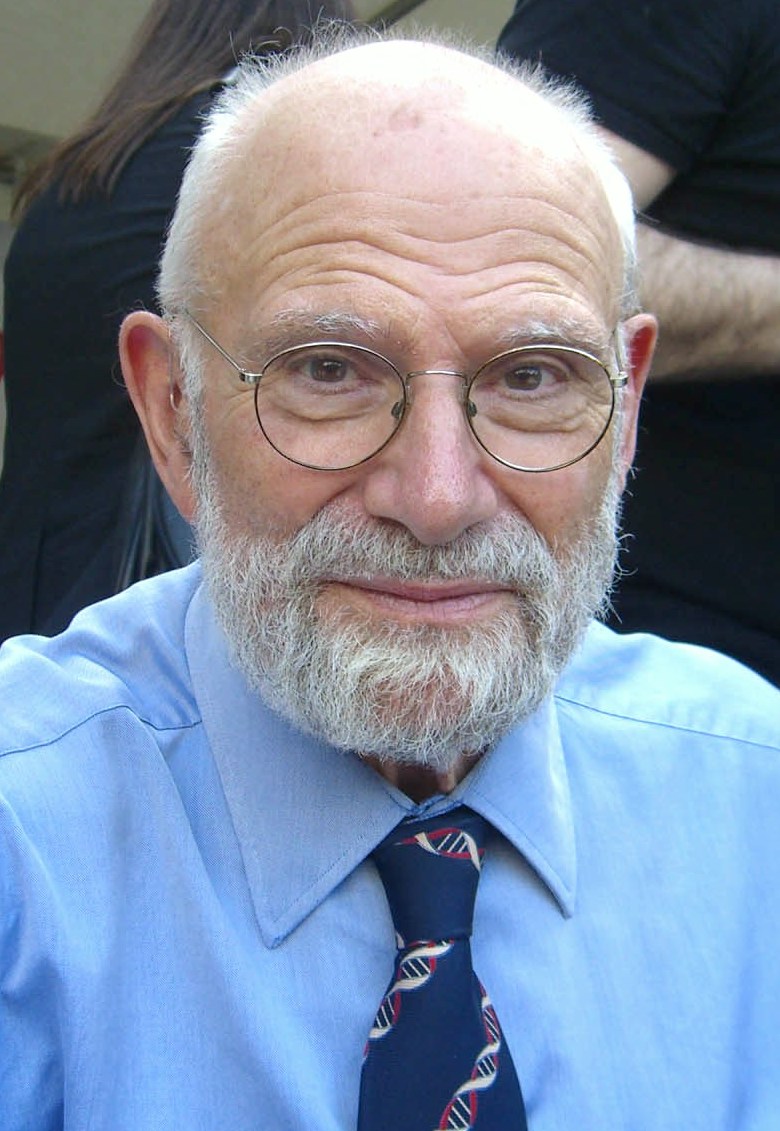

Photo: Luigi Novi / Wikimedia Commons, 2009, CC BY 3.0 · Wikimedia Commons, '9.13.09OliverSacksByLuigiNovi (cropped).jpg' (crop of '9.13.09OliverSacksByLuigiNovi.jpg', 1610 x 1412) -- photograph by Luigi Novi taken 13 September 2009 at the Brooklyn Book Festival, own work, uploaded by the photographer under CC BY 3.0 with a request for a visible credit line. Crop original 780 x 1131 pixels (SHA-1 51175822e69f, matches the Commons record); saved unchanged, never upscaled. · CC BY 3.0
의사 · 20세기
올리버 색스
1933–2015
주요 업적 분야
아직 성격 매칭에 포함되지 않았습니다 — 기록된 근거가 성격 모델 전체를 다루기에는 충분하지 않습니다. 이 페이지의 다른 모든 내용은 자유롭게 확인하실 수 있습니다.
핵심 특성
주요 업적
색스는 브롱크스의 베스 에이브러햄 병원에서 자문 신경과 의사로 일하며 1916~1927년 수면병 유행 이후 수십 년간 굳어 있던 뇌염후 환자들에게 1969년 봄부터 엘도파를 투여했다. 많은 환자가 극적으로 회복했으나 대개 일시적이었다. 그의 책 『깨어남』(1973)은 스무 편의 사례 기록을 담았고, 1987년판은 후속 경과를 보태는 맺음말을 더했다. 1990년 영화판은 작품상을 포함해 아카데미 3개 부문 후보에 올랐다.
색스는 『편두통』(1970)을 시작으로 『아내를 모자로 착각한 남자』 『화성의 인류학자』 『뮤지코필리아』 등에서 투렛 증후군, 실어증, 자폐증 같은 질환을 서사로 쓴 임상 사례 기록을 이어 갔다. 올리버 색스 재단은 그의 접근이 환자를 진단 범주에 끼워 맞추기보다 각 개인이 어떻게 대처하고 적응하는지를 살폈으며, 그가 신경다양성 운동의 선구로 자주 거론된다고 설명한다.
색스는 앨버트 아인슈타인 의과대학 임상신경학 교수를 지낸 뒤 컬럼비아대 의료원(2007~2012년, 재단에 따르면 이 대학의 첫 '컬럼비아 대학 아티스트')과 뉴욕대 의과대학(2012~2015년)의 교수로 일했다. 『뉴요커』와 『뉴욕 리뷰 오브 북스』에 꾸준히 기고했으며 2002년 록펠러대학교의 루이스 토머스 상을 받았다.
삶의 장면들
색스는 『깨어남』을 위해 상세한 기록을 남기고 환자들에게 일기를 쓰도록 권했으며, L-도파를 투여받은 뇌염후 환자 스무 명의 전기적 사례 기록을 썼다. EBSCO에 따르면 1987년판은 1973년 이후의 경과를 갱신한 맺음말을 더했다.
같은 환자들에게 오래 이어진 꾸준한 관심과 일치한다. 끈기
레이철 에이비브의 2025년 12월 『뉴요커』 기사를 요약한 논평자들은, 색스가 『깨어남』에서 환자 레너드의 말로 옮긴 릴케의 '우리 속 표범' 이미지가 사실은 색스 자신의 것으로 보이며 『아내를 모자로 착각한 남자』의 '레베카'가 회복했다는 서술은 그의 일기와 어긋난다고 전한다. 콜린 맥긴은 1986년 『런던 리뷰 오브 북스』 서평에서 이미 과장을 제기했다고 말한다.
일부 초기 사례 기록에서 관찰한 사실에 대한 충실성보다 서사적 매력이 앞섰음과 일치하며, 논평자들은 이를 고의적 거짓말보다 작화로 해석한다. 분석적 엄밀성
전환점
레지던트 과정을 마친 지 약 1년 뒤인 1969년 색스는 베스 에이브러햄 병원에서 뇌염후 환자들에게 엘도파를 투여하기 시작했다. 1970년 첫 책 『편두통』, 1973년 『깨어남』이 이어졌고, 이후 그는 임상과 강의를 병행하며 일반 독자를 위한 글을 썼다.
임상 진료에서 일반 독자를 위한 글쓰기로 활동 영역이 넓어진 것과 일치한다. 분야 횡단성
비슷한 인물
전체적인 프로필이 이 사람과 닮은 사람들이에요.


세쿼야

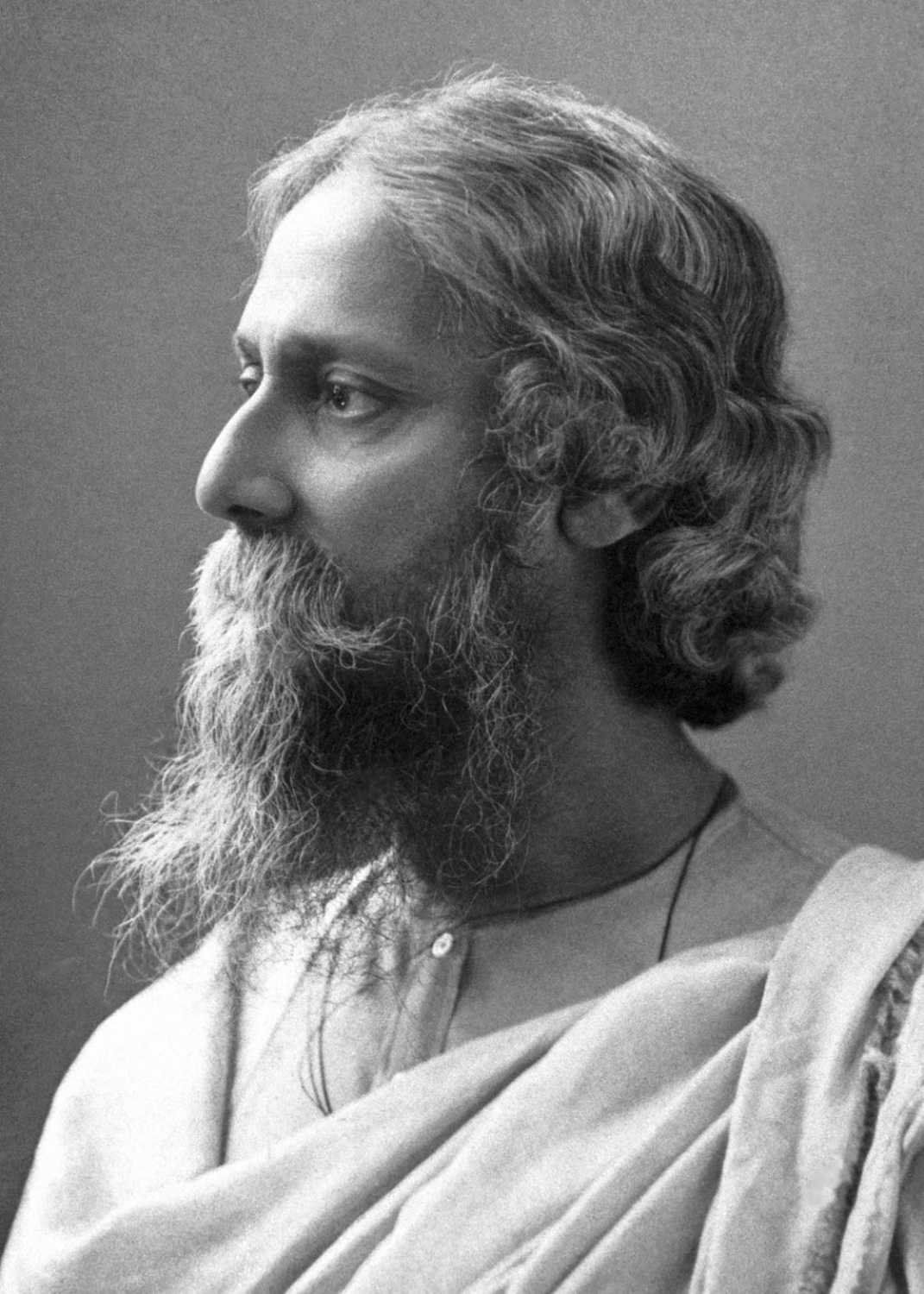
라빈드라나트 타고르

벤저민 프랭클린

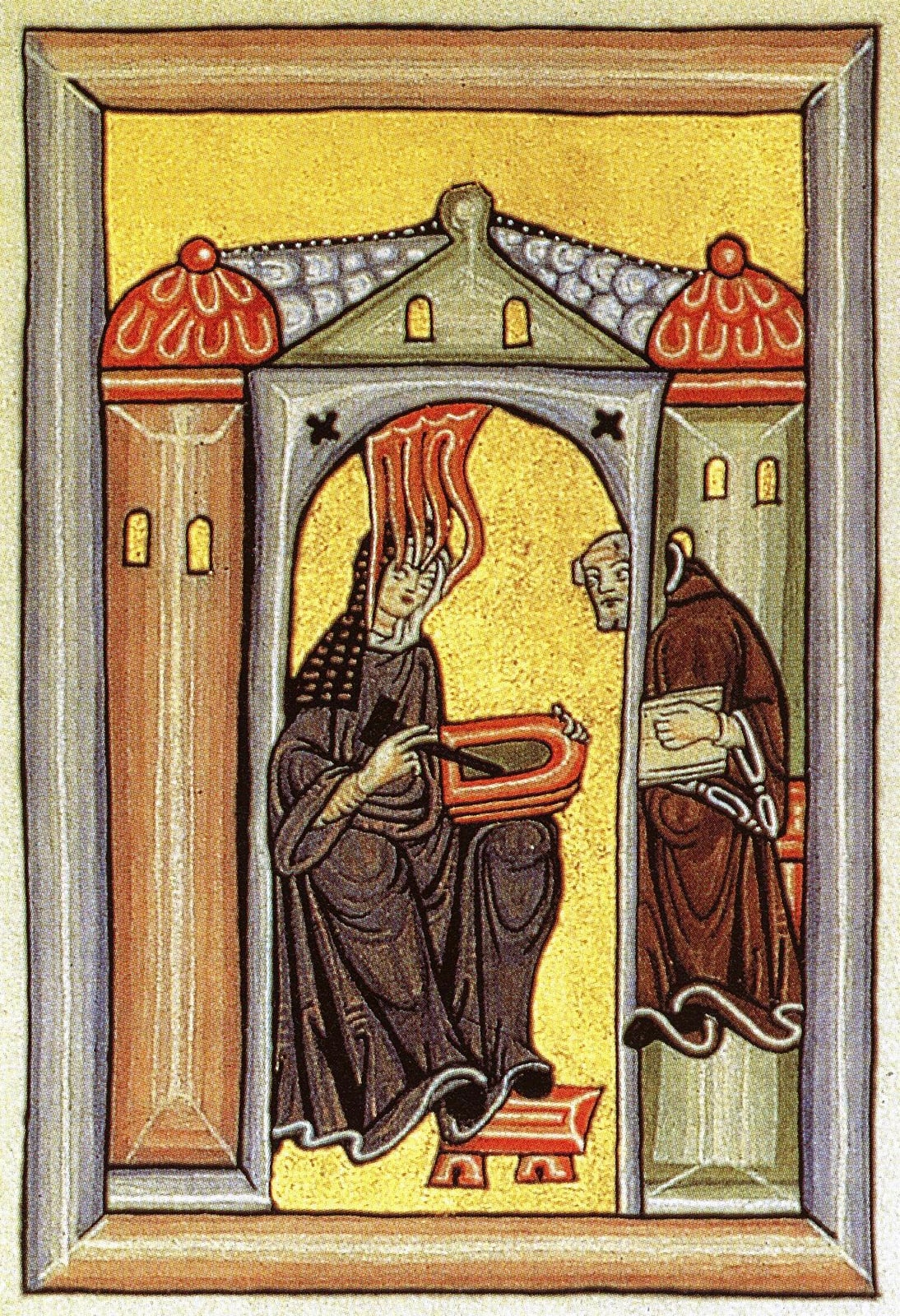
힐데가르트 폰 빙엔

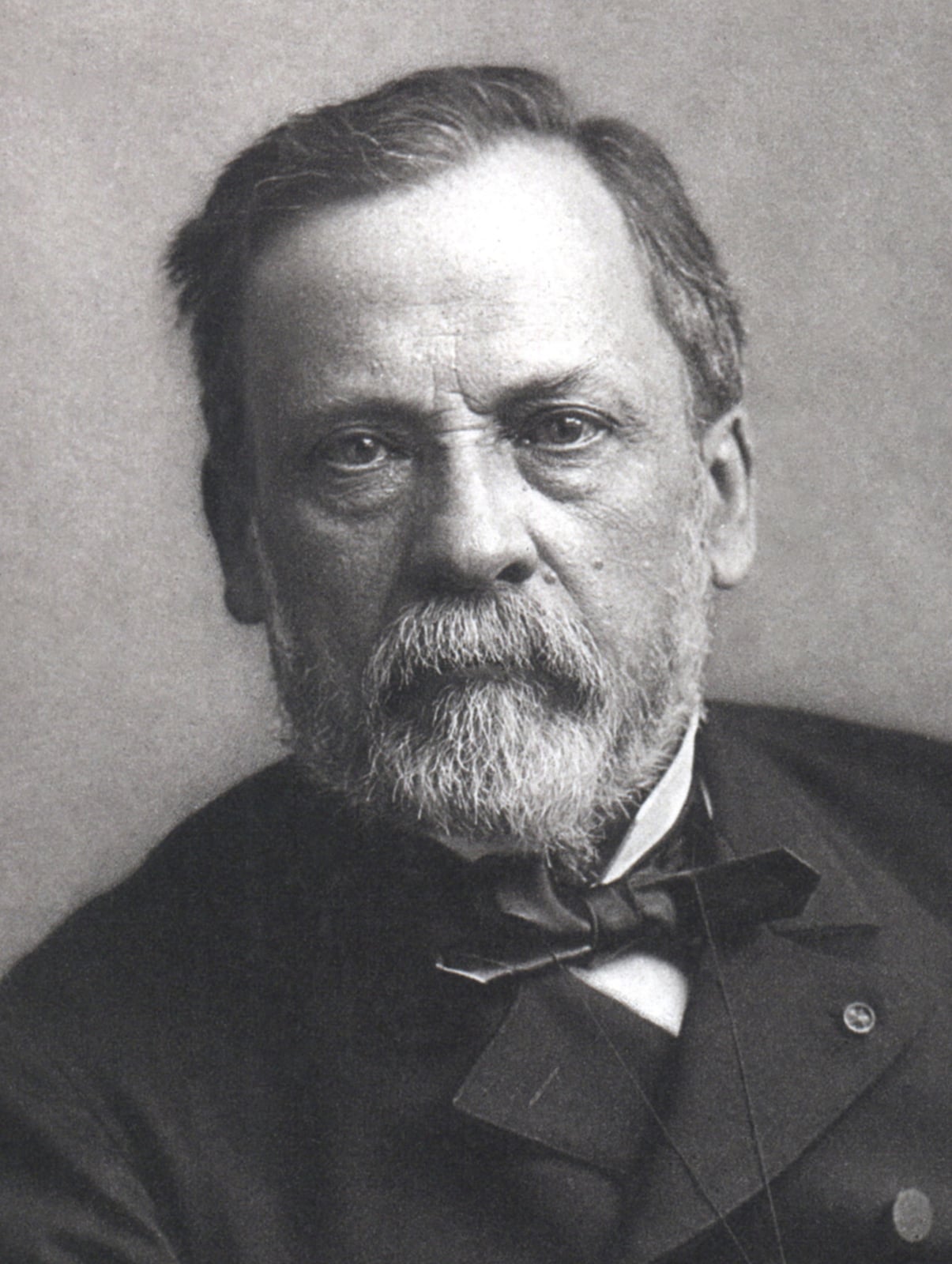
루이 파스퇴르
출처
- Oliver Sacks (Q258662) -- verified live via the Wikidata API (2026-10-23): English label 'Oliver Sacks', description 'British neurologist and writer (1933-2015)', born 9 July 1933, died 30 August 2015, citizenship United Kingdom, Korean label '올리버 색스', English and Korean Wikipedia sitelinks present. Orientation only; not used as support for any row.
- Oliver Sacks Foundation, 'Oliver Sacks Author | Biography, Life and Books by Neurologist' (oliversacks.com), read in full: trained at Oxford, residencies in San Francisco and at UCLA, moved to New York in 1965, consulting neurologist at Beth Abraham Hospital in the Bronx from 1966, professor at Columbia (2007-12, its first 'Columbia University Artist') and NYU School of Medicine (2012-15); book list (Awakenings, Migraine, The Man Who Mistook His Wife for a Hat, An Anthropologist on Mars, Musicophilia and others); Lewis Thomas Prize 2002; the 1990 Awakenings film; his approach of looking at how each individual coped rather than fitting patients to a category; 'often credited' as a forerunner of the neurodiversity movement. CANONICAL SIGNIFICANCE SOURCE. Estate-run foundation page, so admiring and not independent; used for career facts and significance orientation, never as sole support for a trait row. Its passages on private life were not used.
- EBSCO Research Starters, 'Awakenings by Oliver Sacks' (ebsco.com), read in full: Sacks about a year out of residency in 1969; L-dopa given from spring 1969 to postencephalitic patients, many catatonic for decades; dramatic but often temporary recoveries, adverse reactions that forced dose reductions; the book's departure from the conventional case history (detailed notes, patients encouraged to keep journals, biographical accounts); twenty case histories, a 1987 edition with epilogue updating them; first book Migraine (1970); Einstein College of Medicine professor of clinical neurology and private practice; the book's setting based on Beth Abraham; reviews listed but not summarised. Reference overview, largely favourable.
- Charlotte Allan, 'Awakenings' (BMJ 'Medical Classic' essay, 2 June 2007; PubMed Central), read in full: levodopa hailed as a 'miracle drug' in 1969, unpredictable effects even with slow titration; the patients Miriam H, Leonard L, Miron V and Rose R and how they responded; argues that Sacks treated patients as people and that his long-term relationship with them was crucial; psychological and environmental factors seemed to affect the drug's effect. Medical-journal essay by a junior doctor; it does not describe his methods or colleagues' reception.
- Truthdig (Kasia Anderson), 'Oliver Sacks, Neurological Innovator and "Awakenings" Author, Dies at 82' (31 August 2015), read in full: obituary round-up that quotes a Guardian tribute describing his clinical tales as literature (a musician with visual agnosia, Tourette's syndrome, deaf people who 'see' voices, an autistic boy with a gift for drawing) in the lineage of Freud's case histories and Luria's 'neurographies'; Variety's praise for explaining brain science to general readers; the Awakenings film's three Oscar nominations. Contemporaneous obituary material at second hand; no criticism and no institutional detail; its cause-of-death passage was not used.
- Pria Anand, 'The Confabulations of Oliver Sacks' (Nautilus), read in full through the fetch tool: a neurologist's essay summarising Rachel Aviv's 15 December 2025 New Yorker article built on Sacks's journals and letters -- the 'caged panther' Rilke image attributed to the patient Leonard in Awakenings that Sacks's own letters suggest was his own, the patient 'Rebecca' in The Man Who Mistook His Wife for a Hat whose reported recovery his journals contradict, Sacks calling the book 'fairy tales' and 'confabulations' in a letter to his brother, and the reading that this was confabulation rather than deliberate lying. Secondary summary (the New Yorker article itself was not opened); its passages on his hidden identity and psychological interpretation were not used. COUNTER-VOICE (factual).
- John Horgan, 'Oliver Sacks Fudged Facts. Does That Bother Me?' (Cross-Check column, johnhorgan.org), read in full: responds to the same New Yorker article -- Leonard portrayed as bookish and the Rilke panther quotation, the invented number-swapping scene in 'The Twins', Aviv's report that Sacks kept to facts in An Anthropologist on Mars (1995) and later books; Horgan defends the narrative, anti-reductionist method and notes Sacks never used case studies to prove a pet theory; critics in his postscript (George Johnson, Michael Brooks, Faye Flam) call embellished case histories dishonest, with Flam noting that a critical investigator would have tested the twins with non-prime numbers. Opinion column, partly admiring and partly critical. COUNTER-VOICE (factual). Treated with the Nautilus essay as ONE underlying perspective for the fabrication findings, since both rest on Aviv.
- Colin McGinn, 'Oliver Sacks' Fabrications' (colinmcginn.net blog post, after the December 2025 New Yorker article), read in full: says he raised the question of fabrication -- 'exaggeration, embellishment, gilding the lily' -- in his 1986 London Review of Books review of The Man Who Mistook His Wife for a Hat; says Sacks never admitted the criticism was justified but did not deny it; says Musicophilia and On the Move lacked comparable inaccuracies. Independent critic with a personal stake in the matter (he says his own reputation was damaged); his claims about the 1986 review are used only as his own report. COUNTER-VOICE.
- H. Steven Moffic, 'In Memoriam Epilogue: The Psychiatrist Who Mistook Oliver Sacks for a Psychiatrist Confesses' (Psychiatric Times, 13 January 2026), read in full: a psychiatrist retracts his 2015 eulogy, reporting that he had credited Sacks with careful, humane evaluations of unusual patients and now thinks the literary presentation was beautiful but medically misleading after the New Yorker report on invented case material; mentions Sacks's own journal wording about 'lies, falsifications'. Opinion column by a colleague-observer; its speculation about Sacks's psychotherapy and psychology was not used. Retrospective critical voice.
- Wikimedia Commons file page '9.13.09OliverSacksByLuigiNovi (cropped).jpg' (and the parent file page), checked for the portrait's licence: photograph by Luigi Novi at the Brooklyn Book Festival, 13 September 2009, own work, CC BY 3.0 with a credit-line request; the crop is 780 x 1131. Not used for any scoring.