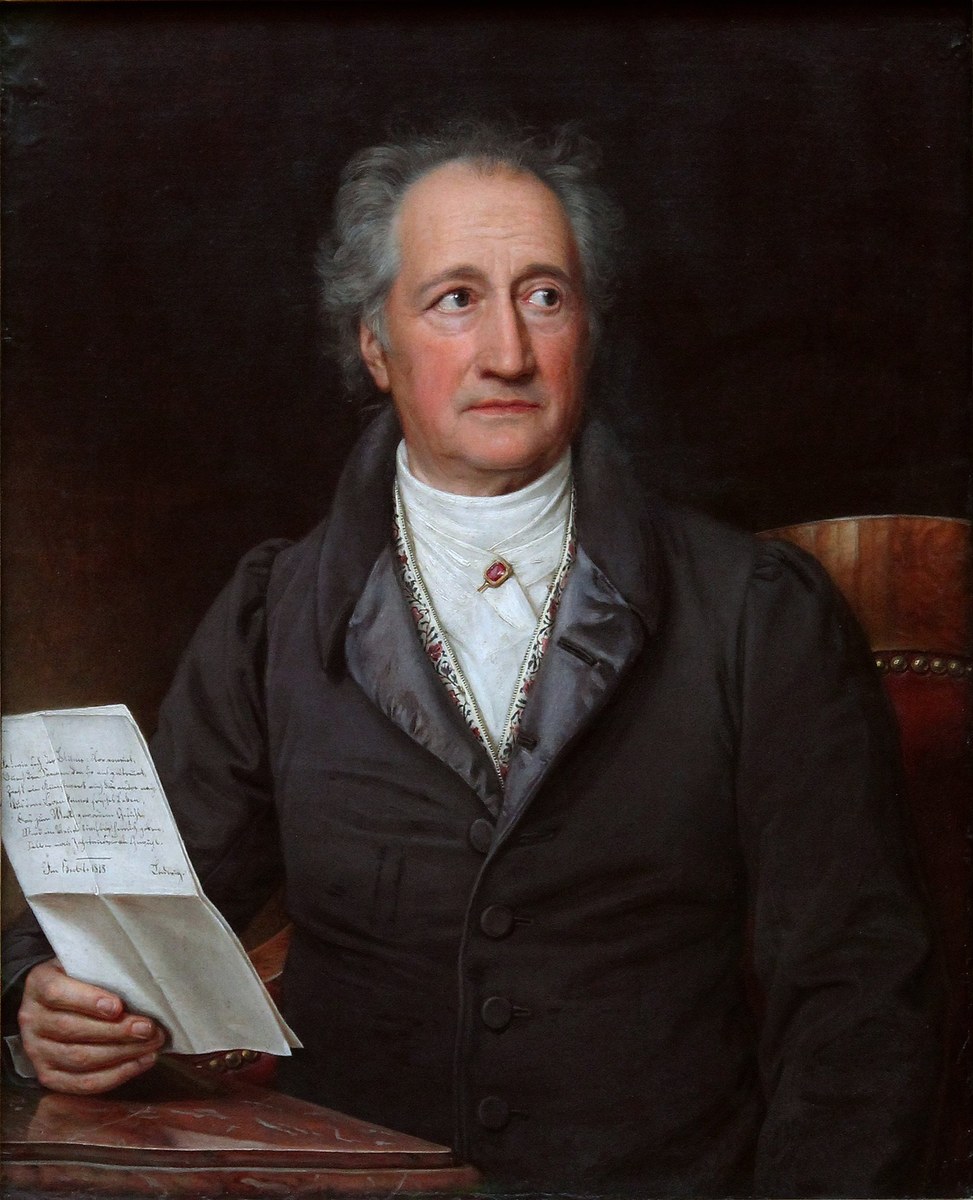
Joseph Karl Stieler, 1828, Bayerische Staatsgemaeldesammlungen - Neue Pinakothek Munich (WAF 1048), Public Domain (artist died 1858) · Wikimedia Commons, 'Goethe (Stieler 1828).jpg' -- Joseph Karl Stieler, oil on canvas 1828 (Neue Pinakothek Munich, inventory WAF 1048), painted from sittings with Goethe in Weimar; original Commons file 1972 x 2432 pixels, downscaled once to 973 x 1200 (never upscaled). · Public Domain
작가 · 근세
요한 볼프강 폰 괴테
1749–1832
주요 업적 분야
아직 성격 매칭에 포함되지 않았습니다 — 기록된 근거가 성격 모델 전체를 다루기에는 충분하지 않습니다. 이 페이지의 다른 모든 내용은 자유롭게 확인하실 수 있습니다.
핵심 특성
주요 업적
그는 60년이 넘도록 <파우스트>를 고쳐 쓰고 다시 붙들었고, 1831년에 제2부가 마지막 막에 이르렀다.
<괴츠 폰 베를리힝겐>과 <젊은 베르테르의 슬픔>을 비롯한 초기 작품은 큰 인기를 끌었다.
1794년부터 프리드리히 실러와 긴밀히 협력해 잡지와 연감, 풍자 단시를 함께 만들었고, 바이마르 궁정 극장도 이끌었다.
삶의 장면들
1823년 그는 에커만에게, 20년 동안 뉴턴과 수학자들이 색에 관해 틀렸다는 것을 알았으며 수많은 사람 가운데 자신만이 진실을 안다고 말했고, 이후 평생 자신의 이론을 옹호했다.
당대 거의 모든 과학계에 맞서 자신의 입장을 지키려 한 태도와 일치하며, 이 경우 후대 물리학자들은 그가 틀렸다고 보았다. 독립적 사고
1831년 그는 <파우스트> 제2부 원고 전체를 한 권으로 꿰매게 하고, 빠진 제4막 자리는 백지로 채워 두어 이미 쓴 부분이 나머지를 완성하도록 이끌게 했다.
아주 긴 작품을 여러 단계로 나누어 다시 붙들고, 작업 방식을 스스로 이끌어 가도록 짜는 태도와 일치한다. 끈기
전환점
1794년 8월 23일 실러가 그의 정신세계를 묘사한 편지를 보내자 괴테는 그 며칠이 자기 삶의 한 획기라고 답했고, 두 사람은 잡지와 연감, 시 작업에서 긴밀한 협력을 시작했다.
이 시점부터 홀로 작업하기보다 가까운 동료와 함께 일하는 쪽을 택한 작가라는 점과 일치한다. 협업 성향
비슷한 인물
전체적인 프로필이 이 사람과 닮은 사람들이에요.


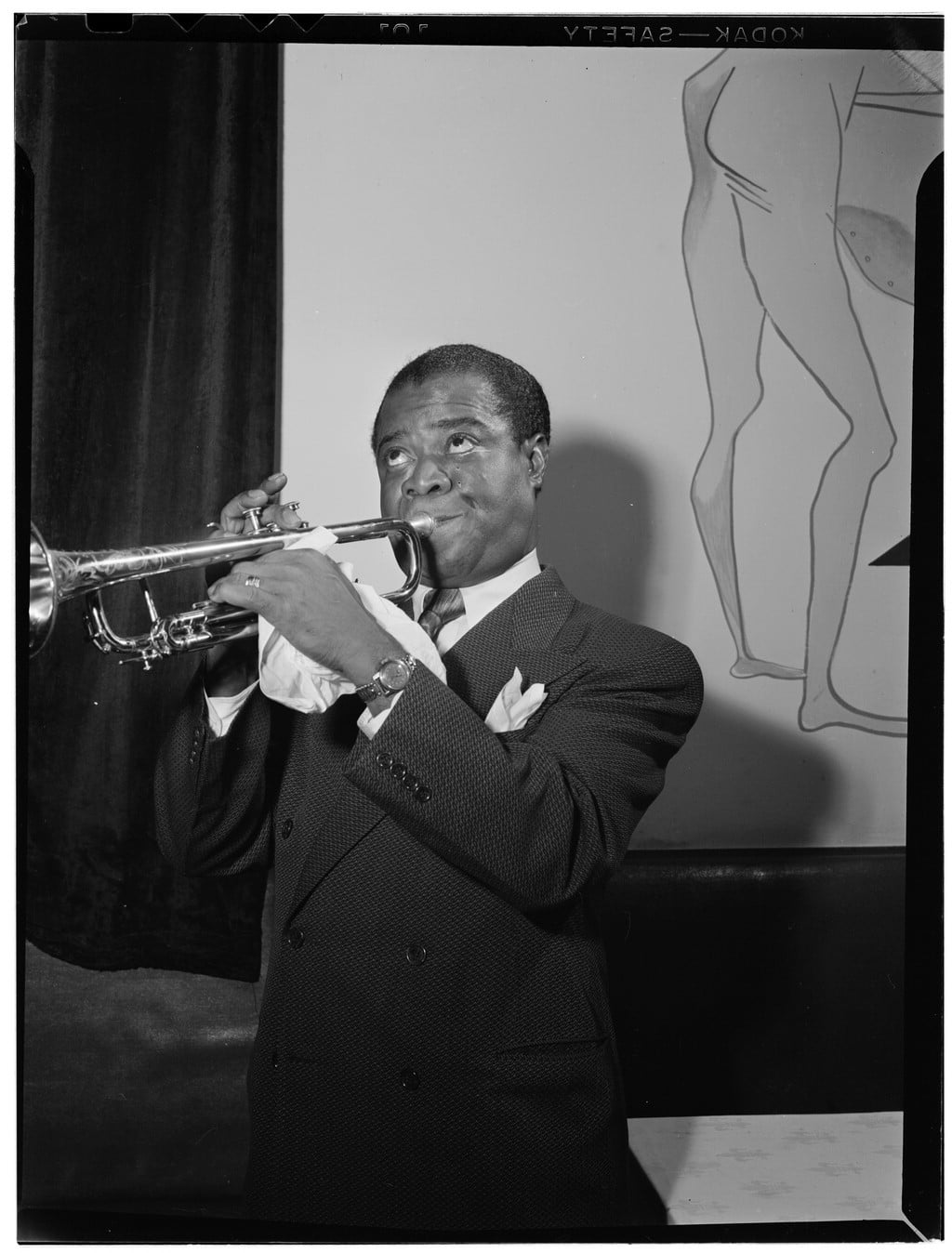
루이 암스트롱

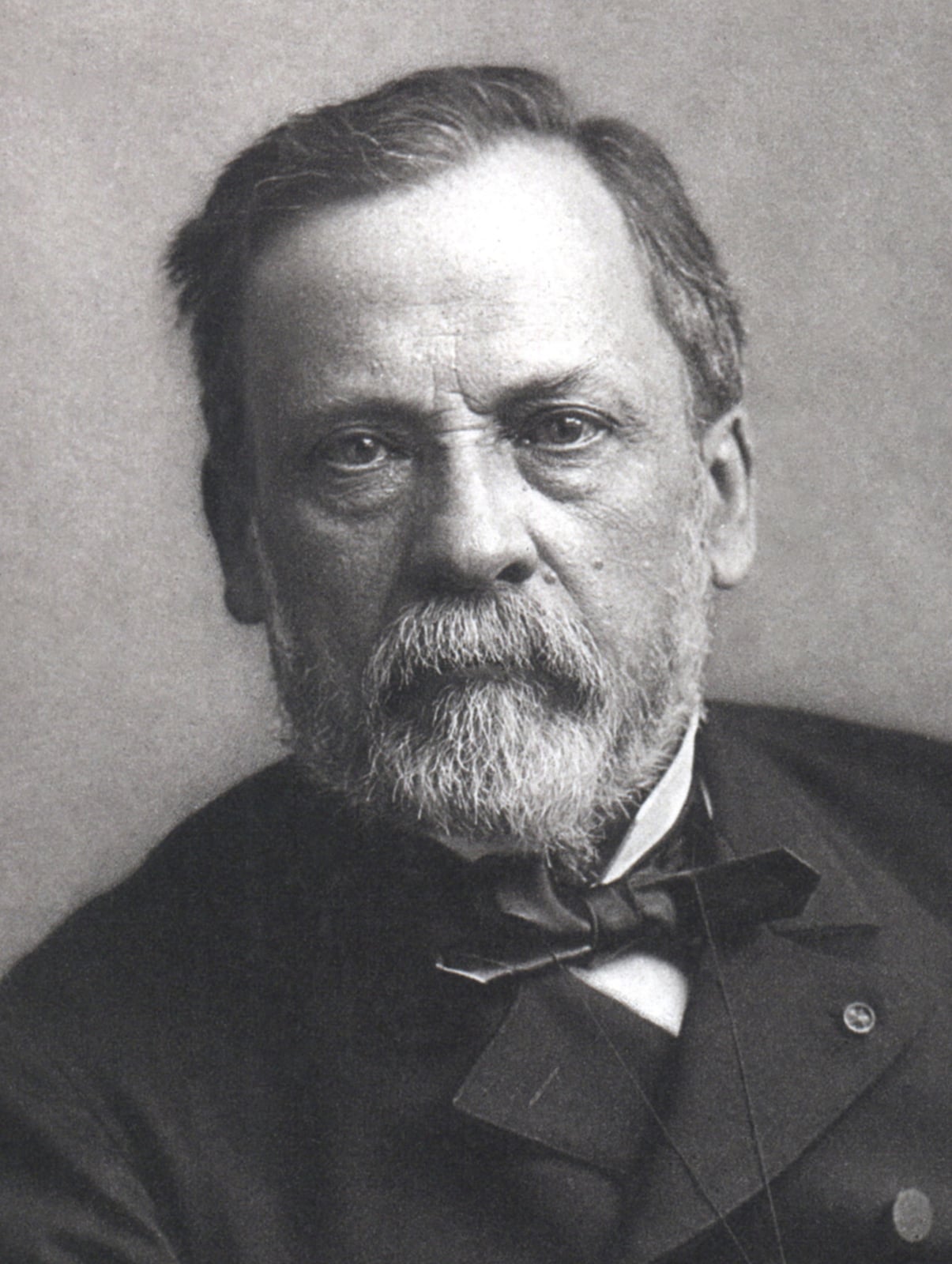
루이 파스퇴르

에이다 러브레이스

프리다 칼로

소르 후아나 이네스 데 라 크루스
출처
- Johann Wolfgang von Goethe (Q5879) -- verified live via the Wikidata API (2026-10-10): English label 'Johann Wolfgang von Goethe', description 'German writer, artist, natural scientist and politician (1749-1832)', born 28 August 1749, died 22 March 1832, citizenship Germany, Korean label present. Orientation only; not used as support for any row.
- Johann Peter Eckermann, 'Conversations of Goethe with Eckermann and Soret', translated by John Oxenford (revised edition, George Bell and Sons, London, 1883), Internet Archive scan -- CONTEMPORARY WITNESS, Goethe's secretary and devoted younger friend from 1823 to 1832, with entries by the Genevan scholar Frederic Soret; admiring and shaped by Eckermann's own editing, and much of it is Goethe speaking about himself. Used only for dated, concrete statements and scenes (the colour-theory conversations of 1823-26, the 'collective being' remarks of 1832, the sealed 'Helena' packet of 1827, the stitched Faust manuscript of 1831, the yearly rereading of Moliere). Read those entries in full from the scan text; the rest of the three volumes was skimmed, not read.
- L. Dora Schmitz (translator), 'Correspondence between Schiller and Goethe, from 1794 to 1805', volume I covering 1794-1797 (George Bell and Sons, London, 1877), Internet Archive scan -- PEER witness: letters between the two writers, including Schiller's letter of 23 August 1794 describing Goethe's way of thinking, Goethe's reply of 27 August 1794, the 1795-96 exchanges on the epigram collection (Xenien) and the periodical Horen, and the June 1797 letters on resuming Faust. Candid in places but friendly and mutually admiring, and the OCR text is partly corrupted; only passages that read clearly were used. Volume II (1798-1805) was not opened.
- George Henry Lewes, 'The Life and Works of Goethe' (first published 1855; Everyman's Library edition, J. M. Dent, London, 1908), Internet Archive scan -- INDEPENDENT Victorian biography written from German sources, openly critical on Goethe's impatience, his unfinished works and his colour theory, and including Edward Devrient's and Chancellor von Muller's accounts of his theatre direction. Dated by modern standards. Read the chapters on his early temperament, the intermaxillary bone, the poet as a man of science and the theatrical manager, plus the passages on Werther and the fragments; the political chapters and the later narrative were not read.
- Robert P. Crease, 'Fight over light', Physics World (IOP Publishing), 16 April 2015 -- modern opinion piece by a philosopher of physics on Goethe's Theory of Colours (1810), his scientific collecting, instruments and treatises, and why physicists rejected the attack on Newton while artists and philosophers took it up. Independent and critical of the colour theory's physics; the page's last paragraph is behind registration and was not read. Read in full to that point.
- University of Wurzburg news item, 'Digital Edition of Goethe's Faust', 24 October 2018 -- announcement of the historical-critical Faust edition by Frankfurter Goethe-Haus, the Goethe and Schiller Archive in Weimar and Wurzburg, stating that Goethe worked on Faust for over 60 years and that over 2,000 manuscript pages and more than 1,500 testimonies to its creation survive. Scholarly institutional source for the length of the work history only. Read in full.
- Bayerische Staatsgemaeldesammlungen, Neue Pinakothek Munich, collection record for Joseph Karl Stieler, 'Johann Wolfgang von Goethe', 1828, oil on canvas 78 x 63.8 cm, inventory WAF 1048 -- museum page used to check the portrait's rights notice (see portrait record). Not used for any scoring.