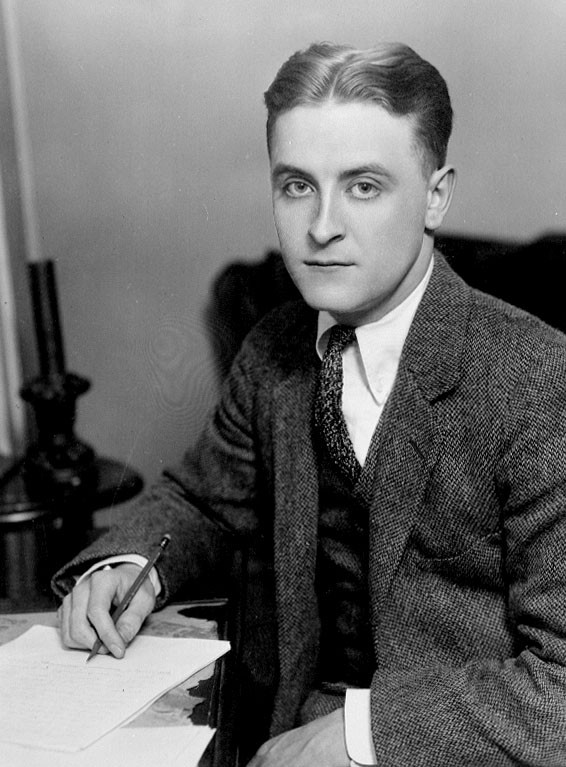

Photographer unknown (publicity photograph distributed by Scribner's), printed in The World's Work, June 1921, page 192; public domain; via Wikimedia Commons, used uncropped · Wikimedia Commons, 'F Scott Fitzgerald 1921.jpg' (original 566 x 767 pixels, uploaded 13 September 2013): a publicity photograph of F. Scott Fitzgerald c. 1921, photographer unknown, distributed by his publisher Scribner's and printed in The World's Work, June 1921, page 192 (Internet Archive scan of volume 42, University of Toronto copy, whose text layer carries the item headed 'Scott Fitzgerald' on that page with no photographer credit and no rights statement) and in US newspapers of April 1922 as cited on the Commons page; Commons tags it public domain (PD-US-expired) because it was published in 1921. Used as downloaded: uncropped, not resized and never upscaled. The Library of Congress Van Vechten portrait of 4 June 1937 was set aside because the Library's rights statement records a trustee's request not to crop or colorize and a dispute over the donor's executor's authority (see the provenance notes). · Public domain (United States): published in 1921, photographer unknown (Commons PD-Scan / PD-US-expired)
작가 · 20세기
F. 스콧 피츠제럴드
1896–1940
주요 업적 분야
아직 성격 매칭에 포함되지 않았습니다 — 기록된 근거가 성격 모델 전체를 다루기에는 충분하지 않습니다. 이 페이지의 다른 모든 내용은 자유롭게 확인하실 수 있습니다.
핵심 특성
주요 업적
피츠제럴드의 『위대한 개츠비』(1925)는 브리태니커가 오늘날 '위대한 미국 소설'로 널리 평가받는다고 소개하는 작품이다. 그는 1922년 6월부터 이 소설을 구상했고, 앞서 쓰던 원고를 버린 뒤 1924년에 다시 시작해 그해 9월까지 원고를 마쳤으며, 1925년 초 교정쇄 단계에서 본문을 대폭 고치고 다시 썼다. 사우스캐롤라이나 대학 도서관은 이 작품을 복잡한 구조와 절제된 서술 시점을 갖춘, 그의 기법에서 두드러진 진전으로 평가하지만 출간 직후 판매는 부진했다.
첫 장편 『낙원의 이쪽』(1920)으로 스물네 살의 피츠제럴드는 하루아침에 유명해졌고, 브리태니커는 이 작품을 젊은 세대의 새로운 도덕을 드러낸 책이라고 설명한다. 그는 『아름답고 저주받은 사람들』(1922)과 『밤은 부드러워』(1934)를 포함해 모두 네 편의 장편을 완성했으며, 브리태니커는 그를 재즈 시대를 그린 것으로 유명한 작가이자 '잃어버린 세대'의 핵심 인물로 소개한다.
피츠제럴드는 150편이 넘는 단편도 썼다. 1919년 가을부터 에이전트 해럴드 오버를 통해 대중 잡지에 실을 통속 단편을 썼는데, 사우스캐롤라이나 대학 도서관은 『새터데이 이브닝 포스트』가 그의 가장 좋은 단편 시장이었다고 설명하고, 그의 초기 상업 단편이 독립적이고 당찬 젊은 미국 여성이라는 새로운 인물형을 선보였다고 평가한다. 브리태니커는 『모든 슬픈 젊은이들』(1926)에 실린 「부잣집 소년(The Rich Boy)」과 「사면(Absolution)」을 그의 뛰어난 단편으로 꼽는다.
삶의 장면들
피츠제럴드는 1924년 11월 『위대한 개츠비』의 타자 원고를 편집자 맥스웰 퍼킨스에게 보냈다. 로마에서 조판된 교정쇄를 받은 그는 1925년 첫 두 달 동안 연필로 고치고 긴 타자 원고를 덧붙였으며, 프린스턴 대학 도서관 큐레이터들은 학자 제임스 L. W. 웨스트 3세를 인용해 교정쇄의 본문이 출간된 소설과 같은 작품이 아니었다고 설명한다. 출간 뒤에도 그는 이후 쇄를 위해 초판본 한 권에 계속 수정을 적어 넣었다.
반복된 수정으로 자기 작품에 높은 기준을 적용한 작가의 모습과 일치하지만, 대폭적인 수정은 소설가들 사이에서 흔한 일이며 자료 대부분이 한 학문적 계보에서 나왔다. 완벽주의
1937년 9월 MGM에서 피츠제럴드는 제작자 조지프 맨키위츠에게 『세 친구』 수정 작업을 혼자 하게 해 달라고 요청했고, 맨키위츠는 제출된 원고가 '아주 멋지다'고 답했다. 그러나 스튜디오는 E. E. 패러모어를 공동 작업자로 붙였고, 피츠제럴드는 10월에 그에게 대본 전체에 대한 책임은 자신이 지고 싶다고 썼다. 여섯 차례의 수정 뒤 맨키위츠가 최종 대본을 크게 고쳤고, 피츠제럴드는 자신의 촬영 대본에 자기 글의 그림자와 리듬이 모두 지워졌다고 적어 두었다.
자기 작업에 대한 통제권을 원한 작가의 모습과 일치하지만, 이 설명은 도서관의 자료 인수 안내문에서 나온 것이어서 스튜디오 쪽보다 피츠제럴드 쪽 사정이 훨씬 자세히 담겨 있다. 자율성 욕구
전환점
스크리브너 출판사가 첫 장편을 두 번 거절한 뒤, 피츠제럴드는 1919년 7월 직장을 그만두고 고향 세인트폴로 돌아가 이를 『낙원의 이쪽』으로 다시 썼고, 편집자 맥스웰 퍼킨스가 그해 9월 원고를 받아들였다. 1920년 3월 26일 출간된 이 책으로 그는 하루아침에 유명해졌다. 같은 해 가을과 겨울부터 그는 에이전트 해럴드 오버를 통해 대중 잡지에 실을 단편을 쓰기 시작했고, 첫 『새터데이 이브닝 포스트』 게재작 「머리와 어깨(Head and Shoulders)」는 400달러에 팔렸다.
거절된 작품을 포기하지 않고 다시 쓴 작가의 모습과 일치하지만, 자료는 기관의 서술이어서 그가 무엇을 고쳤는지는 알려 주지 않는다. 끈기
비슷한 인물
전체적인 프로필이 이 사람과 닮은 사람들이에요.


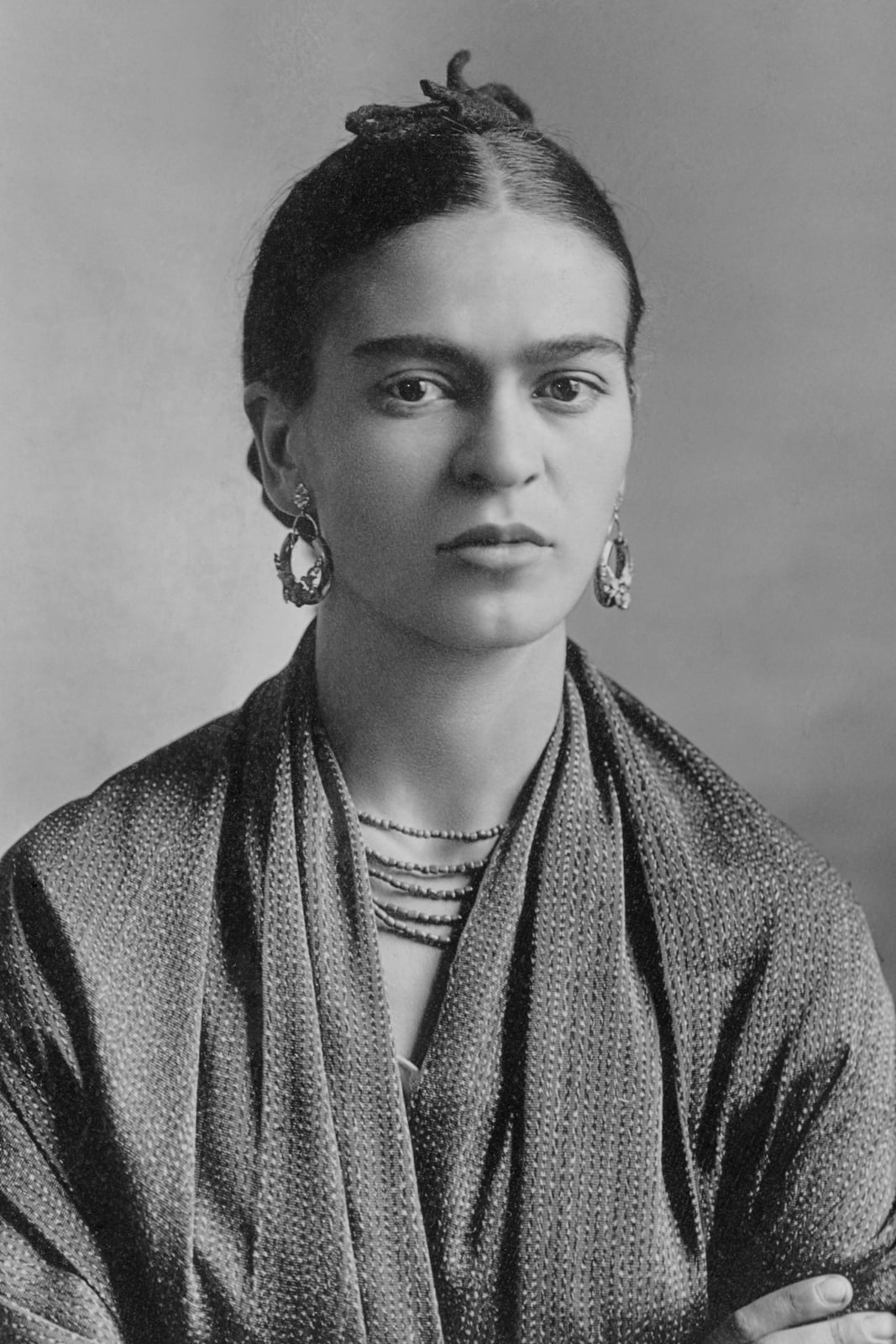
프리다 칼로
코코 샤넬

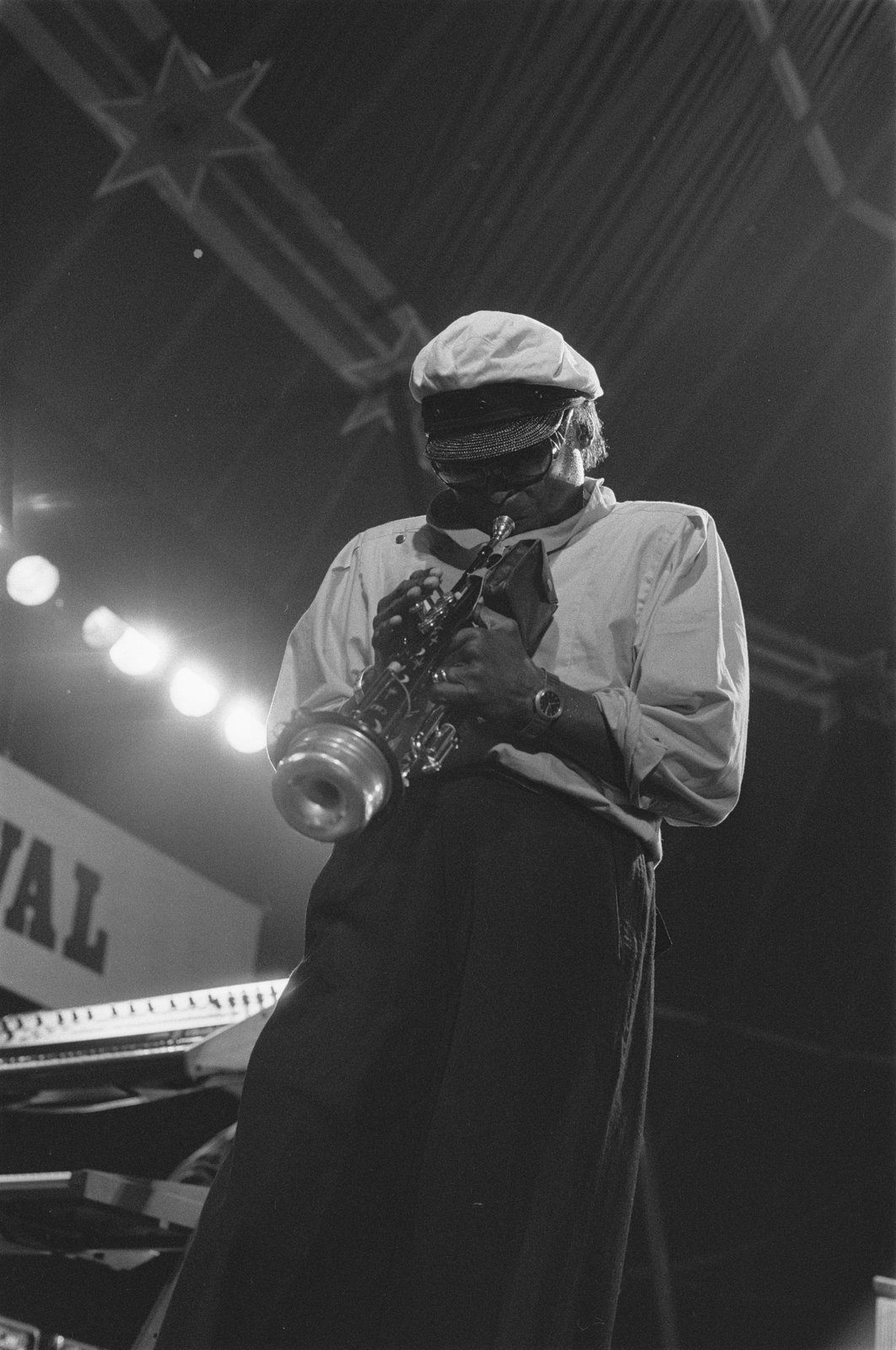
마일스 데이비스

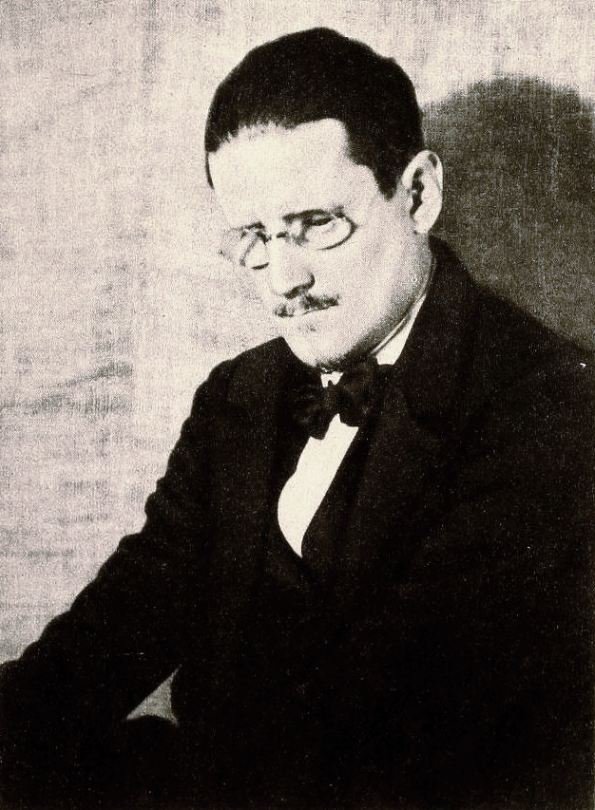
제임스 조이스

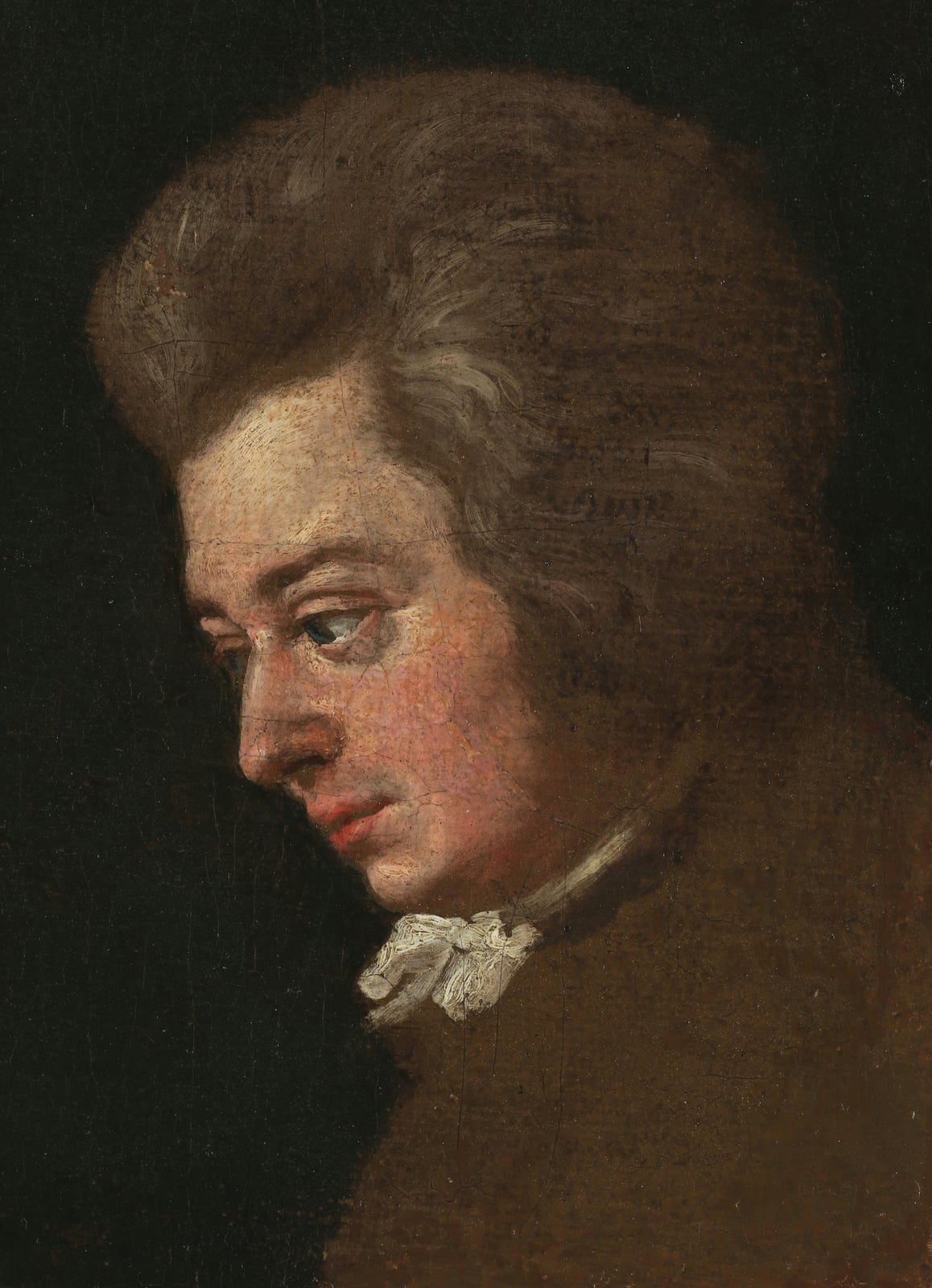
볼프강 아마데우스 모차르트
출처
- F. Scott Fitzgerald (Q93354) -- verified live via the Wikidata API (2026-10-16): English label 'F. Scott Fitzgerald', description 'American writer (1896-1940)', born 24 September 1896, died 21 December 1940, citizenship United States of America, Korean label present. Orientation only; not used as support for any row.
- Encyclopaedia Britannica, 'F. Scott Fitzgerald' (article by the biographer Arthur Mizener, fact-checked by Britannica's editors; page last updated 20 September 2026) -- CANONICAL SIGNIFICANCE SOURCE: encyclopaedia biography calling him a 20th-century American short-story writer and novelist, a key figure of the Lost Generation and famous for his depictions of the Jazz Age, who completed four novels and more than 150 short stories; says The Great Gatsby (1925) is today widely considered the great American novel, that This Side of Paradise (1920) was a revelation of the new morality of the young and made him famous (fame opened literary magazines such as Scribner's and high-paying popular ones such as the Saturday Evening Post), that some of his finest stories, including 'The Rich Boy' and 'Absolution', appeared in All the Sad Young Men (1926), that Tender Is the Night (1934) was commercially unsuccessful, and that he became a Hollywood scriptwriter in 1937 and began The Last Tycoon in October 1939. Admiring and retrospective (Mizener was a Fitzgerald biographer); its passages on his marriage, drinking, health and death were read and not used. Read in full.
- Princeton University Library, 'Digitization of The Great Gatsby Autograph Manuscript and Galleys', PUL Manuscripts News, 24 May 2013 (the same announcement by the curator Don Skemer also ran in Princeton University's news archive) -- curators' account of the F. Scott Fitzgerald Papers: a first Gatsby ('Ur-Gatsby') planned from June 1922 and written in 1923 (some 18,000 words, set in the Midwest around 1885, no Nick Carraway as narrator), taken up again in April 1924 in a 1922 setting, the manuscript finished in France by September 1924, the typescript sent to Maxwell Perkins in November 1924, the 'Trimalchio' galleys revised in Rome in the first two months of 1925 in pencil and with long pasted typed additions (James L. W. West III: not the same novel as the published book), corrections and alternative titles sent to Perkins by letter and telegram, publication on 10 April 1925 under the title Perkins liked best, and a personal first-edition copy he corrected for later printings. Institutional and built on Matthew Bruccoli's scholarship; the post gives the span of the work as both three and four years and the manuscript as both 302 pages and just over 250, so no duration or page count is used. Read in full.
- University of South Carolina Libraries (Thomas Cooper Library), Matthew and Arlyn Bruccoli Collection of F. Scott Fitzgerald, 'Life of Fitzgerald' -- institutional biography from the university's Fitzgerald collection: a first novel rejected by Scribner's with praise for its originality and a request to resubmit when revised, rejected again after revision, rewritten in St. Paul in 1919 as This Side of Paradise and accepted by Maxwell Perkins; from autumn 1919 popular stories for mass-circulation magazines through the agent Harold Ober, the Saturday Evening Post his best market, a peak Post fee of $4,000 and some 160 magazine stories; the failed 1923 tryout of his play The Vegetable; the statement that he was a painstaking reviser whose fiction went through layers of drafts although critics were reluctant to credit him as a serious craftsman; Gatsby as a striking advance in technique with disappointing sales; little progress on a fourth novel in the late 1920s; unsuccessful Hollywood stints in 1927 and 1931; the 1937 MGM contract at $1,000 a week, the only screen credit (Three Comrades) and a renewal at $1,250; freelance scripts and short pieces for Esquire after MGM dropped its option; and The Love of the Last Tycoon begun in 1939 with more than half a working draft written. Admiring (the collection is Bruccoli's); its many passages on his marriage, drinking and health were read and not used. Read in full.
- University of South Carolina Libraries, 'The Warner Bros./Turner Entertainment F. Scott Fitzgerald Screenplay Collection' -- the library's description of the roughly 2,000-page MGM archive it acquired in 2004 (manuscripts, revised typescripts and working drafts for Three Comrades, Infidelity and The Women, 1937-39): the July 1937 six-month contract at $1,000 a week; his September 1937 request to work alone on the Three Comrades revisions and producer Joseph Mankiewicz's reply that the pages were 'simply swell'; the assignment of E. E. Paramore as collaborator and Fitzgerald's October 1937 letter saying he preferred to keep responsibility for the script as a whole; six revisions between November 1937 and February 1938; Mankiewicz's heavy final revision and Fitzgerald's note in his shooting script that the shadows and rhythm of his pages were removed; the Infidelity assignment for Joan Crawford, whose films he studied, and his June 1938 letter about inventing and rejecting solutions; The Women; and Budd Schulberg's testimony to his determination to develop his screenwriting. Library acquisition page, so promotional and admiring, and the studio's side appears only in outline. Read in full.
- 'The Literary Spotlight, VI: F. Scott Fitzgerald', The Bookman (New York), March 1922, with a caricature by William Gropper, Internet Archive scan of the issue -- CONTEMPORARY CRITIC, unsigned in the magazine and attributed to Edmund Wilson, a Princeton friend, by later scholarship that was not opened; written when Fitzgerald was 25: calls This Side of Paradise highly imitative yet alive and well written, credits an instinct for graceful and vivid prose while saying he plays the language by ear and misuses words, judges his imagination to lack intellectual control, discipline and aesthetic ideas, reports that he moved to the 'ironical-pessimistic' school of fiction and that the first version of The Beautiful and Damned ended in arbitrary catastrophes, and tells how he laughed at one such passage and improvised a burlesque when others did. Friendly but openly critical; its remarks on ethnic character and personality were not used, and the last sentence is cut at a page break in the scan. Read in full.
- CBS News, 'How F. Scott Fitzgerald's Saturday Evening Post success helped "Gatsby" vision come to life' (Jeff Glor and Alvin Patrick, 7 May 2013, written to accompany a film release) -- news report built on the Post's archivist Jeff Nilsson, who says Fitzgerald wrote 68 stories for the Post over 17 years, that his fee rose from $400 in 1920 to $4,000 by 1929, that the stories began as humorous, romantic commercial pieces and took on more modernist tones over time, that Hemingway taunted him that the Post would be the graveyard of his talent, and that Fitzgerald said late in his career that he never compromised or went for a cheap formula. Press item with a commercial interest in the Post's reputation; Hemingway and Fitzgerald are quoted only as relayed by the archivist, and the report's $2 million total and its remarks on his courtship and spending were not used. Read in full.
- Library of America, Story of the Week, 'Head and Shoulders' (18 September 2015) -- editorial note on Fitzgerald's first story for the Saturday Evening Post: his agent Harold Ober sold 'Head and Shoulders' (first submitted as 'Nest Feathers') to the Post for $400, three times what the magazine Smart Set had paid him, and the note quotes Matthew Bruccoli on the pressure he would be under to provide literary entertainment. Short editorial note by a literary publisher; its passages on his engagement and marriage were not used. Read in full.
- Open Yale Courses, AMST 246 'Hemingway, Fitzgerald, Faulkner', Lecture 4, 'Fitzgerald's The Great Gatsby' (Professor Wai Chee Dimock; lecture transcript) -- university lecture that quotes Maxwell Perkins's letter of 20 November 1924 asking that Gatsby be described more distinctly and calling him vague, and Fitzgerald's reply of 20 December 1924, and reads Fitzgerald as deliberate and stubborn in not giving in to Perkins's suggestion; it also reads the novel as experimental counter-realism. One modern lecturer's interpretation; the primary letters were not opened and the quoted wording is the transcript's. Read the opening sections on Perkins and the novel's experimentalism in full; the rest of the lecture (literary analysis of the text) was skimmed and not used.
- University of South Carolina Press, publisher's page for 'Trimalchio: A Facsimile Edition of the Original Galley Proofs for The Great Gatsby' (2000, edited with an afterword by Matthew Bruccoli) -- says the book reproduces the only extant set of the unrevised galleys, that in the four months after sending the typescript to Maxwell Perkins Fitzgerald extensively revised and rewrote the text in galley proof, that his winter 1924-25 work included substantial rewriting and reordering of chapters 6, 7 and 8, and that the novel met warm reviews but disappointing sales. Short publisher's page, promotional; its statement that he chose a new title at Perkins's urging differs from Princeton's account and was not used. Read in full.
- The World's Work (Garden City, N.Y.: Doubleday, Page), volume 42, June 1921, page 192, in the feature on authors and best sellers -- Internet Archive scan from the University of Toronto's Robarts Library; the text layer carries an item headed 'Scott Fitzgerald' (index entry 'Fitzgerald, Scott 192') on the page where the portrait photograph was printed, with no photographer credit, and the Internet Archive item carries no rights or licence statement. Opened to check the portrait's first publication; not used for any scoring.
- Library of Congress, Prints and Photographs Division, '[Portrait of F. Scott Fitzgerald]' by Carl Van Vechten, gelatin silver print dated 4 June 1937 (LCCN 2004662885, reproduction number LC-USZ62-88103), with the Division's rights statement for the Carl Van Vechten Photographs (last revised 7 May 2024) -- opened to check the alternative portrait: the Library 'continues to believe' the photographs are in the public domain after the donor's restrictions expired in 1986, but records that the Van Vechten trustee asks that photographs not be cropped or colorized and that the photographer be credited, notes a dispute over the donor's executor's authority, and warns that privacy and publicity rights may apply. Not used; see the portrait notes.