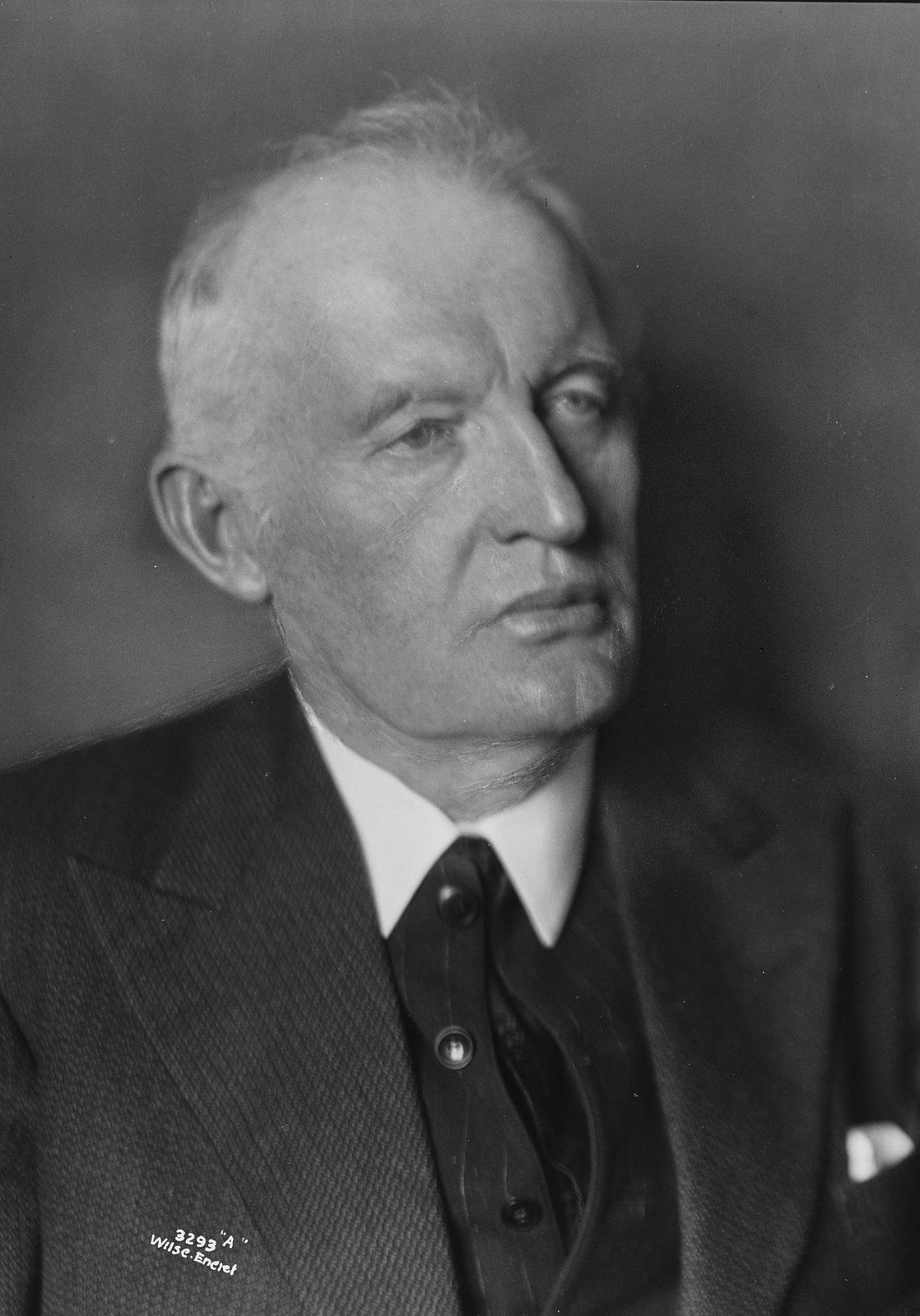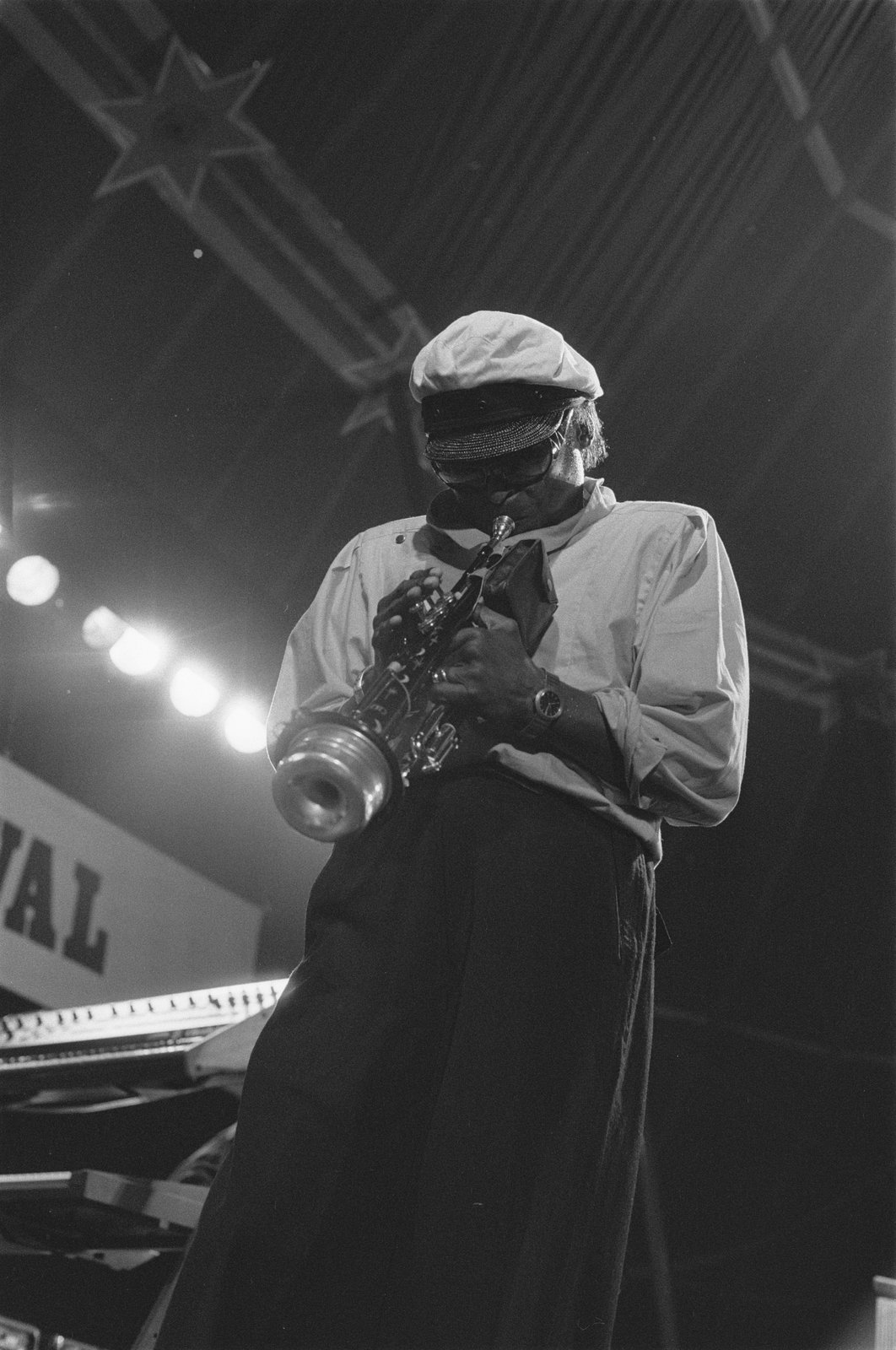

Photograph of Edvard Munch by Anders Beer Wilse, 20 November 1933, Norsk Folkemuseum (NF.WA03293) · Norsk Folkemuseum (Anders Beer Wilse collection, NF.WA03293), via DigitaltMuseum object 0210114085571 and Wikimedia Commons file 'Edvard Munch 1933-2.jpg' · Public domain (Public Domain Mark per Norsk Folkemuseum on DigitaltMuseum; Commons tag PD-Norway50; photographer Anders Beer Wilse, 1865-1949; photographed 20 Nov 1933)
핵심 특성
주요 업적
「절규」는 여러 버전으로 존재한다. 뭉크미술관은 템페라화 두 점과 소묘 두 점, 곧 1893년으로 표기된 크레용 버전을 포함해 네 점을 꼽으며, 1895년 석판화는 약 30점이 남아 있는 것으로 추정한다. 이 모티프는 1892년 겨울 니스에서 쓴 일기 속 산문시, 곧 불타는 구름 아래를 걸은 저녁 산책의 기록에서 시작되었고, 석판화는 1895년 『라 르뷔 블랑슈』 같은 잡지에 복제되었다.
뭉크는 1890년대에 「뱀파이어」, 「사춘기」, 「마돈나」 같은 모티프를 그렸고, 사랑과 불안과 죽음을 다룬 연작으로 작품을 묶어 '생의 프리즈'라고 불렀다. 1893~94년 겨울에는 베를린에 전시 공간을 빌려 「키스」, 「뱀파이어」, 「질투」, 「절망」, 「마돈나」를 포함한 사랑 연작을 선보였고, 1902년에는 베를린 분리파 조각 전시실의 네 벽에 작품 22점을 둘러 전시했다. 1940년 독일의 침공 뒤에는 자신의 작품과 문서를 오슬로 시에 남기는 유언장을 작성했으며, 이는 '생의 프리즈'가 머물 곳을 마련하려는 바람에서였다.
뭉크는 1890년대에 에칭, 석판화, 목판화를 시작했다. 미술사가 쿠르트 글라저는 1922년에 목판화가 뭉크의 손에서 비로소 쓸 만한 예술 언어가 되었다고 썼는데, 화가가 붓을 쓰듯 이미지를 판목에 직접 새겼기 때문이며, 색을 입혀 찍으려고 판목을 톱으로 잘랐다고도 했다. 구스타프 쉬플러의 1907년 목록에는 거친 전나무 상자 널빤지의 나뭇결을 이용해 새긴 목판화가 기록되어 있고, 뭉크미술관은 그의 「마돈나」 석판화가 수백 점 찍혔다고 밝힌다.
뭉크는 1909년부터 1916년까지 오슬로 대학교 대강당(아울라) 장식 작업을 했으며, 「역사」, 「태양」, 「알마 마테르」를 비롯한 열한 점의 그림을 그렸다. 1913년 독일에서 열린 초안 전시가 화제를 모은 뒤 대학 이사회는 이 그림들을 사들이기로 표결했고, 그는 1916년 늦여름에 그림들을 걸었다.
삶의 장면들
1911년 오슬로 대학교 대강당 심사위원회는 뭉크의 초안과 에마누엘 비겔란의 초안을 모두 채택하지 않았고, 대학 창립 100주년 행사 때 강당에는 노란 비단 벽지가 발렸다. 뭉크는 이 결정을 '승리한 패배'라고 부르며 곧바로 기념비적 규모의 「태양」 최종본을 새로 그리기 시작했고, 1916년에 그림을 걸 때까지 일부 모티프를 계속 손보았다.
거절 직후 곧바로 새 버전을 그리기 시작하고 그림을 걸 때까지 작업을 이어간 일은 끈기와 부합한다. 결정을 뒤집는 데 도움이 된 1913년 독일 전시 역시 결과의 일부였다. 끈기
뭉크는 1905년부터 1934년까지 헥토그래프, 곧 아닐린 염료로 그린 그림을 젤라틴 판에 옮겨 찍는 판화를 만들었고, 모티프는 모두 약 100개에 이른다. 그중 한 작품에는 '나의 비밀 인쇄기로 찍음'이라고 적었다. 뭉크미술관 학예사들은 이 방식이 에칭, 석판화, 목판화와 달리 가게에서 살 수 있는 재료만 필요하고 인쇄판이 없어서, 전문 인쇄공 없이 혼자 찍을 수 있었다고 설명한다.
가게에서 산 재료로 혼자 운용할 수 있는 방식을 택한 점은 자신의 이미지를 어떻게 만들고 복제할지 스스로 통제하려는 욕구와 부합한다. 다만 학예사들은 무엇이 이 선택을 이끌었는지는 알 수 없다고 밝힌다. 자율성 욕구
전환점
1892년 11월 베를린 화가협회는 노르웨이 화가 아델스틴 노르만의 제안에 따라 건축가회관에서 뭉크의 작품 55점을 전시했다. 회원들은 격분했고 전시는 약 일주일 만에 철거되었는데, 언론은 이 사건을 '뭉크 사건'이라 불렀다. 뭉크는 이보다 나은 광고는 없을 것이라고 고향에 편지를 썼고, 베를린으로 옮겨 1908년까지 간간이 그곳에서 살며 작업했다.
전시 철거를 홍보로 받아들이고 사건이 일어난 도시로 옮겨 간 일은 좌절 속에서 기회를 알아보는 면과 부합한다. 다만 인용된 편지 한 통과 이주에 근거하므로 조심스러운 추론이다. 기회 감지
비슷한 인물
전체적인 프로필이 이 사람과 닮은 사람들이에요.
출처
- Edvard Munch (Q41406) -- verified live via wbgetentities (2026-10-05): en label 'Edvard Munch', description 'Norwegian painter (1863-1944)', born 12 Dec 1863, died 23 Jan 1944, citizenship Norway, ko label '에드바르 뭉크'. Orientation only; not used as support for any row.
- Edvard Munch, English Wikipedia -- orientation only (dates, spelling of titles); not used as support for any row.
- Gustav Schiefler (Hamburg jurist and Munch's first cataloguer and collector), 'Verzeichnis des graphischen Werks Edvard Munchs bis 1906' (Berlin: Bruno Cassirer, 1907), Getty Research Institute scan on the Internet Archive -- CLOSE-BUT-INDEPENDENT collector-cataloguer account: Schiefler went through the prints sheet by sheet with the artist, so the technical entries rest on Munch's own statements, and the sympathetic introduction is a contemporary collector's reading. Read the preface, the introduction (pp. 5-20: subject, style, reception, and the woodcut, lithograph and etching practice) and the catalogue entries on printing, states and combined techniques; entries for individual sheets were skimmed.
- Gustav Schiefler, 'Edvard Munch: Vortrag in der Gesellschaft Hamburgischer Kunstfreunde' (Berlin: Graphisches Kabinett J. B. Neumann, 1916), Internet Archive scan -- a collector and personal acquaintance's lecture (1916), partly first-hand (conversations with Munch, the 1902-1908 years) and openly admiring. Read in full; its remarks on Munch's health and nervous state were deliberately not used for scoring.
- Stanislaw Przybyszewski (ed.), 'Das Werk des Edvard Munch: Vier Beitraege von Stanislaw Przybyszewski, Franz Servaes, Willy Pastor, Julius Meier-Graefe' (Berlin: S. Fischer, 1894), Google Books scan via the Internet Archive -- CONTEMPORARY critical symposium written within about a year of the Berlin controversy; the editor says it deliberately mixes unconditional advocacy (Przybyszewski), a qualified view (Servaes), a calm one (Pastor) and an enthusiastic one (Meier-Graefe). Read the preface, the Przybyszewski, Servaes and Pastor essays in the main, and Meier-Graefe's account of the Berlin critics' reaction and Munch's answer to it (pp. 59-72); the OCR is rough in places.
- Curt Glaser (art historian and Berlin museum curator), 'Die Graphik der Neuzeit vom Anfang des XIX. Jahrhunderts bis zur Gegenwart' (Berlin: Bruno Cassirer, 1922), Internet Archive scan, chapter section on Munch and the revival of the woodcut, pp. 517-527 -- INDEPENDENT critical-historical overview written two decades after the prints, with an explicit evaluative thesis (Munch as central figure of recent graphic art), so it is read for what it describes of his working practice (sequence of media, reworking, sawn blocks, return to woodcut) rather than for its verdicts.
- Munchmuseet (Oslo), 'Edvard Munch's life 1863-1944' timeline, munchmuseet.no -- institutional chronology by the museum that holds the artist's bequest; official-legacy perspective, not independent of Munch's reputation. Read in full; used only for dated actions (1889 solo show, Berlin 1892, printmaking, Aula 1909-1916, the 1940 will).
- Munchmuseet, 'Edvard Munch's struggle with the tax authorities', munchmuseet.no -- museum article quoting Munch's own notes and a 300-page tax notebook (primary-source quotations mediated by the museum); read in full.
- Munchmuseet, '10 things you may not know about Edvard Munch', munchmuseet.no -- museum article quoting Munch's letters and notebooks (technology interests, disputes with critics and colleagues, storage of works at Ekely); read in full; incidents of private life and temper deliberately not scored.
- Signe Endresen (senior curator) and Emma Turgut (paper conservator), 'Edvard Munch's hectographs', Munchmuseet, 18 Jan 2024 -- curators' account of a 2023 research project that re-created Munch's hectographic inks and gelatins; read in full.
- Ute Kuhlemann Falck (curator), '5 things you should know about The Scream', Munchmuseet, 2020 (rev. 2024) -- curator's account of the versions, the 1892 diary text and the lithograph's reproduction; read in full.
- Munchmuseet, 'Who was Edvard Munch?', munchmuseet.no -- museum video-series page on three self-portraits, including remarks on his 1895 printmaking (Madonna lithograph in several hundred impressions; changing plates while printing); read in full.
- Munchmuseet, 'The Art Collector Rolf Stenersen', munchmuseet.no -- museum article on collector Rolf Stenersen (b. 1899), reporting Munch's advice to him and Stenersen's own statements; read in full. Used only for the Stenersen perspective on Munch as an older artist, not for any score.
- Munchmuseet, 'About the Collection - A fragile inheritance', munchmuseet.no -- museum description of Munch's 1940 bequest to the City of Oslo and what it contains; read in full.
- eMunch.no (Munch Museum / University of Oslo scholarly edition of Munch's writings and letters), 'The Aula Decorations', English commentary -- editors' summary of the University of Oslo hall decorations (1909-1916), quoting Munch's own phrase about the 1911 decision; read in full.
- Berlinische Galerie, press kit for the exhibition 'Edvard Munch: Magic of the North' (Berlin, press release of 13 Sep 2023), PDF, berlinischegalerie.de -- Berlin museum's account of the 1892 'Munch Affair', Munch's exhibition strategy in Berlin 1893-1902 and the 1913 Secession showing; written by a Berlin institution, so independent of the Oslo museum, but a curatorial overview rather than a scholarly study. Read the full press text and the catalogue and chronology sections.