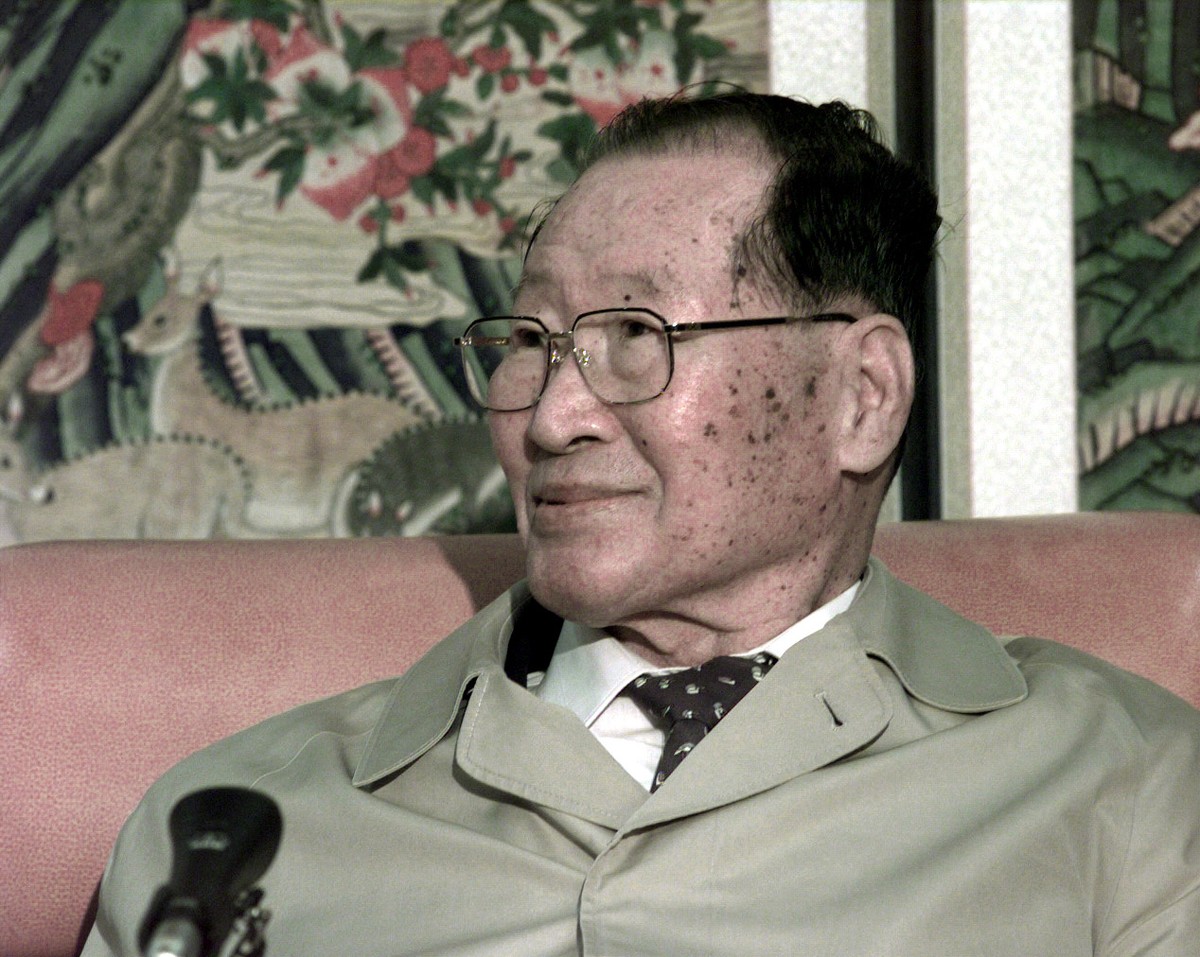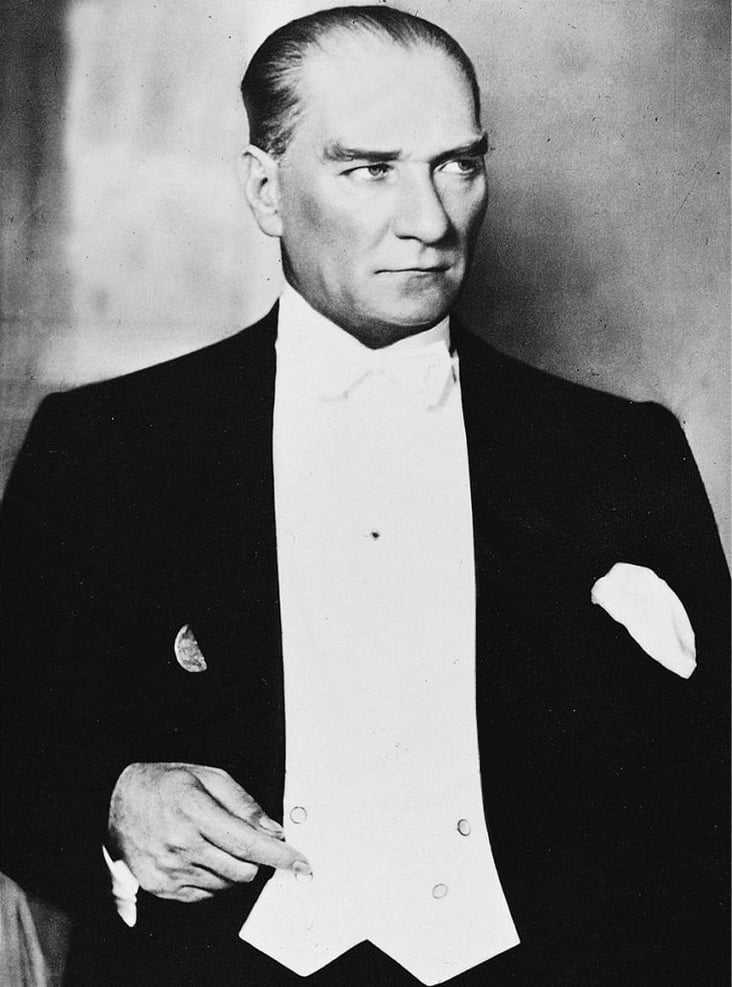

Photo: Technical Sergeant Renee Sitler, U.S. Air Force, 1998 (public domain, U.S. government work) · Photograph by U.S. Air Force Technical Sergeant Renee Sitler, taken 27 October 1998 at the Panmunjom Freedom House, Republic of Korea, released as U.S. Department of Defense Visual Information image DD-SD-00-01862 (Air Force) and carried on Wikimedia Commons with the public domain U.S. Air Force tag. A service member's official photograph is a U.S. government work not subject to copyright. The original DoD page could not be opened, so that link is unverified. Original 1268 x 1012 pixels, downscaled to 1200 x 957 with no crop and no upscaling. · Public domain (U.S. government work)
핵심 특성
주요 업적
1947년 현대토건을 세워 현대그룹으로 키웠고, 현대는 건설·조선·자동차·전자로 확장되어 한국 최대 규모의 기업집단이 되었다.
1971~1974년 조선 경험이 전혀 없는 상태에서 해외 차입을 통해 울산 조선소를 지었고, 조선소가 생기기도 전에 유조선 주문을 받았으며, 현대는 이후 세계 최대 조선사가 되었다.
1960년대 그의 회사는 한국 최초의 전국 고속도로를 건설했으며, 타임에 따르면 세계은행은 이 도로의 경제성이 없다고 평가했다. 또한 태국과 중동에서 건설 공사를 수주했다.
삶의 장면들
조선소도 없고 여러 은행에서 거절당한 상태에서 바클레이즈를 설득해 대출과 유조선 두 척의 주문을 따냈고, 조선소와 선박을 동시에 지었다.
이는 기존 자산 없이 자금과 주문을 확보하는 기지와 부합한다. 자원 활용 성향
전환점
1971년 조선업 진출을 결정하여 현대를 건설업에서 중공업으로 옮겼고, 이 길은 현대를 세계적 조선사로 만들었지만 훗날 그룹의 부채 부담에도 영향을 주었다.
이는 큰 규모의 차입 위험을 감수하려는 성향과 부합한다. 위험 감수
비슷한 인물
전체적인 프로필이 이 사람과 닮은 사람들이에요.


넬리 블라이

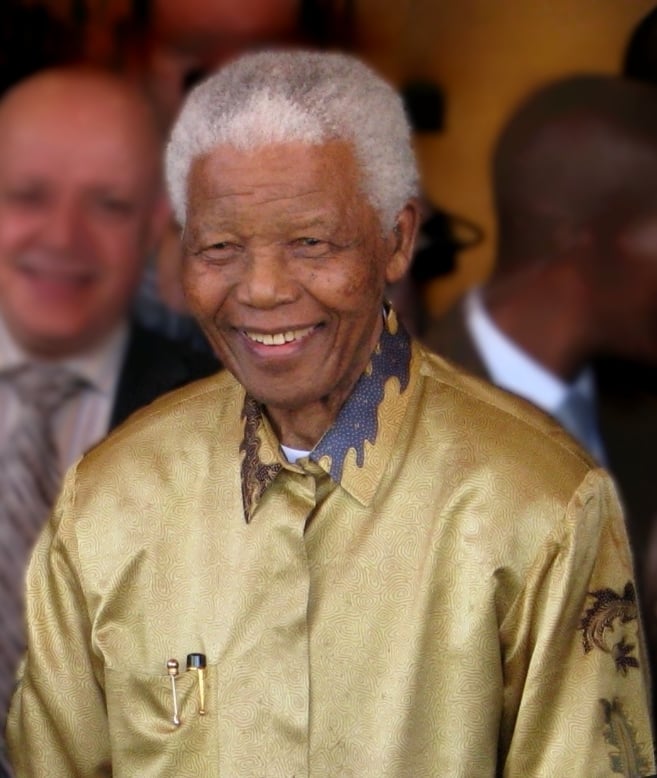
넬슨 만델라

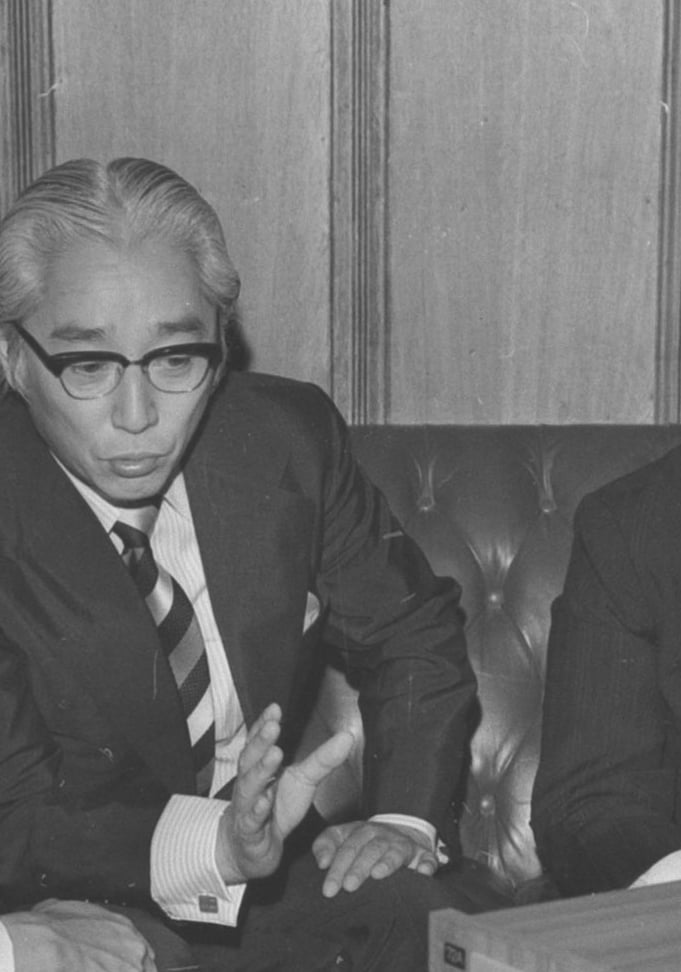
모리타 아키오

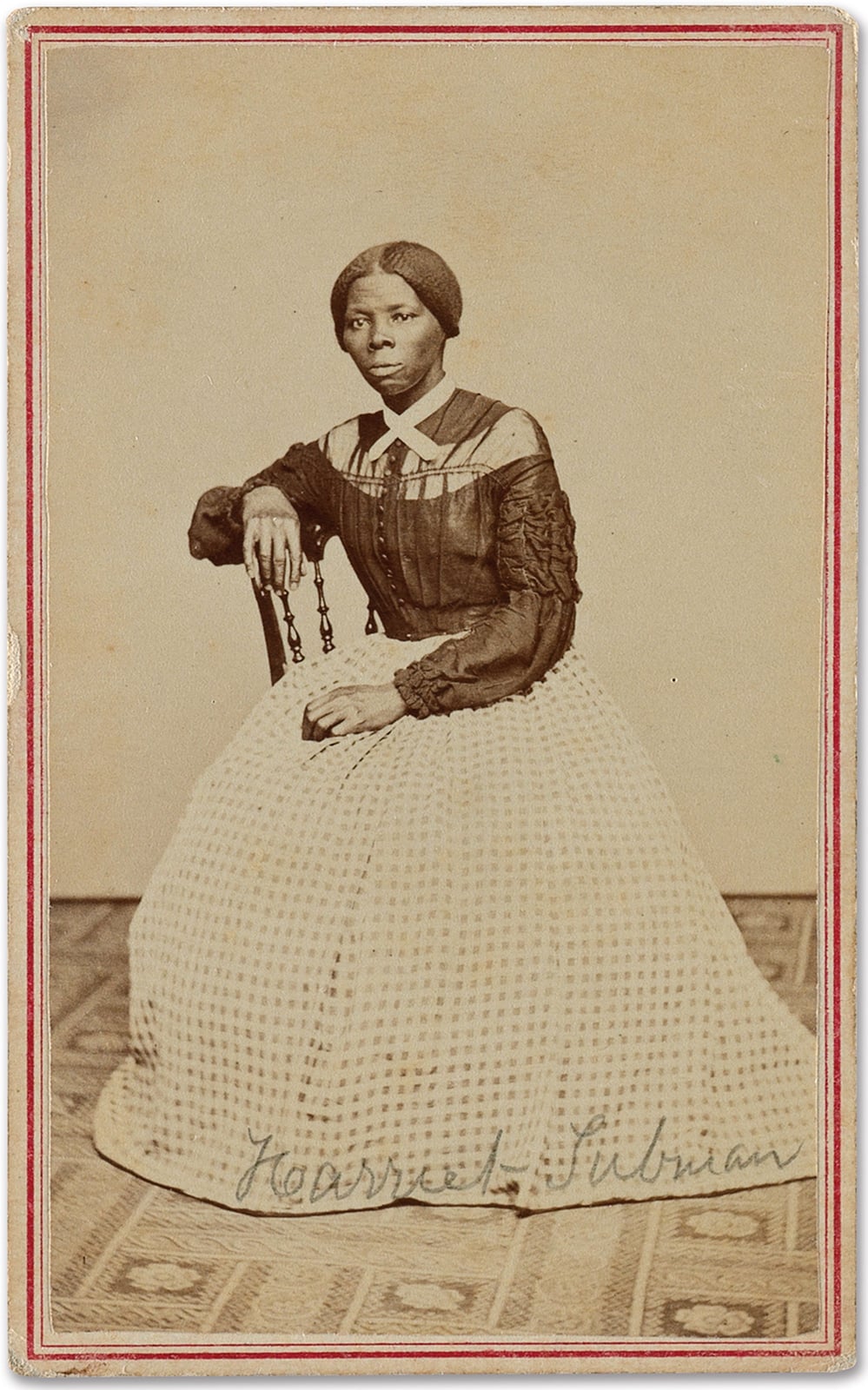
해리엇 터브먼

무스타파 케말 아타튀르크
출처
- Chung Ju-yung (Q468467), verified live via the Wikidata API (2026-10-28): label 'Jeong Ju-yung', Korean label 정주영, description 'South Korean businessman (1915-2001)', born 1915-11-25, died 2001-03-21, P18 image 'Chung Ju-yung.jpg'. Orientation only; not used for any row.
- Wikipedia, 'Chung Ju-yung' (orientation only, flagged by Wikipedia itself as needing citations and having promotional wording; not used as support for any row).
- TIME, 'Chung Ju Yung' by Michael Schuman (13 November 2006, read in full). CANONICAL SIGNIFICANCE SOURCE: founder of Hyundai, creator of a leading shipbuilder, carmaker and chip maker, the 1960s expressway the World Bank judged unviable, the first Korean-built tanker and car export, close ties to Park Chung Hee, the later imperious style and debt-driven expansion that broke the group up after 1997.
- Christian Science Monitor, 'Industrialist mirrored Korean economy's rise, demise' by Michael Baker, 23 March 2001 (read in full): obituary-style account of his origins, wartime contracts, the shipyard financing pitch to Barclays, family management, the 1997 crisis, and critical analyst comment on family-dominated management.
- The Korea Times, 'Chung Ju-yung: embodiment of Korea's economic miracle' by historian Andrei Lankov (7 September 2011, read in full): wartime U.S. Army contracts through his brother, entry into Park Chung-hee's circle of trusted businessmen, state-urged diversification into shipbuilding and autos, and the opposing leftist reading of the chaebol as neo-colonial.
- 'Hyundai Group', International Directory of Company Histories (Gale, entry by Bob Vincent, c. 1990; read via the Funding Universe and Encyclopedia.com copies): company-history reference describing his autocratic and unconventional management, the 1947 founding, the 1965 Thailand highway, Middle East projects, the 1971 shipbuilding decision, Ulsan financing, the Pony and the early-1990s political and tax clashes.
- HD Hyundai Heavy Industries, 'Our Heritage: Founder Story' (read in full; the company's own promotional account, treated as self-material): the 1971 UK technical partners and Barclays loan, the March 1972 start of construction, the VLCC order won with a photograph and a blueprint, the expansion decisions of the 1990s and his time with yard workers.
- The Korea Times, 'Hyundai marks 100th anniversary of late founder Chung's birth' (24 November 2015, read in full): centenary coverage built mostly on Hyundai-linked speakers, so used only for the list of ventures (Seoul-Busan expressway, Seosan reclamation) and flagged as company-framed.
- Wikimedia Commons file page 'Chung Ju-yung.jpg' (checked for the portrait only; not used for any scoring).