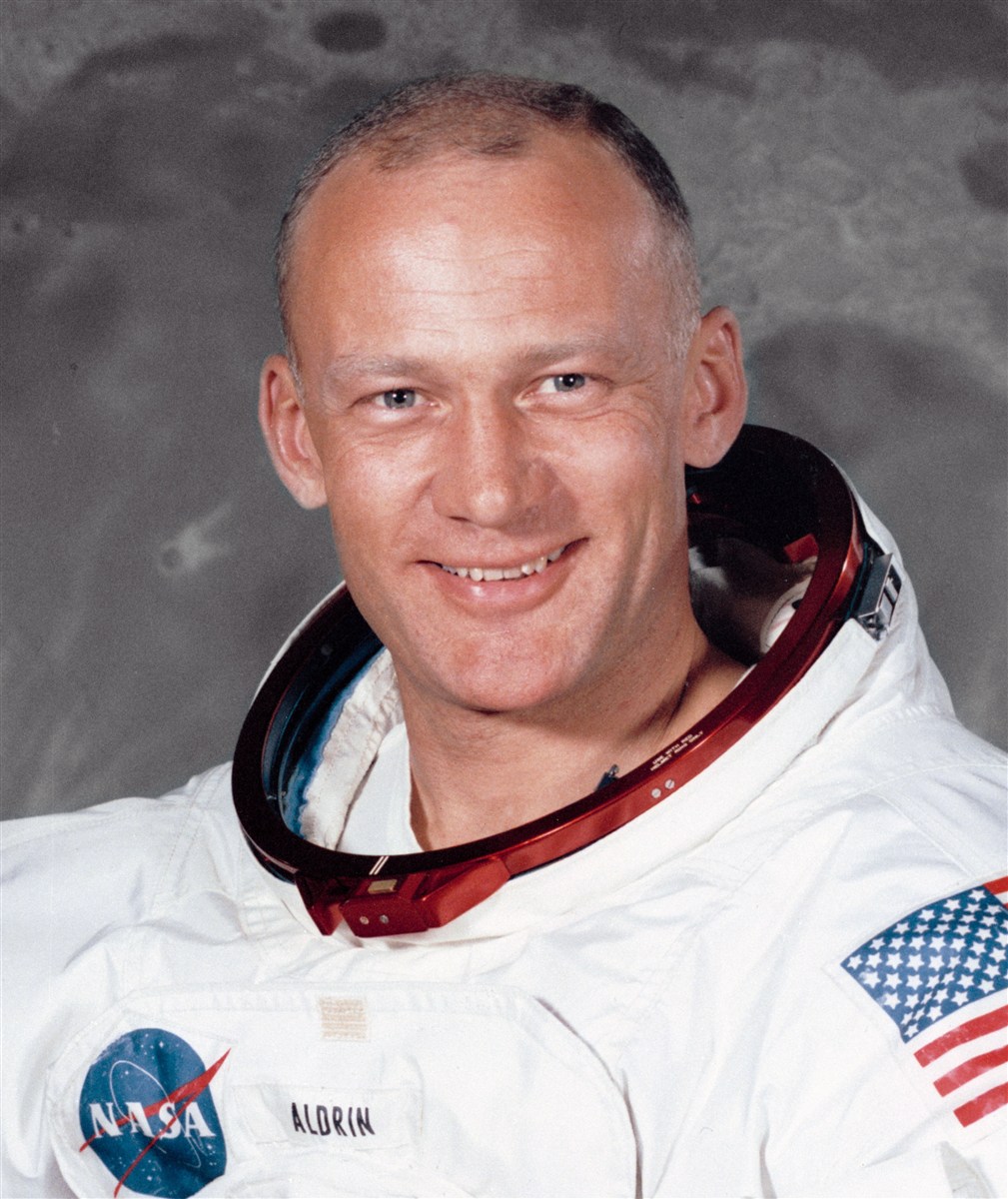

NASA, 1969 (photo S69-31743), cropped and downscaled · NASA / Johnson Space Center, 'Apollo XI - Prime Crew - Portrait' of Edwin E. Aldrin Jr., photo ID S69-31743, 16 April 1969 (NASA Image and Video Library), via the Wikimedia Commons crop 'Buzz Aldrin (S69-31743) (cropped).jpg' (2779 x 3304 pixels; crop of the NASA original), downscaled to 1009 x 1200. · Public Domain (NASA work)
우주비행사 · 현대
버즈 올드린
b. 1930
주요 업적 분야
아직 성격 매칭에 포함되지 않았습니다 — 기록된 근거가 성격 모델 전체를 다루기에는 충분하지 않습니다. 이 페이지의 다른 모든 내용은 자유롭게 확인하실 수 있습니다.
핵심 특성
주요 업적
아폴로 11호의 달 착륙선 조종사로서 1969년 7월 20일 닐 암스트롱에 이어 달 표면에 발을 디뎌 두 번째로 달 위를 걸은 사람이 되었다.
1966년 11월 제미니 12호에서 세 차례 우주 유영을 했고, 그중 한 번은 손잡이와 허리 고정줄을 써서 피로 없이 작업을 마쳤으며, NASA는 이를 통해 우주 유영 작업이 가능함이 입증되었다고 평가한다.
MIT에서 궤도 랑데부를 주제로 한 논문으로 박사 학위를 받았고, 제미니 12호에서 레이더 추적이 끊겼을 때 그 연구를 실제 비행에 활용했다.
삶의 장면들
제미니 12호가 아제나 표적에서 약 120킬로미터 거리에서 레이더 추적을 잃자 올드린은 육분의와 계산자를 꺼내 표적과의 각도를 재고 랑데부 도표와 탑재 컴퓨터로 보정값을 계산했다.
자동 장치가 고장났을 때 정량적 훈련을 곧바로 현장의 문제 해결에 적용하는 모습과 일치한다. 분석적 엄밀성
아폴로 11호 하강 중 첫 1202 프로그램 경보 뒤 올드린은 컴퓨터에 해당 화면을 요청하는 대신 휴스턴에 피치오버까지 남은 시간 정보를 요청했고, 착륙까지 고도와 하강 속도를 계속 불러 주었다.
맡은 임무를 계속 수행하면서 위험을 줄이도록 시스템을 쓰는 방식을 조정한 모습과 일치한다. 적응력
전환점
앞선 제미니 우주 유영자들이 탈진으로 어려움을 겪은 뒤인 1966년 9월 올드린은 제미니 12호에 앞서 볼티모어의 수영장에서 수중 훈련을 받았고, 이 방식은 이후 우주 유영 훈련의 주된 방법이 되었다.
더 나은 방법이 주어지자 반복적이고 세밀한 연습으로 어려운 임무를 준비한 모습과 일치한다. 자기 규율
비슷한 인물
전체적인 프로필이 이 사람과 닮은 사람들이에요.


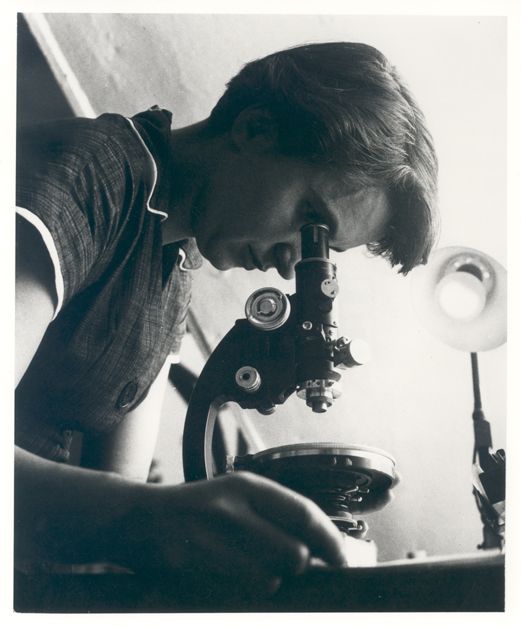
로절린드 프랭클린

루스 베이더 긴즈버그

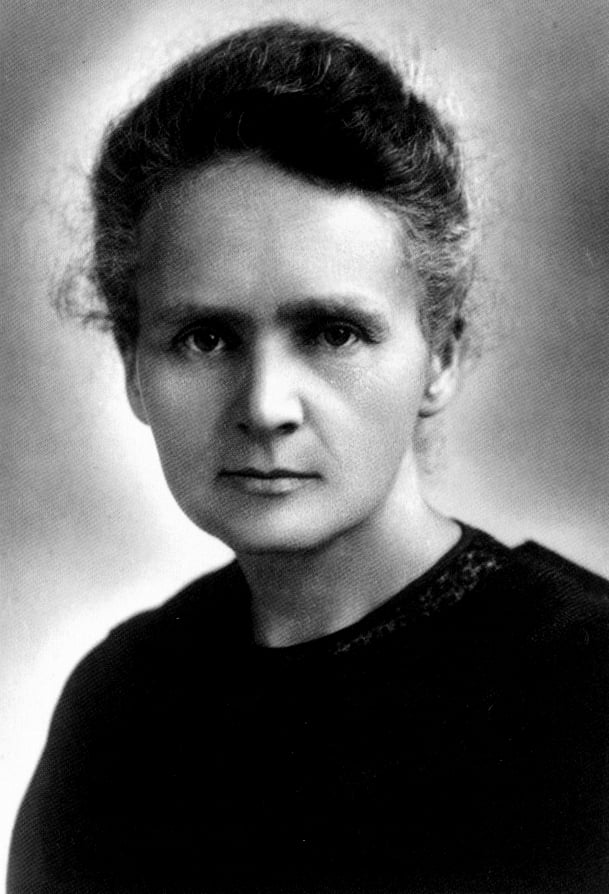
마리 퀴리

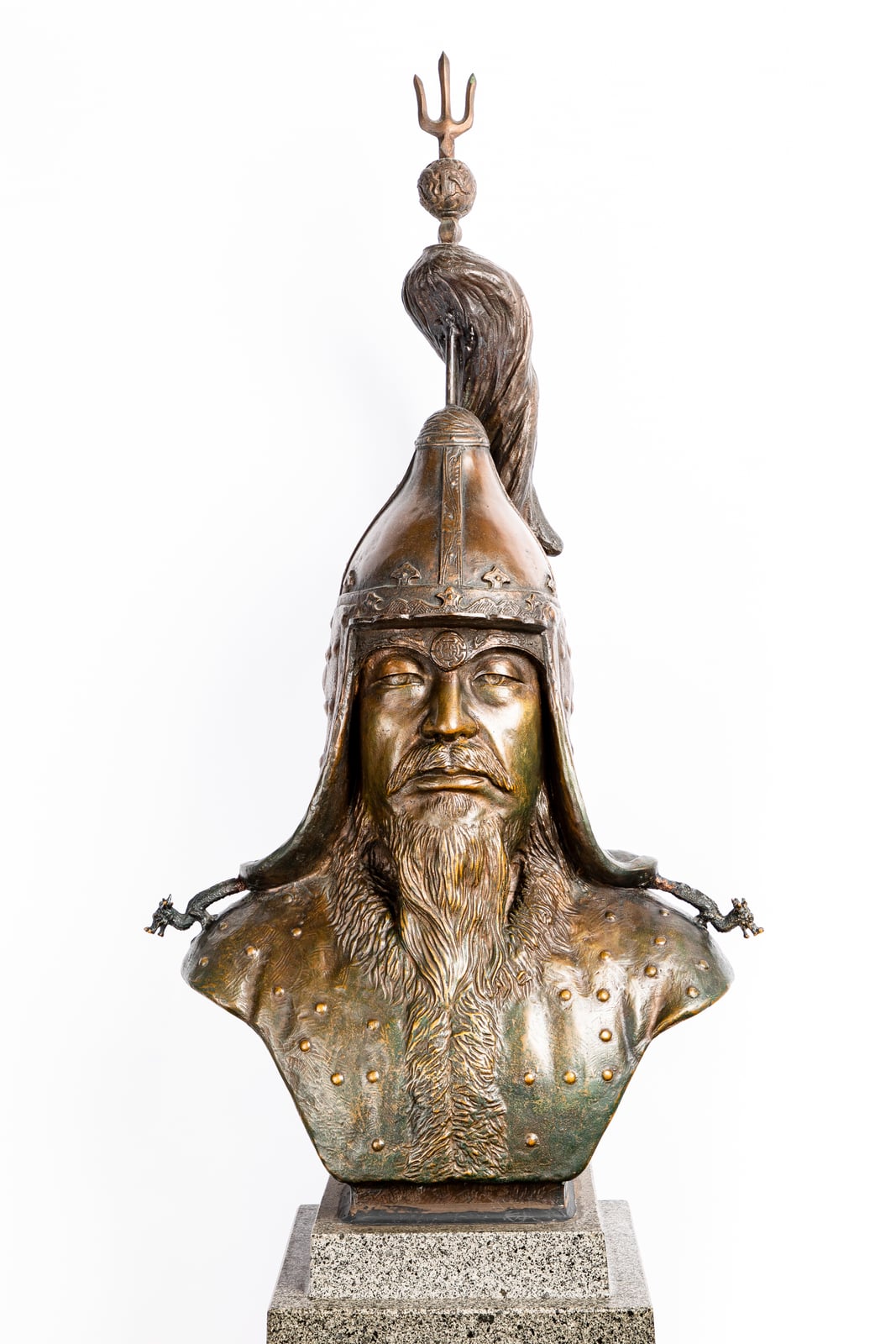
이순신

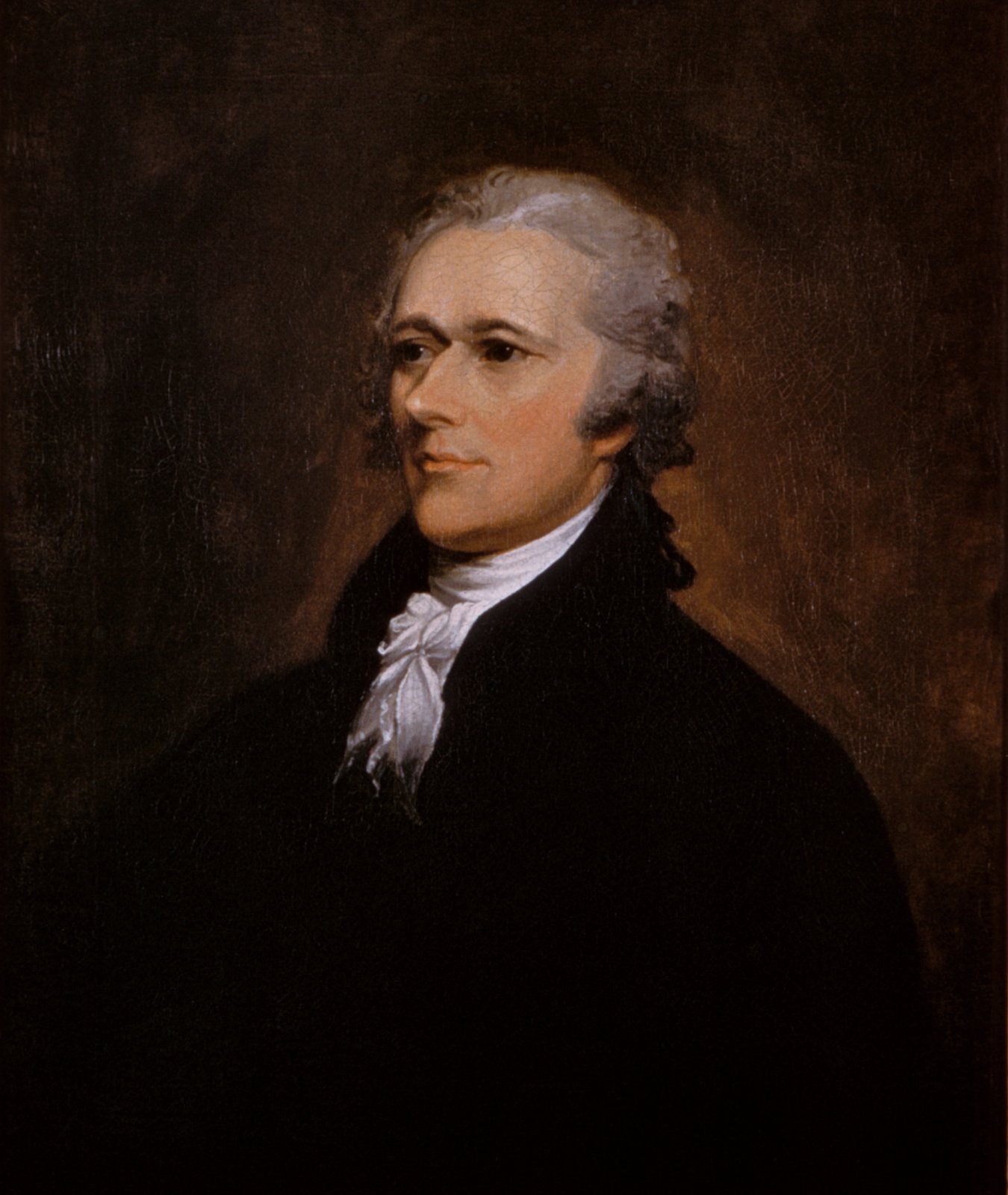
알렉산더 해밀턴
출처
- Buzz Aldrin (Q2252) -- verified live via the Wikidata API (2026-10-10): English label 'Buzz Aldrin', description 'American astronaut (born 1930)', born 20 January 1930, no date of death, instance of human, citizenship United States. Orientation only; not used as support for any row.
- Bob Granath, 'Gemini XII Crew Masters the Challenges of Spacewalks', NASA, 14 November 2016 -- NASA's account of the Gemini XII mission: his MIT doctorate on orbital rendezvous, the underwater spacewalk training, the lost radar lock during rendezvous and his sextant-and-slide-rule solution, and his three spacewalks of November 1966. Agency narrative with direct mission quotations; sympathetic institutional view. Read in full.
- 'Where NASA Learned to Spacewalk', Air & Space Magazine (Smithsonian) -- first-person account by a former NASA astronaut who flew spacewalks on STS-98, telling the story of the engineers who invented neutral-buoyancy training in a Baltimore pool, including how Aldrin was sent there before Gemini XII and the trainer's view of how he performed. Independent trainer's voice; undated in the retrieved copy. Read in full.
- NASA Apollo Lunar Surface Journal, 'The First Lunar Landing' (corrected air-to-ground transcript with commentary by editor Eric Jones, Frank O'Brien and others, including post-mission comments by Armstrong and Aldrin recorded 1989-1991) -- the powered-descent section from the first 1202 program alarm to touchdown, with Aldrin's altitude and velocity call-outs and computer entries. Primary transcript plus later commentary; the commentary by Aldrin himself is self material and is used only as supplement. Read the descent, alarm and touchdown section in full.
- Peter Adler, 'Apollo 11 Program Alarms', Apollo 11 Lunar Surface Journal (NASA), 1998 -- explanation by an MIT Instrumentation Laboratory engineer who helped write the lunar module guidance software of why the 1201 and 1202 alarms occurred and how the computer restarted. Engineer's independent technical account; says little about Aldrin directly and is used for context. Read in full.
- Don Eyles, 'Landing Apollo via Cambridge', MIT News, 17 July 2009 (reprint of his 1989 Boston Globe recollection) -- the MIT Instrumentation Laboratory software engineer's account from a monitoring room in Cambridge of the Apollo 11 landing, including the program alarms, in which Aldrin selected the landing program, pressed proceed and 'interrogated the computer'. Independent engineer view, written twenty years after the event. Read in full.
- Alan Bellows, 'The Martian Express', Damn Interesting, April 2008 -- popular-science article on cycler orbits that credits Aldrin as one of the concept's chief designers and proponents, describes his 1985 reasoning behind the Aldrin Cycler and lists the concept's drawbacks. Popular secondary source with reader comments; used only for the proposal and its limits, not for personality. Article read in full; comments skimmed.
- Edwin Eugene Aldrin Jr., 'Line-of-sight guidance techniques for manned orbital rendezvous', Sc.D. thesis, Department of Aeronautics and Astronautics, MIT, 1963 -- DSpace@MIT catalogue record (311 leaves; advisors listed). Only the catalogue record was opened, not the thesis text, so it is used to confirm the thesis exists and its title and date only.