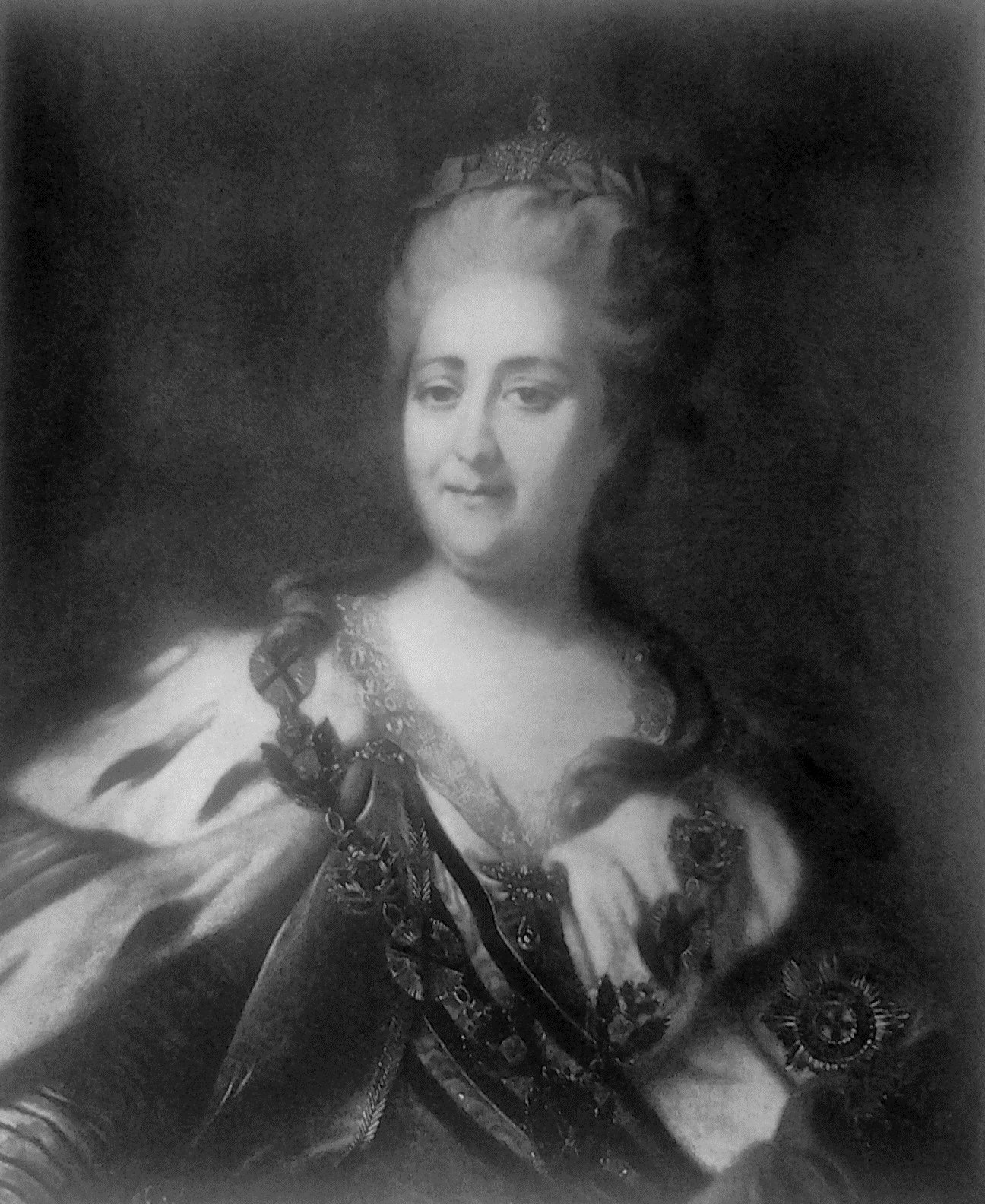
Catherine the Great
88% Profile Match
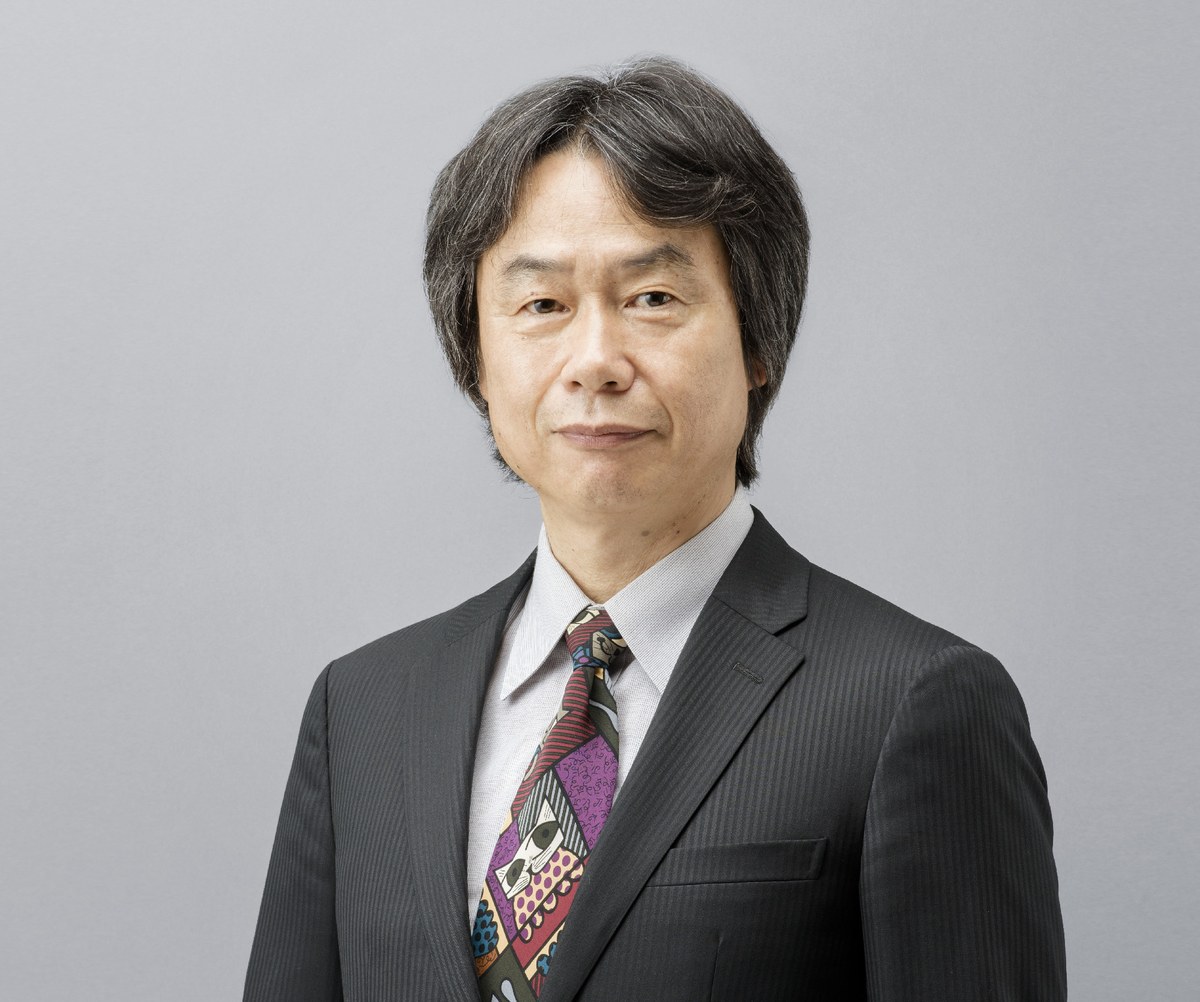
Photo: Ministry of Education, Culture, Sports, Science and Technology (Japan), Minister's Secretariat Personnel Division, CC BY 4.0 · Wikimedia Commons, 'Shigeru Miyamoto 20150610.jpg' -- portrait photograph by the Minister's Secretariat Personnel Division of Japan's Ministry of Education, Culture, Sports, Science and Technology, published on the ministry's Person of Cultural Merit page. Original 2000 x 1670 pixels (SHA-1 c3cc612b, matches the Commons record); saved here downscaled once to 1200 x 1002 pixels (no crop, never upscaled). Lead review: photograph date unresolved - the Commons EXIF/description say 10 June 2015 but the credited ministry page is the 2019 honours list (Wikipedia gives the Person of Cultural Merit as 2019); both dates are recorded and the file does not depend on the date for its CC BY 4.0 basis. · CC BY 4.0
product designer · Contemporary
b. 1952
Not yet included in personality matching — the documented evidence doesn't yet cover enough of the personality model. Everything else on this page is fully available.
Miyamoto joined Nintendo in 1977 as a design artist, and his first major assignment was a new arcade game for unsold Radarscope cabinets. The result, Donkey Kong (1981), introduced the character who became Mario. Encyclopedia.com's biographical entry says the character's early look, including the cap and moustache, came from the pixel limits of the hardware.
He went on to design Super Mario Bros. and The Legend of Zelda, and in Super Mario 64 (1996) brought the series from 2-D to 3-D; Iwata Asks identifies him as the director of Super Mario 64. His later credits include Ocarina of Time (1998), Pikmin and Star Fox, with Mario Galaxy made with him as producer rather than director.
In 2012 the Princess of Asturias Foundation gave him its Award for Communication and Humanities, with a jury calling him the main architect of the revolution in educational and constructive video games. Japan's education ministry listed him among the 2019 Persons of Cultural Merit, in the field of media arts (games), identifying him as a Nintendo representative director and fellow.
For Super Mario Galaxy, Miyamoto told Iwata Asks that he chose gravity and a spherical field as the distinct feature of a 3-D Mario. The staff objected ('Can we really call something like that a game?'), and he recalled having tried rolled or spherical fields in Paper Mario and Mario 128 before shelving them.
This is consistent with returning to an earlier idea, in his own account, and testing it in new projects until it worked. Experimentation
Retro Studios' Mark Pacini recalled that when the Texas studio began Metroid Prime, Miyamoto's first directive was that the switch between the morph ball and the first-person view be seamless, or 'we can't do this game'. The team needed a few months to achieve it, and Miyamoto then said 'okay'.
This is consistent with insisting on a precise detail of how a game feels before letting a project proceed. Detail Orientation
By Super Mario Galaxy, Miyamoto was working as producer instead of director, as he had been on Super Mario 64. He told Iwata Asks that he did not think the game could have been made had he directed, and that he stayed in Kyoto while the team worked in Tokyo, reviewing new builds by email and video conference.
This is consistent with a shift from directing a game himself to guiding teams led by others. Collaboration
People whose overall profiles resemble theirs.