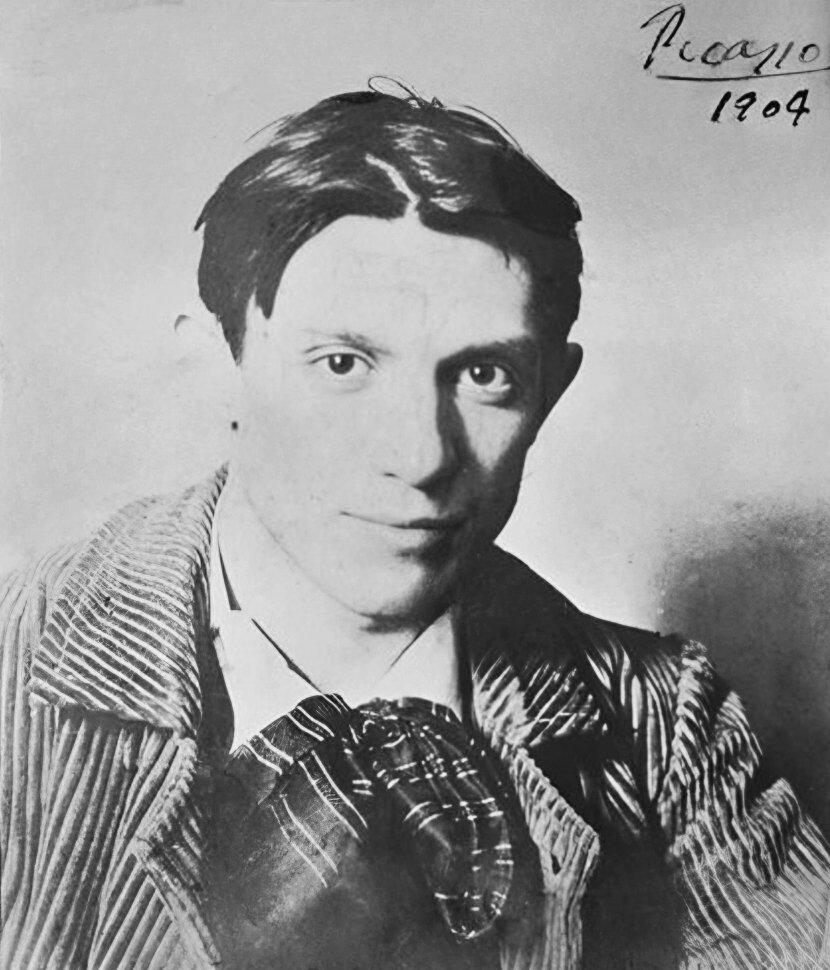
Pablo Picasso
86% Profile Match
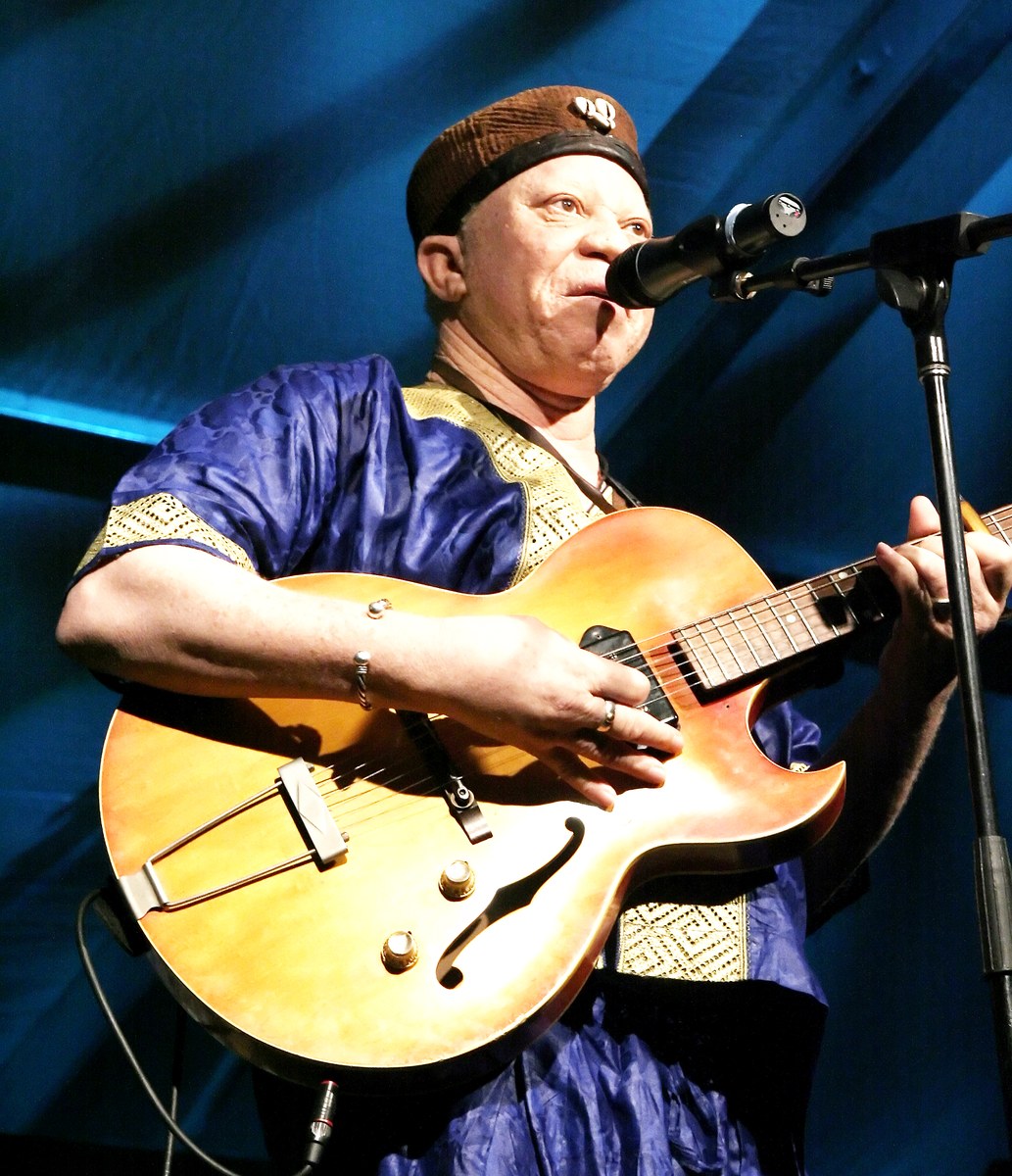
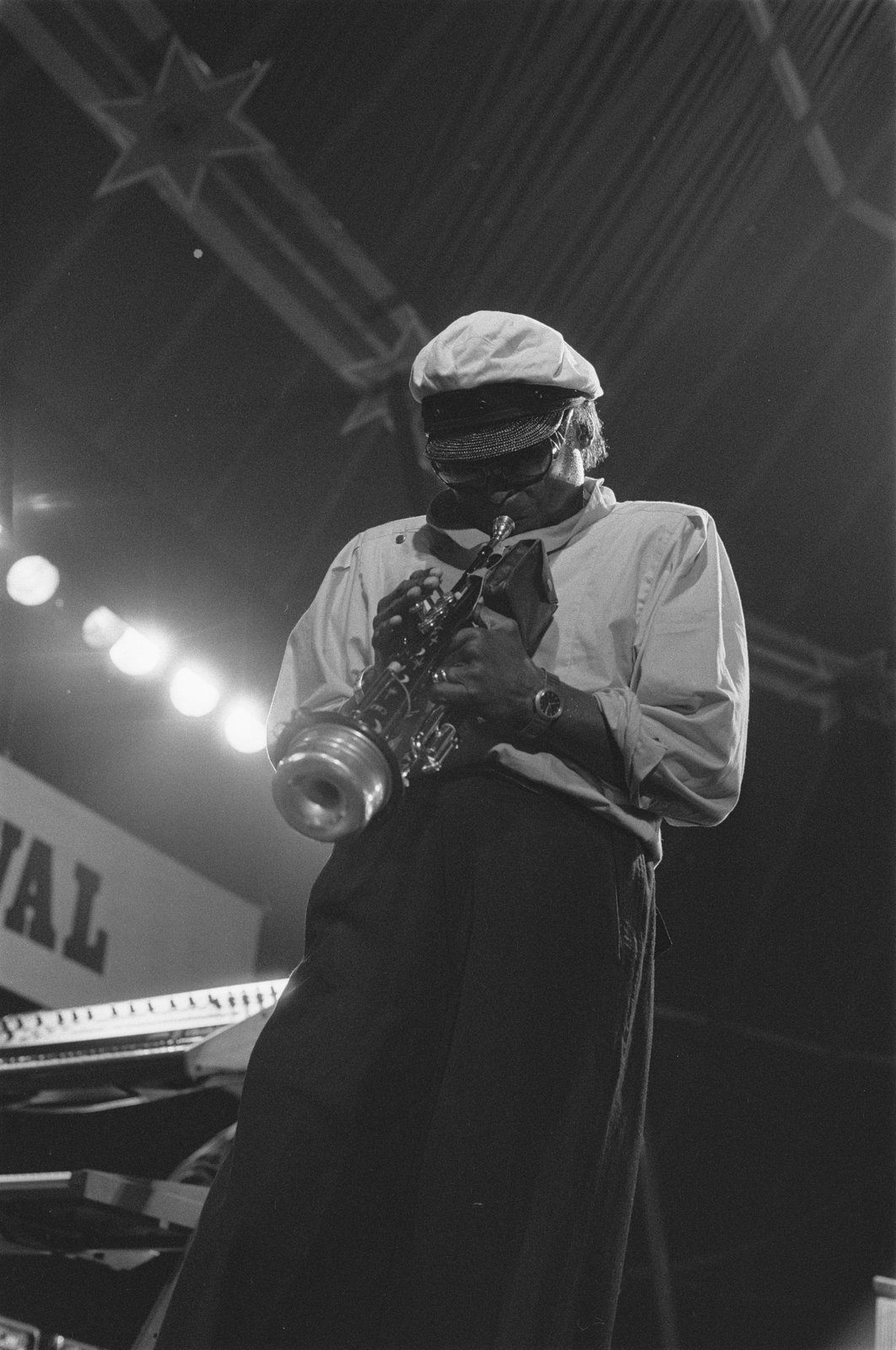
Photo by John Leeson, Toronto Jazz Festival, 29 June 2008, via Wikimedia Commons, CC BY 2.0 · Photograph 'Salif Keita' by John Leeson, taken at the Toronto Jazz Festival (Beaches International Jazz Festival) on 29 June 2008, Flickr photo 52440868864, published on Wikimedia Commons as 'Salif Keita - 52440868864.jpg' (uploaded 30 September 2023). Commons page: Flickr source URL, author John Leeson, licence CC BY 2.0, with a FlickreviewR pass on 30 September 2023 (reviewed licence cc-by-2.0). The live Flickr page was re-checked on 31 October 2026: photographer John Leeson, photo title 'Salif Keita', licence value 4 (CC BY 2.0) with the creativecommons.org/licenses/by/2.0 link, and an empty photo-licence-history list, so no licence change is recorded. Original 2304 x 2676 pixels (Canon EOS Digital Rebel XT); the stored file is a 1033 x 1200 downscale, never upscaled and not cropped. A live performance photograph of the singer. The lead's suggested lead (the 207 x 319 US State Department photograph) was not used because it is too small. · CC BY 2.0
singer · Contemporary
b. 1949
Not yet included in personality matching — the documented evidence doesn't yet cover enough of the personality model. Everything else on this page is fully available.
He blended Mande music traditions with jazz, rhythm and blues and other international styles to pioneer the Afropop dance-music genre, and became known as the golden voice of Africa.
As lead singer of the Rail Band and then Les Ambassadeurs du Motel, bands that Songlines says laid the foundations of popular Malian music, he became one of the country's most celebrated vocalists.
His 1987 solo debut Soro, recorded in Paris, introduced his voice to the world, and Moffou (2002), made after his return to Bamako, was released to great acclaim.
In 1973 he left the Rail Band for the rival Les Ambassadeurs, wanting to write songs that expressed Malian modernity in his own way; a 1974 stadium showdown between the two bands is still remembered.
This is consistent with a musician who prized control over his own songwriting enough to leave an established band. Need for Autonomy
During the Soro sessions in Paris the producer recalls that Keita sang even demos and microphone tests as if it were the last time of his life.
This is consistent with a singer who brought full commitment to his craft even in preparatory work. Mastery Orientation
Around 1984 he moved from Abidjan to Paris to build a solo career, and the resulting album Soro (1987) turned a regional star into an international one.
This is consistent with an artist willing to relocate and change his sound to reach a wider audience. Adaptability
People whose overall profiles resemble theirs.


Not a rival — a different profile shape worth a look.