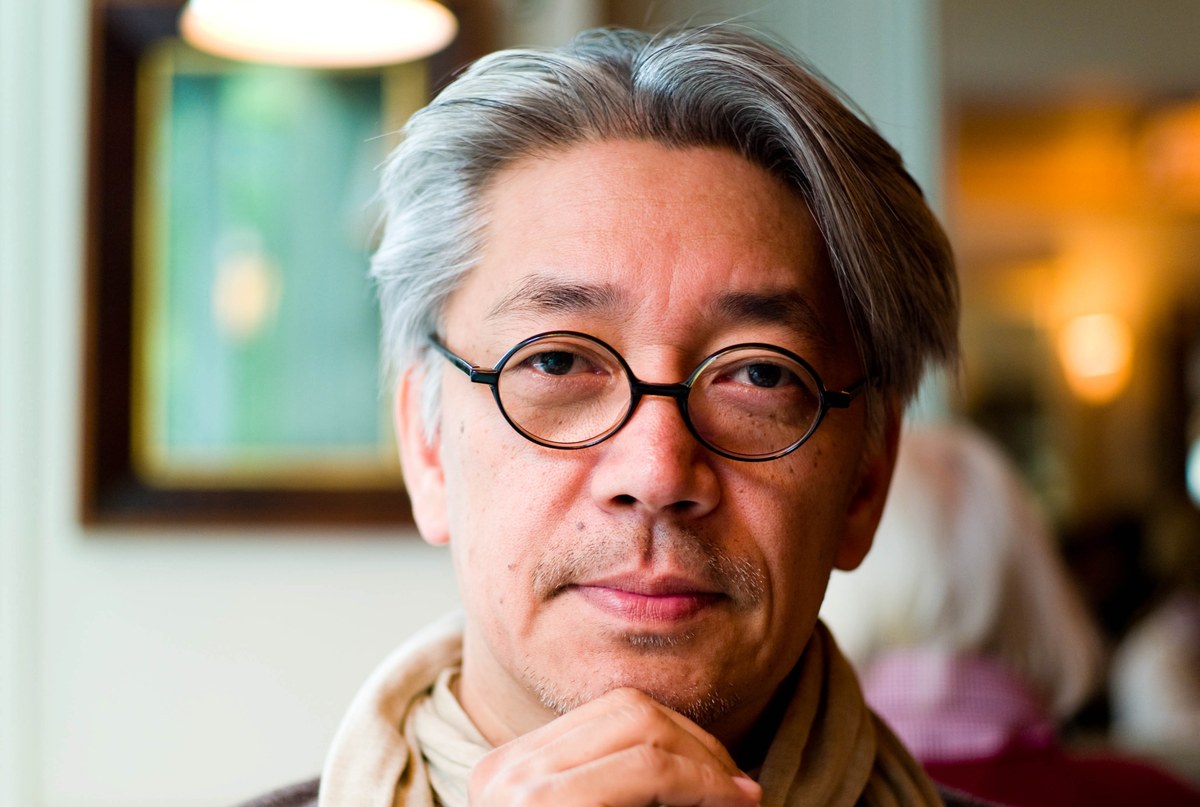
Photo: Joi Ito, 2008, CC BY 2.0 · Wikimedia Commons, 'RyuichiSakamotoJI4.jpg' -- photograph of Ryuichi Sakamoto taken on 2 May 2008 by Joi Ito, originally posted to Flickr and uploaded to Commons by the Flickr upload bot under CC BY 2.0 with the photographer named as reviewer. Original 3772 x 2537 pixels, downscaled to 1200 x 807 (never upscaled). The live Flickr page could not be read (403) on 2026-10-24, so the licence basis is the Commons record. · CC BY 2.0
composer · Contemporary
Ryuichi Sakamoto
1952–2023
Known For
Not yet included in personality matching — the documented evidence doesn't yet cover enough of the personality model. Everything else on this page is fully available.
Trait Constellation
Key Achievements
In 1978 he co-founded Yellow Magic Orchestra with Haruomi Hosono and Yukihiro Takahashi, a group built on synthesizers, computers and disco beats. Its 1979 album Solid State Survivor and later records such as Technodelic, with early extensive sampling, were followed by the group's split in 1983.
He scored Merry Christmas, Mr. Lawrence (1983), in which he also acted, and shared the Academy Award for Best Original Score for The Last Emperor with David Byrne and Cong Su at the 1988 ceremony. He went on to score further Bertolucci films and The Revenant.
His solo and collaborative records include B-2 Unit (1980, with the electro single 'Riot in Lagos'), the insen album made with Carsten Nicolai (Alva Noto) and async (2017), built from field recordings and unusual sound sources.
Moments That Reveal Them
For the async shows he and Carsten Nicolai performed inside Philip Johnson's Glass House with contact microphones on the glass, which led to a glass pane being used as an instrument in the live performances.
This is consistent with a willingness to treat unusual objects and places as musical sources. Experimentation
On The Last Emperor he was asked after filming to score half the film in about two weeks; he had planned a synthesizer score, but Bertolucci wanted an orchestral sweep and he delivered it.
This is consistent with an ability to change approach quickly to fit a director's needs. Adaptability
Turning Points
Already a star with Yellow Magic Orchestra, he accepted Nagisa Oshima's offer of a lead role in Merry Christmas, Mr. Lawrence on condition that he also write the score, which opened his career as a film composer.
This is consistent with a readiness to move from pop into other fields on his own terms. Cross-Domain Range
Similar People
People whose overall profiles resemble theirs.
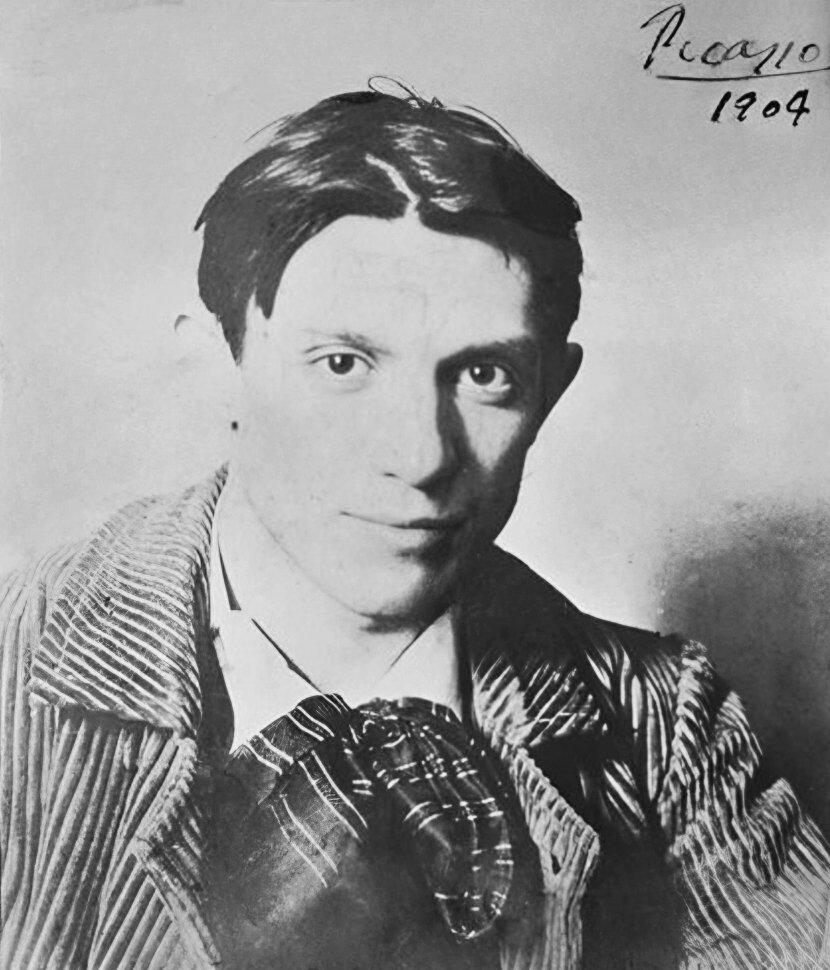

Pablo Picasso

Benjamin Franklin

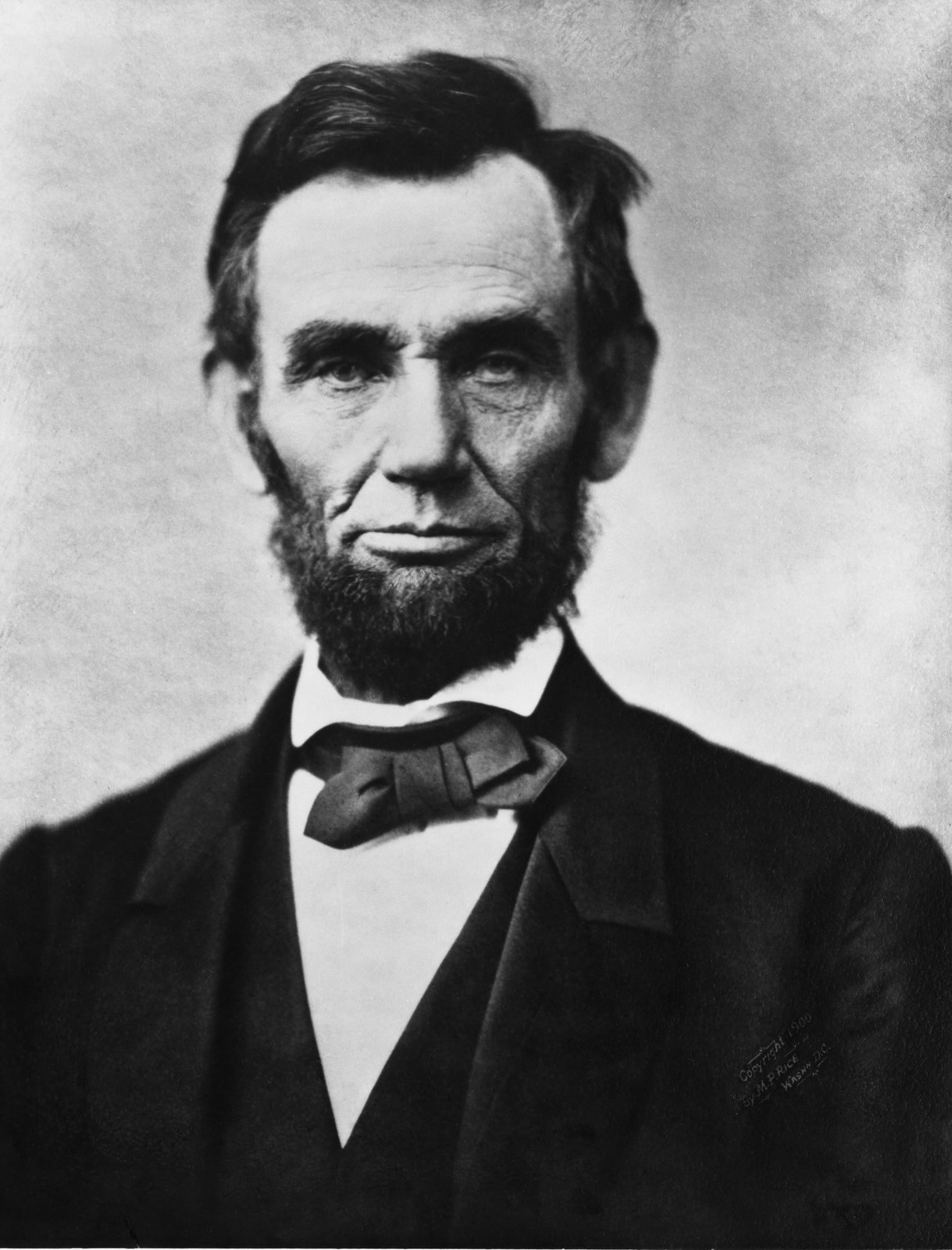
Abraham Lincoln

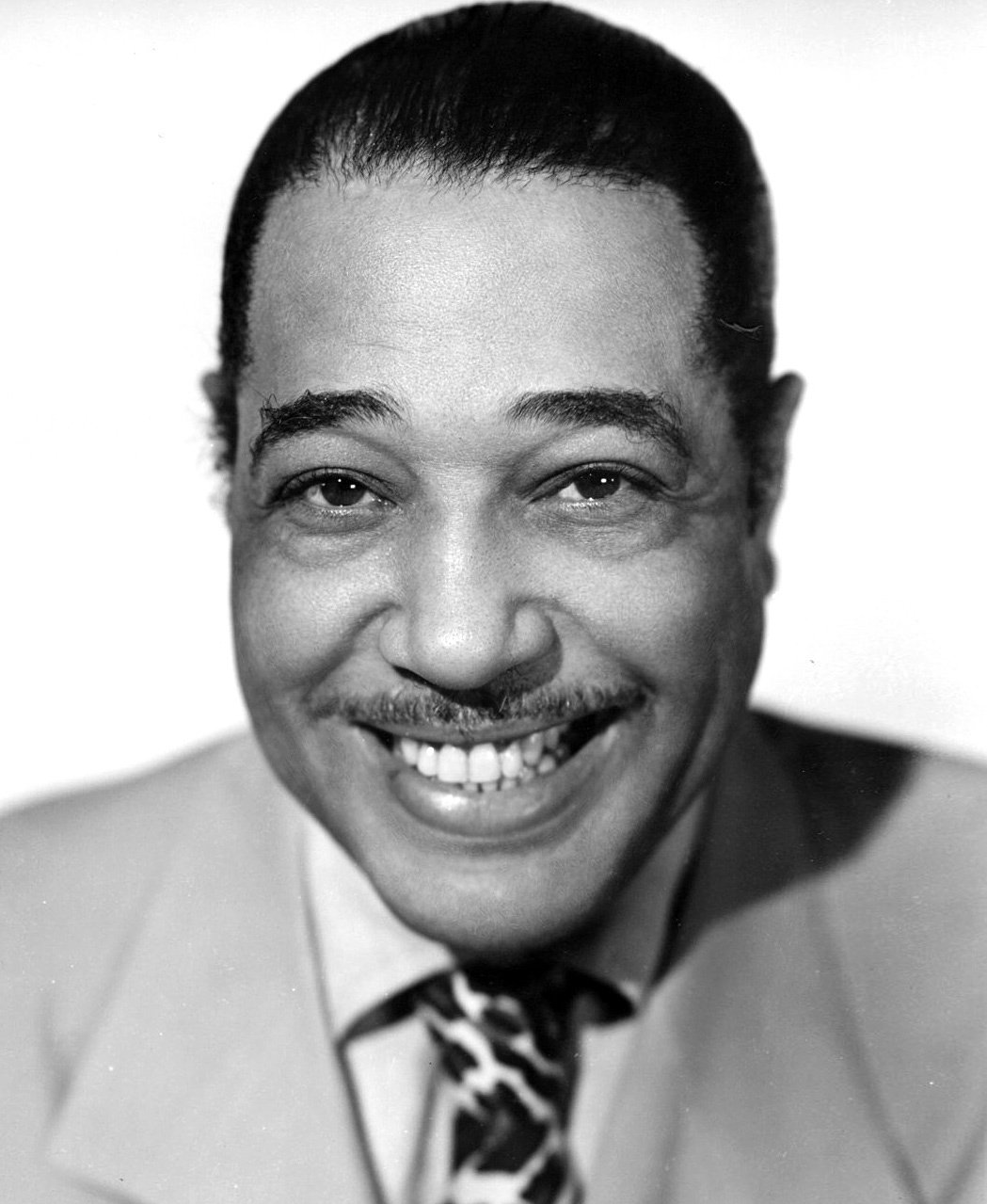
Duke Ellington

Maya Angelou
Sources
- Ryuichi Sakamoto (Q345494) -- verified live via the Wikidata API (2026-10-24): English label 'Ryuichi Sakamoto', description 'Japanese composer, musician, social activist, and former student activist (1952-2023)', Korean label, born 17 January 1952, died 28 March 2023, citizenship Japan. Orientation only; not used as support for any row.
- Rolling Stone Australia, obituary of Ryuichi Sakamoto (2023), read in full via a text fetch: co-founded Yellow Magic Orchestra in 1978 with Yukihiro Takahashi and Haruomi Hosono, using synthesizers, sequencers and drum machines; solo records Thousand Knives (1978) and B-2 Unit (1980, with the electro single 'Riot in Lagos', said to have influenced Afrika Bambaataa and Mantronix); Merry Christmas, Mr. Lawrence (1983) as his first film score and acting debut (the score later won a BAFTA); The Last Emperor (1987), scored with David Byrne and Cong Su, which won the Academy Award for Best Original Score and a Grammy; later Bertolucci films The Sheltering Sky and Little Buddha, Brian De Palma's Snake Eyes and Femme Fatale, The Revenant (2015, with Alva Noto and Bryce Dessner), async (2017), his label Commmons, and the album 12; Sakamoto saying he never set out to be a professional musician and had hoped to write a novel or make films. CANONICAL SIGNIFICANCE SOURCE (with the Google Arts & Culture YMO story and the Academy record). Music-press obituary, admiring; the passages on illness and death were not used.
- Eiichi Yoshimura, 'How one band shaped the sounds of Japan and beyond', Google Arts & Culture (Yellow Magic Orchestra story; photographs Kenji Miura and Kazuhiro Kitaoka), read in full: the 1978 founding by Haruomi Hosono, Ryuichi Sakamoto and Yukihiro Takahashi, the aim of 'stateless, exotic' sound from disco beats, computers and synthesizers; Sakamoto studied composition at the Tokyo University of the Arts; the 1978 debut (US release 1979), Solid State Survivor (1979, with 'Rydeen' and 'Behind the Mask'), the 1980 world tours, BGM (1981, Roland TR-808 drum machine) and Technodelic (1981, early extensive sampling with a hand-built sampler), the split in 1983 and later regroupings; sampling of 'Computer Game' by later artists. CANONICAL SIGNIFICANCE SOURCE (with Rolling Stone Australia). Cultural-institution overview of the group, not of Sakamoto alone; admiring.
- Academy of Motion Picture Arts and Sciences, 60th Academy Awards ceremony page (oscars.org, held 11 April 1988 for films of 1987), checked for the record: The Last Emperor is listed as winner of Music (Original Score), credited to Ryuichi Sakamoto, David Byrne and Cong Su. Award record only; no behavioural claim rests on it.
- 'Screening Sakamoto: Ryuichi Sakamoto in Two Acts', Crooked Marquee (film-culture magazine), read in full via a text fetch: cast as Captain Yonoi in Nagisa Oshima's Merry Christmas, Mr. Lawrence (1983) on condition that he also write the score (about three months to compose it), with a soundtrack release just before the Cannes premiere and a vocal version with David Sylvian; on The Last Emperor he was cast as Amakasu with about a week's notice, was asked two days before a reception scene to compose a piece for the on-screen musicians, and after filming was asked by Bertolucci to score half the film to balance the music by David Byrne and Cong Su, with about two weeks to compose and record; he planned a synthesizer score but Bertolucci wanted an orchestral sweep and he delivered it; later acting in Gohatto (1999). Film-writer's essay with Sakamoto's recollections; admiring, with no direct criticism.
- Claire Lobenfeld, Sakamoto interview on async, FACT magazine (21 December 2017), read in full via a text fetch: async (2017) has no words or vocals; he said he wanted to focus on the sounds of things; he does field recording wherever he goes, including many recordings in his backyard, and records rain whenever it falls; collaborators on The Revenant (Alva Noto) and the album Glass; the remix compilation async remodels; his favourite current artists named as Vladislav Delay and Demdike Stare; the interviewer ties the album to his career-long interest in nature-attuned sound and to Call Me By Your Name. Interview answered mainly by Sakamoto himself (self-report); his remarks on the 2011 disasters and civilization are political-environmental opinion and were not used.
- The Fader, Sakamoto interview on async (5 May 2017), read in full via a text fetch: as a high-school student he catalogued the noises of a crowded train; keeps his ears open to find musical elements in non-musical sound and credits John Cage; treats wrong notes as possible discoveries ('like a gift') while aiming for near-perfection in performance; 'fullmoon' built on a recording of Paul Bowles reading The Sheltering Sky, with Bertolucci's permission and readings in several languages by friends and artist contacts; 'Tri' for three percussionists on triangles, played from a score in one take and repeated more than ten times for machine-like precision; he and Carsten Nicolai performed inside Philip Johnson's Glass House with contact microphones on the glass, which led to the glass pane as an instrument in the live async shows; Shiro Takatani's visuals; time as the album's theme. Interview in his own voice (self-report; never sole support for a row).
- Cosmo Lee, review of Alva Noto and Ryuichi Sakamoto, 'insen', PopMatters (2005; 7/10), read in full via a text fetch: Sakamoto performed piano and sent recorded fragments to Carsten Nicolai (credited with additional sound and production), who reshaped them digitally into three-dimensional textures (examples 'Aurora' and 'Iano'); the critic asks, without fully resolving it, why a melody-focused composer would send such material into 'the forest of digital plug-ins', and calls Nicolai's style cold though compelling. Independent critic's review of one collaborative album; mostly favourable with modest reservations (a counter-voice of limited weight).
- Jim Green, Yellow Magic Orchestra entry, Trouser Press record guide (trouserpress.com), read in full via a text fetch: lists the group's albums from 1978 to 1985; calls the debut 'merely inane electro-disco' with video-game sounds forced into songs, Solid State Survivor a 'qualitative leap forward', X Multiplies mostly unfunny comedy skits, BGM and Technodelic mixed bags less distinctive than Takahashi's or Sakamoto's solo work, and Service interrupted by comedy tracks; notes Sakamoto was a session keyboardist who met Takahashi while recording his first solo record. Independent critical guide; the main counter-voice on the YMO output.
- Wikimedia Commons file page 'RyuichiSakamotoJI4.jpg' (with the Commons API record) -- checked for the portrait: photograph of Ryuichi Sakamoto taken 2 May 2008 by Joi Ito (Joichi Ito), originally posted to Flickr, Commons licence CC BY 2.0 via the Flickr upload bot with the review field naming the photographer (Joi); original 3772 x 2537 pixels. The live Flickr photo page returned a 'no permission to view' (403) response to a signed-out fetch on 2026-10-24, so the Flickr licence could not be re-read live. Rights-basis page; no person-specific claim rests on it.