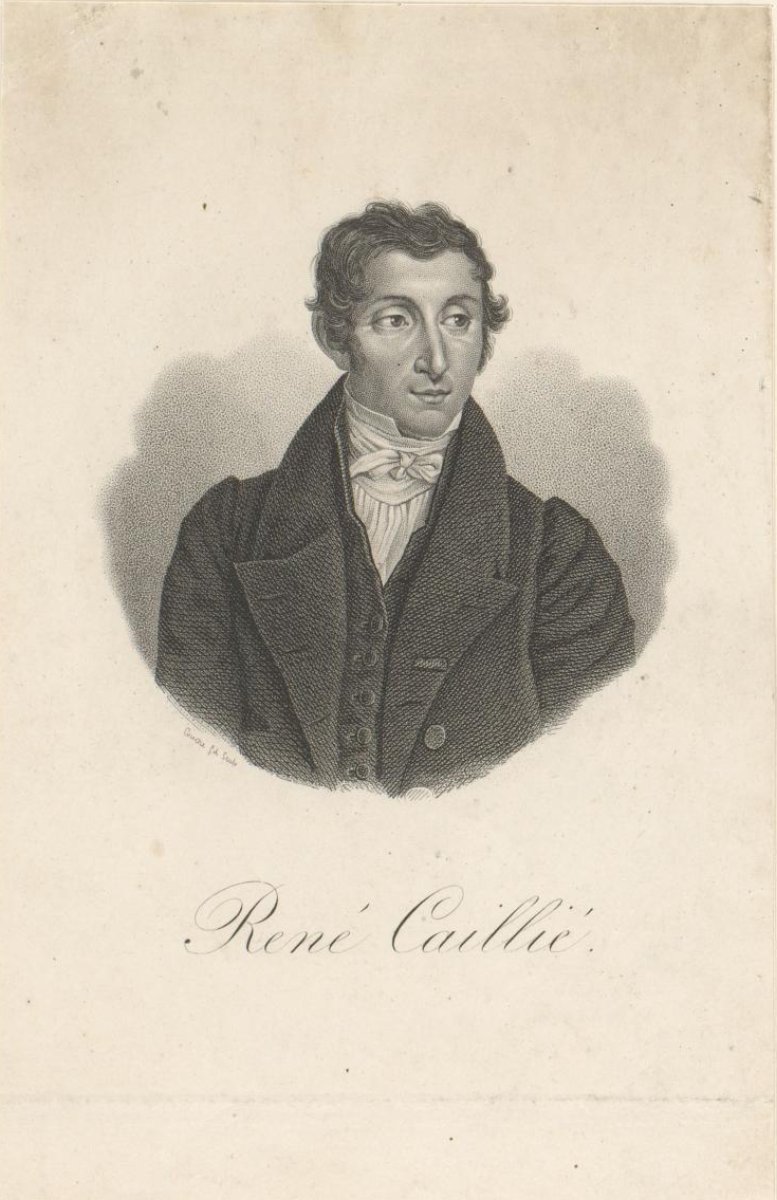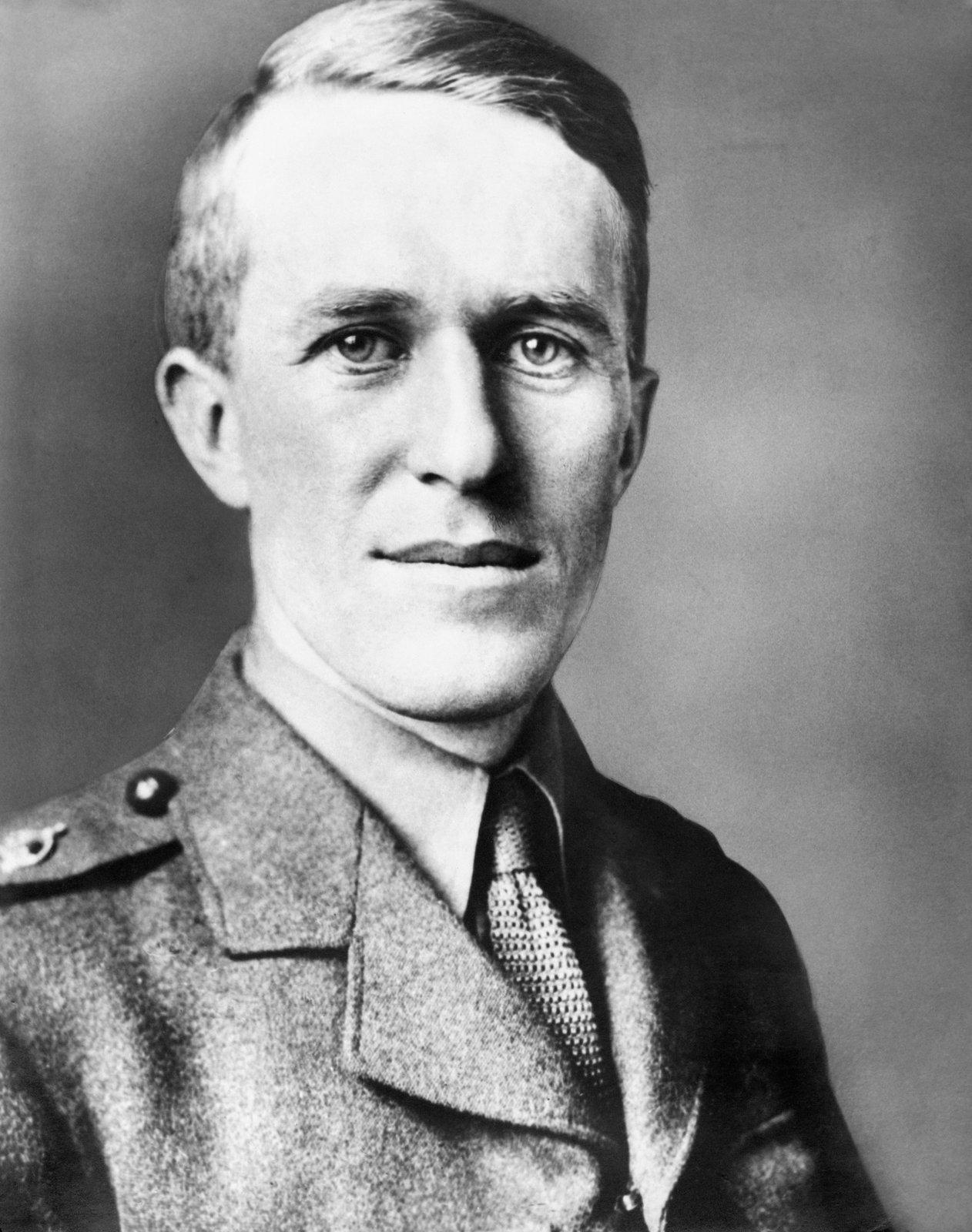

Francois Louis Couche, Portrait of Rene Caillie (1820-1849), Rijksmuseum, Amsterdam, Public Domain · Stipple engraving and etching 'Portret van Rene Caillie', printmaker Francois Louis Couche (named on the object; 1782-1849 per the Rijksmuseum agent record), dated 1820-1849 by the museum, Rijksmuseum Amsterdam object RP-P-OB-42.949 (record RM0001.COLLECT.99314, sheet 193 x 126 mm). Identity: the print is inscribed 'Rene Caillie' and catalogued under that title and subject. Rights basis: the museum's linked-art record, which I read live through the handle with an Accept header, marks the digital image Public Domain Mark 1.0 / CC0 at item level; independent of that, the maker died in 1849 and the print dates from his lifetime, so it is in the public domain by age in France, the United States and elsewhere; the Rijksmuseum's Commons upload states the same CC0 terms. Lead check: the lead named the 1830 oil portrait by Amelie Legrand de Saint-Aubin (Commons 'Rene Caillie.jpg', a detail from a portrait held by the Societe de Geographie, sourced from a 1999 biography); I did not use it because the holder is the Societe de Geographie whose BnF-held material carried a restrictive convention in Roster62 (Moreno) and the Commons file is a reproduction from a modern book with no item-level terms, and a documented alternative with an item-level museum statement was available. The print is a later copy engraving rather than a documented sitting, so the kind is a historical depiction; I did not establish which portrait it copies. The file is a crop of the print area (museum label and mount removed) taken from the museum's image server at 777 x 1200 pixels from a 1800 x 2450 pixel original, downscaled only. · Public domain (Public Domain Mark 1.0 / CC0 on the Rijksmuseum record; maker died 1849)
explorer · 19th Century
René Caillié
1799–1838
Known For
Not yet included in personality matching — the documented evidence doesn't yet cover enough of the personality model. Everything else on this page is fully available.
Trait Constellation
Key Achievements
Britannica calls him the first European to survive a journey to Timbuktu: disguised as a Muslim, he left the Guinea coast in April 1827, reached the city on 20 April 1828 and returned across the Sahara to Morocco and France.
After eight months learning Arabic and Islamic custom among the Braknas, he found Timbuktu a modest town of mud houses rather than the fabled city of gold, and his roughly 4,500-mile route opened up terrain unknown to Europeans.
He received the Paris Geographical Society's prize, the Legion of Honour and a pension, and his Journal (edited by Jomard) was published in 1830; when Heinrich Barth reached Timbuktu in 1853 he found the report trustworthy in general while noting errors.
Moments That Reveal Them
Living among the Braknas in 1824-25, he was caught writing his journal by a sherif who saw no Arabic characters; in his own telling he said it was a song and sang to convince him.
This is consistent with quick improvisation under suspicion, though the episode is known only from his own narrative. Adaptability
Barth, retracing his route in the 1850s, found Caillié's report trustworthy in general and accurate in describing what he saw under very unfavourable circumstances, while listing mistakes such as the position of a mosque tower and the number of its gateways.
This is consistent with careful observation under difficult conditions, with the listed errors limiting how strongly it is read. Detail Orientation
Turning Points
After the governor of Senegal gave no encouragement for a Timbuktu journey in 1824-25, he went to Sierra Leone, worked as superintendent of an indigo plantation and, having saved 80 pounds, joined a caravan inland at his own expense.
This is consistent with carrying a goal through official refusal by raising his own funds. Persistence
Similar People
People whose overall profiles resemble theirs.

Frederick the Great

Jane Goodall

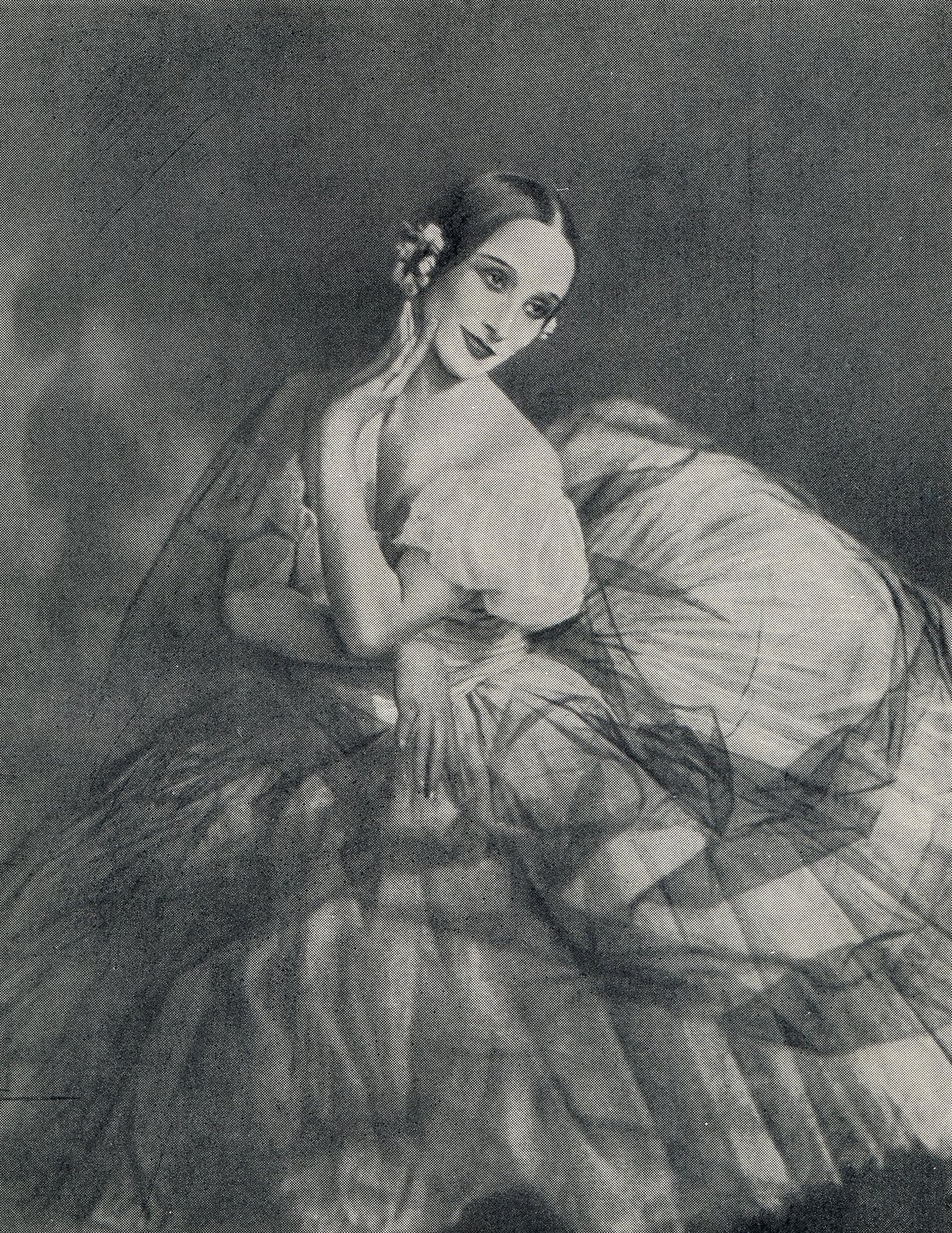
Anna Pavlova

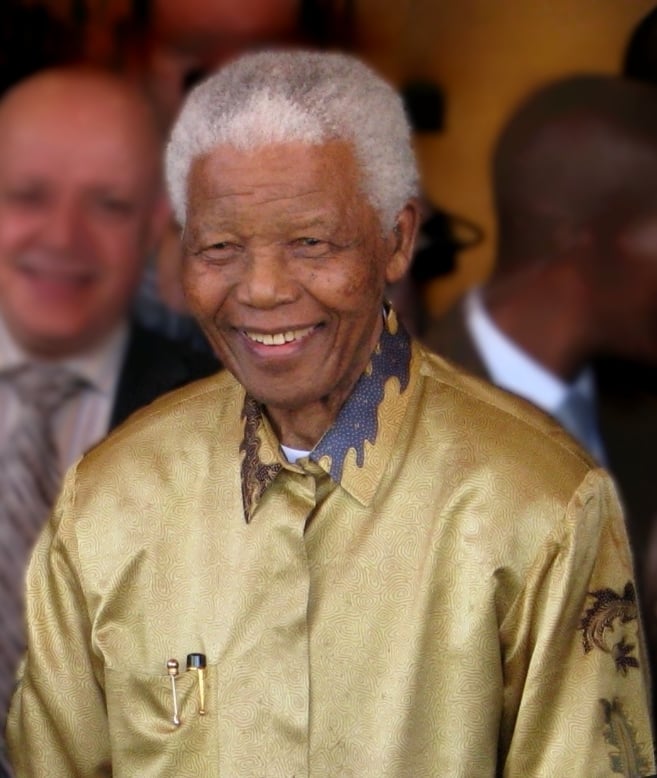
Nelson Mandela

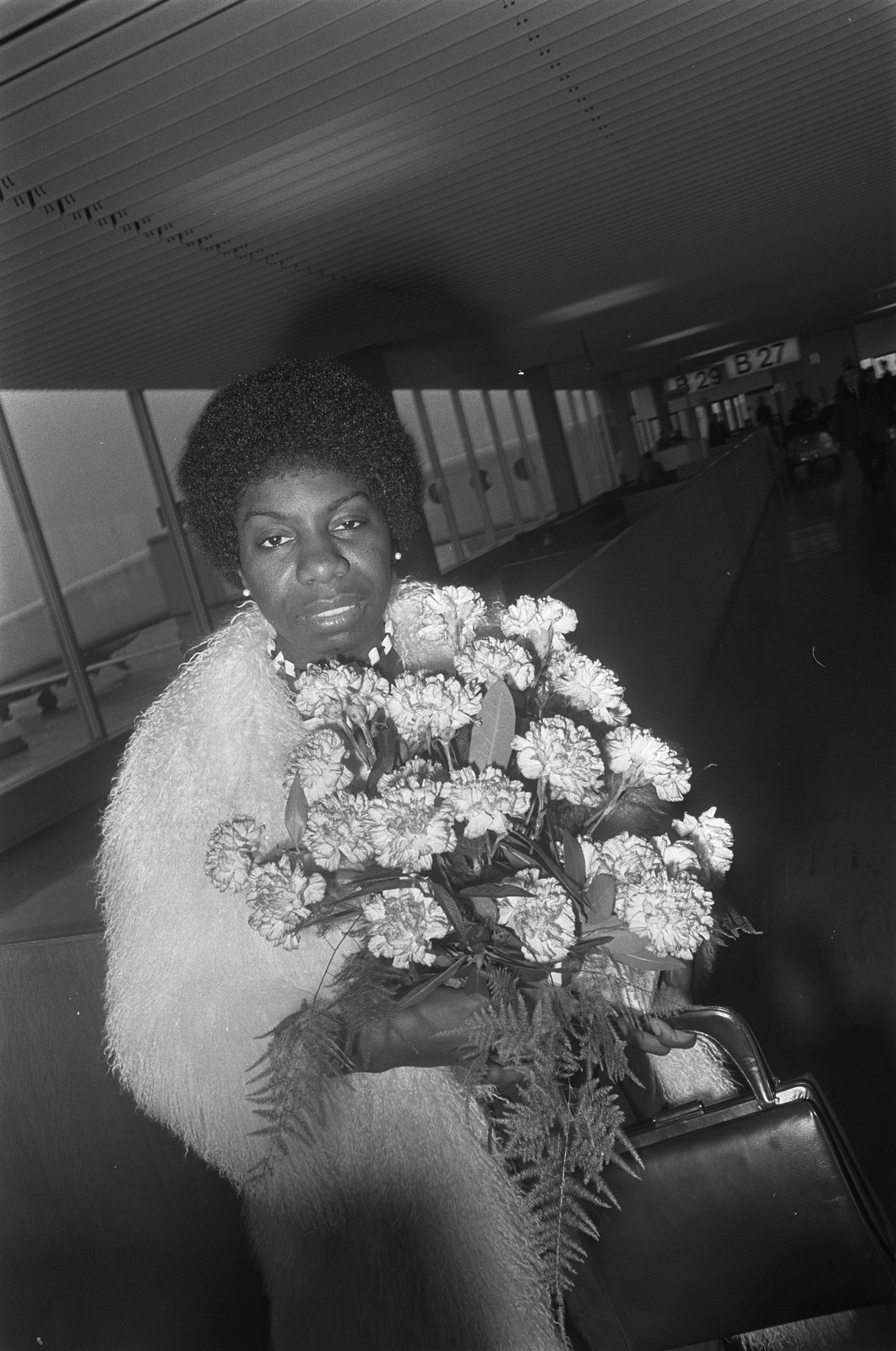
Nina Simone
Opposite Profile
Not a rival — a different profile shape worth a look.
Hildegard of Bingen
Sources
- René Caillié (Q368976), verified live via the Wikidata API (2026-11-02): label 'René Caillié', description 'French explorer (1799-1838)', two birth values (1799-09-19 and the preferred 1799-11-19), died 1838-05-17, citizen of France, no Korean label. Orientation only; not used as support for any row.
- 'René-Auguste Caillié', Encyclopaedia Britannica (read in full, about 250 words). CANONICAL SIGNIFICANCE SOURCE: calls him the first European to survive a journey to Timbuktu; before he was 20 he had twice voyaged to Senegal; in 1824 he began preparing by learning Arabic and studying Islam, posed as an Arab traveller going to Egypt, left the West African coast in April 1827, reached Timbuktu on 20 April 1828 and returned across the Sahara via Morocco; his narrative was published in three volumes in 1830 and translated into English the same year.
- 'René Caillié, 1799-1838', Princeton University Library, Africana Maps and Images (read in full, about 500 words). Library biography: little formal education, left home in 1816, joined an English expedition looking for news of Mungo Park, spent a year with the Braknas learning Arabic and Islamic ritual, left Conakry in April 1827, reached Timbuktu on 20 April 1828 posing as a poor Egyptian, took notes and made drawings secretly, was struck by the contrast with historical descriptions of the city's magnificence, crossed the Sahara with a slave caravan, and was refused aid at Rabat; awarded the Geographical Society's prize and a pension; his 4,500-mile journey opened up much other terrain unknown to Europeans.
- 'Caillie, Rene Auguste', Encyclopaedia Britannica, 11th edition, vol. 4 (1911; read via Wikisource, about 450 words). Reference biography: son of a baker; first voyage at sixteen; a journey to Bondu in 1818; in 1824 eight months with the Brakna 'Moors' learning Arabic and Islamic customs; the governor of Senegal gave no encouragement so he went to Sierra Leone, was made superintendent of an indigo plantation by the British authorities and, having saved 80 pounds, joined a caravan dressed as a Muslim; prize of 400 pounds from the Geographical Society of Paris, the Legion of Honour and a pension; the Journal edited by Jomard was published at public expense in 1830.
- René Caillié, 'Travels through Central Africa to Timbuctoo; and across the Great Desert, to Morocco, performed in the years 1824-1828' (London: Colburn and Bentley, 1830, two volumes; Internet Archive scans, text searched and the introduction and first chapters read, not read cover to cover). SELF-REPORT: his own narrative of his early voyages, his plan, the governor's refusal to fund his larger plan, his eight months with the Braknas, how he hid his journal and the cover story he used. Used for episodes that other sources confirm in outline and always flagged as self-report.
- Heinrich Barth, 'Travels and Discoveries in North and Central Africa', vol. 3 (London and New York, 1857; Internet Archive text searched for every mention of Caillié and the Timbuktu and Niger passages read). INDEPENDENT, ADVERSARIAL-CHECKING source: the German explorer who reached Timbuktu in 1853 follows Caillié's route, says he is glad to confirm the general accuracy of his account and finds his report trustworthy in general with accurate description of the objects he saw under very unfavourable circumstances, while listing errors (the position of the smaller tower of the great mosque, five rather than seven gateways, the length of the mosque, the name 'Kissour' for the language, a view of the town showing scattered houses instead of continuous rows) and observing that the English were jealous of the success of a poor unprotected adventurer after Major Laing's death.
- 'Portret van Rene Caillie' (Portrait of Rene Caillie), print by Francois Louis Couche (named on the object), 1820-1849, Rijksmuseum, Amsterdam, object RP-P-OB-42.949, record RM0001.COLLECT.99314 (linked-art record read live: Public Domain Mark 1.0 / CC0). Used for the portrait only, not for any trait row.