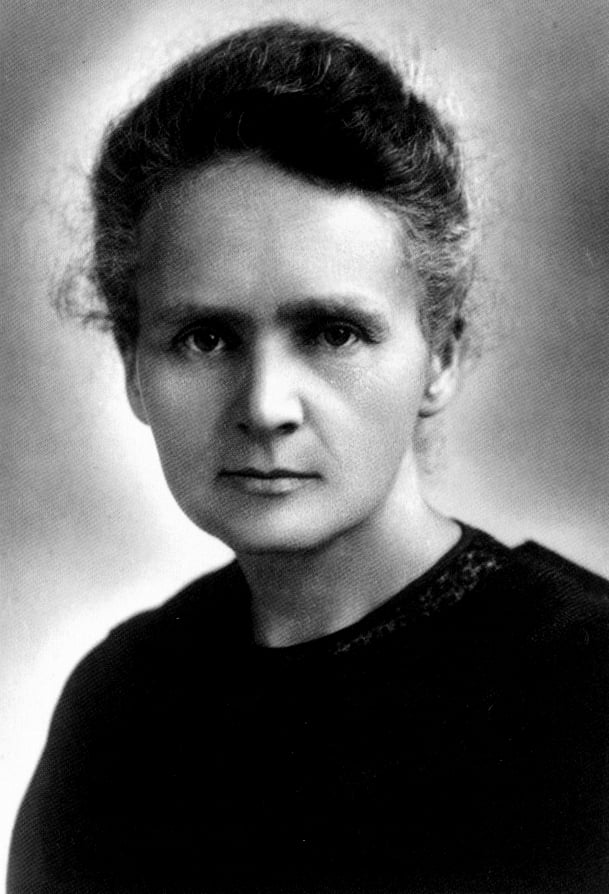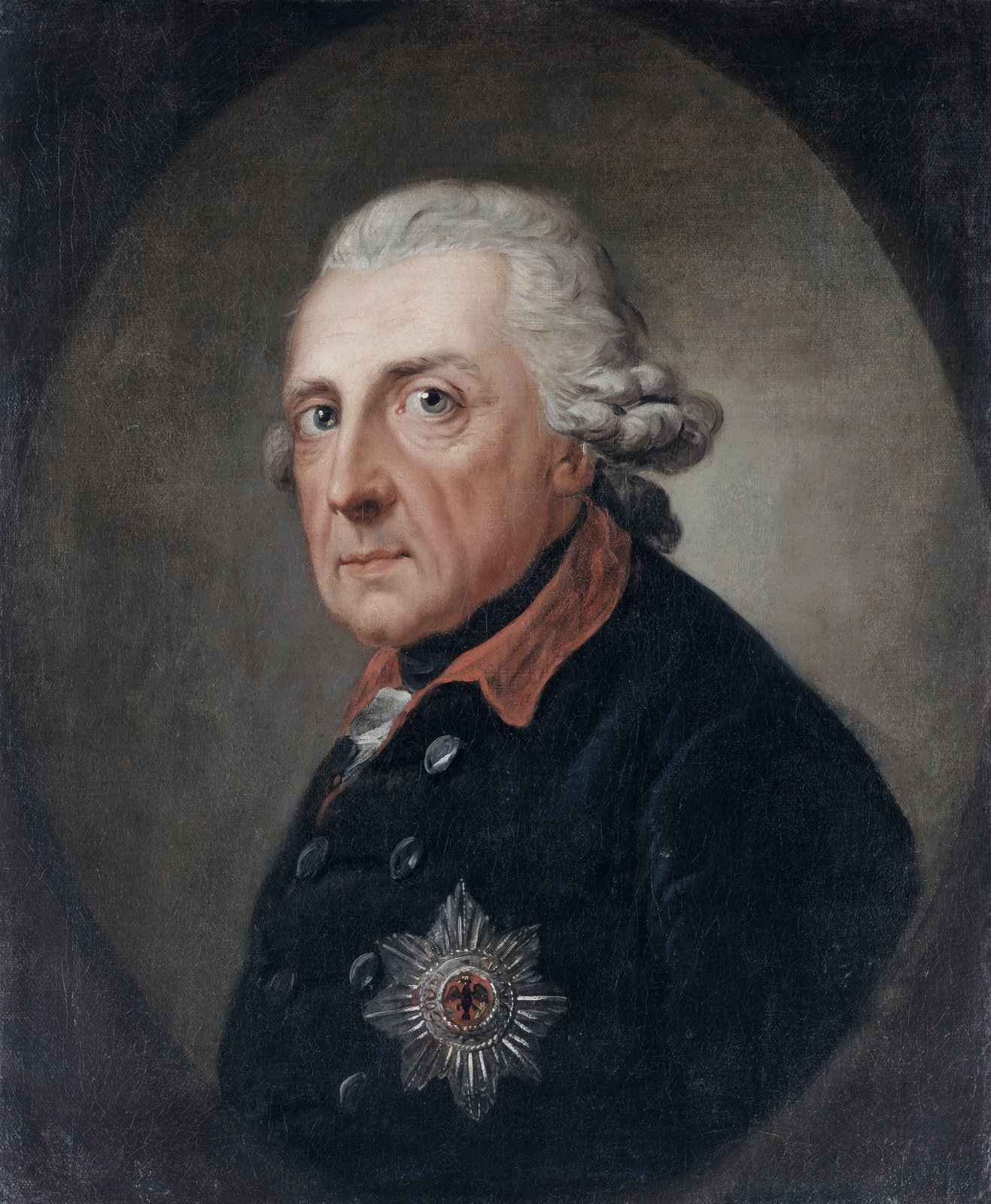
Frederick the Great
92% Profile Match
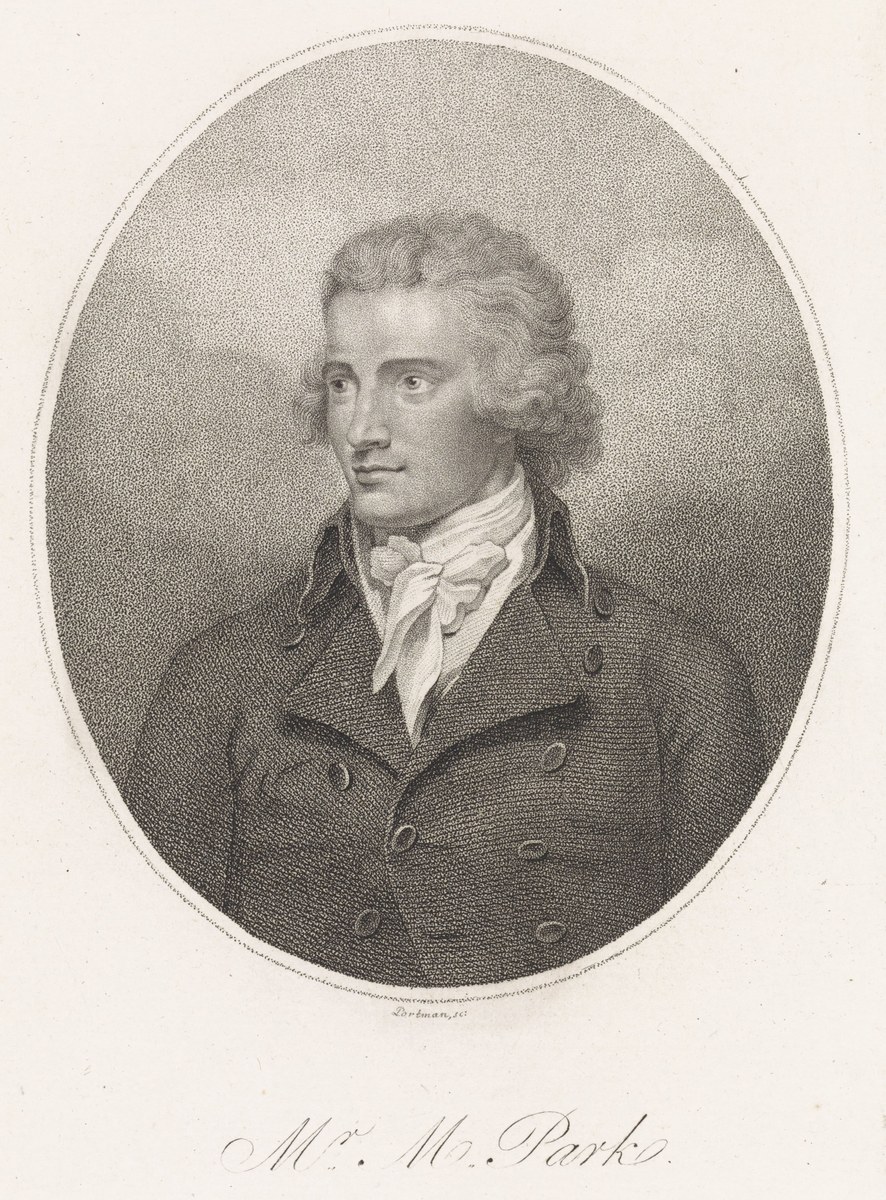
Ludwig Gottlieb Portman (engraver), 'Mr. M. Park', stipple engraving, 1787-1828. Rijksmuseum, Amsterdam, RP-P-1910-440 (Public Domain). Cropped and downscaled. · Stipple-engraved oval portrait of Mungo Park by Ludwig Gottlieb Portman, captioned 'Mr. M. Park.' under the oval and signed 'Portman, sc.', held by the Rijksmuseum, Amsterdam (object number RP-P-1910-440, 'Portret van de Schotse arts Mungo Park'), dated by the museum 1787 - 1828 (the engraver's working span; the plate is not more closely dated, and the record does not name the drawing it was made after). Rights review: the museum's own linked-art record (opened live 2026-11-05) carries the Public Domain Mark 1.0 on the image and a CC0 right on the record, names the printmaker as mentioned on the object, and links the visual item to Mungo Park's Wikidata identifier; the print was made no later than 1828 (public domain by age). The file is the oval and caption cropped from the museum's 3882 x 6318 pixel scan and downscaled to 886 x 1200 pixels (no upscaling). · Public Domain Mark 1.0 and CC0 as stated in the Rijksmuseum's own record; an engraving made before 1829 (public domain by age)
explorer · 19th Century
1771–1806
Not yet included in personality matching — the documented evidence doesn't yet cover enough of the personality model. Everything else on this page is fully available.
Scottish surgeon and explorer sent by the African Association in 1795 to find the Niger; he reached it at Segu in 1796, followed it about 80 miles downstream, and returned in 1797 as, per the sources, the first European to see the upper Niger.
His 1799 'Travels in the Interior Districts of Africa' became a best-selling classic of travel writing; he had earlier collected plants in Sumatra and described eight new fishes for the Linnean Society.
In 1805 he led a larger government expedition back to the Niger; disease had killed most of the Europeans before the river, and he and a few companions are reported, on an African guide's account, to have sailed about 1,000 miles down it before dying at the Bussa rapids, adding little new geographical knowledge.
Held prisoner by a Moorish chief at Ludamar for about four months, he escaped alone in July 1796 with only his horse and a pocket compass, and went on to reach the Niger at Segu instead of turning back.
This is consistent with an explorer who improvised under severe shortage and kept to his objective. Resourcefulness
At Sansanding in late 1805, with his brother-in-law and most of the party dead and only a few men left, he did not turn back; he bought two canoes, joined them into a single boat and set off down the unexplored river, an episode a recent scholar says logic would have advised against.
This is consistent with a determination to finish the task that was both his strength and, on this occasion, a costly liability. Persistence
After settling as a country doctor at Peebles, where a biographer says he chafed at the monotony, he accepted the government's 1803 invitation to lead a new Niger expedition, and sailed for the Gambia in January 1805.
This is consistent with someone who left a settled medical practice for a more ambitious undertaking rather than stay in routine work. Achievement Drive
People whose overall profiles resemble theirs.